Table of Contents >> Show >> Hide
- Why These Updates Matter More Than They First Appear
- AirPods Are Becoming Utility Tools, Not Just Tiny Speakers
- Apple Home Is Finally Acting Like a Serious Platform
- tvOS 26 Turns Apple TV Into a More Polished Living Room Hub
- Apple’s Strategy Is Less About New Gadgets and More About Better Habits
- What These Updates Mean for Different Kinds of Users
- Experience: What Living With These Updates Actually Feels Like
- Final Take
Apple loves a dramatic reveal, but this time the company’s biggest flex is not a single shiny gadget. It is the way Apple keeps turning ordinary things into smarter, more useful companions: earbuds that do more than play music, a home platform that is finally acting like it wants to win, and a tvOS update that makes the living room feel less like a pile of apps and more like a polished entertainment hub.
That is the real story behind the latest wave of updates for AirPods, Apple Home, and tvOS. Some of the changes are flashy. Some are practical. Some are the kind you only appreciate after using them for a week and wondering why every device did not work this way before. Together, they show Apple trying to make its ecosystem feel tighter, smarter, and just a little more magical without forcing users to buy an entirely new life.
In classic Apple fashion, there is also a plot twist. The company’s broader smart home ambitions appear to be moving ahead, but not without a few stumbles, especially around Siri and Apple Intelligence. So while Apple is absolutely supercharging parts of the experience, it is also proving that even Cupertino cannot speedrun the future without tripping over a few extension cords.
Why These Updates Matter More Than They First Appear
At first glance, AirPods, Home, and tvOS may sound like three separate lanes. In reality, they are all part of the same strategy: own the daily moments that happen after work, after school, after dinner, and before bed. Apple wants to be in your ears, on your TV, and quietly running the house in the background.
That is why these updates matter. Apple is not simply adding random features because engineers got bored in a white room. The company is trying to turn entertainment, communication, and home control into one continuous experience. Watch a show on Apple TV. Take a FaceTime call on the big screen. Control the audio through HomePod. Use AirPods to create content, translate speech, or jump into calls. Then let the Home app handle locks, guests, automations, and even robot vacuums. It is less “here is a device” and more “here is a whole mood.”
And unlike a lot of tech promises that arrive wrapped in buzzwords and leave wrapped in disappointment, many of these upgrades are arriving through software. That means users can get meaningful improvements without replacing every product in the house. For consumers, that is the sweet spot: more capability, less wallet trauma.
AirPods Are Becoming Utility Tools, Not Just Tiny Speakers
AirPods have already gone from simple wireless earbuds to something closer to a pocket-sized assistant for your ears. The newest updates push that identity even further.
Studio-Quality Audio Recording Changes the Vibe
One of the most interesting additions is studio-quality audio recording for supported AirPods models. On paper, that sounds like a feature for creators, podcasters, interviewers, and people who say things like “Let’s just capture some raw audio real quick.” In practice, it is broader than that.
Better voice capture makes everything feel more polished. Voice notes sound cleaner. Calls feel clearer. Remote interviews become less chaotic. Social video creators can record better vocals on the go without dragging around a bag full of microphones and adapters like a stressed-out documentary crew. Apple is effectively telling users that AirPods can be part of the production process, not just the playback experience.
Camera Remote Is Small but Sneakily Brilliant
Another update lets supported AirPods act as a camera remote. This is one of those features that sounds almost silly until you use it. Then suddenly it becomes obvious. Want to start a video while standing away from your phone? Want a group photo without sprinting like an action hero who heard the self-timer beep? Done.
It is simple, useful, and very Apple. The company has always been strong when it takes an annoying little friction point and removes it so smoothly that users start behaving like it was always meant to be that way.
AirPods Max 2 Brings the Premium End Up to Speed
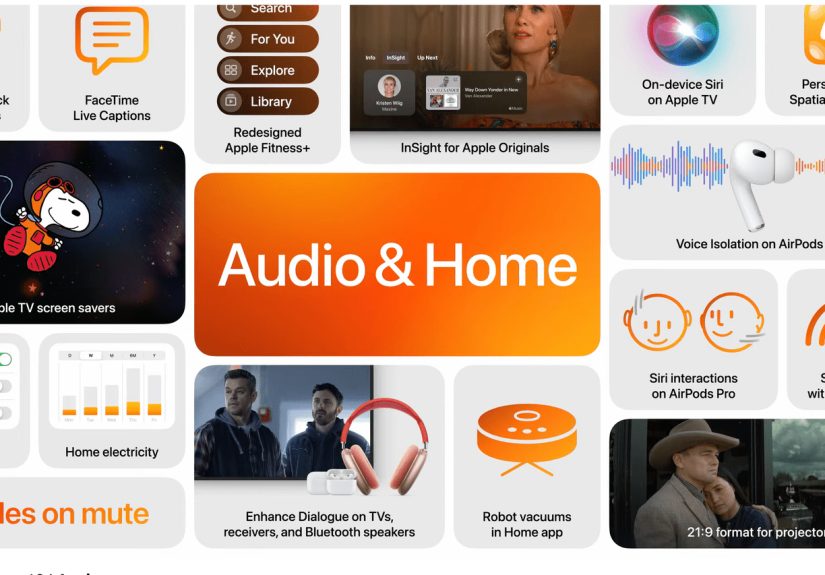
The bigger headline in 2026 is AirPods Max 2. Apple finally gave its over-ear headphones a serious refresh with the H2 chip, stronger active noise cancellation, better sound quality, lossless audio over USB-C, lower latency for gaming, and intelligent features such as Adaptive Audio, Conversation Awareness, Voice Isolation, and Live Translation.
That matters because the original AirPods Max had started to feel like the luxury sedan that never got its software update. Beautiful? Yes. Modern enough? Debatable. The new version changes that. Apple is bringing its premium headphones closer to the rest of the AirPods family, which now feels more unified in purpose: clearer communication, smarter listening, and better integration across the Apple ecosystem.
What is especially interesting is that Apple keeps framing AirPods as tools for communication and productivity, not just entertainment. Translation, voice isolation, camera control, and improved recording all point in the same direction. Apple wants AirPods to matter during meetings, travel, and content creation, not only during playlists and workouts.
Apple Home Is Finally Acting Like a Serious Platform
If Apple’s smart home strategy once felt like a beautiful house with two chairs and no refrigerator, that is finally changing. The Home app has picked up features that make it more practical for real families and real households, not just people who enjoy labeling light bulbs by room for fun on a Friday night.
Guest Access Makes Apple Home More Grown-Up
Guest access is one of the smartest additions. Instead of forcing homeowners to hand over broad control or awkwardly explain which app controls which lock, Apple now makes it easier to grant guests limited access to locks, garage doors, and security systems. That is useful for relatives, dog walkers, house sitters, contractors, and the friend who always arrives before everyone else and texts, “So… how do I get in?”
Scheduled access is even better. Smart home systems stop feeling truly smart when every permission setting is all-or-nothing. Apple’s more flexible approach makes the Home app feel less like a gadget demo and more like a real household management tool.
Robot Vacuum Support Gives the Platform More Muscle
Robot vacuum support is another meaningful step. It may not sound glamorous, but it says something important about Apple’s direction. The company is broadening the kinds of devices that can be brought into automations and scenes. When vacuums become part of routines, the home platform starts to move from “control panel” to “orchestration layer.”
That distinction matters. Smart homes become valuable when devices work together. Lights dim. Doors lock. Speakers switch modes. The vacuum starts cleaning after everyone leaves. Those little interactions are what make a smart home feel smart instead of merely expensive.
The Home Architecture Shift Is Apple Saying: We’re Serious Now
Apple has also pushed users toward the newer Apple Home architecture, and support for the previous version has ended. That move may sound technical, but it reflects a larger truth: Apple is trying to tighten performance, reliability, and compatibility as it scales the platform.
In plain English, Apple is cleaning up the plumbing before adding more rooms to the house. It is not glamorous, but it is necessary. Platforms do not grow well when they are built on duct tape and hopeful thinking.
The Catch: Apple’s Bigger Home Plans Still Depend on Siri
Here is where the music record-scratches a little. Reports indicate Apple’s long-rumored screen-based smart home device has been delayed, largely because the new Siri experience is not ready on schedule. That is important because it shows the limits of Apple’s otherwise polished momentum.
The company clearly wants a stronger foothold in the home. It has the pieces: Apple TV, HomePod, the Home app, Matter support, and a privacy-first brand. But it also needs a voice assistant and interface that feel meaningfully smarter if it wants to compete more aggressively in a world of smart displays and AI-driven assistants.
So yes, Apple is supercharging the home. But it is also waiting for one stubborn engine part to stop rattling.
tvOS 26 Turns Apple TV Into a More Polished Living Room Hub
tvOS has sometimes lived in the shadow of iOS, which is understandable. One runs a phone you touch all day. The other runs a box that mostly sits quietly under a television waiting to stream prestige dramas and playoff games. But tvOS 26 makes a convincing case that the living room still matters.
Liquid Glass Gives Apple TV a Fresh Look
The new Liquid Glass design language gives tvOS a sleeker, more expressive visual style while keeping the content front and center. That last part matters. Good TV software should never act like the star of the show when the actual show is right there. Apple appears to understand that balance.
The redesigned Apple TV app also leans harder into cinematic poster art and easier content discovery. That might sound cosmetic, but smart interface design influences how often people browse, how quickly they choose something, and how much friction exists before the fun begins. In streaming, friction is the villain.
Profiles, Logins, and Music Features Make the System Feel More Personal
Apple is also making profile-switching more prominent and improving the way users sign in to apps through Apple Account-linked tools. These are not flashy keynote fireworks, but they are exactly the kind of changes that improve day-to-day life. Nobody brags about better login flow at a party, but everybody appreciates it at home.
Apple Music Sing gets a notable lift too. Users can turn an iPhone into a handheld microphone for Apple TV, which is either an amazing party trick or the beginning of your household’s very loud journey into karaoke superstardom. Real-time lyrics, pronunciation, and translation features make the experience more inclusive and more playful.
FaceTime and Audio Updates Make Apple TV Feel More Connected
tvOS 26 also improves FaceTime on Apple TV, with Contact Posters and broader Live Caption support. Add in the ability to designate AirPlay-enabled speakers as permanent speakers for Apple TV, and the platform starts looking less like a streaming box and more like a communications and entertainment anchor for the room.
That is the bigger point. Apple TV is increasingly not just about watching something. It is about centralizing the experience of being home. Music, video, calls, shared viewing, smart home scenes, and sound routing are all getting pulled into the same orbit.
Apple’s Strategy Is Less About New Gadgets and More About Better Habits
What makes these updates compelling is not that every feature is revolutionary. Most are not. The magic is in how they shape habits.
AirPods become more useful for work, travel, and content creation. Apple Home becomes more practical for real household management. tvOS becomes more polished, personal, and social. None of those changes alone redefines consumer tech. Together, they make the Apple ecosystem harder to leave.
This is one of Apple’s oldest and smartest moves. Instead of asking users to fall in love with a single feature, it makes daily life a little smoother in a dozen places. Then one day you realize your headphones help you shoot video, your TV makes karaoke easier, your home app manages guests, and your streaming box is also part speaker hub, part communication device, part smart home controller. Congratulations. You now live inside the ecosystem. There are snacks by the door.
What These Updates Mean for Different Kinds of Users
For Creators
AirPods are becoming more capable as lightweight production tools. Better recording, better communication, and remote camera control reduce friction for creators who work fast and mobile.
For Families
Apple Home’s guest access, security controls, and device coordination make the platform more realistic for multi-person households where not everyone should have the same level of access.
For Smart Home Beginners
Robot vacuum support and stronger home hub expectations make the system feel more complete. Apple is still not the most open ecosystem on earth, but it is increasingly easier to see how the pieces fit together.
For Entertainment Fans
tvOS 26 shows Apple still cares about the living room. Better visuals, easier profiles, stronger music features, FaceTime improvements, and speaker flexibility all reinforce that idea.
Experience: What Living With These Updates Actually Feels Like
On paper, Apple’s updates for AirPods, Home, and tvOS sound like a tidy list of features. In daily life, they feel more like a shift in atmosphere. The whole system starts behaving less like a collection of separate devices and more like a team that finally learned how to pass the ball.
Imagine a normal evening. You walk through the door, and your home setup does not feel like a science project anymore. The lock works with less fuss, access for guests makes sense, and the Home app feels less like a place you visit only when something breaks. If you have a robot vacuum in the mix, it joins the routine instead of sitting outside the ecosystem like an uninvited cousin at Thanksgiving. That alone changes the texture of the home. The system becomes quieter, less demanding, and more helpful.
Then there is the living room. With tvOS 26, Apple TV feels more intentional. The interface looks cleaner, content discovery feels more polished, and profile handling better reflects the reality that not everyone in a house wants the same recommendations. One person wants prestige drama, another wants soccer, another wants an animated movie with a dragon and exactly seventeen sequels. Apple is making that switching process feel more natural instead of mildly annoying.
The Apple Music Sing enhancements add a totally different flavor. This is one of those features that can sound gimmicky until a group actually uses it. Then it suddenly becomes one of the most human things Apple has built in a while. Handing someone an iPhone as a microphone is funny, accessible, and weirdly effective. It lowers the barrier to play. Apple is not just updating software there. It is updating the social energy of the room.
AirPods may be where the experience becomes most personal. Better recording and cleaner voice quality mean the difference between sounding like you are calling from inside a washing machine and sounding genuinely clear. The camera remote feature is small but liberating. It makes solo content capture easier, group photos less awkward, and casual video setups much less clumsy. AirPods stop feeling like accessories and start feeling like controls for your digital life.
And when you step back, that is the bigger experience Apple is chasing. Convenience is no longer just about speed. It is about reducing mental clutter. Fewer app hops. Fewer setup headaches. Fewer moments where you have to remember which device does what. The best version of this ecosystem fades into the background and lets the home feel calmer, the TV feel more social, and the headphones feel more capable.
There is still unfinished business, especially around Siri and Apple’s broader smart home ambitions. That missing piece is noticeable because the rest of the puzzle is getting stronger. But even with that caveat, these updates point to an Apple ecosystem that is maturing in smart, useful ways. Not louder. Not wilder. Just better in the places people actually notice every single day.
Final Take
Apple’s supercharged updates for AirPods, Home, and tvOS reveal a company refining the spaces where people actually live, listen, and unwind. The AirPods story is about utility. The Home story is about practical control. The tvOS story is about making the living room more elegant and more connected. Put them together, and the message is clear: Apple is trying to make its ecosystem feel less like a stack of products and more like a coherent experience.
That does not mean every promise is fully fulfilled. Apple’s rumored home hardware still appears to be waiting on Siri to catch up, and some of the biggest ambitions remain more “coming soon” than “mission accomplished.” But the direction is obvious. Apple wants your ears, your couch, and your front door all speaking the same language. For users already inside the ecosystem, that is good news. For competitors, it is the sound of Cupertino quietly rearranging the furniture again.