Table of Contents >> Show >> Hide
- Meet the Artist Behind the Beefcake (Tastefully, Retro-Style)
- Why Pin-Up Aesthetics Still Work in 2026 (Even When the Subject Has a Hammer)
- The Twist: A Flip of the Gaze in Superhero Culture
- What the Posters Look Like (And Why They’re So Shareable)
- So Why Are the Prints Selling Out So Fast?
- How Fans Actually Use These Prints at Home
- The Business Side: Fan Art, Originality, and the Legal Gray Area
- What This Trend Says About Masculinity and Modern Fandom
- Extra Experiences: What It’s Like When These Prints Drop and Sell Out (Real-World Vibes)
- Conclusion
Somewhere between “Saturday morning superhero marathon” and “vintage calendar you’d pretend you bought for the typography,”
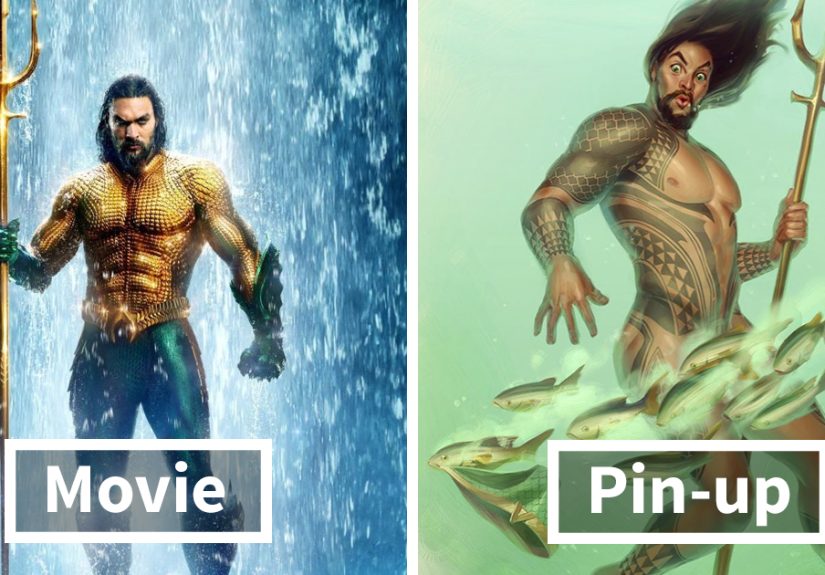
a Portland-based artist found a sweet spot: male superheroes reimagined as classic pin-up models.
The concept is simple, the execution is polished, and the result is oddly irresistiblecheeky, nostalgic, and just self-aware
enough to make you laugh before you realize you kind of want one framed in your hallway.
The series has been bouncing around the internet for years, and for good reason: it flips a familiar comic-book formula,
swaps the usual gaze, and turns larger-than-life heroes into playful, retro-styled poster subjects. And when those posters
drop as prints? They don’t linger. They move fastsometimes in limited windowscreating that “if I don’t buy it now, I’ll be
staring at an empty cart forever” feeling that collectors know all too well.
Meet the Artist Behind the Beefcake (Tastefully, Retro-Style)
The artist most associated with this viral pin-up superhero wave is David Talaski (also credited as David Talaski-Brown),
a Portland, Oregon–based illustrator who’s talked publicly about blending two passions: superheroes and vintage pin-up
illustration. His work gained traction online and in fandom spaces because it hits a rare combohigh craft, strong humor,
and a concept that instantly makes sense even if you’ve never stepped foot in a comic shop.
The origin story is refreshingly practical: he wanted something people would actually buy when tabling at a local comic-con,
so he built a series that felt both familiar and surprising. He posts the art online, and he sells prints through channels
that fans already trust for indie art shoppingespecially limited-run drops and preorders that create real urgency for
collectors.
Why Pin-Up Aesthetics Still Work in 2026 (Even When the Subject Has a Hammer)
“Pin-up” isn’t just a poseit’s a whole visual language. The mid-20th-century American pin-up tradition was built on
bright color, clean shapes, flirtatious storytelling, and a wink to the viewer. Historically, pin-ups were everywhere:
calendars, magazines, posters, and even wartime visual culture where stylized figures became a kind of morale iconography.
In other words, the style is already designed to be instantly readable from across the room.
That readability is a big reason the format pairs so well with superheroes. Modern heroes are already icon-based:
strong silhouettes, signature colors, recognizable symbols. When you combine that with classic pin-up composition
(simple background, strong focal figure, narrative “moment”), you get art that feels like a poster you could’ve
discovered in a dusty shopexcept the subject is someone who can bench-press a car.
Pin-Up Storytelling: The “Oops” Moment, But Make It Heroic
Classic pin-up illustration often centers on a tiny scenario: a snagged hem, a gust of wind, a spilled bucket, a surprised
glance. The humor is gentle and situational. When that storytelling style is applied to superheroes, it creates a funny
contrast. A god of thunder dealing with an everyday inconvenience? A super-soldier caught mid-adjustment like a normal
human being? It’s inherently comedicwithout needing to be mean.
The Twist: A Flip of the Gaze in Superhero Culture
Superhero art has a long history of exaggeration. Muscles are bigger, waists are smaller, and physics occasionally takes a
coffee break. Over the years, fans have also critiqued how often female characters are drawn in uncomfortable, implausible,
or purely display-oriented posessometimes to the point where the body looks like it’s auditioning for a role as a
pretzel.
Internet culture even built entire creative movements around that critique, including redraw challenges that swap the same
“impossible” poses onto male heroes to expose how strange they look when the default assumptions change. In that context,
male superhero pin-ups aren’t just “thirsty posters.” They’re also commentary: a playful, clever demonstration that the
superhero camera angle doesn’t have to be one-way.
Importantly, the best versions of this idea don’t feel like a lecture. They feel like an invitationespecially for fans who
want more art that treats attraction to men as normal, fun, and worth celebrating. It’s a shift from “this is the only way
characters can be presented” to “there are multiple ways to enjoy these worlds.”
What the Posters Look Like (And Why They’re So Shareable)
The standout male-superhero pin-up style tends to follow a few winning rules:
- Retro composition: clean backgrounds, centered figures, bold typography vibes.
- Character-first details: recognizable costumes, symbols, or color cueseven when the scene is domestic.
- Humor with affection: the joke isn’t “look how dumb this guy is,” it’s “look how human this moment feels.”
- Just enough spice: cheeky rather than explicit; flirty without crossing into “hide this when your aunt visits.”
In interviews and write-ups, Talaski has described the appeal of classic pin-up as “sexy and a little ridiculous”which is
basically the whole superhero genre, if you think about it. His scenarios often place powerful characters into ordinary
situations, letting the humor come from contrast instead of shock value.
Specific Examples Fans Keep Talking About
A few details that repeatedly get referenced when people describe why the series works:
- Captain America as the fan favorite: In coverage of the series, Captain America is frequently described
as the most popular printpartly because the character’s “old-school” image pairs perfectly with a vintage poster vibe. - Thor, but cozy: One widely shared depiction puts Thor in a pink bathrobe scenariofunny because it’s
both unexpected and oddly believable for a character who’s comfortable with his own legend. - Tony Stark in an everyday moment: Instead of “genius billionaire hero,” he’s presented in a more
mundane, classic pin-up setup (think: the kind of task that belongs in a retro garage poster). - Black Panther in a stylized locker-room theme: The series doesn’t rely on one visual joke; it rotates
themes so each character gets a distinct “poster concept.”
That variety matters. It turns the project from a single gag into a collectionand collectors love a collection.
Each new piece is both a standalone poster and another “chapter” in the set.
So Why Are the Prints Selling Out So Fast?
“Selling out fast” is rarely one thing. In this case, it’s a stack of factors that feed each other:
1) Limited Windows Create Real Urgency
Some preorder models are structured around short availability windows (for example, listings open for a limited time or
until the run sells through). When fans know a drop won’t stay live for long, they treat it like a mini eventset alarms,
share the link, and buy immediately. That urgency is intensified when the artist is a one-person operation juggling a
full-time job, because small runs are simply more manageable.
2) Social Media Turns Posters Into “Instant Memes”
This style is highly screenshot-friendly: bold colors, recognizable characters, and a single-frame joke. That makes it
perfect for sharingespecially on platforms where fandom culture thrives. A post can jump from “look at this” to “I need
this on my wall” in about eight seconds.
3) The Art Hits Multiple Audiences at Once
The best fandom art doesn’t rely on only one community. These pin-ups appeal to:
- comic and movie fans who recognize the characters instantly,
- design lovers who enjoy retro illustration aesthetics,
- collectors who want cohesive sets,
- and fans who are thrilled to see attraction-to-men treated as fun, normal, and market-worthy.
4) Scarcity + Series Energy = Collector Behavior
Once someone owns one print, they’re more likely to want “the pair” or “the full set.” Series art triggers collector logic:
completion feels satisfying, and each new drop becomes a chance to build that wall lineup. It’s the same psychology that
sells trading cardsexcept these are frame-ready.
How Fans Actually Use These Prints at Home
Part of the charm is that the posters function as décor, not just fandom merch. People frame them like vintage art, tuck
them into gallery walls, or hang one as a conversation starter in a hallway. Some fans choose a “subtle nerd” approach
(one print, tasteful frame, neutral mat). Others go full “pin-up museum corner” with a themed cluster.
If you’re wondering where these prints look best, fans commonly pick spaces where humor is welcome:
- Home offices: a morale boost that’s also a personality signal.
- Bathrooms: the classic pin-up poster locationmodernized with superheroes.
- Game rooms: perfect for playful, pop culture–heavy décor.
- Entryways: because nothing says “welcome” like retro hero glam.
The Business Side: Fan Art, Originality, and the Legal Gray Area
Any time an artist sells prints that resemble famous characters, a practical question follows: “Is this allowed?”
In the United States, copyright owners generally have exclusive rights to prepare derivative works and to distribute
copies of their work. Fair use exists, but it’s evaluated case-by-case using multiple factors, and outcomes can be hard
to predict. (Translation: internet certainty is not a legal standard.)
In real life, fandom marketplaces operate in a spectrum: some studios tolerate small-run fan art because it functions like
community engagement; others actively enforce their rights. Many independent artists navigate this by:
- keeping runs limited and clearly “fan-made” rather than official,
- adding substantial stylistic transformation (e.g., a distinct retro concept),
- selling through platforms with clear policies, and
- also building original work alongside fan-inspired pieces.
This isn’t legal advicejust a reality check. If you love this kind of art, the best way to support it is to buy directly
from the artist’s official shop links, follow their release announcements, and respect whatever boundaries they set for
reprints and reposts.
What This Trend Says About Masculinity and Modern Fandom
The popularity of male superhero pin-ups isn’t only about aesthetics. It’s also about permission.
Permission for heroes to be silly. Permission for strength to coexist with softness. Permission for fans to say,
“Yes, I like this character,” and also, “Yes, I like looking at this character.”
And while superhero media is often marketed as “for everyone,” fan art is where “everyone” becomes visible. When indie
creators make art that centers different kinds of attraction, humor, and identity, it broadens the culture without needing
a corporate memo. It’s fandom doing what fandom does best: remixing the same ingredients into new comfort food.
Extra Experiences: What It’s Like When These Prints Drop and Sell Out (Real-World Vibes)
If you’ve never tried to buy a popular indie print during a limited release window, imagine concert ticketsjust with more
tabs open and fewer stadium nachos. Fans often describe the “drop moment” as a small ritual: the artist posts a countdown,
people share the announcement in group chats, and someone inevitably says, “I don’t need it… I don’t need it… I absolutely
need it.”
When the shop opens, buyers move fast. Some collectors go straight for the newest design, while others prioritize completing
a setespecially if they missed an earlier release. It’s common to see fans planning purchases like a tiny budget strategy:
“Okay, I can get two prints now, and if the restock happens next month, I’ll grab the other two.” If the listings close
after a short window, it creates a shared experience: everyone who bought feels like they “made it,” and everyone who
missed out becomes extra motivated for the next round.
Convention experiences have their own flavor. In artist alley spaces, a strong pin-up poster series tends to pull people in
from across the aisle because it’s readable instantlybold design, recognizable hero, and a joke you understand before you
even reach the table. Fans often linger longer than they planned, because the posters invite comparison:
“Wait, which one is your favorite?” becomes a full conversation about characters, movies, and the specific kind of humor
that makes a retro pin-up scene feel affectionate instead of mocking.
Then comes the unboxing moment, which is oddly satisfying for print collectors. People talk about the little details:
paper finish, color richness, how the piece looks in a frame, and whether it changes the vibe of a room. A superhero print
that might feel “too loud” in a living room can feel perfect in a hallway or office when the design leans vintage instead
of neon. Some fans even treat the posters like seasonal décorswapping which hero is on display depending on their mood
(or which movie they just rewatched for the fifth time).
Gift-giving is another common experience. These prints are popular as funny-but-thoughtful presents because they’re both
fandom and design: you don’t need to know every comic storyline to get the joke. The giver gets credit for “finding
something unique,” and the receiver gets something they’ll actually hang upwhich is the holy grail of gifting, right
behind cash and a nap.
Finally, there’s the community element. Fans who buy these prints often feel like they’re participating in a living,
creative ecosystem rather than just consuming a product. They follow the artist for future drops, share photos of framed
setups, and request characters (sometimes politely, sometimes like a dramatic medieval petition). That feedback loopartist
creates, fandom responds, new poster concept emergeshelps explain why the series doesn’t fade. It evolves.
Conclusion
Male superhero pin-up art works because it’s more than a gimmick. It’s a clean, clever fusion of American retro illustration
language and modern fandom energyfunny, stylish, and culturally reflective without being heavy-handed. The prints sell out
quickly because the releases feel like events, the posters feel collectible, and the art lands with multiple audiences at
once. In a world stuffed with merch, a well-made print still feels specialespecially when it makes you smile every time
you walk past it.