Table of Contents >> Show >> Hide
- Why It’s So Hard for Great Athletes to Walk Away
- Iconic Athletes Who Stayed in the Game Too Long
- The Real Costs of Retiring Too Late
- When Playing Late Actually Works Out
- How Athletes (and the People Around Them) Can Do Better
- Experiences and Lessons About Waiting Too Long to Retire
- Conclusion: Leave Before the Game Leaves You
There’s a reason people say “Father Time is undefeated.” No matter how many championships you’ve won, how strict your diet is, or how many ice baths you’ve endured, eventually your body files an official complaint. The problem? A lot of superstar athletes ignore that memo, keep chasing “one more season,” and end up with a farewell that feels less like a victory lap and more like an awkward stumble to the exit.
In this deep dive, we’ll look at famous athletes who stayed too long, why it’s so hard for legends to walk away, and what their stories can teach both future pros and regular people about knowing when it’s time to stop.
Why It’s So Hard for Great Athletes to Walk Away
From the outside, it seems simple: you’ve made your money, you’re a Hall of Famer, your body hurts just from tying your shoes. Retire already, right? But for elite athletes, the decision is rarely that easy.
Identity: “If I’m Not an Athlete, Who Am I?”
Many stars have been “the athlete” since childhood. Their schedule, social circle, confidence, and even their sense of self are tied to their sport. Walking away doesn’t just mean leaving a job; it can feel like losing your identity. That psychological weight keeps a lot of people in the game long after the highlight reels have slowed down.
The Lure of “One More Run”
There’s always a reason to come back: a talented new teammate, a coach you trust, a team “that’s just one piece away,” or a personal goal left undone. For some, it’s chasing records. For others, it’s the belief that they can control the ending of their career: go out on a championship, not a first-round exit.
Money, Fame, and the Spotlight
Even for wealthy athletes, the paycheck can matterespecially if they’ve made risky investments, faced divorce, or supported large extended families. And then there’s the spotlight. Going from millions of viewers to a quiet retirement is a shock. When the arena chants your name, it’s hard to trade that in for a seat on the couch.
Iconic Athletes Who Stayed in the Game Too Long
Let’s look at some big names whose careers ended with more of a whimper than a roarand what went wrong.
Muhammad Ali: The Greatest Who Paid a Heavy Price
Muhammad Ali is widely considered one of the greatest boxersand greatest athletesof all time. But nearly as famous as his prime is the painful way his career ended. After brutal wars with Joe Frazier, Ken Norton, and George Foreman, many observers felt Ali should have retired in the mid-1970s, while his reflexes and health were still relatively intact.
Instead, he kept fighting. In 1980, an aging, slowed Ali took a savage beating at the hands of Larry Holmes in a fight many fans now say never should have happened. He fought once more in 1981, losing to Trevor Berbick. Years later, he publicly battled Parkinson’s syndrome, which experts believe was worsened by the repeated head trauma of his long career. His legacy as “The Greatest” is secure, but the ending of his career is often held up as a heartbreaking example of staying too long in a violent sport.
Willie Mays: A Legend in the Wrong Uniform
Willie Mays is still remembered as one of baseball’s most complete players, a New York and San Francisco Giants icon. But his final years with the New York Mets in the early 1970s are remembered less fondly. By then, his legs weren’t the same, his bat had slowed, and his once-effortless brilliance turned into visible struggle in the outfield.
Those final, awkward seasons didn’t erase his greatness, but they did underline the risk of playing past your prime: fans who grew up watching his gravity-defying catches instead watched a legend look uncomfortably human.
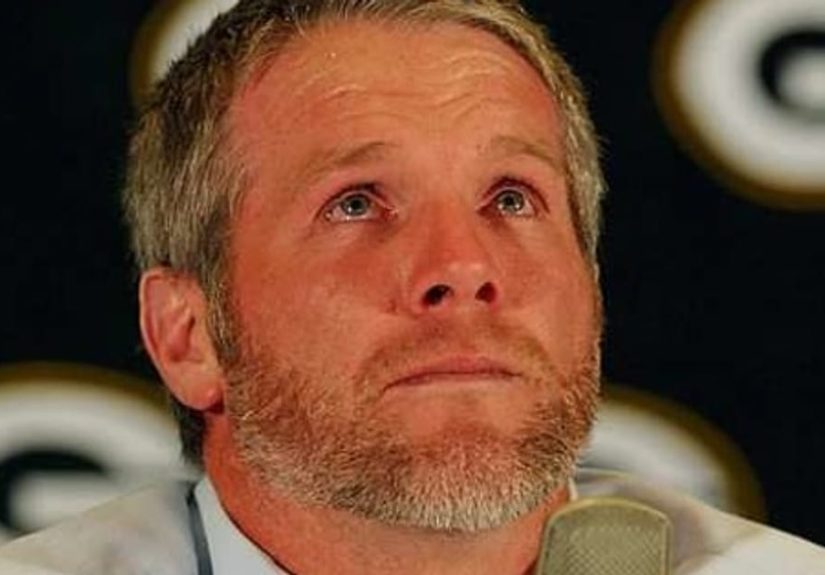
Brett Favre: The Never-Ending Retirement Saga
If you ever felt like Brett Favre retired “every offseason,” you’re not wrong. The Hall of Fame quarterback spent 20 seasons in the NFL, most famously with the Green Bay Packers. Toward the end, though, his retirement and comeback cycle became a storyline of its own.
Favre first announced his retirement in 2008, then un-retired to play for the New York Jets. He retired again, then came back to join the Minnesota Vikings, where he had an incredible 2009 season that nearly sent the team to the Super Bowl. After that, however, things went downhill: his 2010 season was plagued by injuries and declining performance, and the once-indestructible ironman started to look every bit his age.
In recent years, Favre has spoken about brain injuries and has publicly revealed a Parkinson’s diagnosis, which he suspects is connected to the hits he took throughout his career. His story shows how long careers in high-impact sports can echo into retirement, physically and emotionally, long after the final game.
Tom Brady: Even the GOAT Can’t Outrun Time
Tom Brady is the football unicorn who seemed to age in reverse. He won a Super Bowl at 43, led the Tampa Bay Buccaneers to a title, and made “playing into your mid-40s” sound almost normal. But even Brady couldn’t fully escape the “retire or keep going?” trap.
In early 2022, Brady announced his retirementthen changed his mind just 40 days later, returning for another season in Tampa Bay. That 2022 season was statistically solid but far from magical; the Bucs finished with a losing record and exited the playoffs early. Many fans and commentators argued that Brady should have walked away after his Super Bowl win instead of grinding through a frustrating final year and another round of speculation.
Even after officially retiring (again), he’s joked about or hinted at hypothetical comebacks if the right team called. It’s a reminder that even for the most accomplished player ever, closing the book can be emotionally complicated.
Sugar Ray Leonard and Other Boxers Who Came Back Too Often
Boxing may be the harshest sport when it comes to hanging on too long. Sugar Ray Leonard is a classic example. After multiple retirements, he kept coming back for “one more big fight,” each return a little less sharp than the last. Other stars like Julio César Chávez Sr., Roy Jones Jr., and many more fought deep into their late 30s and 40s, long after their reflexes had faded.
In boxing, the cost of staying too long isn’t just losing fightsit’s long-term brain health. Repeated head trauma can contribute to chronic traumatic brain injury and neurodegenerative conditions. For many fighters, the temptation to keep goingwhether for pride, money, or bothhas lifelong consequences.
Superstars in the Wrong Jersey: When Final Acts Fall Flat
A lot of legendary careers end not with a fairy-tale championship but with a strange final chapter in an unexpected uniform. Think of:
- Joe Namath finishing with the Los Angeles Rams
- Hakeem Olajuwon playing for the Toronto Raptors
- Franco Harris ending his career with the Seattle Seahawks
- LaDainian Tomlinson closing things out with the New York Jets
None of these stints ruined their legacies, but they did illustrate what happens when stars stretch out their careers searching for one last spark. Fans who grew up watching them dominate in one city suddenly had to adjust to seeing them as role playersor even bench playerssomewhere else.
The Real Costs of Retiring Too Late
Staying in the game for too long isn’t just about awkward stats or “looking washed.” The costs are very real, and they come in several forms.
Physical and Brain Health
In collision and contact sportsfootball, boxing, hockey, MMAthe extra seasons can mean hundreds more hits, each one nudging the brain and body further toward long-term damage. Conditions like Parkinson’s disease and chronic traumatic encephalopathy (CTE) are increasingly linked to repeated head trauma. We’ve seen former players and fighters speak out about memory loss, depression, and neurological issues they connect to their playing days.
Even in “non-contact” sports, extra years bring more wear and tear: chronic knee damage in basketball, back and hip problems in golf, and degenerative joint issues nearly everywhere. A few more years of play can mean a lifetime of pain.
Mental Health and Emotional Crash Landings
When an athlete finally does retireespecially after staying too longthe emotional crash can be intense. They may feel regret: I should have left earlier. They may deal with public criticism, jokes about their last season, or constant replays of their mistakes. That’s a tough way to end an otherwise legendary career.
On top of that, they still have to navigate the usual transition challenges: finding a new purpose, building a life without constant competition, and dealing with more quiet days than they’ve ever had.
Legacy and Public Memory
Most fans remember the peak, but the final act still matters. When a player dominates for a decade and then limps through three or four painful seasons, the conversation around them shifts. Instead of “unstoppable,” you start hearing words like “shell of himself,” “hanger-on,” or “didn’t know when to quit.”
Fair or not, those last images often end up in the highlight (or lowlight) reel when people talk about their career. For athletes who care deeply about how they’ll be remembered, that can sting more than any injury.
When Playing Late Actually Works Out
To be fair, not every late-career run is a disaster. Some athletes manage to defy time gracefully:
- Jaromír Jágr played elite hockey into his 40s and remained productive long after most players had retired.
- Tom Brady won a Super Bowl at 43, showing that, with the right system, conditioning, and luck, late-career excellence is still possible.
- Some boxers and swimmers have successfully returned from retirement for one last strong run, carefully choosing their comebacks and knowing when to stop again.
The difference? These athletes usually have a very clear plan, strict conditioning, strong support systems, and enough self-awareness to recognize when the magic is fading.
How Athletes (and the People Around Them) Can Do Better
So what can be done to avoid those painful, drawn-out endings?
Better Medical Honesty
Teams, leagues, and doctors need to be brutally honest about risk. If neurological signs are appearing, if injuries aren’t healing, or if reaction times are obviously declining, someone besides the athlete has to say, “This isn’t safe anymore.”
Planning for Life After Sports
Retiring is easier when you’re retiring to something, not just from something. Athletes who develop interests in coaching, business, broadcasting, philanthropy, or completely different careers often handle retirement more smoothly. They’re not just walking away from their identitythey’re evolving it.
Fans and Media: Less Shaming, More Perspective
Fans love drama, and it’s easy to turn late-career struggles into memes. But most of these athletes are pushing themselves because they love the game and have spent decades competing at the highest level. Criticism is part of sports, but empathyrecognizing how hard it is to leave behind something you lovecan go a long way.
Experiences and Lessons About Waiting Too Long to Retire
You don’t have to be a Hall of Famer to understand what it feels like to stay too long. Talk to anyone who’s played in a local soccer league, pickup basketball game, or weekend softball team, and you’ll hear similar stories: “I kept playing on that bad knee,” “I went back too soon after surgery,” or “I stayed on the team because I didn’t want to admit I couldn’t hang anymore.”
These smaller-scale experiences mirror what elite athletes go through, just without the national TV cameras. Maybe you’ve been there yourself: you sign up for one more season, hoping the old spark will return. Instead, you find yourself a step slower, needing two days to recover from what used to be a casual run, and wondering why your body is so loudly protesting what your brain still thinks is normal.
Coaches see it all the time. They’ll tell stories of star players who stayed past their peak and younger athletes who never got a chance to develop because the veteran didn’t want to give up their spot. They’ll also talk about players who did it rightwho retired while they were still effective, helped mentor the next generation, and left on good terms with their body and their team.
Former pros often describe two very different feelings. Some regret staying too long: the last injury that never quite healed, the constant soreness, the disappointment of being remembered for that one slow, sad season instead of their years of dominance. Others regret leaving too early, feeling like they still had more to give. That tensionbetween fear of missing out and fear of staying too longis at the heart of almost every retirement story.
One common theme from athletes who say they wish they’d retired earlier is this: the people around them saw the decline before they did. Teammates, trainers, spouses, and close friends often noticed changes in mood, performance, and recovery long before the athlete was ready to admit it. For many, the most helpful thing wasn’t advice about money or fameit was someone they trusted gently saying, “You’ve already proved everything you need to prove.”
There’s also a powerful lesson here for anyone in a high-pressure career, not just sports. Knowing when to move onto a new job, a new role, or a slower paceis a skill. It requires self-awareness, long-term thinking, and courage. Staying too long in anythinga job, a team, even a lifestylecan lead to burnout, resentment, or health issues.
The athletes who handle retirement well tend to approach it like training. They prepare early, build routines, explore interests outside their sport, and surround themselves with people who care about them as human beings, not just performers. They understand that stepping away isn’t quittingit’s choosing a different challenge. And they accept that the goal is not to defeat time, but to leave the game with enough health, joy, and energy left to fully live the decades that come after.
Conclusion: Leave Before the Game Leaves You
When you look at athletes who waited too long to retire, you don’t just see stats and box scoresyou see complicated human stories. Pride, fear, love of the game, money, pressure, and identity all collide in a single decision: stay or go.
The truth is, Father Time never loses. The real victory is knowing when to step aside on your own terms. For future athletesand the rest of usthe lesson is simple but powerful: it’s better to leave a little too early with your health, dignity, and legacy intact than a little too late, hoping for one more miracle that never comes.