Table of Contents >> Show >> Hide
- What causes the “pop” when you crack your back?
- Potential benefits of cracking your back
- The risks of back cracking
- Myths that deserve to be gently yeeted into the sun
- Safer ways to get the same relief (without treating your spine like bubble wrap)
- If you’re considering chiropractic adjustment or spinal manipulation
- Quick FAQ: Back cracking in real life
- 500+ words of real-world experiences people report (and what they usually mean)
- Conclusion
If you’ve ever twisted, stretched, or stood up like a human pretzel and heard your back go
pop-pop-pop, you’re not alone. Back cracking is one of those oddly satisfying habits that can feel
like hitting “refresh” on your spineuntil the little voice in your head says, “Wait… am I breaking myself?”
Here’s the real deal: back cracking can be harmless for many people, sometimes even temporarily
relieving tightness. But it can also be a sign you’re using your spine like bubble wrapor masking an issue
that needs better solutions than a daily twist-and-pray routine.
What causes the “pop” when you crack your back?
1) Joint cavitation (the “gas bubble” explanation)
Many spine “pops” come from jointsespecially the small joints in the back called facet joints. These joints
(like other synovial joints in your body) contain fluid that lubricates movement. When you stretch or twist
in a way that changes pressure inside the joint, dissolved gases can form bubbles and release quickly.
That rapid change can create the cracking sound. In other words: it’s often physics, not your bones grinding
like haunted house floorboards.
This helps explain why you can’t usually crack the exact same spot repeatedly every five seconds. The joint
needs time before it can “pop” again. So if your back is cracking nonstop with every tiny move, the sound
may be coming from something else.
2) Tendons and ligaments shifting (the “snap”)
Sometimes the noise isn’t a joint bubble at allit’s soft tissue. Tendons and ligaments can shift slightly
over bony areas and then “snap” back into place as you move. This is common around shoulders, hips, knees,
and yescertain areas around the spine and ribs. If it’s painless and occasional, it’s often just your body’s
soundtrack.
3) Crepitus (the “crunchy” noises)
Crepitus is a medical term for crackling, grinding, or crunching sounds. It can happen for many reasons:
normal joint mechanics, tissue moving, or changes in cartilage over time. The key difference is how it feels:
painless crepitus is often not a big deal, but crepitus with pain, swelling, or instability deserves attention.
Potential benefits of cracking your back
1) Temporary relief from tightness or pressure
People often crack their backs because it feels goodlike releasing pressure in a “stuck” area. That sensation
may come from stretching tissues, changing joint pressure, and calming down protective muscle tension.
The benefit is usually short-term: minutes to a few hours, sometimes longersometimes not at all.
2) A short-term boost in mobility
A well-timed stretch or movement can temporarily improve range of motion. That doesn’t mean you “realigned”
your spine. It usually means your nervous system is allowing more motion and your muscles are less guarded.
Think of it as your body saying, “Okay, I’ll let you move more,” not “Congrats, you assembled your spine correctly.”
3) Pain modulation (your brain matters here)
Pain isn’t only about tissuesit’s also about the nervous system’s interpretation of threat. Certain movements,
manual therapies, or even a satisfying pop can change sensory input enough to reduce pain temporarily.
That’s real, but it’s also why a pop can feel amazing one day and do absolutely nothing the next.
The risks of back cracking
For most healthy adults, occasional painless back popping during normal movement isn’t automatically dangerous.
The bigger concerns usually come from how you crack your back, how often you do it,
and what symptoms you’re ignoring.
1) Soreness, stiffness, or a “worse before better” day
Even professional spinal manipulation can cause short-lived side effects like soreness, stiffness, or temporary
discomfort. With self-cracking, especially aggressive twisting, you can also irritate muscles and joints.
Mild symptoms that resolve quickly are common. Persistent or escalating pain is not.
2) Sprains and joint irritation from aggressive twisting
When you repeatedly crank on your spineespecially rotation-based “twist until it pops” movesyou can
irritate facet joints, strain surrounding muscles, or aggravate sensitive tissues. Over time, some people
end up chasing the pop and getting stuck in a loop: crack → brief relief → tight again → crack harder.
That’s not a win. That’s just a subscription plan your back didn’t ask for.
3) Hypermobility in one area, stiffness in another
A common pattern: the parts of your spine that move easily are the ones you can crack. The parts that are stiff
(often thoracic spine, hips, or certain segments) may stay stiff. If you keep forcing motion in the already-mobile
segments, you may build more mobility where you don’t need itwhile the “real” restriction stays the same.
This can contribute to ongoing discomfort and a feeling of instability in certain positions.
4) When cracking is a bad idea
Avoid self-cracking and be cautious with any manipulation if you have conditions that weaken bone or compromise
spinal stability. Examples include:
- Osteoporosis or known vertebral compression fractures
- Spinal cancer, infection, or unexplained weight loss with back pain
- Inflammatory arthritis affecting the spine
- Recent trauma (car accident, fall) or suspected fracture
- Numbness, weakness, or symptoms traveling down the legs
- Loss of bladder/bowel control or numbness in the groin/saddle area (emergency)
5) A quick note about neck cracking vs back cracking
This article is about the back, but it’s worth saying: high-velocity neck manipulation carries different concerns
than low back or mid-back techniques. If you’re a “crack my neck daily” person, consider switching to gentler mobility
and stability workand talk with a qualified clinician if symptoms persist.
Myths that deserve to be gently yeeted into the sun
Myth: “I’m putting my spine back into place.”
Most of the time, the pop is not a vertebra “slipping back in.” It’s usually cavitation or tissue movement.
If something were truly dislocated in your spine, you’d have far bigger problems than “ahhh, that felt nice.”
Myth: “Cracking causes arthritis.”
The old “Stop cracking or you’ll get arthritis!” warning is mostly aimed at knuckles, and the evidence doesn’t support
the idea that cracking alone causes arthritis. For backs, the bigger issue is not “arthritis from popping”it’s whether
you’re irritating tissues, relying on cracking instead of strengthening, or ignoring red flags.
Safer ways to get the same relief (without treating your spine like bubble wrap)
1) Try “movement snacks” instead of mega-twists
If your back feels tight from sitting or stress, frequent gentle movement often beats one dramatic twist.
Consider:
- Standing up every 30–60 minutes
- Easy thoracic rotations (slow, controlled, no forcing)
- Cat-cow or child’s pose breathing
- Walking for 5–10 minutes
2) Build a spine that doesn’t need “emergency pops”
For recurring tightness, the long-term fix is often strength + endurance:
- Core endurance: dead bug variations, side planks, bird-dogs
- Hip strength: glute bridges, step-ups, hip hinges
- Upper back support: rows, band pull-aparts, scapular control work
You don’t need to become a powerlifter. You just want your muscles to stop outsourcing stability to “crack and hope.”
3) Use heat, sleep, and stress management like they actually matter (because they do)
Heat can relax muscle guarding. Sleep helps recovery. Stress can amplify muscle tension and pain sensitivity.
If your back cracking habit spikes during stressful weeks, it’s not your spine being dramaticit’s your nervous system.
If you’re considering chiropractic adjustment or spinal manipulation
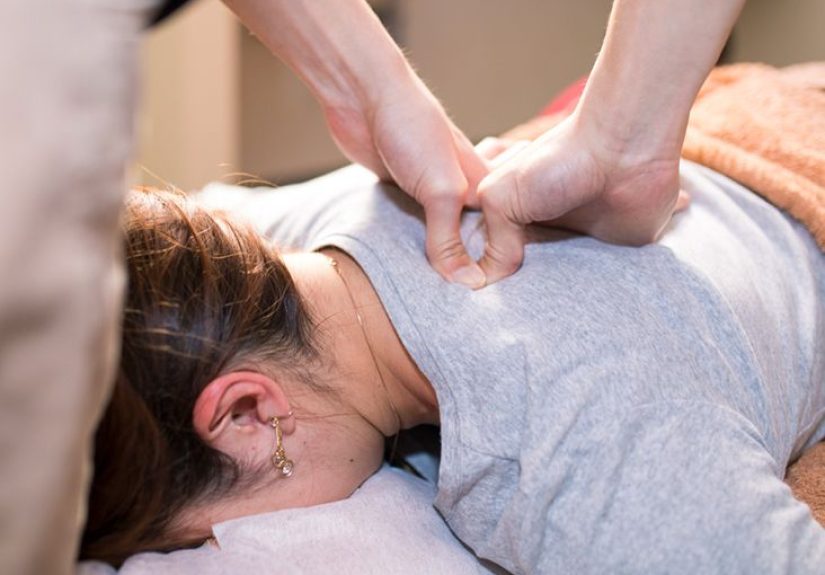
Spinal manipulation (done by chiropractors and sometimes by other licensed clinicians such as osteopathic physicians,
physical therapists in certain settings, or trained providers) can help some types of low back painespecially as part
of a broader plan that includes exercise and self-care.
How to choose a good provider
- They take a real history, screen for red flags, and explain what they’re doing.
- They don’t promise to cure everything from allergies to your love life with one adjustment.
- They include movement/exercise guidance (not only “come back forever”).
- They communicate clearly about expected benefits, limitations, and potential side effects.
Smart questions to ask
- “What’s the diagnosis or working theory for my pain?”
- “What improvements should I expectand how soon?”
- “What are the risks in my case?”
- “What can I do at home so I don’t need constant visits?”
Quick FAQ: Back cracking in real life
Is it bad if my back cracks when I stretch?
If it’s occasional and painless, it’s often normal. If it’s painful, frequent, or paired with swelling, instability,
numbness, or weakness, it’s worth getting checked out.
Why does cracking feel so good?
Likely a mix of joint pressure change, muscle stretch, nervous system relaxation, and a “reset” sensation.
Relief doesn’t automatically mean you fixed the root cause.
Can I crack my back too much?
You can overdo anything. If you’re cracking multiple times daily, feeling dependent on it, or noticing worsening pain,
you’re getting diminishing returnsand possibly irritating tissues or feeding a hypermobility/stiffness imbalance.
500+ words of real-world experiences people report (and what they usually mean)
Let’s talk about the “lived experience” side of back crackingbecause this habit doesn’t happen in a vacuum.
The stories below are common patterns people describe. They’re not a diagnosis, but they can help you recognize
whether you’re dealing with normal noises, a coping strategy, or a signal that your body wants a different plan.
The Desk-Sitter Pop
Experience: “By 3 p.m., my mid-back feels like a tight rubber band. I lean back in my chair, twist a little, and it pops.
Instant reliefthen it’s back tomorrow.”
What it often means: Prolonged sitting can make your upper back and ribs feel stiff while your neck and low back
pick up the slack. Cracking may temporarily reduce the sensation of tightness, but the real solution is usually
movement: standing breaks, gentle thoracic mobility, and strengthening your upper back so it can share the workload.
The “I Need to Crack Before I Work Out” Ritual
Experience: “I can’t start my workout until my lower back pops. If it doesn’t pop, I feel ‘off’ and worry I’ll get hurt.”
What it often means: This can become a nervous-system routineyour brain associates the pop with readiness and safety.
The good news: you can replace it. Try a warm-up that gives the same ‘ready’ signal without forcing a crack: hip hinges,
glute activation, dead bugs, and a brisk walk. Over time, your body can learn that stabilitynot poppingis the real green light.
The Stress Crack (a.k.a. “My Back Is an Anxiety Barometer”)
Experience: “When I’m stressed, my shoulders creep up, my back feels tight, and I crack more. It’s like I’m trying to
wring out tension like a wet towel.”
What it often means: Stress increases muscle tension and can turn normal sensations into “must fix now” alarms.
If cracking becomes your main stress relief, add tools that calm your system more effectively: breathing drills,
short walks, heat, gentle yoga flows, and better sleep consistency. You’re not weakyou’re human. Your spine is just
doing an impression of your inbox.
The “It Pops but It Hurts” Moment
Experience: “My back popped and it actually hurtlike a sharp pinch. Now I’m nervous to move.”
What it often means: Pain changes the game. A painful pop may indicate a strained muscle, irritated facet joint,
rib irritation, or a movement that didn’t agree with your tissues that day. Usually, the next best step is not more cracking.
It’s calming things down (relative rest, gentle movement, heat/ice as preferred) and watching for red flags like
radiating leg symptoms, weakness, numbness, fever, or worsening pain.
The “Chiropractic Pop Was Great… Then It Faded” Story
Experience: “After an adjustment, I felt lighter and looser. But the tightness returned within a day or two.”
What it often means: Manual therapy can be a helpful short-term pain modulatorespecially for certain low back pain
but it’s rarely a stand-alone forever fix. The best outcomes often happen when the relief becomes a window of opportunity:
you use that improved comfort to move more, build strength, and change the habits that keep the area cranky.
Think of the pop as opening the door, not carrying you through it.
Conclusion
Back cracking is usually a soundsometimes paired with a satisfying sense of releasenot a magical “spine reset.”
For many people, occasional painless popping during stretching or normal movement is harmless. The bigger question is
whether you’re using back cracking as a quick fix for a problem that really needs mobility, strength, better movement habits,
or medical evaluation.
If cracking is frequent, painful, or paired with symptoms like numbness, weakness, radiating leg pain, or changes in
bladder/bowel function, skip the self-adjustment experiments and talk to a qualified healthcare professional.
Your back is allowed to make noisebut it shouldn’t be sending SOS messages in Morse code.