Table of Contents >> Show >> Hide
- What Is Basil Pesto, Really?
- Classic Basil Pesto Recipe
- Tips for the Best Basil Pesto (No Bitter, Muddy Sauce Allowed)
- Variations and Substitutions
- How to Use Basil Pesto
- How to Store and Freeze Basil Pesto Safely
- Common Basil Pesto Problems (and How to Fix Them)
- Real-Life Experiences & Extra Tips for Making Basil Pesto
If summer had a flavor, it would taste like basil pesto: bright, garlicky, a little nutty, and capable of rescuing
every “I-don’t-feel-like-cooking” night. The best part? This gorgeous green sauce takes about 10 minutes to make and
instantly turns basic pasta, sandwiches, pizzas, and grilled chicken into something that feels restaurant-level.
In this guide, you’ll get a reliable, classic basil pesto recipe plus plenty of tips from Italian cooks and modern
test kitchens on how to keep it vibrant, avoid bitterness, and store it safely. We’ll also talk about smart swaps,
creative ways to use pesto, and some real-world “I learned the hard way” experiences so you don’t have to make the
same mistakes.
What Is Basil Pesto, Really?
Classic basil pesto (pesto alla Genovese) is an uncooked Italian sauce traditionally made by pounding fresh basil
leaves, garlic, pine nuts, Parmigiano-Reggiano, Pecorino, and olive oil in a mortar and pestle until thick and
creamy. Modern home cooks usually reach for a food processor or blender, but the idea is the same: a concentrated
herb sauce that packs a ton of flavor into a spoonful.
The word pesto comes from the Italian pestare, meaning “to pound” or “to crush.” So while basil is
the most famous version, the technique works with many leafy greens and nuts. But for this article, we’re focusing
on the OG: a classic basil pesto recipe that tastes fresh, balanced, and not bitter.
Classic Basil Pesto Recipe
Ingredients
Here’s what you’ll need for about 1 cup of pesto (enough to coat 12–16 ounces of cooked pasta):
- 2 packed cups fresh basil leaves (stems removed)
- 1/3 cup pine nuts (or walnuts for a budget-friendly version)
- 2–3 garlic cloves, peeled (start with 2 if you’re garlic-shy)
- 1/2 cup freshly grated Parmesan cheese (or a mix of Parmesan and Pecorino)
- 1/2 cup extra-virgin olive oil, plus more as needed
- 1–2 tablespoons fresh lemon juice (optional but highly recommended)
- 1/4–1/2 teaspoon fine sea salt, to taste
- Freshly ground black pepper, to taste
Ingredient notes:
- Basil: Use fresh, bright green leaves. Avoid leaves that are blackened or slimy.
- Nuts: Pine nuts are traditional, but walnuts or almonds work. Toasting them lightly boosts flavor.
- Cheese: Freshly grated Parmesan or a mix of Parmesan and Pecorino gives depth and saltiness.
- Olive oil: Reach for a mild, good-quality extra-virgin oil; overly bitter oils can make your pesto harsh.
- Lemon juice: Not strictly traditional, but it brightens flavor and helps prevent browning.
Step-by-Step Instructions
- Prep the ingredients.
Rinse and thoroughly dry the basil leaves. Any extra water can dilute the flavor. If you like, lightly toast your
nuts in a dry skillet over low heat for 3–5 minutes, stirring frequently, until fragrant. Let them cool. - Pulse the dry ingredients first.
In a food processor, add the nuts and garlic. Pulse several times until finely chopped. Add the basil leaves,
salt, and a few grinds of black pepper. Pulse again until the basil is finely minced but not a paste yet. Scrape
down the sides as needed. - Stream in the olive oil.
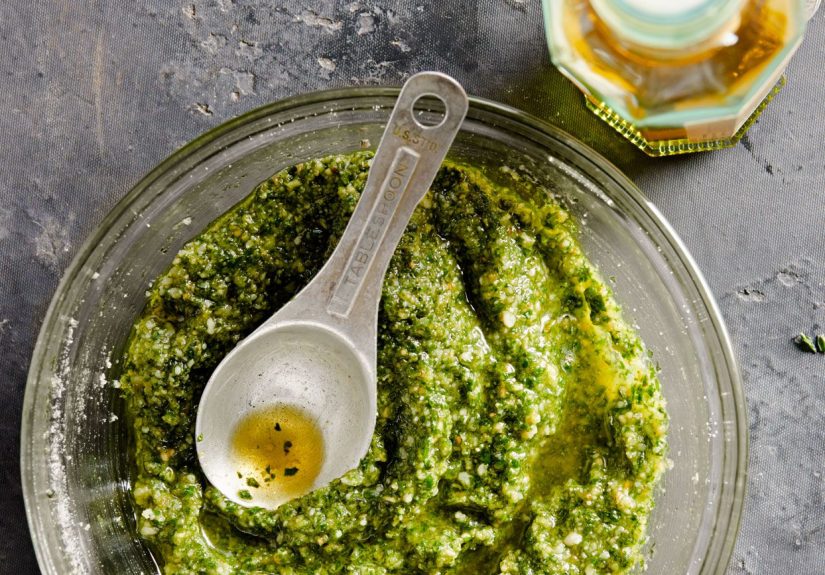
With the processor running on low, slowly drizzle in the olive oil. Stop once you have a loose, spoonable sauce.
You want it thick but still pourablekind of like a creamy salad dressing, not cement. - Stir in the cheese by hand.
Transfer the mixture to a bowl and stir in the grated Parmesan (and/or Pecorino). This helps keep the texture
from getting gummy and gives you more control over consistency. - Add lemon juice and adjust seasoning.
Stir in 1 tablespoon of lemon juice and taste. Add more lemon if you like it brighter. Adjust salt and pepper
until the pesto tastes vivid and balancedslightly salty, pleasantly garlicky, and rich. - Serve or store.
Use immediately or transfer to an airtight container. Level the top and pour a thin layer of olive oil over the
surface to keep it from oxidizing and turning brown.
Tips for the Best Basil Pesto (No Bitter, Muddy Sauce Allowed)
1. Use Fresh, Non-Bitter Ingredients
Most “why is my pesto bitter?” problems come from one of three culprits: old nuts, harsh olive oil, or overworked
basil. Always taste your nuts and oil before using them. If they taste rancid or extremely sharp on their own,
they’ll only get louder in the pesto.
2. Don’t Overblend
High-speed blending can heat the basil, causing discoloration and a slightly cooked flavor. Instead of running your
food processor nonstop, use short pulses. You want a slightly rustic, textured sauce, not a baby-food puree.
3. Balance the Flavor
If your pesto tastes flat, add a pinch of salt or extra cheese. If it’s too sharp or bitter, a splash of lemon juice
or a bit more cheese and nuts can round it out. Tiny tweaks go a long way.
4. Keep It Green
Basil darkens when exposed to air and heat. To help keep your pesto bright:
- Use chilled ingredients (bowl, basil, and oil) if your kitchen is warm.
- Work quickly, and don’t let the processor run too long.
- Store finished pesto with a thin layer of olive oil on top in an airtight container.
Variations and Substitutions
Once you nail the classic basil pesto recipe, you can start riffing. Think of pesto as a formula:
greens + nuts + cheese + olive oil + flavor boosters. Here are some popular twists:
- Nut swaps: Use walnuts, almonds, pistachios, or cashews instead of pine nuts. Walnuts are common
and affordable; pistachios give a slightly sweet, luxe flavor. - Cheese swaps: Try a blend of Parmesan and Pecorino Romano for extra tang. For a milder taste, use
all Parmesan. - Dairy-free pesto: Omit the cheese and add 1–2 tablespoons of nutritional yeast for savory,
cheesy notes. You may need a bit more salt. - Mixed herb pesto: Replace up to half of the basil with parsley, arugula, or spinach. This can
soften basil’s intensity and stretch smaller bunches. - Spicy pesto: Add a pinch of red pepper flakes or a small piece of fresh chili for a subtle kick.
How to Use Basil Pesto
The obvious move is pesto pasta, but this sauce is way more versatile than that. Here are some ideas to get you
started:
- Pasta: Toss warm cooked pasta with a few tablespoons of pesto and a splash of pasta cooking
water to thin it. Finish with more cheese and a drizzle of olive oil. - Pizza: Use pesto in place of tomato sauce on pizza. Top with mozzarella, cherry tomatoes, and a
little extra Parmesan. - Sandwiches & wraps: Spread pesto on bread instead of mayo. It pairs especially well with
turkey, grilled vegetables, or fresh mozzarella and tomato. - Eggs: Swirl pesto into scrambled eggs or spoon it over a fried egg on toast. Instant brunch upgrade.
- Protein topper: Spoon over grilled chicken, salmon, shrimp, or tofu for a fast, flavorful sauce.
- Salads and bowls: Thin pesto with a little lemon juice or water to make a punchy salad dressing
or grain-bowl drizzle.
How to Store and Freeze Basil Pesto Safely
Fresh pesto keeps well if you store it correctly. Here’s how to keep it tasting great and looking green:
Short-Term Storage (Refrigerator)
- Transfer pesto to a small airtight container.
- Level the top and pour a thin layer of olive oil over the surface to protect it from air.
- Refrigerate for up to 4–5 days.
If the top darkens slightly, don’t panic. Stir it; the sauce underneath is usually still bright and delicious.
Freezing Pesto
For longer storage, freezing is your friend. Pesto freezes beautifully, especially in small portions:
- Spoon pesto into an ice cube tray or silicone mold, leaving a little room for expansion.
- Cover and freeze until solid, then pop out the cubes.
- Store cubes in a labeled freezer bag or container for up to 3–6 months for best flavor.
You can freeze pesto with or without cheese. Some cooks prefer to leave the cheese out and stir it in after
thawing for a fresher flavor and smoother texture.
To use frozen pesto, drop a cube or two into hot pasta, soups, or sauces, or thaw in the fridge overnight. No need
to fully melt it before it hits warm foodit will loosen quickly.
Common Basil Pesto Problems (and How to Fix Them)
“My Pesto Is Bitter”
Try these fixes:
- Taste your olive oil and nuts separately; if either tastes harsh or stale, that’s your culprit.
- Stir in more cheese and nuts to soften the bitterness.
- Add 1–2 teaspoons of lemon juice to brighten and balance the flavors.
- Make sure you’re not using too much garlic; raw garlic can be sharp. Use fewer cloves or briefly toast them.
“My Pesto Turned Brown”
Brown pesto is usually the result of oxidation. It’s still safe to eat if it smells fine, but:
- Next time, work faster and keep ingredients cool.
- Store with a layer of olive oil on top and use airtight containers.
- Consider adding a small splash of lemon juice to slow browning.
“My Pesto Is Too Thick or Too Thin”
If your pesto is too thick, loosen it with a bit more olive oil or a spoonful of pasta cooking water. If it’s too
thin, stir in more basil, nuts, or cheese until the texture is creamy and coats a spoon.
Real-Life Experiences & Extra Tips for Making Basil Pesto
Every home cook has at least one pesto story. Maybe it’s the time you proudly brought a jar to a party only to
discover it had turned a tragic shade of swamp green, or the time you learned that “just one more clove of garlic”
can absolutely be one clove too many.
One of the biggest lessons you learn with pesto is that freshness really matters. The first time
you make it with basil you grabbed at its peakleaves still perky, smelling like a summer gardenyou notice the
difference immediately. The sauce tastes brighter, sweeter, and more herbal. Compare that to a batch made from
basil that’s been stuffed in the back of the fridge for a week: the flavor is duller, and you’ll probably be
tempted to “fix” it by throwing in more garlic or salt, which can easily tip things out of balance.
Another common experience: realizing that pesto is not just a pasta sauce, it’s a meal saver. Keep a jar in
your fridge or a stash of cubes in the freezer, and suddenly you’re never more than 15 minutes from a decent dinner.
Toss pesto with hot pasta and a handful of frozen peas, spoon it over roasted potatoes, or smear it on toast with a
fried egg. When you start thinking of pesto as a condiment, not just a recipe, it becomes one of the hardest-working
things in your kitchen.
Many cooks also learn the “don’t overthink it” rule the fun way. Yes, there are traditional methods, and yes, an
Italian nonna might side-eye your food processor. But if the choice is between a slightly rustic, processor-made
basil pesto and no pesto at all, the food processor wins. The key is treating the ingredients gentlypulse instead
of blitzing, and taste as you go. You’re not trying to win a culinary contest; you’re just trying to make your
Tuesday night pasta a little less sad.
If you cook for different dietssay, one dairy-free friend, one gluten-free guest, and one person who claims to
“hate green stuff”pesto can still work. For dairy-free versions, a good nutritional yeast can mimic some of the
savory depth of cheese. Gluten-free eaters can enjoy pesto on rice, potatoes, polenta, or gluten-free pasta. And
the green-haters? They usually soften once you fold pesto into something comforting like mashed potatoes or a creamy
dip. It goes from “scary green sauce” to “wow, what did you put in this?” pretty quickly.
Storage is another area where experience teaches you a lot. Most of us have learned that pushing pesto to the back
of the fridge for “later” is how you end up scraping the top and wondering if it’s still okay. Freezing small
portions is a game changer. Pesto cubes in the freezer mean you can use exactly what you need, when you need it.
Drop one into a pan of sizzling vegetables, whisk another into mayo for a sandwich spread, and suddenly you’ve
created three different meals from the same batch.
Over time, you’ll probably develop your own signature pesto. Maybe you always add a bit of lemon because you love
the brightness, or you swear by a walnut-and-Parmesan combo. Maybe you use half basil, half parsley because your
garden produces more parsley than you know what to do with. That’s the real joy of a basil pesto recipe: it starts
as a classic, but it becomes uniquely yours the more you play with it.
The bottom line: making basil pesto is low-effort, high-reward cooking. Once you master the basicsfresh basil,
good olive oil, decent cheese, and a bit of restraint with the garlicyou’ll have a go-to green sauce that can
brighten up almost anything on your plate. And if you accidentally go overboard and create a garlic bomb? Well,
there’s always more pasta water, more cheese, and a mental note for next time.
SEO JSON