Table of Contents >> Show >> Hide
- Why “Just One More Bin” Usually Backfires
- The 7 Questions to Ask Before You Buy Another Storage Bin
- 1) What am I actually trying to storeand how much of it do I truly need?
- 2) Do I already own something that can do this job?
- 3) Where exactly will this bin liveand have I measured that space?
- 4) How often will I access what’s inside?
- 5) Is this the right material for the environment I’m storing it in?
- 6) Will this bin work as part of a system I can expandor am I buying a one-off?
- 7) Am I buying this to solve a real problemor to procrastinate decluttering?
- A Quick “Bin Buying” Checklist (So You Don’t Come Home With Another Empty Promise)
- Common Storage Bin Traps (Even If They’re On Sale)
- How to Choose the Right Storage Bin Once You’ve Earned It (Yes, You Can Earn Bins)
- Labeling and Maintenance: How to Keep Bins From Becoming “Hidden Clutter”
- Bonus: of Real-World Experiences Organizers See (So You Can Skip the Pain)
- One Last Thing
If your home has a “bin drawer” (you know, the one where spare lids go to start a second life as frisbees),
you’re not alone. Storage bins feel productivelike you’re one checkout receipt away from becoming
the kind of person who alphabetizes their spices and never loses a charger.
But pro organizers have a gentle warning: buying containers too early (or too impulsively) can create a new
category of clutterunused organizing products. In other words: the bins become the mess.
Before you bring home “just one more,” pause and ask yourself these seven questions organizers swear by.
Why “Just One More Bin” Usually Backfires
Most bin-buying problems aren’t about the bin. They’re about skipping the boring-but-magical steps:
decluttering, defining what the space needs to do, measuring, and choosing a system you can actually keep up.
A bin can’t fix a system problemespecially if the “system” is currently “shove it in there and hope.”
The goal isn’t to own more containers. It’s to create a home where your stuff has a homeone that fits your
routine, your storage space, and your tolerance for maintenance (because some organizing setups are basically
unpaid internships).
The 7 Questions to Ask Before You Buy Another Storage Bin
1) What am I actually trying to storeand how much of it do I truly need?
Start with the least glamorous task: inventory. What items are you storing? How many?
What sizes and shapes? “Holiday décor” could mean six delicate ornaments… or a full inflatable snowman
collection that has achieved sentience.
Then ask the follow-up that saves the most money: Do I need all of it? If you haven’t used
something in years, if it’s expired, broken, or “kept just in case” since 2017, a bin won’t make it more useful.
Decluttering first helps you buy containers for what you’re keepingnot what you’re avoiding deciding about.
Example: You want bins for a linen closet. Before shopping, pull everything out and group it:
bath towels, hand towels, sheets, guest items. If you have 14 mismatched sheet sets for one bed, your problem
isn’t “lack of bins.” It’s “why do we own a textile museum?”
2) Do I already own something that can do this job?
This is the “shop your house first” question. Many homes already have baskets, boxes, bins, or sturdy bags
that can workespecially while you’re testing a new setup. Temporary containers are a smart way to prove
the system before you invest.
Look for: shoeboxes, small cardboard boxes, tote bags, spare baskets, old drawer organizers, even a clean
shipping box (yes, you’re allowed to reuse that “FRAGILE” boxyour socks will survive).
If the solution works for two weeks, then upgrade to matching containers you actually need.
If it fails, congratulationsyou just saved yourself from buying pretty plastic disappointment.
3) Where exactly will this bin liveand have I measured that space?
This question separates “organized” from “I own a tower of bins that blocks the vacuum.”
Measure the space where the bin will live: width, depth, height, and any weird obstacles
(shelf supports, door hinges, slanted ceilings, that one pipe that ruins everything).
- Closets: Measure shelf depth and doorway clearance (can you pull the bin out without scraping your knuckles?).
- Under-bed: Measure bed clearance and check if carpet makes it tighter.
- Pantry: Measure shelf height and consider whether bins will block visibility.
- Garage/attic: Measure floor-to-ceiling stack height and leave room to lift lids.
Pro tip: plan for “grab space.” A bin that fits by millimeters can be maddening to remove. A tiny bit of
breathing room makes a system easier to maintain.
4) How often will I access what’s inside?
Frequency of use should dictate the container type. Daily items should be easy to see and reach.
Rarely used items can be stored higher, deeper, or more securely.
- Daily/weekly: open-top bins, clear bins, pull-out drawers, or baskets you can grab quickly.
- Seasonal/occasional: lidded bins, stackable totes, sturdier containers for long-term storage.
Ask yourself: will I realistically unlatch a lid, unstack three bins, and dig through a mystery pile to find one thing?
If the answer is “absolutely not,” choose a container that supports your real-life behavior, not your fantasy-self.
5) Is this the right material for the environment I’m storing it in?
Not all storage spaces are created equal. Heat, humidity, dust, pests, and sunlight can damage itemsand
some bins can trap moisture or odors. Match the bin to the room and the stuff.
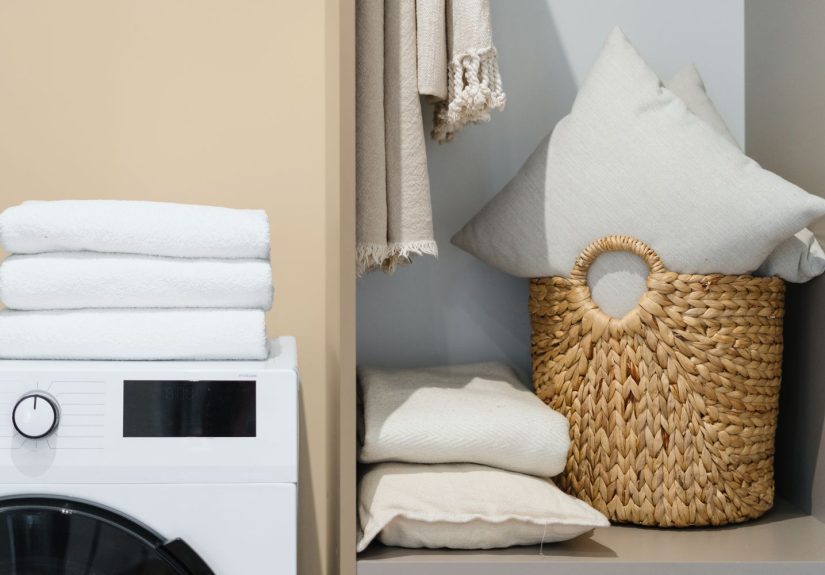
- Bathrooms/laundry: bins with airflow or drainage, materials that tolerate moisture, easy-to-wipe surfaces.
- Garage/attic: heavy-duty totes; consider gasket-sealed lids if dust/pests are a concern.
- Paper/photos: use archival-quality storage instead of basic plastic bins, especially in hot/humid areas.
- Food: use food-safe containers designed for pantry storage; avoid “random bin in a cupboard” situations that invite mystery crumbs.
Also consider visibility: clear bins help you find things fast, but opaque bins can look calmer in living areas.
Choose based on how the space should function and how you want it to feel.
6) Will this bin work as part of a system I can expandor am I buying a one-off?
A common organizing regret: buying a single cute bin, then needing five more… and discovering it was from
a limited run, a clearance oddball, or a “seasonal collection” that has vanished into retail history.
If you’re building a long-term setup (pantry, kid supplies, closet shelves), choose a container line you can
replace or expand later. Consistency matters: stacking works better, labels look cleaner, and the
system stays cohesive instead of turning into a “bin zoo.”
Example: Pantry organization often goes sideways when you mix tall skinny bins, short wide bins,
and one enormous bin that blocks the cereal behind it. A consistent footprint makes it easier to rearrange and maintain.
7) Am I buying this to solve a real problemor to procrastinate decluttering?
Let’s be honest: sometimes buying bins is just retail therapy with a productivity costume. (No judgment
capitalism is persuasive and bins are adorable.)
Ask yourself:
- Is this purchase based on a clear plan for a specific spot?
- Have I already decluttered and categorized?
- Do I know what success looks like in this space (and how I’ll keep it that way)?
- Am I being influenced by a sale, a trend, or a perfectly staged photo where nobody actually lives?
If you can’t answer those confidently, step away from the bin aisle and return to the part that actually changes your home:
decisions, categories, and habits.
A Quick “Bin Buying” Checklist (So You Don’t Come Home With Another Empty Promise)
- Declutter first (keep what you use, love, or genuinely need).
- Group what remains into clear categories.
- Measure the exact storage space and note access needs (doors, shelves, height).
- Decide how often you’ll use the items (daily vs. seasonal).
- Pick a material that fits the environment (humidity/heat/dust).
- Choose a container style that supports your routine (open-top vs. lidded vs. drawer-style).
- Buy the smallest number of bins neededthen adjust after living with the system.
Common Storage Bin Traps (Even If They’re On Sale)
“Miscellaneous” bins that quietly become junk drawers
A bin labeled “misc” is basically a permission slip for chaos. If something doesn’t belong in a category,
it either needs a new category, a new home, or a polite goodbye.
Too many bins that waste space
More bins can mean less usable storageespecially if they’re awkwardly sized, don’t stack well,
or create dead zones on shelves. Sometimes fewer, better-fitting containers create more capacity.
Overstuffing every container “because it fits”
When every bin is packed to the brim, your system becomes fragile. Leave a little breathing room so items
can go back easily. A good rule of thumb: avoid filling storage to 100%space makes maintenance possible.
How to Choose the Right Storage Bin Once You’ve Earned It (Yes, You Can Earn Bins)
After you’ve answered the seven questions, the “right bin” usually becomes obvious. Here are practical
guidelines pros love because they work in real homes with real humans.
Pick the container style based on access
- Open bins/baskets: best for daily drop zones (mail, kids’ shoes, dog gear) and fast tidying.
- Clear bins: best when you need visibility (pantries, craft supplies, backstock toiletries).
- Drop-front or drawer-style: best for stacked storage where lids would be annoying.
- Heavy-duty lidded totes: best for long-term storage (seasonal décor, camping gear, garage tools).
Match the bin size to the category (not your optimism)
Oversized bins invite overfilling. Choose bins that naturally limit the category to what you realistically need.
If “batteries and light bulbs” gets a giant tote, it will eventually include a rogue tape measure and a screwdriver
from 2009. Small categories deserve small containers.
Standardize where it matters most
If you’re organizing a pantry, linen closet, or playroom shelves, consistent container footprints help you
rearrange without starting over. Standardizing also makes labels easier and the space more visually calm.
Labeling and Maintenance: How to Keep Bins From Becoming “Hidden Clutter”
A bin without a label is a mystery novel you have to re-read every time you need one fact. Labels reduce
decision fatigue, help other household members put things away, and keep categories from drifting.
- Write labels based on function: “School Supplies,” “Batteries,” “Gift Wrap,” not “Random.”
- Use subcategories when needed: “Baking” vs. “Cooking,” “Winter Hats” vs. “Summer Hats.”
- Set a reset habit: a 5-minute weekly scan prevents the “bin creep” where categories slowly merge like a bad sci-fi plot.
Bonus: of Real-World Experiences Organizers See (So You Can Skip the Pain)
In real homes, the most common “bin regret” isn’t buying a bad binit’s buying a bin for a problem that wasn’t
fully understood yet. Organizers often walk into a house where someone has already invested in a small army of
containers, but the space still feels chaotic. Why? Because the bins were purchased before the categories were
defined. When categories are fuzzy, bins become catch-alls. The living room “basket” turns into a rotating
exhibit of chargers, crayons, receipts, and a single sock that refuses to explain itself.
Another classic scenario: the “pantry glow-up” that looks gorgeous on day one and collapses by day ten.
The homeowner bought tall clear bins (great!) but didn’t account for how the household actually uses food.
Kids can’t reach the snacks, so they grab whatever is easiest (hello, counter clutter). Or the bins are so tightly
packed that pulling one out feels like a game of Jenga. The fix is rarely dramaticorganizers simply lower the
everyday categories, create a reachable snack zone, and swap a few lidded bins for open-top options where speed matters.
Pro organizers also see the “garage tote tower.” It starts innocently: a couple of big bins for holiday decorations.
Then someone adds camping gear, then sports equipment, then “donation stuff” that never gets donated. Soon you
have a vertical skyline of mismatched totes with lids that don’t match and labels that say things like “XMAS??”
The solution usually includes consolidating categories (holiday décor together, camping together), choosing a
consistent heavy-duty tote size for stackability, andthis part stingsediting duplicates. If you have three
half-empty bins of extension cords, you don’t need more bins. You need fewer cords and a clearly labeled cord bin.
One of the most successful “bin wins” organizers report is using container size as a built-in boundary. For example,
instead of letting “gift wrap” spread across an entire closet, it gets one assigned bin (or two, if you’re truly living large).
When the bin is full, something must be used up or removed before adding more. This keeps categories stable without
constant re-organizing. Another win: testing with temporary boxes first. People often discover they don’t need a bin at all
they need a hook for backpacks, a shelf for shoes, or a simple tray by the door for keys.
The biggest lesson from real organizing sessions is that bins work best when they support a routine you already have
(or one you can realistically adopt). If you naturally toss mail near the entry, give it a small bin and a recycling step.
If you never fold perfectly, choose bins that don’t require perfect folding. Organization sticks when it reduces friction,
not when it demands perfection.
One Last Thing
Storage bins are helpful toolswhen they’re chosen with intention. Ask the seven questions, declutter first,
measure your space, and pick containers that match how you actually live. Your future self will thank you,
and your “bin drawer” might finally retire.