Table of Contents >> Show >> Hide
- What Exactly Is a Beignet?
- Key Ingredients for Authentic Beignets
- The Best Beignet Recipe (Step-by-Step)
- How to Make Beignets
- Tips for Perfect Beignets Every Time
- Flavor Variations and Serving Ideas
- Make-Ahead and Storage
- Frequently Asked Questions About Beignets
- Real-Life Experiences and Extra Tips for Beignet Success
- Conclusion: Your New Favorite Weekend Project
If you’ve ever sat in a New Orleans café, powdered sugar on your shirt and zero regrets in your heart, you already know: a good beignet is not just a pastry, it’s a personality trait. The great news? You don’t need a plane ticket to Louisiana or a Café du Monde souvenir mug to enjoy them. With a little yeast, a warm kitchen, and this in-depth beignet recipe, you can fry up your own batch of hot, fluffy pillows of joy at home.
In this guide, we’ll walk through a classic New Orleans–style beignet recipe, step-by-step techniques, oil temperature tips, and pro-level tricks to get that signature puff and tender crumb. Then we’ll finish with real-life experiences and troubleshooting stories so your first batch feels more like Mardi Gras and less like a baking tragedy.
What Exactly Is a Beignet?
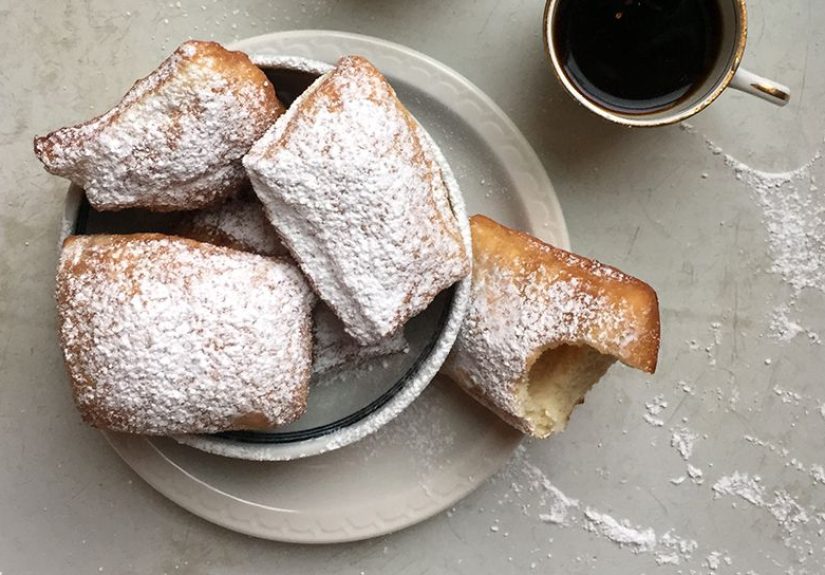
Beignets are square, yeast-raised pieces of dough, deep-fried until golden and showered with a blizzard of powdered sugar. Think of them as the French cousin of a doughnutno hole, lighter crumb, and a slightly chewier bite. They became iconic in New Orleans thanks to French and Creole influences and are now one of the city’s most beloved treats, often served alongside café au lait.
Unlike cake doughnuts, beignets rely on yeast for lift. That means flavor develops over time, and the texture is airier and more layered. It also means you’ll want to plan ahead for rising timebut don’t worry, the actual hands-on work is simple and oddly relaxing.
Key Ingredients for Authentic Beignets
Different bakers tweak their beignet recipesome use evaporated milk, others stick to whole milk, some choose bread flour while others prefer all-purpose. The version below strikes a balance between authenticity and ease of use, giving you tender, puffy beignets without fussy ingredients.
For the Dough
- Warm water and warm milk: Activate the yeast and create a soft dough. Aim for about 105–110°F (warm but not hot to the touch).
- Active dry yeast: The engine behind that beautiful rise and airy interior.
- Granulated sugar: Feeds the yeast and adds a light sweetness.
- Egg and egg yolk: Enrich the dough, adding flavor and color.
- Unsalted butter: Helps create a tender crumb and rich taste.
- All-purpose flour: Easy to find and reliable for home bakers.
- Salt and vanilla extract: Round out the flavor so your beignets taste like more than just fried bread.
For Frying and Serving
- Neutral oil for frying: Use canola, peanut, or another high-smoke-point oil for a clean flavor and crisp texture.
- Powdered sugar: The signature snow-like coating. Be generousthis is not the moment to count calories.
The Best Beignet Recipe (Step-by-Step)
Ingredients
Makes about 30 small beignets
- 1 cup warm water (105–110°F)
- 2 teaspoons active dry yeast
- 1/3 cup granulated sugar, plus 1 tablespoon
- 2/3 cup warm whole milk (about 100°F)
- 1 large egg + 1 egg yolk, room temperature
- 3 tablespoons unsalted butter, melted and slightly cooled
- 1 teaspoon vanilla extract
- 1 teaspoon fine sea salt
- 4 1/3 cups all-purpose flour (plus more for dusting)
- Neutral oil for frying (canola or peanut), enough for 2–3 inches in a pot
- 2–3 cups powdered sugar, for dusting
Equipment
- Stand mixer with dough hook (optional but helpful)
- Large mixing bowl
- Heavy-bottomed pot or Dutch oven
- Instant-read thermometer (for oil temperature)
- Rolling pin
- Sharp knife or pizza cutter
- Slotted spoon or spider strainer
How to Make Beignets
Step 1: Bloom the Yeast
- In a large bowl, combine the warm water, yeast, and 1 tablespoon of sugar. Stir gently and let it sit for 5–10 minutes, until the mixture looks foamy and creamy.
- If the yeast does not foam, it may be dead. Toss it, apologize to your future beignets, and start again with fresh yeast.
Step 2: Build the Dough
- Whisk in the remaining 1/3 cup sugar, warm milk, egg, egg yolk, melted butter, vanilla, and salt until well combined.
- Add about half of the flour and stir until a thick batter forms.
- Gradually add the remaining flour, stirring or mixing on low speed until a soft, slightly sticky dough comes together. You may not need every last tablespoon of flour, or you may need a bit more depending on humidity.
Step 3: Knead and First Rise
- Turn the dough out onto a lightly floured surface (or keep it in the mixer with a dough hook).
- Knead for about 5–7 minutes by hand (or 4–5 minutes in the mixer) until the dough is smooth, elastic, and only slightly tacky.
- Lightly oil a clean bowl, place the dough inside, and turn it to coat. Cover with plastic wrap or a clean kitchen towel.
- Let rise in a warm, draft-free spot until doubled in size, about 1–1.5 hours.
Step 4: Roll and Cut the Dough
- Once the dough has doubled, gently punch it down to release excess gas.
- Turn it out onto a lightly floured surface and roll into a rectangle about 1/4 inch thick. Don’t roll it paper thinremember, we want some puff.
- Use a sharp knife or pizza cutter to cut the dough into roughly 2-inch squares or rectangles. They don’t need to be perfectly uniform; “rustic” is the official beignet aesthetic.
- Transfer the cut pieces to a floured baking sheet, leaving a little space between them. Cover lightly with a towel and let rest for 20–30 minutes. This short second rise gives you that classic airy interior.
Step 5: Heat the Oil
- Pour 2–3 inches of oil into a heavy pot or Dutch oven. Heat the oil to 360–365°F over medium heat.
- Use an instant-read or clip-on thermometer to monitor the temperature. Adjust the heat as needed. Too cool, and the dough absorbs oil; too hot, and the outside burns before the inside cooks through.
Step 6: Fry the Beignets
- Working in small batches (3–5 pieces at a time), gently slide the dough squares into the hot oil.
- They should puff almost immediately. Fry for about 1–2 minutes per side, turning with a slotted spoon, until golden brown.
- Transfer the fried beignets to a plate lined with paper towels and let them drain briefly.
Step 7: Finish with Powdered Sugar
- While the beignets are still warm, place them in a shallow bowl or paper bag with plenty of powdered sugar.
- Shake or toss until generously coated. If it looks like too much sugar, that means you’re doing it right.
- Serve immediatelybeignets are at their best within minutes of leaving the oil.
Tips for Perfect Beignets Every Time
1. Respect the Oil Temperature
Staying in the 350–365°F range keeps your beignets light and crisp, not greasy. Use a thermometer if possible, and avoid crowding the pottoo many pieces at once can drop the temperature and lead to heavy, oily dough.
2. Don’t Rush the Rise
Yeast dough needs time to develop flavor and structure. If your kitchen is cool, tuck the bowl into an unheated oven with the light on or set it near, not on, a warm stovetop. Let it truly double in size before moving on.
3. Aim for Soft, Not Sticky Dough
The dough should feel soft and slightly tacky but not cling stubbornly to your fingers. Add flour a tablespoon at a time as needed. Too much flour and the texture turns dense; too little and shaping becomes a wrestling match.
4. Serve Immediately
Fresh beignets are peak beignets. After about 30–60 minutes, they start losing their magic. If you want them later, it’s better to fry small batches to order or refrigerate the dough and fry fresh when you’re ready.
5. Reusing Oil Smartly
You can reuse frying oil a few times as long as you strain out crumbs and store it properly. Let it cool completely, strain through a fine mesh sieve or cheesecloth, and keep it in a sealed container in a cool, dark place. Discard it if it smells off, looks very dark, or smokes at lower temperatures than usual.
Flavor Variations and Serving Ideas
Classic Powdered Sugar + Café au Lait
The timeless combo: warm beignets and café au lait made with strong coffee and hot milk. It’s simple, cozy, and feels like breakfast in the French Quarter.
Chocolate and Caramel Sauces
For dessert-level drama, serve beignets with warm chocolate ganache, salted caramel sauce, or both. Kids will treat you like a hero; adults will pretend they’re “just having one” and then immediately take another.
Filled Beignets
You can pipe pastry cream, lemon curd, or jam into plain beignets after frying. Use a small piping tip and gently fill the center, then dust again with powdered sugar to hide the evidence.
Cinnamon Sugar Twist
If you’re a churro person at heart, toss hot beignets in a mix of cinnamon and granulated sugar instead of powdered sugar. It’s slightly less messy but just as addictive.
Make-Ahead and Storage
Refrigerating the Dough
Beignet dough can be made ahead. After the first rise, gently deflate, cover tightly, and refrigerate for up to 24 hours. The dough may rise a bit more in the fridge; just punch it down again before rolling.
Freezing the Dough Squares
For future beignet emergencies (they happen), cut the dough into squares, place on a parchment-lined tray, and freeze until firm. Transfer to a freezer bag. When ready to fry, thaw the pieces at room temperature and let them puff slightly before hitting the oil.
Storing Leftover Beignets
Beignets are best fresh, but if you do have leftovers, store them in an airtight container at room temperature for up to one day. Reheat briefly in a warm oven and dust with fresh powdered sugar. They won’t be exactly the same, but they’ll still taste pretty great with coffee.
Frequently Asked Questions About Beignets
Can I Make Beignets Without a Stand Mixer?
Absolutely. A stand mixer just saves arm workouts. You can mix the dough by hand with a sturdy wooden spoon and knead on the counter.
Can I Bake Beignets Instead of Frying?
You can bake pieces of yeast dough dusted with sugar, but they won’t be true beignets. The deep-fry method creates that puffy, almost hollow interior you expect from New Orleans–style beignets.
What If My Beignets Don’t Puff?
Flat beignets usually mean one of three things: the oil was too cool, the dough was rolled too thin, or the yeast was weak. Check that the oil is hot enough, aim for about 1/4-inch thickness, and always make sure your yeast is fresh.
Can I Use Instant Yeast?
Yes. You can skip the blooming step and whisk instant yeast directly into the flour, then proceed with the recipe. The rise times may be a bit shorter, so keep an eye on the dough.
Real-Life Experiences and Extra Tips for Beignet Success
Every home cook who’s ever attempted beignets has a story. Some are triumphant (“They puffed on the first try!”), and some are cautionary (“We accidentally made sweet naan”). Here are extra lessons learned from many batches, shared so you can skip the hard part and go straight to the good stuff.
The First-Timer’s Learning Curve
On your first attempt, expect a little chaos. Flour will be everywhere, your thermometer will suddenly feel indispensable, and you’ll underestimate the mountain of powdered sugar needed. That’s normal. The key is to treat the first batch or two as practice. Use them to gauge how fast your beignets brown, how quickly the oil temperature changes, and how thick you like your dough.
Many beginners roll the dough too thin, trying to squeeze out as many pieces as possible. Ironically, this just gives you more flat beignets. On later attempts, most people realize that slightly thicker dough (about 1/4 inch) yields a far better puff and a more satisfying bite.
Kitchen Setup Makes a Big Difference
Think of your kitchen as a tiny beignet factory and set it up assembly-line style:
- Station 1: Dough and cutting area.
- Station 2: Frying pot with thermometer, slotted spoon, and a tray for drained beignets.
- Station 3: Powdered sugar bowl or bag, plus a serving platter.
This setup keeps you organized and safe. You’re less likely to knock things into hot oil if you give yourself clear zones for each task.
Working with Kids or Guests
Beignets are a fun group projectas long as you keep everyone’s hands away from the hot oil. Let kids help with mixing, cutting dough, and especially shaking warm beignets in powdered sugar. Adults can manage the frying. It’s a great weekend brunch activity, and the anticipation while the dough rises makes the final reveal even more satisfying.
The Oil Question: Fear It Less, Respect It More
Deep-frying at home can feel intimidating, but the secret is calm respect, not fear. Use a heavy pot, never fill it more than halfway with oil, and keep a lid nearby just in case you need to smother flames (never use water on an oil fire). Monitor the temperature instead of guessing, and you’ll feel more in control.
Once you realize how manageable it is, you’ll start to see beignets as a special-occasion treat you actually can pull off on a Sunday morning, a holiday, or whenever friends visit and you want to impress them without resorting to store-bought dessert.
Time Management: When to Start the Dough
If you’re serving beignets for breakfast or brunch, start the dough early. A common rhythm is: mix and knead the dough, let it rise while you shower and make coffee, cut and rest the squares, then fry just before guests arrive. Another strategy is to refrigerate the dough overnight after the first rise. The next day, simply roll, cut, rest briefly, and fry. This “cold rise” can add even more flavor to the dough.
Turning Mistakes into Delicious Things
Not every batch will be photo-perfect. Some pieces will puff unevenly; a few might get darker than you wanted. The good news? Even the “ugly” ones taste great. You can slice slightly denser beignets in half and use them as a base for ice cream sandwiches, or dip them in chocolate and call them rustic fritters. If a batch turns out too flat, serve them warm with fruit and whipped cream and pretend they were meant to be beignet “chips.”
Building a Tradition
One of the best parts of mastering a beignet recipe is turning it into a tradition. Maybe it becomes your family’s Mardi Gras ritual, your New Year’s Day breakfast, or your “friends-are-in-town” showstopper. The more often you make them, the more comfortable you’ll feel tweaking details: a touch more vanilla, a splash of almond extract, a different frying oil, a new dipping sauce.
Over time, your beignets will stop feeling like a recipe you follow and start feeling like yoursa little piece of New Orleans charm that lives right in your kitchen.
Conclusion: Your New Favorite Weekend Project
Beignets look fancy and taste like something only a historic café could make, but this recipe proves that they’re totally doable at home. With a simple yeast dough, patient rising time, and attention to frying temperature, you can create a plate of hot, pillow-soft pastries that disappear faster than you can dust them with sugar.
Whether you’re recreating a favorite vacation memory, celebrating Mardi Gras, or just craving something extra special with your morning coffee, this beignet recipe delivers. Once you’ve nailed the basics, you can start playing with fillings, toppings, and flavor twists. But honestly, nothing beats that first bite of a classic, still-warm, sugar-covered beignet.