Table of Contents >> Show >> Hide
- What “Cardio” Actually Means (and Why Your Body Cares)
- 1) A Stronger Heart That Works Smarter, Not Harder
- 2) Healthier Blood Vessels and Better “Plumbing”
- 3) Better Blood Sugar Control and Metabolic Health
- 4) Weight Management That’s Not Just About Burning Calories
- 5) A Better Mood, Less Stress, and a Brain That Feels Sharper
- 6) Better Sleep (and Better Everything Because You Slept)
- 7) More Energy and Endurance for Real Life Stuff
- 8) Support for Longevity and Reduced Risk of Chronic Disease
- 9) Improved Athletic Performance (Even If You’re Not an “Athlete”)
- How to Get the Benefits Without Hating Your Life
- A Simple Weekly Cardio Plan (Adjust to Your Fitness Level)
- Common Cardio Mistakes (and What to Do Instead)
- Safety Notes (Because Your Body Isn’t a Trial Version)
- Experience Section: What the Benefits of Cardio Feel Like in Real Life
- Conclusion
Cardio has an image problem. Some people hear “cardio workout” and picture a treadmill that feels like a very polite form of punishment.
Others think it only “counts” if you’re drenched in sweat and reconsidering every life choice that led you to burpees.
Here’s the truth: cardio is less about suffering and more about upgrading the human hardware you live inyour heart, lungs, blood vessels, brain,
and energy systemsso daily life feels easier and your body stays resilient.
Whether your cardio is brisk walking, cycling, dancing in your kitchen like you’re auditioning for a music video, swimming, rowing, jogging, or
interval training, the benefits stack up fastand they’re not just “burn calories” benefits. Cardio is one of the few habits that can improve your
health now and quietly “pay you back” for years.
What “Cardio” Actually Means (and Why Your Body Cares)
Cardioshort for cardiovascular exerciseincludes rhythmic, repetitive movement using large muscle groups that raises your heart rate and breathing.
Your body responds by moving more oxygen to working muscles and getting better at using that oxygen over time. Translation: you become more efficient.
Like upgrading from a sputtering old Wi-Fi router to something that doesn’t make you want to throw it out a window.
Examples of cardio workouts
- Walking fast enough that you can talk, but you’re not exactly ready to sing a full Broadway number.
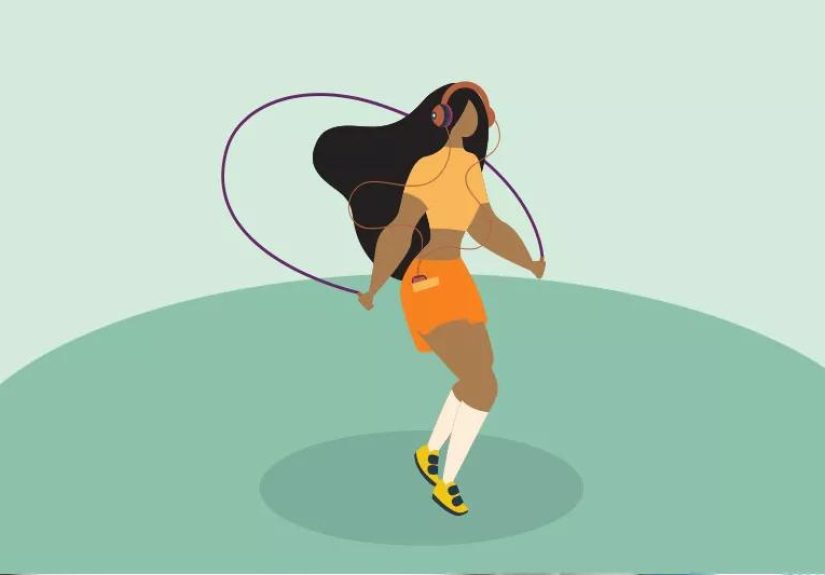
- Jogging/running, cycling, swimming, rowing, hiking, jump rope, dancing, cardio classes, sports.
- Intervals (like HIIT), where you alternate hard efforts and recovery.
1) A Stronger Heart That Works Smarter, Not Harder
Your heart is a muscle, and cardio is its training plan. With consistent aerobic exercise, the heart gets better at pumping blood, which means it can
move more blood per beat (hello, efficiency). Over time, many people see improvements in resting heart rate and circulationyour body becomes less
“out of breath over stairs” and more “I can carry groceries without bargaining with the universe.”
How that plays out in real life
- Better circulation to muscles and organs
- Improved cardiorespiratory fitness (heart + lungs working as a team)
- Support for healthier blood pressure over time
2) Healthier Blood Vessels and Better “Plumbing”
Cardio encourages your blood vessels to function more smoothly. Think of it as giving your arteries and tiny capillaries a reason to stay flexible,
responsive, and good at delivering oxygen where it’s needed. That matters because vascular health is a huge part of overall healthheart disease and
stroke don’t appear out of thin air; they’re often the end of a long story involving blood pressure, inflammation, cholesterol patterns, and lifestyle.
Regular cardio can also support healthier cholesterol trendsoften nudging “good” HDL upward and helping manage “bad” LDLespecially when paired with
nutrition habits that don’t revolve around “whatever was closest to my keyboard.”
3) Better Blood Sugar Control and Metabolic Health
If your body were a business, blood sugar management would be cash flow. Cardio helps your muscles use glucose more effectively and can improve insulin
sensitivitymeaning your body gets better at handling carbs without dramatic spikes and crashes. This supports long-term metabolic health and can be a
powerful tool for reducing the risk of type 2 diabetes (or helping manage it, with medical guidance).
Why it matters beyond the lab numbers
- More stable energy throughout the day
- Fewer “I need a nap or a donut” moments
- Better support for body composition goals
4) Weight Management That’s Not Just About Burning Calories
Yes, cardio burns caloriesbut focusing only on that is like buying a smartphone solely for the calculator. The bigger win is how cardio supports
a sustainable energy balance, appetite regulation, and routine. When you move consistently, you often build habits that make other healthy choices
easier. Also, cardio can help you maintain weight loss by increasing overall activity levels in a way that doesn’t require living inside a gym.
That said, cardio isn’t the only tool. Strength training helps preserve muscle mass, which supports metabolism and daily function. The most effective
plan is usually not “cardio vs. weights,” but “cardio + strength + sanity.”
5) A Better Mood, Less Stress, and a Brain That Feels Sharper
Cardio affects your brain chemistry and stress response in a very real way. Many people notice reduced stress, improved mood, and that subtle
“I can handle my inbox without spiraling” feeling. Aerobic activity is associated with improvements in anxiety symptoms and mild-to-moderate
depressive symptoms, and it can help you feel more emotionally steadypartly by improving sleep and reducing stress hormones.
Cardio’s brain benefits aren’t just vibes
Regular aerobic exercise supports blood flow to the brain and is linked with better memory and thinking skills over time. It’s not magic, but it’s
pretty close to a legit “brain maintenance plan.” If you’ve ever had a good walk solve a problem you couldn’t think through at your desk, you’ve felt
a tiny version of this effect.
6) Better Sleep (and Better Everything Because You Slept)
Quality sleep is a performance enhancer for life. Regular physical activity can help you fall asleep faster and sleep more deeply.
The key is timing: some people sleep great after evening workouts; others get wired if they go hard too late. If you’ve ever finished a late-night HIIT
session and then stared at the ceiling like an owl, you’ve learned this personally.
7) More Energy and Endurance for Real Life Stuff
The hilarious part of cardio is that it can make you feel tired in the moment but more energized over the long haul. Over time, your body becomes
better at delivering oxygen and producing energy efficiently. That shows up as improved staminawhether that’s playing with your kids, traveling, doing
yard work, or surviving a day of errands without needing a dramatic fainting couch.
8) Support for Longevity and Reduced Risk of Chronic Disease
One of the most consistent findings in public health is that people who move regularly tend to have lower risks of several major chronic diseases.
Cardio supports heart health, stroke risk reduction, metabolic health, and overall resilience as you age. No workout guarantees immortalitysorrybut
cardio is one of the closest things we have to a “low-cost health insurance policy” you can use daily.
9) Improved Athletic Performance (Even If You’re Not an “Athlete”)
You don’t need a jersey to benefit from better cardiovascular endurance. Cardio improves your ability to sustain effort and recover faster. That means:
shorter recovery time between sets at the gym, less fatigue on hikes, and more “I can keep going” in sports and recreational activities.
Cardio also improves recovery between efforts
A stronger aerobic base helps your body clear metabolic byproducts and restore energy stores more efficiently. In practical terms, you catch your breath
faster, and you’re less likely to feel wrecked after moderate activity.
How to Get the Benefits Without Hating Your Life
The best cardio workout is the one you’ll actually do. Consistency beats perfection, and enjoyment beats guilt every time.
Here are smart, non-miserable ways to structure cardio so it sticks.
Use the “talk test” to pick intensity
- Easy: You can speak in full sentences comfortably.
- Moderate: You can talk, but you’re pausing for breaths.
- Hard: You can say a few words at a time. You’re working.
Mix steady cardio and intervals
Steady-state cardio (like a brisk 30–45 minute walk) builds your aerobic base. Intervals (like 30 seconds hard, 90 seconds easy) improve performance
and can be time-efficient. You don’t need to go full “sprint until you see your ancestors.” A little intensity goes a long way.
Progress gradually
Your lungs may feel ready before your joints doespecially with running. Increase duration or intensity slowly. If something hurts in a sharp,
persistent way, that’s not “grit,” that’s your body filing a complaint with HR.
A Simple Weekly Cardio Plan (Adjust to Your Fitness Level)
| Day | Workout | Goal |
|---|---|---|
| Mon | 30 minutes brisk walk or easy bike | Base fitness + consistency |
| Wed | Intervals: 6 rounds (1 min hard, 2 min easy) | Cardiovascular endurance + efficiency |
| Fri | 20–40 minutes steady cardio (comfortable pace) | Heart and lung capacity |
| Sat or Sun | Fun cardio: hike, swim, sport, dance class | Joy + long-term adherence |
If you’re also strength training, you can place cardio on alternate days or after liftingdepending on your goals and recovery.
The “right” answer is the one that fits your schedule and keeps you healthy.
Common Cardio Mistakes (and What to Do Instead)
Mistake: Going too hard too soon
Fix: Start with manageable sessions and build. Your future self will thank you. Your knees will send you a thank-you card.
Mistake: Doing only one type of cardio forever
Fix: Rotate activities. Walking, cycling, swimming, rowing, and low-impact machines can reduce overuse risk while keeping cardio interesting.
Mistake: Treating cardio as punishment for eating
Fix: Make cardio about what your body can do, not what you “earned.” Health sticks longer when it isn’t fueled by self-disgust.
Safety Notes (Because Your Body Isn’t a Trial Version)
If you have chest pain, unexplained shortness of breath, dizziness, or a known heart conditionor if you’re returning after a long breaktalk with a
healthcare professional about the safest way to start. Most people can begin with walking and gentle progression, but individualized guidance matters.
This article is educational and not medical advice.
Experience Section: What the Benefits of Cardio Feel Like in Real Life
The internet loves dramatic “before and after” transformations, but most cardio benefits show up in quieter, sneakier wayslike your body
gradually switching from “fragile houseplant” to “surprisingly capable mammal.”
In the first week or two, the most common experience is that cardio feels… awkward. Your breathing is louder than expected, your legs have opinions,
and you start mentally negotiating: “If I finish this walk, I’ll be a better person,” as if virtue lives at the end of the sidewalk.
This phase is normal. Early cardio adaptations happen fast, but they don’t always feel graceful.
Then something changes. You notice that the same route that used to spike your heart rate now feels smoother. You’re still working, but you’re not
fighting for air like you’re trying to inhale the entire atmosphere. This is your cardiovascular system getting more efficientbetter oxygen delivery,
better pacing, better tolerance for effort. Many people describe it as a “click” moment: cardio stops being an emergency and starts being a rhythm.
Mood benefits can show up early too. It’s not always a euphoric runner’s high; sometimes it’s subtler: you’re less edgy in traffic, more patient in
meetings, and oddly proud that you did something good for yourself. Cardio becomes a reset buttonlike turning your brain off and on again, but with
less screaming than most software updates.
Around weeks three to six, daily-life perks become obvious. Stairs are less dramatic. You carry laundry without taking a “strategic break.” You can
keep up on a weekend outing without silently planning your escape route to the nearest bench. If you’re tracking progress, you might see a lower
resting heart rate or faster recovery after harder effortsmeaning you catch your breath faster and feel less wiped out afterward.
Another big “experience” benefit: sleep. Lots of people report falling asleep faster and feeling more restedespecially when cardio is consistent.
When sleep improves, everything else improves: hunger cues feel less chaotic, focus gets better, and stress is easier to manage. It’s like cardio
quietly cleans up your life’s messy desktop icons.
Long-term, the most meaningful experience is confidencereal confidence, not the “I posted a gym selfie” kind. It’s the steady belief that your body
can handle hard things. That matters when life throws curveballs: a busy season at work, travel, family responsibilities, aging, recovery after illness,
or just the normal chaos of being human. Cardio builds the capacity to do more without breaking down.
And here’s the underrated experience no one brags about: cardio teaches you pacing. You learn when to push and when to back off. You start to notice
your body’s signalsstress, fatigue, recovery needsin a way that makes you healthier far beyond the workout itself. That’s the sneaky magic:
cardio doesn’t just make you fitter; it makes you more aware, more durable, and more able to enjoy your own life.
Conclusion
The benefits of a cardio workout reach way beyond the mirror. Cardio strengthens your heart and circulation, supports healthier blood sugar and weight
management, improves mood and sleep, and builds endurance that makes everyday life feel lighter. You don’t need extreme workoutsjust consistent
movement that elevates your heart rate and fits your preferences. Start where you are, progress gradually, and choose activities you’ll do again next
week. That’s where the real results live.