Table of Contents >> Show >> Hide
- Why Clothing Matters for HS (and Why Your Closet Is Not “Just Fashion”)
- The HS Clothing Checklist (Quick Wins)
- Fabric Guide: What to Choose (and Why)
- What to Avoid (Your Skin’s “Do Not Invite” List)
- Fit & Construction: The Details That Matter More Than Brands
- Area-by-Area Clothing Picks (Because HS Doesn’t Flare in “Generic Body”)
- Underwear and Bras: The HS “High Impact” Items
- Activewear: Working Out Without Letting Your Outfit Start a Flare
- Outfit Ideas for Real Life (Work, Errands, Social Plans)
- Laundry, Skin Sensitivity, and Comfort Maintenance
- When Clothing Isn’t Enough: A Quick Reality Check
- Real-Life Wardrobe Wins: Experiences and Lessons From HS-Friendly Dressing (Extra )
- Conclusion: Dress Like Your Skin Deserves a Break
If you live with hidradenitis suppurativa (HS), you already know the plot twist: some days your skin is fine, and other days a seam, waistband, or underwire decides to audition for “Most Annoying Character.” HS often shows up in places where skin rubs togetherthink underarms, groin, inner thighs, under breasts, and buttocksso what you wear can either help your day go smoothly… or make you want to fight your laundry basket.
The good news: you don’t need a brand-new wardrobe or a personality transplant into “linen-only minimalist.” You just need clothes that reduce friction, manage heat and sweat, and don’t poke, scratch, or squeeze the tender areas where HS flares like to party. This guide breaks down exactly what to look for (and what to avoid), with practical examples you can use for work, workouts, errands, and real life.
Why Clothing Matters for HS (and Why Your Closet Is Not “Just Fashion”)
HS is a chronic inflammatory condition that can cause painful lumps, drainage, tunnels under the skin, and scarring. While clothing won’t cure HS, mechanical irritationrubbing, pressure, and trapped moisturecan make symptoms feel worse and may contribute to flares for many people. That’s why so many clinicians and patient resources emphasize loose, breathable clothing and friction reduction as part of everyday self-care.
Translation: your goal isn’t to “dress perfectly.” Your goal is to create a low-friction environment so your skin has fewer reasons to get angry. Think of it like choosing shoes that don’t give you blistersexcept the blisters have opinions and send pain signals.
The HS Clothing Checklist (Quick Wins)
- Soft + smooth: Choose fabrics that feel gentle, not textured or scratchy.
- Breathable: Airflow helps reduce heat buildup and moisture.
- Low-friction fit: Looser in flare-prone areas; avoid tight bands and squeezing.
- Smart seams: Fewer seams, flatter seams, and no seam landing right on a hotspot.
- Easy care: Washable, durable, and not “dry clean only” (because your skin already has enough rules).
Fabric Guide: What to Choose (and Why)
1) Breathable naturals: cotton, bamboo blends, modal, rayon (with a caveat)
Many people with HS do best in soft, breathable fibers. Cotton is a classic because it’s gentle and allows airflow. Modal and other plant-based fibers can feel buttery against sensitive skin. Bamboo-derived fabrics are often praised for softness, too.
The caveat: some natural fabrics can hold onto moisture. If you sweat a lot or deal with drainage, a “perfectly soft” shirt can still feel uncomfortable if it stays damp. In that case, you may prefer a hybrid approach: gentle base layer plus moisture management (more on that below).
2) Performance fabrics: moisture-wicking (pick the right kind)
Moisture-wicking athletic fabrics can be a game-changer for sweat controlespecially in summer or during movement. But not all synthetics are created equal. Some feel slick and smooth (great), while others feel like plastic wrap (less great). The trick is to choose smooth, lightweight knits that don’t trap heat and don’t have abrasive seams.
3) The “touch test” beats the label
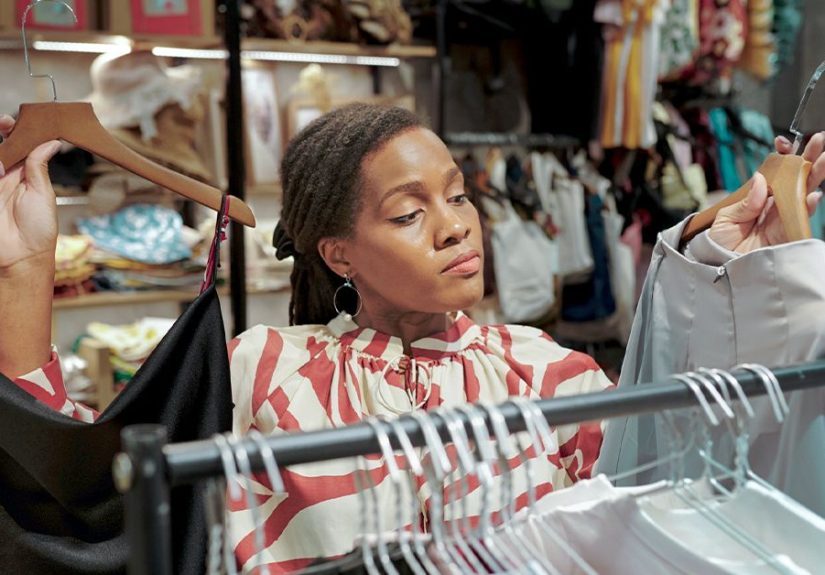
Labels are helpful, but your skin is the final judge. When shopping, rub the fabric against the inside of your wrist or the side of your neckboth are good “sensitive-skin predictors.” If it feels rough there, it probably won’t feel magical in your underarm fold.
Fabrics many people with HS prefer
- Soft cotton or cotton blends (especially for everyday wear)
- Modal or rayon blends for softness
- Gentle, smooth moisture-wicking knits for workouts or hot weather
- Lightweight, breathable weaves for airflow (think easy summer shirts, not stiff denim)
What to Avoid (Your Skin’s “Do Not Invite” List)
In general, HS-friendly dressing means skipping clothing that increases rubbing, heat, or pressureespecially in common HS areas.
- Tight, restrictive fits: compression where you don’t need it, especially at groin/inner thigh/underarm.
- Rough textures: scratchy knits, stiff seams, heavy embroidery, coarse lace.
- Hard waistbands and thick elastic: anything that digs in or leaves deep marks.
- Underwire and rigid bra structures: particularly if HS affects under-breast or side chest areas.
- Stiff denim and tight belts: can press and rub on lower abdomen, groin, and buttocks.
- Heat-trapping layers: outfits that make you sweat and stay sweaty.
This doesn’t mean you can never wear jeans again. It means you might want jeans that have stretch, a softer interior, and a fit that doesn’t wedge seams into sensitive areas like it’s their full-time job.
Fit & Construction: The Details That Matter More Than Brands
Seams: flatter is better
Look for “flatlock” seams (common in athletic wear) or minimal-seam designs. Seams aren’t evil; seams that sit right on a flare-prone spot are the problem. If you have underarm HS, for example, a bulky side seam in a fitted tee can be surprisingly irritating.
Tags and labels: the tiny villains
Tagless designs are worth their weight in gold. If your favorite item has a tag, consider carefully removing it and stitching the edge so it doesn’t scratch.
Elastic: wide, soft, and not too tight
Underwear and bra bands matter a lot. A narrow, tight elastic digs and rubs. Wider, softer bands distribute pressure. Your goal is “secure, not squeezed.”
Adjustability beats “perfect fit”
HS can change how you feel day-to-day. Adjustable waistbands, drawstrings, and stretchy (not tight) fabrics let you adapt to swelling, tenderness, or dressings without having to rethink your whole outfit at 7:14 a.m.
Area-by-Area Clothing Picks (Because HS Doesn’t Flare in “Generic Body”)
Underarms
- Best tops: looser sleeves, raglan sleeves, sleeveless tanks with roomy armholes.
- Watch for: tight armholes, stiff seams, heavy fabric that traps heat.
- Tip: If you dress wounds, choose tops that allow easy access without friction (button-ups can be great).
Under breasts / chest folds
- Best bras: wire-free, soft cup, wide band, breathable fabric; consider bralettes or sports bras that don’t compress too hard.
- Best tops: breathable fabrics; avoid tight, heat-trapping layers.
- Tip: If band friction is an issue, try a soft, breathable base layer or a thin liner designed to reduce rubbing.
Groin and inner thighs
- Best bottoms: loose shorts, wide-leg pants, soft joggers, skirts/dresses with breathable shorts underneath.
- Underwear strategy: many people prefer boxer-brief style or longer-leg underwear to reduce thigh rub.
- Tip: If you’re dressing lesions, choose underwear that can comfortably hold pads or dressings in place without shifting.
Buttocks / lower back
- Best bottoms: soft fabrics with stretch, minimal back seams, and waistbands that don’t dig when sitting.
- Watch for: tight jeans, thick center seams, and stiff fabric that grinds when you move.
Underwear and Bras: The HS “High Impact” Items
HS-friendly underwear features
- Breathable fabric (often cotton or soft blends)
- Longer leg (to reduce inner-thigh chafing) or seamless edges
- Wide waistband that doesn’t roll or pinch
- Minimal seams across the groin and inner thigh
Some people do better with classic cotton. Others swear by smooth moisture-wicking underwearespecially if sweat is a major trigger. If you’re experimenting, test new underwear at home first (where the stakes are lower and you can change quickly if your skin says “absolutely not”).
HS-friendly bra features
- Wire-free or flexible support structures
- Wide, soft band
- Breathable fabric
- Adjustable straps (to redistribute pressure)
If you love a structured bra for style or support, consider reserving it for short wear-times and switching to a softer option for everyday comfort. Your skin’s comfort is not a moral failure; it’s a practical plan.
Activewear: Working Out Without Letting Your Outfit Start a Flare
Exercise is important for overall health, but HS can make it tricky because heat, sweat, and friction can aggravate sensitive areas. Clothing choices can reduce that risk.
Smart workout clothing rules
- Choose smooth, breathable fabrics that wick moisture.
- Avoid high-friction seams in the groin/inner thighs/underarms.
- Consider a barrier product (like an anti-chafe balm) on friction-prone spots if your clinician says it’s okay for your skin.
- Plan for a quick change after sweating: dry clothes are kinder than staying in a damp outfit.
If tight compression gear helps prevent rubbing for you, use it strategicallybut choose versions with flat seams and avoid anything that leaves deep pressure lines. Your workout shouldn’t end with your waistband writing a complaint letter on your skin.
Outfit Ideas for Real Life (Work, Errands, Social Plans)
Workday outfits
- Breathable top + relaxed trousers: soft tee or blouse with wide-leg pants.
- Button-up + tank: allows airflow and easy access if you need to adjust dressings.
- Dress + comfortable shorts: reduces inner-thigh friction while staying office-friendly.
Errands and casual wear
- Soft joggers with a drawstring + roomy hoodie
- Loose cotton shorts + tank with generous armholes
- Skirt with breathable slip shorts (seam placement matters!)
Confidence boosters (practical, not cheesy)
Drainage and dressings can make anyone feel self-conscious. Many people find that darker colors, prints, and layered outfits help them worry less about visible marks. Keep a small “just in case” kit (extra dressing, wipes, spare underwear) for peace of mind. The goal is not perfectionit’s freedom.
Laundry, Skin Sensitivity, and Comfort Maintenance
Your clothing can be HS-friendly, but your laundry routine can still sabotage you. If your skin is sensitive, consider fragrance-free detergent and skip harsh additives that leave residue. Also, make sure clothes are rinsed wellleftover detergent can irritate sensitive areas.
- Wash workout clothes promptly (sweat + bacteria + time = not your friend).
- Prioritize soft, clean, dry fabrics against active lesions.
- Replace stretched-out elastics (they roll, rub, and become chaotic).
When Clothing Isn’t Enough: A Quick Reality Check
Dressing comfortably can reduce friction and help you feel better day-to-day, but HS is a medical condition. If you’re having frequent flares, significant pain, fever, spreading redness, or drainage that’s difficult to manage, it’s worth checking in with a dermatologist or clinician experienced with HS. The right treatment plan can make clothing choices feel less like survival gear and more like… clothes.
Real-Life Wardrobe Wins: Experiences and Lessons From HS-Friendly Dressing (Extra )
People with HS often become accidental fabric scientists. Over time, many discover that “comfort” isn’t one thingit’s a moving target that depends on where HS shows up, whether a flare is active, how hot the weather is, and whether dressings are involved. Here are common experience-based patterns that come up again and again in patient stories, support communities, and day-to-day trial and error.
The “I thought tighter would hold everything in place” phase
A lot of people start by choosing tighter clothing to feel supportedespecially around the groin, buttocks, or under breasts. Sometimes that helps for a short time (like preventing thigh rub), but many report that tight waistbands and snug seams eventually backfire. The most common turning point is realizing that pressure plus heat is a bad combo. One practical workaround is switching from tight, narrow elastics to wide, soft bands that feel secure without digging. Another is using a looser outer layer while relying on comfortable, seam-smart underlayers to keep dressings stable.
Underwear experimentation is basically a hobby
Underwear is where a lot of “aha” moments happen. People who deal with inner-thigh or groin HS often say that longer inseams reduce friction dramaticallythink boxer-brief style or slip shorts under dresses. Others discover that seamless edges matter more than fiber content. Many end up with two “teams” of underwear: a breathable cotton option for calm days, and a smooth, moisture-wicking option for hot days, travel, or workouts. The lesson: it’s normal to rotate options based on what your skin is doing, not on what the tag says you “should” wear.
Bras can be the difference between “fine” and “nope”
People with under-breast HS frequently mention ditching underwires during flares and keeping a wire-free option available even if they prefer structured bras aesthetically. A common strategy is “support on your terms”: wear a softer bra for longer days, then save the structured bra for short outings. Some also find that adjustable straps and bands help redistribute pressure so no single spot gets constantly rubbed.
Heat management becomes a style choice
Many people with HS notice that overheating makes everything feel worse. So they build wardrobes that breathe: lighter fabrics, looser silhouettes, and layers that can be removed. In summer, some prefer airy dresses with slip shorts; others go with relaxed tees and lightweight pants. In winter, the key is avoiding sweat trapped under heavy layersusing breathable base layers and removing coats quickly indoors can help. The overall vibe is not “dress for the trend,” it’s “dress for temperature control.”
Confidence isn’t vanityit’s logistics
Finally, many people talk about the emotional relief that comes from planning ahead. Dark colors, prints, and layered outfits can reduce worry about visible drainage marks. Keeping spare dressings and an extra pair of underwear in a bag can make social plans feel possible again. The takeaway from these shared experiences is simple: HS-friendly clothing isn’t about limiting your lifeit’s about removing avoidable friction (literally and figuratively) so you can get on with it.
Conclusion: Dress Like Your Skin Deserves a Break
The best clothes for hidradenitis suppurativa are the ones that help you stay cooler, drier, and less rubbedwithout making you feel like you’re wearing a costume called “Medical Patient.” Start with breathable fabrics, prioritize seam placement and gentle elastics, and build a small rotation of “flare-safe” outfits you can rely on. Your closet won’t fix HS, but it can absolutely stop picking fights with it.