Table of Contents >> Show >> Hide
- Take the Best Compression Socks Quiz
- Why are you shopping for compression socks?
- When do your legs bother you the most?
- How much compression are you comfortable trying first?
- What kind of fit sounds most realistic for your routine?
- What’s your biggest sock complaint?
- Which situation sounds most like you?
- How do you feel about fabric?
- What is your shopping personality today?
- Your Quiz Results
- How to Choose the Best Compression Socks After the Quiz
- Best Compression Socks by Common Scenario
- Mistakes People Make When Buying Compression Socks
- Experience Notes: What Wearing Compression Socks Actually Feels Like
- Final Takeaway
- SEO Tags
If shopping for compression socks has ever made you feel like you accidentally wandered into a medical exam and a marathon expo at the same time, welcome. You are among friends. One pair promises “energized legs,” another talks in mysterious mmHg numbers, and a third looks like it belongs on a ski slope. Suddenly, buying socks feels like filing taxes.
This guide fixes that. Instead of throwing a giant list of random products at you and hoping your calves sort it out, this article uses a simple quiz-style approach to help you figure out what kind of compression socks you actually need. The best compression socks are not the same for a frequent flyer, a nurse on a 12-hour shift, a desk worker with ankle swelling, or someone dealing with varicose veins. Same category, very different mission.
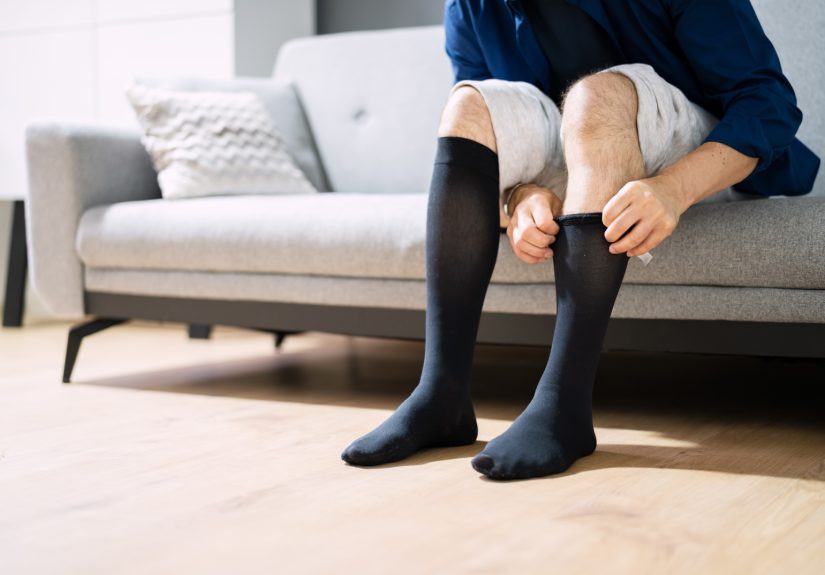
In general, compression socks work by applying graduated pressure, meaning they are snugger around the ankle and gradually less tight farther up the leg. That design helps support blood flow, reduce pooling, and cut down on swelling and fatigue. But the “best” pair depends on your symptoms, your routine, your tolerance for snug fabric, and whether a clinician should be involved before you buy.
So let’s do the fun part first: the quiz. Then we will break down what your result means, what compression level to look for, how to get the fit right, and what mistakes to avoid. Your legs deserve answers. Your online cart deserves fewer regrets.
Take the Best Compression Socks Quiz
How to use it: For each question, pick the answer that sounds most like you. Keep track of whether you choose mostly A, B, C, or D answers. Your result appears below.
-
Why are you shopping for compression socks?
- A. My legs feel a little tired after sitting or standing, but nothing dramatic.
- B. I travel often or spend long workdays on my feet.
- C. I deal with swelling, aching, visible veins, or heavier legs on a regular basis.
- D. I have a history of blood clots, major swelling, diabetes-related circulation concerns, or another medical issue.
-
When do your legs bother you the most?
- A. After a long desk day.
- B. On flights, road trips, or long shifts.
- C. By late afternoon, especially after standing.
- D. Even without obvious triggers, or symptoms are getting worse.
-
How much compression are you comfortable trying first?
- A. Mild support. I want comfort first.
- B. Moderate support, as long as I can still wear them all day.
- C. Stronger support, especially if it helps swelling or heaviness.
- D. I do not want to guess. I want a clinician to tell me what level makes sense.
-
What kind of fit sounds most realistic for your routine?
- A. Easy to pull on, easy to forget I’m wearing.
- B. Knee-high and breathable for long days.
- C. Snug, measured, and supportive enough to stay put.
- D. Professionally fitted, especially if I need a prescription option.
-
What’s your biggest sock complaint?
- A. I hate anything too tight.
- B. My feet get hot and sweaty.
- C. Socks roll, bunch, or squeeze in the wrong places.
- D. I’m worried about choosing the wrong pair for my health.
-
Which situation sounds most like you?
- A. Hybrid worker, occasional swelling, mostly preventive shopping.
- B. Teacher, nurse, server, retail worker, traveler, or runner in recovery mode.
- C. Varicose veins, chronic swelling, or legs that feel heavy and achy often.
- D. Post-surgical recovery, prior DVT, pregnancy with risk factors, or circulation concerns that need guidance.
-
How do you feel about fabric?
- A. Soft and simple, please.
- B. Moisture-wicking is a must.
- C. I care more about support than style.
- D. I need something that works with sensitive skin or a medical routine.
-
What is your shopping personality today?
- A. I want a low-risk first pair.
- B. I want a practical pair for travel or work.
- C. I want the best option for real symptom relief.
- D. I want to be smart, careful, and maybe call a pro before I click “buy.”
Your Quiz Results
Mostly A: Best for Light Everyday Compression
You are a great candidate for a mild, beginner-friendly pair. Think of this as the gateway compression sock: enough support to help tired legs feel a little fresher, but not so intense that putting them on becomes your morning upper-body workout. This category is often a good fit for desk workers, occasional travelers, and anyone who wants preventive support rather than strong symptom management.
Look for light compression, soft fabric, and a knee-high design that feels smooth instead of restrictive. Breathable nylon or polyester blends can work well, while merino blends are nice if you want better temperature control. The goal here is simple: wearability. If you hate the feeling of your socks by noon, you will not wear them consistently, and the “best” sock becomes the sock living sadly in your drawer.
Mostly B: Best for Travel and Long-Days-on-Your-Feet Compression
You need a sock built for endurance. Your ideal pair should stay comfortable through long flights, extended commutes, 10,000-step workdays, and those moments when your legs start filing a formal complaint. Knee-high graduated compression is usually the sweet spot here because it supports the lower leg and calf without becoming a full-body event.
Prioritize breathable, moisture-wicking materials and a fit that does not roll at the calf. If you spend all day standing, a slightly firmer feel may be more useful than a super-soft fabric that loses structure halfway through your shift. If you travel more than four hours at a time and have added risk factors for clots, it is wise to talk with a clinician before relying on compression alone.
Mostly C: Best for Symptom-Relief Compression
You are not really shopping for “cute supportive socks.” You are shopping for relief. If your legs swell, ache, feel heavy, or show visible varicose veins, you may benefit from a more structured pair, commonly in the moderate compression range. Knee-high 20–30 mmHg options are often discussed for people managing aching or swelling from varicose veins and similar symptoms.
This is the point where fit becomes everything. Measure carefully. A sock that is too loose will not do much, while one that is too tight can become uncomfortable fast. If you are consistently managing symptoms, getting measured professionally is often worth the extra effort. Glamorous? Not exactly. Effective? Much more likely.
Mostly D: Best for Clinician-Guided Compression
Your best next step is not a random two-pack from the internet. It is guidance. If you have a history of DVT, major swelling, leg pain, medical complications, or circulation concerns, a healthcare professional should help you choose the right compression level and style. This is especially important if you have severe peripheral artery disease, significant skin issues, healing ulcers, or you are choosing compression for a specific condition rather than general comfort.
In other words, your result is not “no compression ever.” It is “do not freestyle this.” A well-chosen medical-grade sock can be genuinely helpful. A poorly chosen one can be uncomfortable, ineffective, or just plain wrong for the situation.
How to Choose the Best Compression Socks After the Quiz
1. Start with the reason, not the trend
Compression socks have become more mainstream, which is great because your options are better than the old “hospital beige” era. But the first question is still function. Are you shopping for mild leg fatigue, travel, long shifts, running recovery, pregnancy-related discomfort, or ongoing venous symptoms? Your reason determines almost everything else, from compression level to fabric to whether you should speak with a clinician first.
2. Understand the compression number
The pressure rating is usually given in mmHg. For casual shoppers, that number can look like secret code, but it matters. Mild options are often chosen for everyday comfort and support. Moderate ranges are more commonly used when people are dealing with noticeable symptoms such as aching or swelling. If you need higher levels, have a clotting history, or are managing a diagnosed condition, do not guess. That is clinician territory.
3. Knee-high is the all-star for most people
Knee-high compression socks are usually the most versatile. They support the area where swelling and venous pooling often show up, are easier to wear than thigh-high versions, and fit into normal life without requiring a wardrobe negotiation. Thigh-high or waist-high options can be appropriate in some cases, but for most readers, knee-high is where the smart money goes.
4. Fabric matters more than people think
If your feet run hot, look for moisture-wicking synthetics such as nylon or polyester blends. If you care about softer feel and better temperature regulation, merino-blend options can be a strong choice. Cotton can feel breathable, but it is usually not the star player for moisture management. Translation: if you are wearing compression socks on flights, long shifts, or busy days, do not underestimate fabric. Your future self, stuck in row 27B, will thank you.
5. Fit should be snug, not dramatic
The best compression socks should feel firm and supportive, not painfully tight. They should lie flat and smooth across the foot and calf without bunching, digging, or rolling down. If the sock wrinkles up, slides, or leaves you feeling numb, it is not a heroic fit. It is the wrong fit. When in doubt, measure your ankle and calf and compare them to the brand’s size chart. That tiny act of responsibility can save you from an entire day of regret.
6. Know when to wear them
Compression socks are typically most useful during active waking hours, long seated travel, or long periods of standing. Many people wear them throughout the day and remove them later. In general, they are not something to sleep in unless a clinician specifically tells you otherwise for a medical reason. If they become uncomfortable as the day goes on, that is a clue to reassess the fit, fabric, or compression level.
Best Compression Socks by Common Scenario
For desk workers
Choose a mild, comfortable pair that encourages regular wear. If you sit for long stretches, compression socks can be one piece of the plan, but they work best with movement breaks, calf flexes, and not becoming one with your office chair.
For travelers
Look for breathable knee-high socks with dependable graduated compression. If you travel long distances and have added clot risk factors, talk with your doctor before the trip. Compression socks can help, but they are not a substitute for walking, flexing your ankles, and paying attention to warning signs.
For nurses, teachers, retail workers, and anyone on their feet all day
You need structure, breathability, and a cuff that stays put. This is where a slightly firmer everyday sock can shine. The best pair should make your legs feel supported by the end of the day, not like they have been shrink-wrapped by an overachieving robot.
For pregnancy
Compression socks are commonly considered for swelling and travel support during pregnancy, but it is smart to check with your ob-gyn about what makes sense for you, especially if you have additional risk factors. This is a “supportive shopping” category, not a “guess and hope” category.
For varicose veins or chronic swelling
Focus less on cute patterns and more on proper compression, measurement, and consistency. This is where moderate compression is often discussed. If your symptoms are persistent, worsening, or associated with skin changes or pain, loop in a clinician rather than relying only on online reviews written by strangers named things like “SunshineMom88.”
Mistakes People Make When Buying Compression Socks
- Buying based only on style and ignoring compression level.
- Choosing a random size without measuring.
- Assuming tighter is always better.
- Using ankle sleeves when the goal is calf support and leg swelling relief.
- Wearing the wrong pair for a medical issue that should be clinician-guided.
- Expecting socks to fix a no-movement lifestyle on their own.
Experience Notes: What Wearing Compression Socks Actually Feels Like
Here is the part shoppers always want but product pages rarely explain well: what is it actually like to wear compression socks in real life? The answer depends on the person and the purpose, but there are a few consistent patterns. People who switch from regular socks to mild graduated compression for desk work often say the biggest difference is not some dramatic “movie montage” transformation. It is subtler. Their ankles feel less puffy by evening. Their lower legs feel less tired after a long day of sitting. They notice they are less desperate to kick off their shoes the second they get home.
Travelers tend to describe the experience a little differently. On long flights or road trips, the benefit is often about prevention rather than rescue. Many people say their legs feel less heavy when they arrive, especially if they are also getting up, stretching, and moving a bit during the trip. The right pair feels snug at first and then fades into the background. The wrong pair makes itself known every ten minutes by sliding, pinching, overheating, or staging a slow dramatic roll-down at the calf.
People who stand all day, such as nurses, teachers, stylists, retail workers, and restaurant staff, often talk about end-of-day relief. The difference for them is usually most obvious at night, when the legs feel less achy and swollen than usual. A good pair can make the day feel more manageable. A bad pair can feel like an extra chore before 8 a.m. That is why fabric and fit matter so much. If the socks are too hard to pull on, too hot, or too itchy, even the best compression rating on paper will not save the experience.
For people with visible varicose veins or regular swelling, the experience is less about convenience and more about routine. The socks may not feel glamorous, but many people describe them as one of those helpful, practical habits that quietly make life better. They may notice less heaviness, less tightness in the calves, and better tolerance for standing or sitting through the day. Consistency matters here. Compression socks tend to be more useful when they become part of a real habit rather than a once-a-week experiment.
Runners and active people often report a split experience. Some swear compression helps them feel better during recovery, while others mainly like the snug, supported feel. That tracks with the broader conversation around compression wear: some benefits are practical and noticeable, while others can be personal preference. Not every athlete needs compression socks, but many people enjoy them for post-run comfort, long walking days, or travel after events.
The most universal experience, though, is this: your first pair teaches you what matters. Maybe you learn you need a softer cuff, a more breathable knit, or a wider calf fit. Maybe you realize you are a light-compression person, not a “strong-support-or-bust” person. The best compression socks quiz is really a shortcut to that learning process. It helps you start closer to the right answer so your first experience feels useful instead of annoying. And that, honestly, is the dream. Not magic socks. Just smart socks that do their job and let your legs stop being so dramatic.
Final Takeaway
If you have been hunting for the best compression socks, here is the truth: the best pair is the one that matches your body, your routine, and your actual goal. Mild everyday support is great for desk jobs and preventive wear. Breathable knee-high compression is usually the hero for travel and long shifts. Moderate graduated compression is often the conversation for swelling, heaviness, and varicose-vein symptoms. And if you have a clotting history, severe swelling, circulation disease, or a more complicated medical picture, professional guidance beats internet guesswork every time.
So yes, the compression sock world can be weirdly intense. But with the right quiz result, the right fit, and the right expectations, it becomes much simpler. Your legs do not need hype. They need support that makes sense.