Table of Contents >> Show >> Hide
- What Is Pasta e Fagioli?
- Why This Recipe Works
- Ingredients You’ll Need
- Best Pasta e Fagioli Recipe
- Key Techniques That Make Pasta e Fagioli Taste “Best-in-Class”
- Variations (Because Pasta e Fagioli Is Basically a Choose-Your-Own-Adventure)
- What to Serve With Pasta e Fagioli
- Storage, Freezing, and Make-Ahead Tips
- FAQ
- Real-Life Cooking Experiences and Lessons (So Your Pot Behaves)
- Conclusion
Pasta e fagioli is the culinary equivalent of a warm hoodie: unfussy, cozy, and somehow always the right choice.
It’s a classic Italian “pasta and beans” soup (yes, that’s the translation), and when it’s done right it tastes like
you spent all day babysitting a potwhen really you mostly just… stirred with confidence.
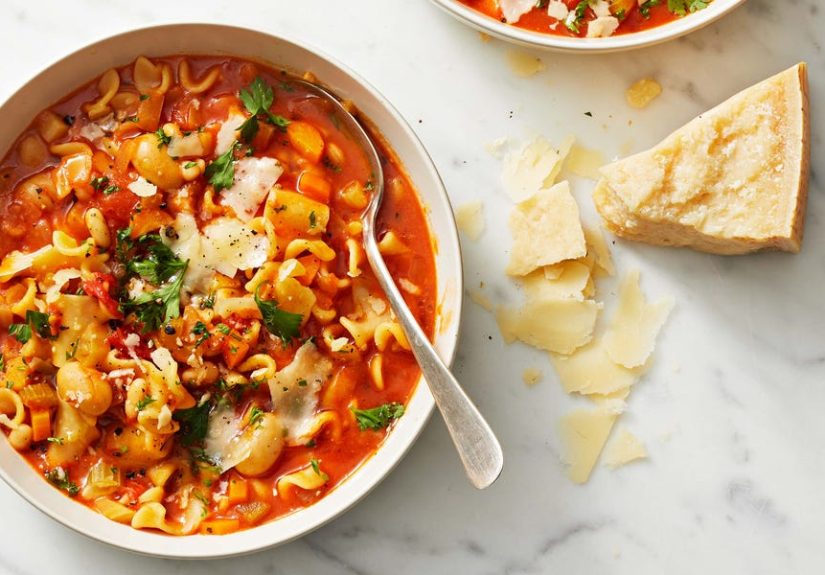
This recipe aims for that sweet spot: creamy beans, a rich tomato-broth base, tender vegetables, and pasta that’s
not bloated like it just got back from an all-inclusive resort. You’ll get a restaurant-style bowl at home, with
smart options for weeknights (canned beans) and upgrades for when you want to flex (Parmesan rind, a splash of wine,
or a slow-sweated soffritto).
What Is Pasta e Fagioli?
Pasta e fagioli (pronounced something like “PAH-sta eh fah-JOH-lee,” though Italian-American kitchens may lovingly
call it “pasta fazool”) is a rustic soup built on humble staples: beans, small pasta, aromatics, and brothoften with
tomatoes, herbs, and a finishing shower of cheese.
Think of it as minestrone’s more focused cousin. Same cozy energy, fewer ingredients trying to be the main character.
The beans bring body and protein, the pasta brings comfort, and the broth ties it all together into a bowl that feels
like a reset button for your entire day.
Why This Recipe Works
1) The soffritto does the heavy lifting
Onion, carrot, and celery (the classic trio) are cooked low and slow until soft and sweet. This creates depth without
needing a pantry full of “mystery seasonings” that have been in your cabinet since 2019.
2) Creaminess comes from beans, not cream
By lightly mashing a portion of the beans, the soup thickens naturally. It’s the same trick that makes good chili feel
richwithout turning your dinner into a dairy science project.
3) Pasta stays pleasantly al dente
Pasta e fagioli’s biggest enemy is leftover pasta that keeps drinking broth overnight. We’ll handle it with a simple
strategy: cook the pasta separately (best) or keep it undercooked and add it right before serving (still great).
Ingredients You’ll Need
Core ingredients
- Olive oil for sautéing
- Onion, carrot, celery (your flavor foundation)
- Garlic and tomato paste for savory depth
- Canned beans (cannellini or Great Northern) + optional kidney beans for a classic Italian-American vibe
- Broth (chicken or vegetable)
- Crushed tomatoes (or diced, if that’s what you’ve got)
- Small pasta (ditalini is the icon; small shells or elbow macaroni work too)
- Herbs (rosemary + bay leaf are especially good here)
- Parmesan (grated for serving; a rind is a bonus power-up)
Optional upgrades that make it taste “restaurant”
- Parmesan rind: simmer it in the soup for extra umami, then remove before serving.
- A splash of dry white wine: deglaze after sautéing the veggies for added complexity.
- Pancetta or Italian sausage: for a meatier, bolder bowl.
- Greens (kale, spinach, or escarole): stirred in at the end for color and bite.
- Crushed red pepper flakes: optional heat that wakes up the tomato base.
Best Pasta e Fagioli Recipe
Yield & timing
Makes: 6 generous bowls (or 8 smaller ones)
Total time: about 45–55 minutes
Difficulty: easy (stirring counts as a life skill)
Ingredients
- 2 tablespoons extra-virgin olive oil
- 1 medium yellow onion, finely chopped
- 2 medium carrots, finely chopped
- 2 celery stalks, finely chopped
- 1 teaspoon kosher salt, plus more to taste
- 4 garlic cloves, minced
- 2 tablespoons tomato paste
- 1/2 teaspoon dried oregano (or 1 teaspoon Italian seasoning)
- 1 sprig fresh rosemary (or 1/2 teaspoon dried), plus more to taste
- 1 bay leaf
- Pinch to 1/2 teaspoon crushed red pepper flakes (optional)
- 1/3 cup dry white wine (optional, but delightful)
- 1 (28-ounce) can crushed tomatoes
- 5 cups low-sodium chicken or vegetable broth
- 1 Parmesan rind (optional, but highly recommended)
- 2 (15-ounce) cans cannellini or Great Northern beans, drained and rinsed
- 1 (15-ounce) can kidney beans, drained and rinsed (optional)
- 1 tablespoon balsamic vinegar or fresh lemon juice (for finishing, optional but excellent)
- 8 ounces ditalini (or small shells/elbow macaroni)
- 2 cups chopped kale or spinach (optional)
- Freshly ground black pepper
- Grated Parmesan, chopped parsley, and a drizzle of olive oil for serving
Instructions
- Sweat the soffritto. Heat olive oil in a large Dutch oven or heavy pot over medium heat.
Add onion, carrots, celery, and salt. Cook 10–12 minutes, stirring often, until the vegetables are soft and sweet
(not browned). This step is where the flavor gets its diploma. - Build the base. Stir in garlic and cook 30 seconds. Add tomato paste, oregano, rosemary, bay leaf,
and red pepper flakes (if using). Cook 1–2 minutes, stirring, until the tomato paste darkens slightly and smells
toasty. - Deglaze (optional). If using wine, pour it in and scrape up any browned bits. Simmer 1–2 minutes
to let the alcohol cook off. - Simmer. Add crushed tomatoes, broth, and Parmesan rind (if using). Bring to a gentle boil, then
reduce to a simmer for 15 minutes to let everything mingle. - Add beans and thicken. Stir in the cannellini beans (and kidney beans, if using). Simmer 10 minutes.
Use the back of a spoon to mash about 1 cup of beans against the side of the pot, then stir to thicken. Taste and
adjust salt and pepper. - Cook the pasta (best method). In a separate pot of well-salted water, cook the pasta until just al dente.
Drain and set aside. (This keeps leftovers from turning into “pasta pudding.”) - Finish the soup. Remove the Parmesan rind and bay leaf. If using greens, stir them in and simmer
2–3 minutes until wilted. - Serve like a pro. Ladle soup into bowls and add a scoop of pasta to each bowl (so everyone gets the
perfect noodle-to-broth ratio). Finish with Parmesan, parsley, black pepper, and a drizzle of olive oil. Add a tiny
splash of balsamic or lemon juice if you want brighter flavor.
Key Techniques That Make Pasta e Fagioli Taste “Best-in-Class”
Cook the soffritto until it’s sweet, not browned
You’re not trying to fry the vegetables into crispy confetti. You want them soft and fragrant so they melt into the
broth and create a savory backbone. If the pot looks dry, lower the heat and add a small splash of broth to keep
things gentle.
Use tomato paste the right way
Tomato paste tastes flat if it goes straight into liquid. Cooking it for a minute or two caramelizes it slightly,
deepening the flavor and making the soup taste more “slow-simmered.”
Thicken with beans (the stealth move)
Mash some beans or blend a cup of the soup and stir it back in. This creates a creamy, hearty texture without adding
cream. Bonus: it makes the broth cling to the pasta in the best way.
Keep pasta from getting mushy (especially for leftovers)
Pasta continues absorbing liquid as it sits. If you’re planning leftovers, store the pasta separately and add it to
each bowl when reheating. If you must cook pasta in the soup, undercook it by 2–3 minutes and serve immediately.
Variations (Because Pasta e Fagioli Is Basically a Choose-Your-Own-Adventure)
Vegetarian pasta e fagioli
Use vegetable broth and lean into the Parmesan rind (still vegetarian for many people, but skip if you avoid animal rennet).
Add extra herbs, a little more tomato paste, and a handful of greens for a satisfying meatless bowl.
Olive Garden-style
Add browned ground beef or Italian sausage, use both kidney beans and white beans, and finish with a bit more “Italian seasoning.”
Serve with a big salad and warm breadsticks if you want the full restaurant-at-home mood.
Extra-rustic “Tuscan-ish” style
Use more rosemary, add kale early enough to soften, and finish with a generous drizzle of fruity olive oil. A spoonful
of pesto on top is also wildly good (and makes the bowl look like it belongs on a magazine cover).
Greens swap guide
- Spinach: stir in at the end (wilts fast).
- Kale: add a little earlier (needs a few extra minutes).
- Escarole: great for a slightly bitter, classic soup vibe.
What to Serve With Pasta e Fagioli
- Crusty bread or garlic bread to scoop up every last drop
- A bright salad (arugula + lemon dressing is perfect)
- Roasted vegetables if you want a heartier spread
- Simple dessert like citrus sorbet or biscotti, because you deserve joy
Storage, Freezing, and Make-Ahead Tips
Pasta e fagioli is famous for tasting even better the next dayif the pasta doesn’t steal all the broth.
Store soup and pasta separately whenever possible.
- Refrigerate: Soup keeps 4–5 days. Pasta keeps 3–4 days.
- Reheat: Warm soup gently on the stove; add a splash of broth or water if it thickened.
- Freeze: Freeze the soup base (without pasta) up to 3 months for best texture.
- Make-ahead win: Make the soup base today, cook pasta fresh tomorrow.
FAQ
Can I use dried beans?
Absolutely. Dried beans can create a richer, bean-forward broth. If you go this route, cook the beans until creamy
and tender (season well), then use some of that bean-cooking liquid in place of part of the broth. It’s a weekend upgrade,
not a weeknight requirement.
What pasta shape is best?
Ditalini is the classic. Small shells, elbow macaroni, or tiny tubes work too. Choose something bite-size that plays
nicely with beans on a spoon.
My soup tastes a little flathelp?
Try one (or more) of these:
add a pinch more salt, a grind of pepper, a splash of lemon juice or vinegar, a drizzle of olive oil, or extra Parmesan.
Also check your herbsolder dried herbs can taste like polite cardboard.
How do I make it thicker or thinner?
For thicker: mash more beans or simmer uncovered a few minutes.
For thinner: add broth or water a splash at a time until it’s the consistency you like.
Real-Life Cooking Experiences and Lessons (So Your Pot Behaves)
Here’s what tends to happen in real kitchens when people make pasta e fagioliand how to turn those moments into wins.
First, there’s the “why does this smell so good already?” phase. That’s the soffritto doing its job. If you’re tempted
to rush it because you’re hungry, remember: the difference between “pretty good soup” and “wow, who taught you this?”
is often 8 extra minutes of patient stirring. The vegetables should look glossy and softened, like they’ve decided to
cooperate with your dinner plans.
Next comes the bean moment. Many home cooks expect beans to be “just beans,” but in pasta e fagioli they’re basically
the sauce. Mashing a cup of beans feels almost suspiciously simplelike you’re getting away with somethingbut it’s
the move that makes the broth feel velvety. A good cue: after you mash and stir, the soup should lightly coat the back
of a spoon. Not gravy-thick, not waterymore like a cozy sweater in liquid form.
Then there’s the pasta problem, which is so common it deserves its own support group. If you cook pasta directly in the
soup and let it sit, it will keep absorbing liquid like it’s training for a marathon. The next day, you open the pot and
wonder where your broth went. The easiest real-life fix is also the least dramatic: store pasta separately. If you want
the convenience of one pot, undercook the pasta slightly and plan on eating most of it right away. For leftovers, add a
splash of broth when reheating and consider it a bonus: thicker pasta e fagioli is closer to stew, and that’s not a bad
place to be.
People also run into the “something’s missing” taste test near the end. Usually it’s not a missing ingredientit’s a
missing finishing note. A tiny splash of lemon juice or balsamic vinegar can make the tomatoes taste brighter and the
beans taste more vivid. A drizzle of olive oil adds aroma. Parmesan adds savory depth. You don’t need all three, but one
small finishing move can turn the bowl from “nice” to “I’m texting someone about this.”
Finally, pasta e fagioli is one of those dishes that rewards improvisation. If you have kale, throw it in. If you have
spinach, toss it in at the end. If you have a Parmesan rind, let it simmer like a flavor tea bag. If you have sausage,
brown it first and enjoy the extra richness. The core idea stays the samepasta, beans, broth, comfortso you can adapt
based on your pantry without losing the soul of the dish. The best “experience” takeaway is simple: once you make it
once, you’ll stop treating it like a recipe and start treating it like a reliable winter superpower.
Conclusion
The best pasta e fagioli isn’t about fancy ingredientsit’s about smart technique: a slow-sweated soffritto, a deepened
tomato base, creamy beans (plus a little mash for thickness), and pasta that stays pleasantly al dente. Make it once as
written, then make it your own with greens, sausage, extra herbs, or a Parmesan rind. Either way, you’ll end up with a
pot of comfort that’s just as good on day twoespecially if you keep the pasta from drinking all the broth while you sleep.