Table of Contents >> Show >> Hide
- Why This Is the Best Roasted Root Vegetables Recipe
- Best Vegetables for Roasting
- Ingredients
- How To Make Roasted Root Vegetables
- Recipe Tips for Perfect Roasted Root Vegetables
- Flavor Variations
- What To Serve With Roasted Root Vegetables
- Storage and Reheating
- Common Mistakes To Avoid
- Best Roasted Root Vegetables Recipe Card
- Experience Notes: What I Learned From Making Roasted Root Vegetables Again and Again
- Conclusion
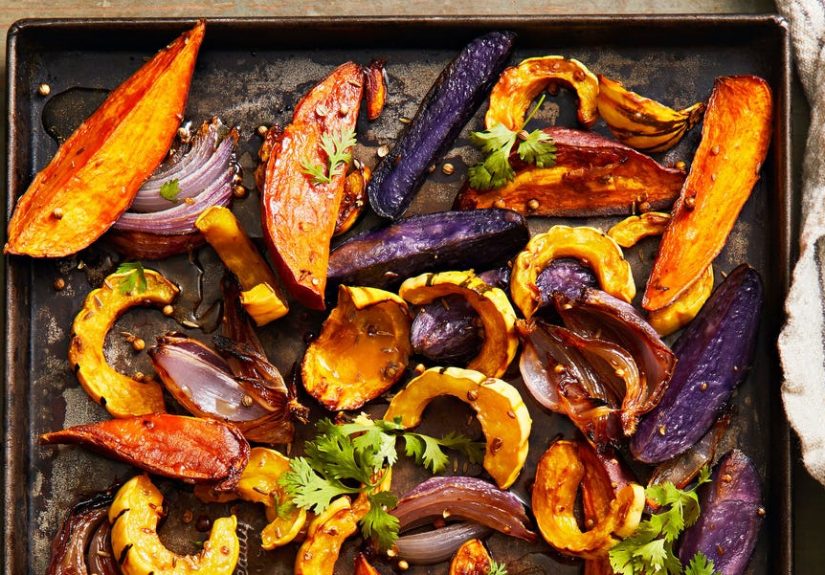
Roasted root vegetables are the side dish equivalent of a cozy sweater: reliable, warm, colorful, and somehow better when the weather is being dramatic. The best roasted root vegetables recipe is not complicated, but it does depend on a few smart choices: high heat, even cuts, enough room on the pan, and seasonings that bring out the natural sweetness of carrots, parsnips, sweet potatoes, beets, turnips, rutabaga, and onions.
This guide shows you exactly how to make roasted root vegetables that are caramelized on the outside, tender in the center, and flavorful enough to make people forget they once called turnips “suspicious potatoes.” Whether you need a Thanksgiving side dish, a healthy meal-prep vegetable recipe, or a colorful sheet pan dinner companion, this roasted root vegetables recipe belongs in your regular rotation.
Why This Is the Best Roasted Root Vegetables Recipe
The magic of roasted root vegetables comes from the oven doing what the oven does best: concentrating flavor. Root vegetables already contain natural sugars and earthy notes. When roasted at a high temperature, their edges brown, their centers soften, and their flavors deepen into something sweet, savory, and slightly nutty.
The best version balances texture and flavor. Too much oil makes the vegetables greasy. Too little oil leaves them dry and dusty, like they have been emotionally neglected. Crowding the pan causes steaming instead of roasting. Cutting everything into wildly different sizes means the sweet potatoes may collapse while the carrots are still practicing patience. This recipe avoids all of that.
For the most dependable result, roast at 425°F. That temperature is hot enough to encourage browning but not so aggressive that the vegetables burn before they become tender. A large rimmed baking sheet is ideal because it gives the vegetables space and catches any oil or juices.
Best Vegetables for Roasting
Root vegetables are flexible, which is great news if your produce drawer looks like it was packed during a treasure hunt. You can mix and match based on what you have, what is in season, or what your family actually eats without making dramatic faces.
Classic Root Vegetables
Carrots, parsnips, potatoes, sweet potatoes, beets, turnips, rutabaga, and celery root all roast beautifully. Carrots bring sweetness, parsnips add a nutty flavor, sweet potatoes become soft and caramel-like, and potatoes create the comforting bite everyone expects from a roasted vegetable side dish.
Flavor-Boosting Additions
Red onions, shallots, garlic cloves, fennel, and winter squash are not always technically root vegetables, but they work wonderfully in the same pan. Red onions turn jammy and sweet. Whole garlic cloves become mellow and spreadable. Fennel adds a gentle anise note that makes the whole dish taste more polished.
Vegetables to Handle Carefully
Beets are delicious, but they like to share their color with everyone in the pan. If you want a cleaner presentation, roast beets on one side of the pan or on a separate sheet. Sweet potatoes cook faster than dense carrots or rutabaga, so cut firmer vegetables slightly smaller and softer vegetables slightly larger.
Ingredients
- 2 large carrots, peeled and cut into 1-inch pieces
- 2 parsnips, peeled and cut into 1-inch pieces
- 1 medium sweet potato, peeled and cut into 1 1/4-inch pieces
- 1 medium Yukon Gold potato, cut into 1-inch pieces
- 1 small red onion, cut into wedges
- 1 small beet or turnip, peeled and cut into 1-inch pieces
- 3 tablespoons olive oil
- 1 1/4 teaspoons kosher salt
- 1/2 teaspoon freshly ground black pepper
- 1 teaspoon chopped fresh rosemary
- 1 teaspoon chopped fresh thyme
- 1/2 teaspoon garlic powder or 3 whole garlic cloves
- 1 tablespoon maple syrup or honey, optional
- 1 tablespoon fresh lemon juice or balsamic vinegar, for finishing
- 2 tablespoons chopped parsley, for garnish
How To Make Roasted Root Vegetables
Step 1: Preheat the Oven
Preheat the oven to 425°F. Place a large rimmed baking sheet in the oven while it preheats if you want extra browning. A hot pan gives the vegetables a head start, creating that satisfying sizzle when they hit the surface.
Step 2: Cut the Vegetables Evenly
Cut the vegetables into similar-sized pieces, usually around 1 inch. The goal is not mathematical perfection; this is dinner, not geometry court. Still, even pieces cook more evenly and give you a better mix of tender centers and browned edges.
Step 3: Season Generously
In a large bowl, toss the chopped vegetables with olive oil, kosher salt, black pepper, rosemary, thyme, and garlic powder. If using whole garlic cloves, add them to the pan instead of the bowl so they do not get smashed into oblivion.
If you like a slightly sweeter finish, add maple syrup or honey. Use just enough to enhance the natural sweetness, not enough to turn your sheet pan into vegetable candy. Root vegetables already know how to be sweet; they just need a little encouragement.
Step 4: Spread Everything Out
Carefully remove the hot baking sheet from the oven if you preheated it. Spread the vegetables in a single layer. Leave space between the pieces whenever possible. If the vegetables are piled on top of each other, they will steam instead of roast, and steamed vegetables are not invited to this crispy-edge party.
Step 5: Roast Until Tender and Caramelized
Roast for 35 to 45 minutes, stirring once or twice during cooking. The vegetables are done when they are fork-tender and browned around the edges. If the pieces are larger or especially dense, they may need a few extra minutes.
Step 6: Finish Brightly
Transfer the roasted root vegetables to a serving bowl. Add lemon juice or balsamic vinegar, then sprinkle with chopped parsley. This final touch wakes up the dish and keeps the flavor from feeling too heavy.
Recipe Tips for Perfect Roasted Root Vegetables
Use Enough Oil, But Do Not Flood the Pan
Olive oil helps heat transfer, browning, and flavor. About 3 tablespoons for a large sheet pan is usually enough. The vegetables should look lightly coated, not like they went swimming in an oil slick.
Do Not Crowd the Sheet Pan
This is the most common roasted vegetable mistake. If you are doubling the recipe, use two sheet pans. Crowded vegetables trap moisture, which slows browning. A little personal space works wonders, even for carrots.
Salt Before Roasting
Salt helps season the vegetables from the start and draws out enough moisture to improve flavor. You can always add a finishing pinch later, but do not wait until the end to season everything.
Add Fresh Herbs at the Right Time
Sturdy herbs like rosemary and thyme can roast with the vegetables. Delicate herbs like parsley, dill, or chives are better added at the end. Otherwise, they may burn or lose their fresh flavor.
Flavor Variations
Maple Dijon Roasted Root Vegetables
Whisk together 1 tablespoon maple syrup, 1 teaspoon Dijon mustard, and 1 teaspoon apple cider vinegar. Toss with the vegetables before roasting or drizzle over them during the last 10 minutes. This variation is excellent for holiday meals.
Garlic Parmesan Roasted Root Vegetables
Roast the vegetables with garlic and olive oil, then sprinkle with grated Parmesan during the last 5 minutes. The cheese melts into the edges and adds a savory finish. This is a great option for people who claim they “do not like vegetables” but mysteriously enjoy cheese.
Spiced Roasted Root Vegetables
Add 1/2 teaspoon cumin, 1/2 teaspoon smoked paprika, and a pinch of coriander. Finish with lemon juice and fresh cilantro or parsley. This version works well with rice bowls, lentils, grilled chicken, or roasted chickpeas.
Balsamic Herb Roasted Root Vegetables
Toss the vegetables with olive oil, rosemary, thyme, and salt. After roasting, drizzle with balsamic vinegar. The acidity balances the sweetness and gives the dish a glossy, dinner-party-worthy finish.
What To Serve With Roasted Root Vegetables
Roasted root vegetables are one of the easiest side dishes because they get along with nearly everything. Serve them with roast chicken, turkey, pork tenderloin, baked salmon, grilled steak, or a vegetarian main dish like lentils, quinoa, or creamy white beans.
They are also excellent in grain bowls. Add cooked farro, brown rice, quinoa, or couscous, then top with a simple sauce such as tahini dressing, yogurt sauce, pesto, or lemon vinaigrette. Add a fried egg if you want the meal to feel fancy with almost no effort.
For holiday dinners, roasted root vegetables bring color and balance to rich dishes like mashed potatoes, stuffing, gravy, and casseroles. They are hearty enough for Thanksgiving and Christmas, but simple enough for a regular Tuesday when everyone is hungry and nobody wants to negotiate with a complicated recipe.
Storage and Reheating
Store leftover roasted root vegetables in an airtight container in the refrigerator for up to 4 days. Let them cool before storing, but do not leave them sitting at room temperature for too long. For best texture, reheat them in a 400°F oven or air fryer until hot and crisp around the edges.
The microwave works if speed matters, but the vegetables will be softer. To revive them, microwave first, then finish in a hot skillet for a few minutes. That little extra step brings back some of the roasted texture and keeps leftovers from tasting like a sad desk lunch.
Common Mistakes To Avoid
Cutting Dense Vegetables Too Large
Rutabaga, carrots, turnips, and beets can take longer to soften than sweet potatoes or onions. If you mix them together, cut the firmer vegetables a bit smaller so everything finishes at roughly the same time.
Using a Low Oven Temperature
A low oven can make vegetables tender, but it may not brown them well. For the best roasted root vegetables, use high heat. The goal is a tender inside and caramelized outside, not pale cubes quietly giving up on flavor.
Skipping the Acid at the End
Lemon juice, balsamic vinegar, or apple cider vinegar may seem optional, but a small splash makes a big difference. Acid brightens the dish and balances the natural sweetness of the vegetables.
Best Roasted Root Vegetables Recipe Card
Prep Time
15 minutes
Cook Time
35 to 45 minutes
Total Time
50 to 60 minutes
Servings
6 servings
Instructions Summary
- Preheat oven to 425°F.
- Cut root vegetables into even pieces.
- Toss with olive oil, salt, pepper, herbs, and garlic.
- Spread in a single layer on a rimmed baking sheet.
- Roast for 35 to 45 minutes, stirring once or twice.
- Finish with lemon juice or balsamic vinegar and fresh parsley.
Experience Notes: What I Learned From Making Roasted Root Vegetables Again and Again
The first time I made roasted root vegetables, I treated the sheet pan like a storage unit. I piled on carrots, potatoes, onions, sweet potatoes, and a few mysterious vegetables from the back of the refrigerator. I added oil, sprinkled some salt, and hoped the oven would sort out my life choices. The result was edible, but not exciting. The vegetables were soft, pale, and slightly crowded-looking, like they had spent 40 minutes in traffic instead of roasting.
What changed everything was learning that space matters. Once I started using a larger baking sheet, or two pans when needed, the vegetables browned much better. The edges became crisp, the onions caramelized, and the potatoes developed that golden roasted flavor people actually reach for. It felt like unlocking a cooking secret, except the secret was simply “do not make your vegetables sit on each other.” Humbling, but useful.
I also learned that not all root vegetables cook at the same speed. Sweet potatoes soften quickly, while carrots and beets take their sweet time. Rutabaga behaves like it has an appointment next week. Cutting the denser vegetables smaller made the whole pan more consistent. If everything is the same size, you may still get uneven results because the vegetables themselves have different textures. Adjusting the cut size is one of those small details that makes the dish feel more professional.
Another lesson: seasoning before roasting is essential, but finishing after roasting is where the flavor becomes memorable. Salt, pepper, rosemary, thyme, and olive oil build the base. A splash of lemon juice or balsamic vinegar at the end makes the vegetables taste brighter and more complete. Without that final touch, the dish can be delicious but a little heavy. With it, the flavors suddenly stand up straight and introduce themselves properly.
Roasted root vegetables are also one of the best meal-prep foods. I have used leftovers in breakfast hash, grain bowls, wraps, salads, and soups. They are especially good with eggs, lentils, chicken, turkey, or a quick yogurt sauce. If the leftovers seem boring, the problem is usually not the vegetables; it is the lack of a sauce. Tahini lemon dressing, garlic yogurt, pesto, or even a spoonful of hummus can turn yesterday’s side dish into a very respectable lunch.
My favorite version uses carrots, parsnips, sweet potatoes, red onion, and a small amount of beet for color. I keep the seasoning simple with olive oil, kosher salt, black pepper, thyme, and rosemary. Then I finish with lemon juice and parsley. It tastes cozy without being dull, colorful without trying too hard, and healthy without announcing itself with a megaphone.
The best part is that roasted root vegetables forgive improvisation. No parsnips? Use extra carrots. No fresh herbs? Use dried thyme or Italian seasoning. Want something sweeter? Add maple syrup. Want something savory? Add garlic and Parmesan. Once you understand the method, the recipe becomes more of a reliable formula than a strict rulebook.
Conclusion
The best roasted root vegetables recipe is simple, colorful, and deeply flavorful. With a hot oven, evenly cut vegetables, enough space on the pan, and a bright finishing touch, humble roots become a side dish that can hold its own at weeknight dinners, holiday feasts, and healthy meal-prep sessions. This recipe works because it respects the basics: high heat for caramelization, proper seasoning for depth, and a little acidity for balance.
Whether you make it with carrots and potatoes or go all-in with parsnips, beets, turnips, rutabaga, and sweet potatoes, roasted root vegetables are proof that simple ingredients can taste impressive when cooked well. The oven does most of the work; you just need to give the vegetables enough room to become their best golden, tender, delicious selves.
Note: Original SEO-ready HTML body content with no source-link placeholders included.