Table of Contents >> Show >> Hide
- What Is Biltong, Exactly?
- Biltong Nutrition at a Glance
- Potential Benefits of Biltong
- What to Watch Out For
- Biltong vs Jerky: A Practical, Real-Life Comparison
- How to Choose a “Healthier” Bag (Without Needing a Nutrition PhD)
- Smart Ways to Eat Biltong (So It Doesn’t Turn Into “Accidental Dinner”)
- Bottom Line
- Real-World Experiences: What Biltong Is Like in Everyday Life (500+ Words)
If you’ve ever wandered the snack aisle looking for something that’s not a candy bar wearing a “protein” disguise, you’ve probably met jerky.
But biltong? Biltong is jerky’s cooler cousin who traveled internationally, learned a few spice tricks, and came back with better stories.
Both are dried meat snacks. Both are portable, shelf-friendly, and suspiciously good at disappearing during road trips.
The big question is: how do they stack up nutritionallyand is biltong actually “healthier,” or is that just marketing doing jazz hands?
Let’s break it down with real-world context, a little nutrition nerdiness, and a sense of humor that doesn’t require a warning label.
What Is Biltong, Exactly?
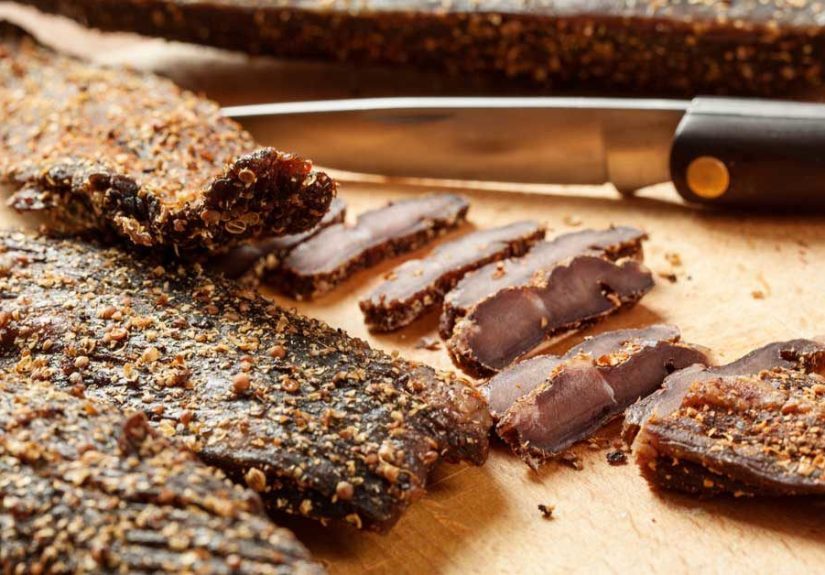
Biltong is a South African-style dried meat snack traditionally made from beef (but also sometimes game meats).
It’s usually seasoned with a vinegar-based cure and spices like coriander and black pepper, then air-dried.
Compared with typical American jerky, biltong is often thicker, less sweet, and cut in a way that can make it feel more “meaty” than “chewy.”
Think of jerky as the thin, marinated, dried slices you grew up with. Biltong is more like a steak that went on a minimalist retreat:
it lost water weight, kept the protein, and came home confident.
Biltong Nutrition at a Glance
Because biltong is essentially dehydrated meat, it tends to be high in protein for its size. Nutrients vary by cut of meat,
fat content, seasonings, and how it’s dried. But a common nutrition snapshot for a 1-ounce (28-gram) serving of beef biltong is around
80 calories and 16 grams of protein, with minimal carbs.
Why the numbers can swing a lot
- Cut matters: Leaner cuts = more protein per calorie; fattier cuts = more calories and saturated fat.
- Seasoning matters: Sugar-based marinades can add carbs; salty cures can drive sodium up.
- Moisture matters: Drier product = more concentrated nutrients per ounce.
How biltong compares to jerky nutritionally
Jerky can be a solid protein snack too, but many common jerkies are lower in protein per ounce than biltong and may contain more sugar,
depending on the marinade. Sodium can be high in both, which is often the make-or-break detail for “healthy snack” status.
| Category | Biltong (typical) | Jerky (typical) |
|---|---|---|
| Texture | Often thicker, tender-chewy, “steak-like” | Often thinner, drier-chewy, sometimes sticky |
| Flavor profile | Often savory, peppery, less sweet | Often sweet-salty, smoky, BBQ-style |
| Carbs | Often very low | Can be low, but many have added sugar |
| Sodium | Commonly high (varies by brand) | Commonly high (varies by brand) |
| Protein density | Often very high per ounce | Usually high, but varies more with marinades/cuts |
Potential Benefits of Biltong
1) High-protein, small-portion snack
Protein helps with satiety (feeling full), muscle repair, and steady energyespecially compared with snacks that are basically “crunchy air plus vibes.”
Biltong’s biggest nutrition flex is that you can get a meaningful protein hit without needing a full meal.
2) Low-carb option that doesn’t taste like compromise
If you’re trying to keep carbs moderate, biltong can fit well because many varieties have little to no added sugar.
That said, “low-carb” doesn’t automatically mean “eat the whole bag like it’s a personal challenge.”
3) Micronutrients that actually matter
Dried beef snacks can supply iron, zinc, and B vitaminsnutrients tied to oxygen transport, immune function, and energy metabolism.
In some biltong nutrition profiles, iron is notably high for a small serving.
4) Convenient, travel-friendly, and mess-resistant
You don’t need a fridge. You don’t need utensils. You don’t need to explain your snack choice to a coworker who brought a tuna salad sandwich
onto an airplane (and yet… someone always does).
What to Watch Out For
Sodium: the sneaky deal-breaker
Many dried meat snacks are salt-forward for both flavor and preservation. The American Heart Association recommends no more than
2,300 mg sodium/day and says an ideal target for most adults is 1,500 mg/day.
A single serving of jerky or biltong can take a noticeable bite out of that budgetespecially if you’re a “serving size is a suggestion” person.
If you’re already eating other salty foods (restaurant meals, chips, soups, sauces), dried meat can push you over the edge fast.
The “healthiest” choice sometimes isn’t biltong vs jerkyit’s “how much and how often.”
Processed meat concerns
Jerky is generally categorized as a processed meat, and many health organizations caution that frequent intake of processed meats
can be associated with higher long-term health risks. Mayo Clinic includes jerky among processed meats and notes these foods
are often high in sodium and may contain nitrates or nitrites.
Translation: dried meat snacks can absolutely fit into a balanced dietjust don’t make them your daily, all-day, forever protein plan.
Additives and sweeteners
Some jerkies are basically a meat-based candy situation: sweet marinades, added sugars, and long ingredient lists.
Biltong often runs more savory, but labels vary wildly by brand. The ingredient list is your truth serum.
Food safety, especially with homemade versions
Store-bought products are made under controlled conditions. Homemade dried meats are where people can get into trouble if they skip safety steps.
USDA guidance for making jerky safely includes heating meat to 160°F (and poultry to 165°F) before the drying process.
If you’re experimenting at home, follow established food-safety guidance closelybecause food poisoning is not the kind of “gut health reset”
anyone is looking for.
Biltong vs Jerky: A Practical, Real-Life Comparison
1) Taste and texture
Biltong is often thicker and can feel more tender, especially when sliced across the grain.
Jerky is typically thinner, drier, and sometimes sticky from sugary marinades.
If you hate jerky because it feels like chewing on a leather wallet, biltong might convert you.
2) Ingredients and sugar
Many popular jerkies lean into BBQ, teriyaki, honey, and “sweet heat” profiles. That can mean more sugar and sometimes more carbs.
Biltong tends to be more savory and spice-forward, which can make it easier to find very low-carb optionsthough nothing is guaranteed.
3) Protein-per-calorie potential
Because biltong is often made with lean cuts and less sugary marinade, it can be especially protein-dense.
A common example: about 16g protein for around 80 calories per ounce, depending on the product.
Jerky can be high-protein too, but some versions trade protein density for sugar, fat, or both.
4) Sodium reality check
Neither snack automatically wins here. Both can be salty.
If sodium is a concern for you (or your blood pressure is sending strongly worded emails), “low sodium” or “reduced sodium” versions
can be worth seeking outand pairing with potassium-rich foods (like fruit or beans) can help balance an overall eating pattern.
How to Choose a “Healthier” Bag (Without Needing a Nutrition PhD)
- Check sodium first: Compare brands. The difference can be huge.
- Scan for added sugar: If “sugar” shows up early in the ingredient list, it’s doing more than just saying hello.
- Look for short ingredient lists: Meat + vinegar + spices is a good sign. A paragraph-long list is… a personality.
- Choose the right fat level: Leaner if you want protein efficiency; slightly fattier if you want more calories for endurance activities.
- Mind the serving size: Many bags contain multiple servingswhether or not your hands agree.
Smart Ways to Eat Biltong (So It Doesn’t Turn Into “Accidental Dinner”)
Biltong works best as a protein booster, not a solo act. Pair it with fiber and/or produce so you stay full longer and keep your overall
diet in balance.
- With fruit: Apples, grapes, or berries for a sweet contrast (and a break from salt).
- With crunchy veggies: Carrots, cucumbers, bell pepperseasy, hydrating, snackable.
- With nuts: Great for hiking fuel; just watch the salt if your nuts are salted too.
- On a salad: Use small pieces like croutonsexcept they’re protein, not bread cosplay.
Bottom Line
Biltong can be an excellent high-protein snack with a savory profile and, in many cases, fewer added sugars than typical jerky.
It may offer strong protein density and helpful minerals like ironbut it can also be high in sodium and still falls under the “processed meat”
umbrella depending on how it’s made.
If you want the best of both worlds, choose products with minimal added sugar, compare sodium across brands, keep portions reasonable,
and treat dried meats as a helpful snack toolnot the foundation of every meal you eat from now until the end of time.
Real-World Experiences: What Biltong Is Like in Everyday Life (500+ Words)
The “I Need Protein, Not a Nap” Afternoon
There’s a specific moment around mid-afternoon when your brain quietly quits its job. You’re still sitting at your desk, sure, but mentally you’re
scrolling vacation photos from three summers ago. This is where biltong tends to shine: it’s a quick, no-fuss protein hit that feels more like
“real food” than a neon-colored snack bar that tastes like birthday cake and regret.
People who swap a sugary snack for something protein-forward often describe feeling more stable energy afterwardnot because biltong is magical,
but because protein tends to be more satisfying than straight carbs. The funny part is how quickly it becomes a “default snack”:
toss a bag in a drawer, forget it exists, then rediscover it when you’re one email away from turning into a dramatic Victorian character
who “simply cannot go on.”
The Gym Bag Hero (With a Plot Twist)
If you’ve ever finished a workout and realized you’re exactly three minutes away from eating whatever is closestincluding that random muffin
you didn’t even wantyou understand the appeal of biltong in a gym bag. It’s compact, protein-dense, and doesn’t need refrigeration for short periods.
It’s the snack equivalent of showing up with a plan.
The plot twist is sodium. After sweating, salty foods can taste extra satisfying, which makes it very easy to keep snacking past the point
where it’s helpful. The “best” gym bag biltong moment is when you treat it like a bridge: biltong now, a balanced meal later.
The “worst” is when you finish the bag, then wonder why you’re thirsty enough to drink a swimming pool.
Road Trip Snack Strategy That Doesn’t Taste Like Gas Station Dessert
Road trips are where nutrition plans go to… take a break. You start with good intentions, and then suddenly you’re holding a family-size bag of
something that’s 40% sugar and 60% crunch. Biltong is a practical alternative because it’s filling and doesn’t require you to choose between
“candy” and “more candy.” It also pairs well with easy road-trip add-ons: a banana from a rest stop, a bag of baby carrots, or a handful of unsalted nuts.
The most relatable road-trip biltong experience, though, is negotiating with the people you’re traveling with.
Someone always wants “the sweet jerky,” someone wants “the spicy one,” and someone insists they “don’t like dried meat,”
then mysteriously starts stealing pieces. Biltong has a way of winning people over because it’s often less sugary and tastes more like seasoned beef than candy.
The “Ingredient List Detective” Phase
Once you try a few brands, you start noticing patterns. One biltong is clean and peppery with a short ingredient list; another tastes amazing but
has sodium that could preserve a small dinosaur. This is where people get surprisingly into label-readingcomparing protein per serving,
checking for added sugars, and looking for versions that fit their needs.
It’s also where you realize biltong and jerky aren’t single foods; they’re categories. You can find jerky that’s simple and low-sugar,
and you can find biltong that’s heavily salted or made with fattier cuts. The “experience” here is learning what works for you:
maybe you want a lean, high-protein option for weekday snacking, and a richer, more indulgent option for hiking days when you actually need the extra calories.
Hosting, Charcuterie Boards, and the “Wait, That’s Not Jerky?” Moment
Put biltong on a snack board and someone will ask about it. It’s practically guaranteed.
The fun part is watching the “jerky expectation” meet the “biltong reality.” People expect something thin and sweet and chewy.
Then they taste something more savory, sometimes more tender, and the conversation shifts into “Okay, where do you buy this?”
It’s a great reminder that healthy-ish eating doesn’t have to be boring. A snack can be both nutritious and genuinely enjoyableespecially when you serve it
with fresh fruit, crunchy veggies, and other whole foods that balance salt and intensity. And yes, you may still end the night picking tiny biltong crumbs
off a cutting board like a snack archaeologist. It’s fine. You’re thriving.