Table of Contents >> Show >> Hide
- What “blackened” really means (and why it’s not burnt)
- Choosing catfish that cooks like a dream
- Blackening seasoning: DIY blend that tastes bold, not dusty
- Equipment checklist
- Blackened Catfish Recipe (Step-by-Step)
- Sauces and sides that make it a whole Southern moment
- Variations you can use without angering the “cast iron only” crowd
- Storage, reheating, and make-ahead tips
- Troubleshooting: common blackening problems (and quick fixes)
- of Real-World Blackened Catfish Experiences
- SEO Tags
Blackened catfish is the kind of dinner that makes your kitchen smell like a New Orleans restaurant (in the best way) and makes your smoke detector feel emotionally involved in the cooking process. You get a spicy, paprika-red crust that turns deep brown-black in the pan, while the fish stays tender and juicy inside. It’s bold, fast, and dramaticlike a reality show episode, but edible.
This guide walks you through a classic cast-iron blackened catfish recipe, a DIY blackening seasoning that actually tastes like something, doneness and safety tips, and a few side-and-sauce ideas that turn “fish night” into “why don’t we do this every week?”
What “blackened” really means (and why it’s not burnt)
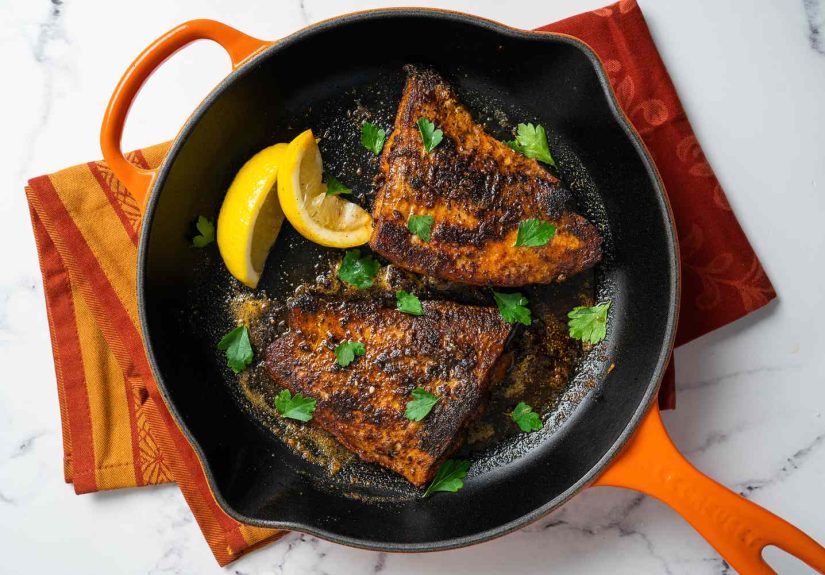
“Blackened” isn’t code for “oops, I walked away.” It’s a high-heat cooking technique where fish gets coated in a spice blend (often with paprika, herbs, garlic/onion powder, and cayenne), then seared in a ripping-hot pantraditionally cast ironoften with butter involved. The crust darkens quickly because the spices toast and the fats brown, creating a savory, smoky, peppery outer layer that tastes like a campfire made friends with a spice cabinet.
The crust is a controlled stunt
Blackening is about intense heat + a dry surface + the right amount of fat. Too much moisture on the fish and you’ll steam instead of sear. Too much spice piled on in a thick layer and you’ll get bitter char. Too little heat and you’ll end up with “lightly embarrassed catfish” instead of blackened. The goal: a dark crust that’s flavorful, not ashy.
Choosing catfish that cooks like a dream
Catfish is ideal for blackening because it’s mild, slightly sweet, and sturdy enough to handle high heat without falling apart if you treat it nicely (read: don’t poke it 47 times with a spatula). Look for fillets that are evenly thick so they cook at the same speed.
Fresh vs. frozen
Frozen catfish can work beautifullyoften it’s frozen quickly at peak freshness. The key is thawing safely and drying the fillets well before seasoning. Patting the fish dry is not optional here; it’s the difference between a crust and a sad, soggy spice slip-n-slide.
A quick note on U.S. farm-raised catfish
U.S. farm-raised catfish is widely available, consistently mild, and popular for a reason: it’s easy to cook and plays well with bold seasonings. If you’ve ever thought you “don’t like fish,” catfish is often the one that changes mindsespecially when it shows up wearing a Cajun spice jacket.
Blackening seasoning: DIY blend that tastes bold, not dusty
You can use a store-bought blackening seasoning, but making your own lets you control salt and heat. A classic blackening mix leans on paprika for color and body, herbs for depth, and cayenne for the “hello there” at the end of every bite.
DIY blackening seasoning (makes about 5 tablespoons)
- 1 tablespoon paprika (smoked paprika if you want extra smoky swagger)
- 2 teaspoons kosher salt
- 2 teaspoons black pepper
- 1 1/2 teaspoons garlic powder
- 1 1/2 teaspoons onion powder
- 1 teaspoon dried thyme
- 1 teaspoon dried oregano
- 1/2 to 1 teaspoon cayenne pepper (depending on your bravery)
- Optional: 1 teaspoon brown sugar (helps browning and rounds heat)
- Optional: 1/2 teaspoon ground cumin (adds a warm, earthy note)
Heat-level dial
Want it family-friendly? Use 1/2 teaspoon cayenne and add a squeeze of lemon at the end for brightness. Want it “I can feel my pores opening”? Go full teaspoon (or more) of cayenne, and consider a creamy side like coleslaw or grits to balance the spice.
Equipment checklist
Cast iron, ventilation, and a very understanding smoke detector
Cast iron matters because it holds heat like it’s guarding a secret. That steady, brutal heat is what creates the signature crust. You’ll also want:
- A heavy cast-iron skillet (10–12 inches is ideal)
- Paper towels (for drying fish and wiping up spice confetti)
- Tongs or a thin spatula (thin is keyfish is delicate)
- An instant-read thermometer (optional, but extremely helpful)
- A range hood or open window (blackening is delicious… and enthusiastic)
Blackened Catfish Recipe (Step-by-Step)
Quick recipe snapshot
- Servings: 4
- Prep time: 10 minutes
- Cook time: 6–10 minutes (depending on thickness)
- Total time: About 20 minutes
- Main keyword moment: This is a classic blackened catfish recipe built for a hot cast-iron skillet.
Ingredients
- 4 catfish fillets (about 4–6 ounces each)
- 2–3 tablespoons blackening seasoning (store-bought or the DIY blend above)
- 2 tablespoons unsalted butter, melted (or clarified butter for less smoke)
- 1 tablespoon neutral oil with a high smoke point (avocado, canola, peanut, grapeseed)
- 1 lemon, cut into wedges
- Optional finishing: chopped parsley or green onions
Instructions
- Dry the fish like you mean it. Pat catfish fillets very dry with paper towels. (Moisture is the enemy of crust.)
- Season generously. Brush or rub both sides of each fillet with melted butter, then coat with blackening seasoning. Press the spices in lightly so they stick.
- Heat the skillet until it’s seriously hot. Place a cast-iron skillet over medium-high to high heat for several minutes. You want it very hot before the fish goes in. Turn on the hood, open a window, and consider warning your household that “everything is fine.”
- Add oil, then fish. Add the oil to the skillet. Carefully lay in the fillets (away from you to avoid splatter). Don’t crowd the pancook in batches if needed.
- Sear without fussing. Cook 3–5 minutes on the first side, depending on thickness, until the crust is dark and the fish releases more easily. Flip once and cook another 2–4 minutes.
- Check doneness and rest briefly. The fish is done when it flakes easily and reaches an internal temperature of 145°F at the thickest part. Rest 2 minutes, then finish with lemon and herbs if you like.
Timing & doneness tips
Catfish fillets vary in thickness, so time is a guide, not a law. As a rough rule, thin fillets might need ~3 minutes per side; thicker ones can push 4–5 minutes on the first side and 3–4 on the second. If your crust is darkening too fast, lower the heat slightlyblackened is the vibe; bitter is not.
Kitchen-safety reality check
Blackening can create smoke because spices and fats meet very high heat. Use ventilation and avoid leaning directly over the skillet like you’re trying to read its thoughts. If you’re sensitive to smoke, consider clarified butter (less milk-solid browning) or a slightly lower heat with a longer cook time.
Sauces and sides that make it a whole Southern moment
Blackened catfish can be the main event or the star protein in tacos, bowls, or sandwiches. The crust is bold, so pair it with something creamy, tangy, or lightly sweet for balance.
Fast “Creole-ish” skillet sauce (5 minutes)
Want that restaurant finish without turning dinner into a two-hour saga? After removing the fish:
- Lower heat to medium.
- Add 1 tablespoon butter and 1/3 cup chopped onion or green onion.
- Cook 1–2 minutes, then add 1 minced garlic clove and cook 30 seconds.
- Add 1/2 cup diced tomatoes (or a spoon of tomato paste + splash of water) and a pinch of the seasoning.
- Finish with a squeeze of lemon. Spoon over fish.
It’s not a strict, traditional Creole saucemore like a weeknight shortcut with the right attitude. If you want it richer, stir in a spoonful of mayo-based remoulade on the side instead of saucing the fish directly.
Side ideas
- Grits: Creamy grits are basically a spicy-crust shock absorber.
- Rice or dirty rice: Turns blackened catfish into an easy bowl situation.
- Coleslaw: Crunch + tang + cool = perfect counterbalance.
- Roasted veggies: Okra, bell peppers, zucchinianything that likes a little char.
- Tacos: Slice the fish, tuck into tortillas, add slaw, and squeeze lime. Instant victory.
- Po’ boy style: Put it on a soft roll with lettuce, pickles, and a quick remoulade.
Variations you can use without angering the “cast iron only” crowd
Oven-broiled blackened catfish (lower smoke, still bold)
If your smoke detector is the anxious type, broiling is a solid plan. Season the fish as above, place it on a lightly oiled sheet pan, and broil 4–8 minutes (depending on thickness), flipping once if needed. You’ll get great color with less pan smokethough the crust won’t be quite as intense as cast iron.
Grill + cast iron
If you love grilling but want true blackening, place a cast-iron skillet on the grill grates and preheat it. Then cook the fish in the skillet on the grill. It’s the same technique, just outdoorsaka the smoke has somewhere to go.
Blackened catfish salad bowls
Make the fish as written, then serve over greens with corn, avocado, cherry tomatoes, and a creamy dressing. The spice crust + cool veggies combo is ridiculously good, and you’ll feel like you have your life together.
Storage, reheating, and make-ahead tips
Blackened fish is best right away (that crust is a fleeting work of art), but leftovers can still be tasty. Store cooled fish in an airtight container in the refrigerator and eat within 3–4 days. For reheating, use a skillet over medium heat with a tiny bit of oil, or a toaster oven/oven to help revive the crust. Microwaving works in an emergency, but it will soften the cruststill delicious, just less crunchy.
Want to prep ahead? Mix the seasoning in advance and keep it in a sealed jar. You can also portion and dry the fish, then refrigerate it briefly before cookingjust don’t season too far ahead, or salt can draw moisture to the surface and sabotage your crust.
Troubleshooting: common blackening problems (and quick fixes)
“My fish is spicy, but the crust isn’t dark.”
The pan probably wasn’t hot enough, the fish was too wet, or you used a nonstick pan that couldn’t hold heat. Dry the fish more thoroughly, preheat cast iron longer, and don’t add fish until the pan is truly hot.
“My crust tastes bitter.”
Heat was too high for too long, or the spice layer was too thick. Reduce heat slightly, shorten cook time, and use a lighter, even coating of seasoning. Also consider clarified butter or adding oil first, then finishing with butter at the end.
“The fish sticks!”
If you try to flip too early, it clings. Let it cook until it releases more easily. Also ensure there’s enough oil in the pan, and avoid moving the fish around once it hits the skillet.
“My kitchen got smoky.”
Welcome to blackening. Use ventilation, consider cooking in batches, and choose a high smoke point oil. If needed, use broiling or grill + skillet to keep smoke out of your home.
of Real-World Blackened Catfish Experiences
If you ask a group of home cooks what blackened catfish is really like, you’ll hear the same three themes: confidence, chaos, and pride. Confidence because it’s fast and forgiving once you learn the rhythm. Chaos because the first time you crank up cast iron to “volcano,” you realize your hood fan has only two settings: “gentle breeze” and “still not enough.” And pride because when that crust turns dark and aromatic, the whole kitchen smells like you absolutely meant to do that.
One common experience: the “too much seasoning” moment. It’s tempting to pile on a thick layer of spices, thinking more equals better. But most people discover quickly that blackening isn’t about a spice blanket; it’s about a thin, even coat that toasts properly. When you go too heavy, the outside can turn bitter before the fish finishes cooking. The fix is simple and oddly satisfying: pat the fish dry, brush lightly with butter or oil, and dust evenly like you’re seasoning with intentionnot trying to hide the fish’s identity.
Another real-life detail: your timing gets better the second you stop flipping early. Lots of cooks “panic flip” because the spices look dark quickly. But blackened catfish needs a minute to develop a crust that releases from the skillet. The best trick is psychological: set a timer for the first side, keep your hands busy (slice lemon, plate your sides, pretend you’re calm), and flip once. After a couple of tries, you start trusting the process, and the fish stops fighting you.
People also learn their personal heat preference through blackened catfish. Some fall in love with the full Cajun burn, then realize they need a creamy sideslaw, grits, or a simple sauceto balance it. Others start mild and gradually increase cayenne over a few dinners until they hit the sweet spot where it’s spicy, but you can still taste the fish and not just your own regret. Blackened catfish is basically a very tasty self-awareness exercise.
Finally, there’s the “how do I serve this so it feels special?” experience. The answer is usually something bright and crunchy. A squeeze of lemon, a quick cucumber salad, or shredded slaw turns the dish from heavy to lively. And if you want maximum weeknight joy, turn leftovers into tacos the next day: warm tortillas, flaked fish, crunchy slaw, and a drizzle of something creamy. The crust softens a bit, but the flavor is still loudin the best way. At that point, blackened catfish stops being a recipe and starts being a reliable little ritual: heat, spice, sizzle, victory.