Table of Contents >> Show >> Hide
- Why Brandi Glanville’s New Smile Became a Headline
- The Timeline of a Very Public Health Ordeal
- The New Smile Moment: More Than Cosmetic Maintenance
- The Parasite Headline vs. the Fuller Medical Picture
- What This Celebrity Health Story Says About Fame, Faces, and Fear
- Related Experiences: What a Battle Like This Can Feel Like in Real Life
- Conclusion
Celebrity comeback photos usually come with a spray tan, a flattering angle, and maybe a strategic ring light. Brandi Glanville’s latest smile reveal came with something far heavier: years of fear, a mountain of medical bills, public scrutiny, dental damage, and a health mystery that turned her face into headline material. That is why her new look has landed differently. It is not just another red-carpet refresh. It is the visual payoff to a long, messy, emotional battle that played out in public view.
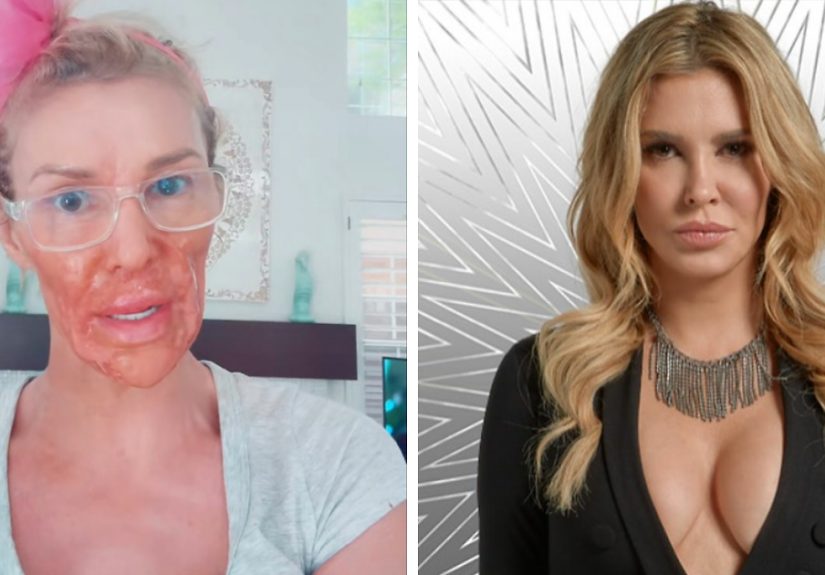
For months, Glanville described what she believed was a parasite or infection causing facial swelling, shifting skin texture, pain, drainage, and damage to her teeth. She spoke openly about seeing multiple doctors, trying temporary treatments, and burning through more than $130,000 in the process. Then came the more hopeful turn: a restored smile, cosmetic support before Sundance, and later, what she described as a real diagnosis after years of uncertainty. In a celebrity culture that loves a dramatic before-and-after, this story stood out because the “before” was not vanity. It was vulnerability.
This article looks at why Brandi Glanville’s new smile became such a talking point, how the story evolved from a parasite claim into a more complex medical explanation, and why people were so invested in the outcome. It is part celebrity update, part cautionary tale, and part reminder that health battles rarely follow a neat script. Reality TV may love plot twists, but real bodies are much less cooperative.
Why Brandi Glanville’s New Smile Became a Headline
The internet did not latch onto this update just because Brandi Glanville looked better in a selfie. It mattered because her appearance had become the public symbol of a frightening private ordeal. Over time, she shared swollen and uneven facial images, described sensations under her skin, and talked about feeling isolated, depressed, and financially drained. That made the later “new smile” moment feel bigger than cosmetic. It read like progress.
There was also a very human detail at the center of the story: teeth. Facial illness and dental damage can affect more than appearance. They can change the way a person speaks, eats, laughs, and shows up in public. When Glanville shared that she had been getting help to bring back her smile, the update landed because a smile is one of the most emotionally loaded things a person can lose. It sits right at the crossroads of confidence, health, and identity.
That is why the phrase “new smile” works so well in headlines. It suggests recovery without promising perfection. It hints at resilience without pretending the hard part is over. In Brandi’s case, it also gave readers a cleaner, more hopeful way into a story that had previously been dominated by words like “disfigurement,” “parasite,” “drainage,” and “melted away.” Not exactly the vocabulary of a breezy celebrity beauty item.
The Timeline of a Very Public Health Ordeal
From swelling and speculation to a medical mystery
Glanville has said her health issues began after filming The Real Housewives Ultimate Girls Trip in Morocco in 2023. At different points, she publicly floated several possible explanations for what was happening to her face, including stress-related swelling, infection, fillers, and a parasite. That uncertainty became part of the story. There was no tidy diagnosis at the start, only symptoms, fear, and a lot of trial and error.
Like many people facing a baffling medical problem, she seems to have lived in that terrible in-between stage where something is clearly wrong, but every answer feels incomplete. One doctor says one thing, another says something else, and none of those opinions immediately restore your face, your routine, or your peace of mind. When she spoke about painful lumps, swollen lymph nodes, facial drainage, and ongoing changes in her appearance, it painted the picture of someone stuck in diagnostic limbo.
That limbo is one reason the story kept growing. The public was not just following a celebrity health scare. People were watching a mystery unfold in real time. Every update raised a fresh question. Was it infection? Was it inflammation? Was it a filler complication? Was it something she picked up while traveling? Was it all being made worse by stress and the pressure of being publicly judged for how she looked?
The money, the doctors, and the emotional toll
If there is a detail that made people do a double take, it was the price tag. Reports tied the ordeal to more than $130,000 in medical spending and consultations with more than 20 doctors. That number turned the story from celebrity gossip into something more relatable and more unsettling. Because underneath the fame was a nightmare many regular people understand all too well: paying a fortune for answers that still do not fix the problem.
Glanville also described social withdrawal, housebound stretches, and the emotional damage caused by not knowing what was happening to her own face. That part of the story matters because appearance-related health issues often hit with a double force. There is the physical pain, and then there is the mental weight of feeling watched. When your face changes, people notice. When you are famous, everyone notices. That turns a medical issue into a performance you never agreed to star in.
Her comments about not socializing, spending her money on treatment, and feeling like she needed her life to change added a layer of seriousness that cut through the tabloid packaging. This was not just a case of “celeb debuts dramatic transformation.” It was also a story about how chronic uncertainty can erode confidence, finances, and identity one appointment at a time.
The New Smile Moment: More Than Cosmetic Maintenance
The phrase “new smile” can sound lightweight, but in this case it reflects something much deeper. Glanville’s dental problems were reportedly linked to the broader facial issue, and she publicly thanked medical and dental professionals for helping restore her smile. That matters because dental repair is not merely a beauty treatment when illness or inflammation has already made speaking, eating, or smiling harder.
Then came the more camera-ready phase of the comeback. Ahead of a Sundance appearance, she thanked Beverly Hills plastic surgeon Dr. Nicholas Nikolov and referenced a CellSound treatment that helped prepare her for the event. That detail gave entertainment outlets the kind of visual update they love: after months of alarming health posts, there she was smiling again, with smoother-looking skin and enough confidence to pose publicly.
Still, the smartest way to read this moment is not as a magical makeover. It is better understood as a recovery checkpoint. A smile can return before the whole story is over. A face can look healthier while the underlying explanation is still being sorted out. Celebrity coverage often rushes to the tidy ending, but this one was never that simple. The photo was hopeful, yes. It was not a fairy tale with lip gloss.
The Parasite Headline vs. the Fuller Medical Picture
Here is where the story gets more complicated, and frankly more important. The headline language around Brandi Glanville often centered on a “face-disfiguring parasite” because that is the phrase she used publicly for much of the ordeal. It was vivid, memorable, and impossible for tabloids to resist. But later reporting added a major twist: she said she had finally received a diagnosis, and then she linked the facial problems to ruptured breast implants and silicone affecting her lymphatic system.
That shift matters. It does not erase her earlier descriptions, but it changes how the public should understand the saga. What began in headlines as a parasite mystery eventually sounded, by her later account, more like a complex health problem involving inflammation, infection, lymphatic blockage, and complications from older implants. In other words, the loudest label was not necessarily the final one.
This is also a useful reminder that self-diagnosis is often emotional long before it is accurate. When a person is desperate, frightened, visibly changing, and not getting clear answers, they may describe their condition in the most immediate language available to them. The body feels invaded, so “parasite” becomes the word. That does not make the fear fake. It just means the vocabulary of distress can arrive before the vocabulary of diagnosis.
Medical background helps explain why the story became so tangled. Parasites can cause illness, and some infections can lead to swelling or skin changes. At the same time, facial swelling and enlarged lymph nodes can stem from many other issues, including infections and inflammatory problems. That is exactly why cases like this become so difficult to pin down. The symptom list may be real, dramatic, and disruptive, while the cause remains stubbornly unclear for far too long.
What This Celebrity Health Story Says About Fame, Faces, and Fear
Brandi Glanville’s saga resonated because it sat right where celebrity culture and everyday fear overlap. Most people will never walk a Sundance red carpet, but plenty know what it feels like to stare at their own body and think, “Something is wrong and I need someone to believe me.” That emotional core gave the story staying power.
It also exposed the bizarre contradiction of modern fame. Audiences expect celebrities to be transparent, but they are also brutally judgmental when stars show the messy, unfiltered reality of illness. Share too little, and people speculate. Share too much, and people mock the photos, question the symptoms, or turn your pain into content. Glanville’s updates lived right inside that contradiction.
There is another reason the story hit a nerve: the face is personal territory. A hidden injury is one thing. A visible facial change is something else entirely. It alters how strangers respond to you. It can change your willingness to leave the house. It can make every mirror feel like a rude little press conference. That is why the “new smile” angle carried such symbolic power. It suggested not just improvement, but re-entry into the world.
Related Experiences: What a Battle Like This Can Feel Like in Real Life
One reason stories like this spread so quickly is that they tap into a very recognizable experience: the slow, exhausting grind of being unwell in a way that other people can see. Even when the specifics are unusual, the emotional pattern feels familiar. First comes confusion. Then comes denial. Then comes the part where every day starts sounding like a to-do list written by a stressed-out pharmacist: call the doctor, schedule the scan, try the medication, check the swelling, cancel the dinner plans, explain to one more person that no, you are not “fine,” you are functioning.
When the issue affects the face, the experience can become even more intense. You cannot tuck your face into a loose sweater and pretend nothing is happening. A facial change can greet you in every mirror, every selfie camera, every grocery store interaction, every awkward “Are you tired?” from someone who thinks they are being subtle. People often underestimate how emotionally draining that can be. It is not vanity. It is visibility. There is a difference.
Then there is the money. A long health ordeal can turn life into a revolving door of co-pays, prescriptions, specialist visits, second opinions, imaging appointments, procedures, and treatments that work just well enough to give you hope before failing again. It is exhausting to hurt. It is even more exhausting to pay premium prices for uncertainty. That is why six-figure medical stories get such a reaction. People are not just shocked by the number. They are reacting to what the number represents: desperation with receipts.
Another layer is isolation. Many people dealing with visible health problems begin shrinking their world without even realizing it. They skip events. They dodge photos. They stop smiling naturally. They become experts in angles, lighting, and last-minute cancellations. The outside world may interpret that as being dramatic, reclusive, or difficult. In reality, it is often just self-protection. It is hard to be socially relaxed when you feel like your body has become the topic before you have even said hello.
That is why moments of improvement carry so much emotional weight. A restored smile, a better photo, a public appearance, or a day when your reflection finally looks a little more familiar can feel enormous. Not because everything is cured, but because those moments suggest your identity is still reachable. They say, in effect, “I am still here under all this.” And maybe that is the real reason Brandi Glanville’s latest update drew so much attention. Beneath the celebrity framing and the dramatic wording, people recognized something achingly human: the relief of catching a glimpse of yourself again after a long time feeling lost.
Conclusion
Brandi Glanville’s new smile is not just a celebrity beauty update. It is the latest chapter in a long, uneven story about pain, uncertainty, money, appearance, and survival under public scrutiny. The early headlines leaned hard into the “face-disfiguring parasite” angle because it was shocking and clickable. But the fuller story is more layered than that. It includes shifting theories, real physical distress, dental fallout, emotional strain, and a later explanation tied to ruptured implants and lymphatic complications.
What makes the story memorable is not just the transformation. It is the road there. Readers saw someone move from frightening facial changes and unanswered questions to a more hopeful, smiling update that suggested momentum, if not total closure. In an era of polished celebrity image control, that kind of messy honesty stands out. And for anyone who has ever fought for a diagnosis, hidden from a camera, or spent too much money trying to get their life back, this headline hits for a reason.