Table of Contents >> Show >> Hide
- What Is Browned Butter Sauce?
- Why This Sauce Works (A Little Food Science, No Lab Coat Required)
- Ingredients
- Equipment You’ll Actually Notice Helps
- Browned Butter Sauce Recipe (Foolproof, Fast, and Gloriously Nutty)
- 5 Quick Variations (Same Base, Different Vibes)
- How to Use Browned Butter Sauce (Specific, Delicious Examples)
- Common Mistakes (And How to Avoid Them)
- Make It Easier: Two Timing Tricks
- Storage and Reheating
- FAQ
- Kitchen Experiences: Real-Life Browned Butter Stories (So You Don’t Learn the Hard Way)
- Conclusion
If regular melted butter is a friendly handshake, browned butter is a bear hug in a cashmere sweater.
It’s nutty, toasty, and somehow makes “I threw dinner together” taste like “I meant to impress you.”
The best part? A classic browned butter sauce recipe needs just one core ingredient and about the same level of focus as parallel parking:
calm at first, then suddenly very serious for the last minute.
What Is Browned Butter Sauce?
Browned butter (also called beurre noisette, French for “hazelnut butter”) is butter gently cooked until its water cooks off and the milk solids toast.
Those browned milk solids are the flavor jackpotthink toasted nuts, caramel, and warm shortbread vibes.
When you turn that browned butter into a sauce (often with herbs, citrus, capers, garlic, or a splash of liquid), you get a fast, glossy finishing sauce
that works on everything from ravioli to roasted vegetables to fish.
Why This Sauce Works (A Little Food Science, No Lab Coat Required)
Butter is an emulsion of fat, water, and milk solids. When you heat it, the butter melts, water starts to bubble out, and the milk solids sink.
As those solids toast, they create deep flavor and aroma. The window between “perfectly golden and nutty” and “why does my kitchen smell like regret?”
is short, which is why technique matters more than fancy ingredients.
Ingredients
The Base (Makes About 1/3 Cup Sauce)
- 8 tablespoons (1 stick) unsalted butter (salted works, but unsalted gives you control)
- Kosher salt, to taste
- Freshly ground black pepper, to taste
Optional Add-Ins (Choose One “Lane”)
- Sage Lane: 8–12 fresh sage leaves + lemon juice
- Bright Lane: lemon juice or zest, or a splash of white wine
- Briny Lane: 1–2 tablespoons capers (patted dry) or chopped olives
- Garlic Lane: 1 small clove garlic, finely minced (add at the right timemore on that below)
- Sweet Lane: 1/2 teaspoon vanilla + pinch of cinnamon (for pancakes, fruit, or baked goods)
- Umami Lane: 1–2 teaspoons miso or a spoonful of oyster sauce (yes, really)
Equipment You’ll Actually Notice Helps
- A light-colored skillet or saucepan (so you can see the color change)
- A silicone whisk or heatproof spatula (to keep the milk solids moving)
- A small heatproof bowl (to stop the cooking quickly)
Browned Butter Sauce Recipe (Foolproof, Fast, and Gloriously Nutty)
Step 1: Cut and Melt
Cut the butter into tablespoon chunks so it melts evenly. Set a light-colored pan over medium heat.
Add butter and let it melt, stirring or swirling occasionally.
Step 2: Listen for the Mood Shift
Once melted, the butter will begin to foam and sizzle as water evaporates.
This is normal. This is not yet browned butter. This is “the opening act.”
Step 3: Stir Through the Foamy Stage
When the foaming ramps up, start stirring more consistently, scraping the bottom.
You’re preventing milk solids from sticking and burning in one spot.
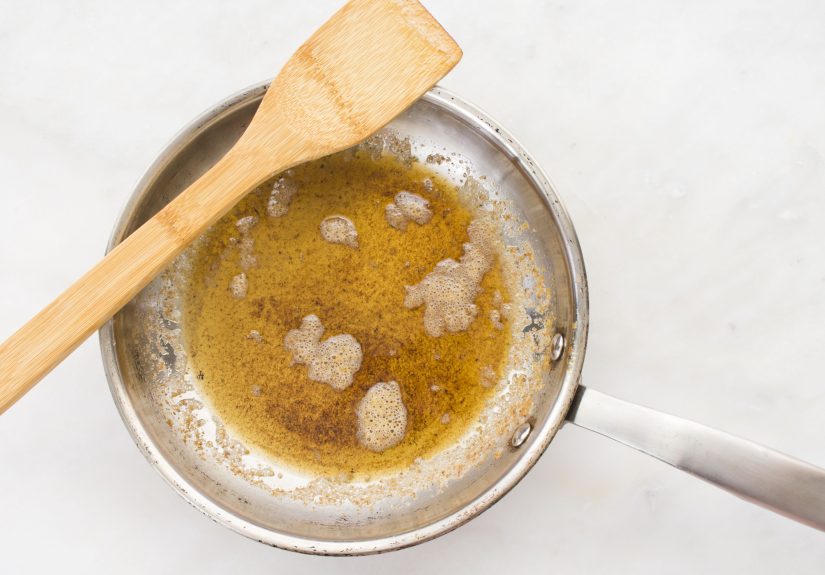
After a few minutes, you’ll notice golden flecks forming at the bottom and a nutty aroma.
Step 4: Nail the Color (The 30-Second Final Exam)
Keep the heat at medium and watch closely. You want the milk solids a deep golden brownlike toasted graham cracker crumbs.
If you prefer a lighter sauce for delicate foods (like fish), stop at golden.
If you want a more intense, almost toffee-like flavor, push slightly darkerbut stop before it smells acrid.
Step 5: Stop the Cooking Immediately
Remove the pan from heat and pour the browned butter into a heatproof bowl right away.
Butter keeps cooking in a hot pan (carryover heat is sneaky like that), and this one move prevents burning.
Step 6: Season and Turn It Into “Sauce”
At this point, you can keep it simple: add a pinch of salt and pepper, whisk, and spoon over your food.
Or add one of the variations below to make a true finishing sauce.
5 Quick Variations (Same Base, Different Vibes)
1) Classic Sage Brown Butter Sauce (Perfect for Ravioli)
- As the butter begins to foam and is nearly browned, add sage leaves.
- Fry 30–90 seconds until the sage is crisp and fragrant.
- Remove from heat, then add 1–2 teaspoons lemon juice and a pinch of salt.
Serving idea: spoon over butternut squash ravioli, gnocchi, or roasted sweet potatoes. Finish with Parmesan and cracked pepper.
2) Lemon-Caper Brown Butter Sauce (Bright + Briny)
- Brown the butter, then lower heat slightly.
- Add 1 tablespoon capers (patted dry) and let them sizzle 30–60 seconds.
- Add lemon juice (about 1 tablespoon) and swirl.
This is the “restaurant fish sauce” cheat code. Try it on cod, salmon, scallops, or roasted asparagus.
3) Garlic-Herb Brown Butter Sauce (For Vegetables and Bread)
Garlic burns quickly, so don’t add it at the beginning. Either:
- Option A: add minced garlic right after you remove the butter from heat, letting residual heat bloom it, or
- Option B: add garlic when the butter is golden but not fully browned, then finish quickly.
Toss with green beans, broccoli, roasted mushrooms, or brush onto warm crusty bread. Add parsley or chives for freshness.
4) Miso Brown Butter Sauce (Umami, But Make It Easy)
- Whisk 1–2 teaspoons white miso into warm browned butter until smooth.
- Add a small squeeze of lemon or a splash of rice vinegar to balance the richness.
Great on roasted carrots, grilled corn, seared steak, or noodles. It tastes like you worked harder than you did.
5) Sweet Brown Butter “Sauce” (Dessert Mode)
- Cool the browned butter for 2–3 minutes (still liquid, not scorching).
- Whisk in 1/2 teaspoon vanilla + a pinch of cinnamon or flaky salt.
Drizzle over pancakes, waffles, baked apples, bananas, or vanilla ice cream. Consider it a “grown-up caramel” without the sugar drama.
How to Use Browned Butter Sauce (Specific, Delicious Examples)
- Stuffed pasta: ravioli, tortellini, agnolottibrown butter clings to the folds like it pays rent.
- Gnocchi: toss gently; add a spoonful of pasta water for a silkier coating.
- Fish: cod, halibut, scallopsfinish with lemon to keep it bright.
- Vegetables: roasted cauliflower, Brussels sprouts, asparagus, green beans.
- Eggs: spoon over fried eggs or scramble for a nutty boost.
- Fall flavors: butternut squash, sweet potatoes, sage, walnuts, browned butter = cozy in a bowl.
Common Mistakes (And How to Avoid Them)
Mistake: Using High Heat Because You’re “In a Hurry”
High heat makes the milk solids burn before you get that nutty depth. Medium heat gives you control.
If your butter goes from pale to black in a blink, the heat was too high (or the pan was too thin).
Mistake: Not Stirring During the Foamy Stage
The foam can hide what’s happening underneath. Stir or swirl regularly so browning happens evenly.
Mistake: Leaving the Butter in the Hot Pan
Carryover heat is real. Pour into a heatproof bowl the moment it hits the color you want.
Mistake: Over-Salting
Browned butter concentrates flavor. Start with a pinch, taste, then adjustespecially if you’ll add Parmesan, capers, or miso.
Make It Easier: Two Timing Tricks
Trick 1: Brown Butter While Something Else Cooks
While ravioli boils or vegetables roast, brown your butter. The sauce is a fast finisher, so plan it for the last 10 minutes.
Trick 2: Microwave Brown Butter (Yes, It’s a Thing)
If you hate splatters or want a low-fuss method, you can brown butter in the microwave in a large bowl (covered),
stopping to check as it darkens. It’s surprisingly effectivejust use a big bowl because butter foams up.
Storage and Reheating
- Refrigerate: store cooled browned butter (or sauce) in a sealed container up to a week.
- Reheat gently: warm on low heat until melted, then whisk to redistribute the browned solids.
- Freeze: freeze in small portions (ice cube trays work) for quick upgrades to weeknight meals.
FAQ
Is browned butter the same as clarified butter or ghee?
Not exactly. Clarified butter removes milk solids; browned butter celebrates them. Ghee is clarified and often cooked longer,
but typical browned butter sauce keeps the toasted solids for maximum flavor.
Can I use salted butter?
Yes. Just season carefully at the endcapers, cheese, and miso add salt fast.
How do I make it “more sauce” and less “just butter”?
Add a splash of liquid and whisk: lemon juice, white wine, or a spoonful of pasta water. It loosens the sauce and helps it coat.
You can also whisk in a teaspoon of Dijon for extra body and tang (especially good with fish).
Kitchen Experiences: Real-Life Browned Butter Stories (So You Don’t Learn the Hard Way)
Browned butter has a funny way of turning ordinary cooking moments into “wait… why is this so good?” memories.
One of the most common first-time experiences goes like this: you melt butter, you see foam, you smell something sweet,
and you assume you have a solid 10-minute window to answer a text. You do not. The foam is basically the butter’s way of saying,
“If you leave now, I will embarrass you.”
Home cooks often describe the first successful batch as a sensory upgrade. The sound changes firstloud sizzling to a gentler hush
as water evaporates. Then the aroma shifts from “butter popcorn” to “toasted nuts and warm pastry.” The moment you notice that nutty smell,
it’s like your brain starts narrating: Something important is happening in this pan. That’s your cue to stir, scrape, and watch the color.
A light-colored pan turns this from a guessing game into a clean visual story: pale yellow, then golden, then those amber flecks gathering at the bottom.
Another common experience: making sage brown butter for ravioli and realizing the sage is doing two jobs at once.
First, it perfumes the sauce with that cozy, woodsy flavor that feels like fall even if it’s July.
Second, it becomes a crispy topping. People who think they “don’t like sage” often like it here because it’s fried quickly in fat
and turns into a crunchy garnish instead of tasting like a holiday candle.
Browned butter also teaches the “finish, don’t drown” lesson. In the excitement, it’s tempting to pour half the pan over a single portion
like you’re trying to waterproof dinner. But the best results usually come from a measured spooning, then tossing gently, then tasting.
If it needs more, you add more. This small pause keeps the dish balancednutty richness without turning everything heavy.
And if you’re using Parmesan, capers, or miso, that restraint keeps salt from quietly hijacking the whole meal.
Finally, browned butter tends to become a repeat habit because it’s an easy “I have nothing in the fridge” rescue.
A bag of frozen ravioli becomes impressive. Roasted vegetables feel intentional. Even plain noodles can taste like a comfort-food upgrade
with brown butter, pepper, and a little lemon. It’s the kind of technique that makes cooking feel less like a chore and more like a magic trick:
same ingredients, better ending.
Conclusion
A great browned butter sauce recipe is less about complicated steps and more about paying attention for a few focused minutes.
Use medium heat, stir through the foamy stage, stop the cooking by pouring into a bowl, and season with intention.
Once you’ve got the base down, you can pivot into sage, lemon-caper, garlic-herb, or umami variations anytime.
It’s one of the simplest ways to make everyday food taste like it got dressed up for the occasion.