Table of Contents >> Show >> Hide
- What Are Budini di Riso?
- Ingredients for Florentine Rice Pudding Tarts
- Equipment You’ll Need
- Step-by-Step: How to Make Budini di Riso
- Tips for Perfect Florentine Rice Pudding Tarts
- Flavor Variations and Make-Ahead Ideas
- How to Serve Budini di Riso
- Frequently Asked Questions
- Experiences & Extra Tips for Budini di Riso
- Final Thoughts
If you’ve ever dreamed of having dessert for breakfast, the people of Florence are way ahead of you.
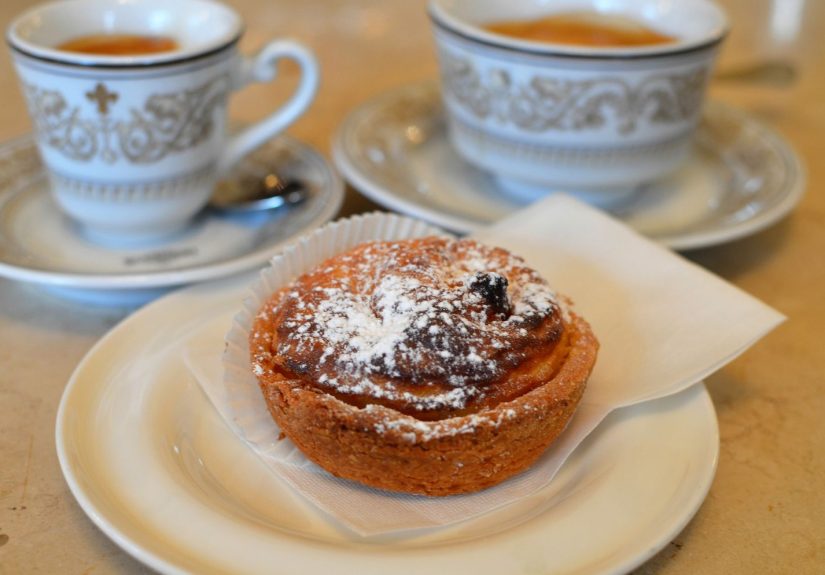
Budini di risoFlorentine rice pudding tartsare golden little pastries filled with creamy, citrus-scented rice, baked in a crisp, buttery crust, and showered with powdered sugar. In Tuscany, they’re a classic bar breakfast with cappuccino; at home, they’re your new secret weapon for brunch, dessert, or “I just feel like baking something Italian today.”
The good news? While budini di riso look bakery-fancy, they’re actually very doable. You’ll make a simple shortcrust pastry, a stovetop rice pudding, and then tuck the filling into tartlet molds or a muffin pan. The result is a pastry that tastes like the love child of rice pudding, custard, and a buttery sugar cookie.
What Are Budini di Riso?
Budini di riso (literally “little rice puddings”) are a traditional Tuscan pastry you’ll find in pastry shops and coffee bars all over Florence. They’re typically eaten in the morning, often still slightly warm, with a cappuccino. Each tartlet has:
- A thin, crumbly shortcrust pastry shell that’s lightly sweet and tender, not tough or overly browned.
- A soft, vanilla- and citrus-scented rice pudding that bakes up creamy but firm enough to slice or bite into without oozing everywhere.
- A final dusting of powdered sugar for sweetness and that classic “bakery case” look.
Traditionally, the rice is cooked in milk with sugar, lemon zest, and sometimes vanilla or a splash of Tuscan dessert wine like Vin Santo. The filling can be just the rice pudding, or rice folded with a bit of egg-enriched custard for extra richness. Either way, they’re meant to be comforting, not fussya humble ingredient (rice) transformed into something special.
Ingredients for Florentine Rice Pudding Tarts
For the Shortcrust Pastry
- 2 cups (250 g) all-purpose flour
- 1/2 cup (115 g) cold unsalted butter, cut into small cubes
- 3/4 cup (90 g) powdered sugar
- 1/4 teaspoon fine sea salt
- 2 large egg yolks
- 1 teaspoon finely grated lemon zest (preferably organic)
- 1–2 tablespoons cold milk or cold water, as needed to bring the dough together
For the Rice Pudding Filling
- 1/2 cup (100 g) Arborio or other risotto rice (such as Carnaroli or Vialone Nano)
- 2 1/2 cups (600 ml) whole milk
- 2 tablespoons (28 g) unsalted butter
- 1/2 cup (100 g) granulated sugar
- 1 teaspoon vanilla extract or seeds from 1/2 vanilla bean
- Zest of 1 lemon (finely grated)
- 1/4 teaspoon fine sea salt
- 2 large eggs
- 1 large egg yolk
- 2–3 tablespoons Vin Santo, Marsala, brandy, or rum (optional, but very Tuscan)
For Finishing
- Butter or nonstick spray for greasing the pan
- All-purpose flour, for dusting
- Powdered sugar, for dusting the baked tarts
Equipment You’ll Need
- Medium saucepan with a heavy bottom (for the rice pudding)
- Mixing bowls
- Whisk and wooden spoon
- Rolling pin
- Muffin pan or tartlet molds (standard muffin size works well)
- Round cookie cutter or glass slightly larger than the muffin cups
Step-by-Step: How to Make Budini di Riso
1. Make the Rice Pudding
- Warm the milk. In a medium saucepan, combine the milk, butter, lemon zest, vanilla, and salt. Bring to a gentle simmer over medium-low heatno need for a rolling boil, just steam and small bubbles around the edges.
- Add the rice. Stir in the Arborio rice. Reduce the heat to low and cook, stirring frequently, for about 20–25 minutes. The rice should be tender but not mushy, and the mixture should be thick and creamy. If it looks too dry before the rice is cooked, add a splash of milk.
- Sugar and cool slightly. Stir in the granulated sugar and keep cooking for another 2–3 minutes. The mixture will loosen slightly, then thicken again. Remove from the heat and let cool until just warmabout 10–15 minutes. You want it warm enough to be fluid, but not so hot that it scrambles the eggs you’re about to add.
- Spike it (optional but recommended). Stir in the Vin Santo, Marsala, or your spirit of choice. This gives a subtle, grown-up aroma without making the filling boozy.
2. Enrich the Filling with Eggs
- In a small bowl, whisk together the 2 eggs and 1 egg yolk until smooth.
- Temper the eggs by whisking a spoonful or two of the warm rice mixture into the eggs, then slowly pour the egg mixture back into the pot, stirring constantly.
- Return the pot to low heat and cook for 1–2 minutes, stirring, just until the mixture looks glossy and slightly thicker. Don’t let it boil. Remove from the heat and let the filling cool while you prepare the pastry.
3. Make the Shortcrust Pastry
- Combine dry ingredients. In a mixing bowl, whisk together the flour, powdered sugar, and salt.
- Cut in the butter. Add the cold butter cubes. Using your fingertips or a pastry cutter, work the butter into the flour until the mixture looks like coarse crumbs with some pea-sized pieces of butter remaining.
- Add yolks and zest. Stir in the egg yolks and lemon zest. The mixture will still look a bit crumbly.
- Bring the dough together. Sprinkle in 1 tablespoon of cold milk or water and gently knead just until the dough comes together. If it’s still dry, add a second tablespoon, a few drops at a time. Stop as soon as it forms a soft, smooth ball.
- Chill. Flatten the dough into a disk, wrap it, and chill for at least 30 minutes. Chilling helps keep the pastry tender and prevents shrinking.
4. Line the Pan
- Grease a muffin pan or tartlet molds with butter or nonstick spray. Lightly dust with flour, shaking out any excess.
- On a lightly floured surface, roll out the chilled dough to about 1/8 inch (3 mm) thick. You want it thin but not paper-thinremember, the classic pastry is delicate, not chunky.
- Use a round cutter or glass slightly larger than your muffin cups to cut circles. Gently press each dough circle into the cups, making sure the bottom and sides are covered. Trim or patch as needed.
5. Fill and Bake
- Preheat your oven to 350°F (175°C).
- Spoon the rice filling into each pastry shell, filling to just below the rim (it will puff slightly as it bakes).
- Bake for about 22–28 minutes, or until:
- The pastry edges are pale golden, not dark brown.
- The rice filling is set and lightly golden on top, with maybe a few toasty spots.
- Let the tarts cool in the pan for about 10 minutes, then gently loosen and transfer to a rack. Dust with powdered sugar once they’re warm but not piping hot.
Tips for Perfect Florentine Rice Pudding Tarts
- Use the right rice. Arborio, Carnaroli, or similar risotto rice is ideal. These varieties release starch as they cook, giving you that creamy, custardy texture you want.
- Don’t overcook the rice. It should be tender with a bit of bite. If you cook it until it’s mush, the filling can feel heavy instead of silky.
- Keep the pastry thin. A hallmark of good budini di riso is a thin, delicate crust that supports the filling without overwhelming it.
- Watch the color. You’re aiming for lightly golden pastry and a blond top, not deep brown. Too much color can mean a dry crust.
- Let them cool slightly. Fresh from the oven, the filling is very soft. A brief rest helps the texture set so you can pick one up without it collapsing in your hand.
Flavor Variations and Make-Ahead Ideas
Classic Lemon-Vanilla
The recipe above already gives you a classic Tuscan flavor profile: lemon zest plus vanilla. If you want that pure bakery-style taste, stick with this combo and skip extra spices or mix-ins.
Orange & Warm Spices
For a cozy twist, substitute orange zest for some of the lemon and add a pinch of cinnamon or freshly grated nutmeg to the rice pudding. This works especially well for winter holidays or brunch menus where you want something gently spiced, not full-on pumpkin-pie levels of seasoning.
Chocolate-Drizzled Budini di Riso
Once the tarts are baked and cooled, drizzle them with melted dark chocolate. The combination of creamy rice, citrus, and bittersweet chocolate hits the same pleasure buttons as a fancy dessert, but you still get to pretend it’s breakfast if you eat it before noon.
Make-Ahead and Storage
- Rice pudding: You can make the rice filling (through the egg-enrichment step) up to 1 day ahead. Press plastic wrap directly onto the surface and refrigerate. Stir gently before using; if it feels too stiff, loosen with a tablespoon or two of milk.
- Pastry: The dough can be refrigerated for up to 2 days, or frozen for up to 1 month. Thaw in the fridge before rolling.
- Fully baked tarts: Store at room temperature for up to 1 day or in the fridge for 2–3 days. Rewarm briefly in a low oven (300°F / 150°C) to refresh the texture.
How to Serve Budini di Riso
- Breakfast or brunch: Serve slightly warm with cappuccino, latte, or strong coffee to channel a Florentine bar.
- Afternoon treat: Pair with black tea or espresso for a small but satisfying pick-me-up.
- Dessert: Plate one tart with a small scoop of vanilla ice cream, a few berries, or a drizzle of berry coulis.
- Entertaining: Arrange a platter of budini di riso alongside other small Italian sweets like cantucci, biscotti, or mini crostate.
Frequently Asked Questions
Can I use leftover rice?
In theory, yesbut the texture won’t be quite the same. Budini di riso traditionally use uncooked risotto rice simmered in milk so it releases starch and thickens the mixture. Leftover plain rice won’t give the same creaminess, though you can experiment if you’re in “no food waste” mode.
Do I have to use alcohol in the filling?
Not at all. The Vin Santo, Marsala, or brandy is a traditional aromatic touch, but you can omit it. To keep things fragrant without alcohol, increase the vanilla slightly or add a splash of orange juice with the zest.
Can I make one big tart instead of mini tartlets?
Yes. Line a 9-inch (23 cm) tart pan with the pastry and blind bake for about 10 minutes, then add the rice filling and bake until set. The timing will be a bit longer than for individual tarts; start checking around 30–35 minutes.
Can I freeze budini di riso?
Freezing is possible but can slightly change the texture of the rice. If you do freeze them, wrap well, thaw overnight in the refrigerator, and rewarm gently in a low oven. They’re at their absolute best fresh or within a day or two.
Experiences & Extra Tips for Budini di Riso
Making budini di riso at home is a little like hosting a tiny Tuscan pastry shop in your kitchen. The first time you bake them, it’s useful to treat the process like an experiment: pay attention to how your oven browns the pastry, how thick your rice pudding gets, and how full you’re filling the shells. After one or two rounds, you’ll know exactly how to tweak the recipe so it behaves perfectly in your kitchen.
One practical tip from many home bakers: don’t rush the chilling steps. Giving the pastry dough time to rest in the fridge helps relax the gluten, which means a more tender crust. If your kitchen runs warm, you can even pop the lined tart shells into the fridge or freezer for 10–15 minutes before filling and baking. This extra chill helps the pastry hold its shape and stay flaky.
When serving these tarts for brunch, think about balance. Budini di riso are rich and creamy, so they pair nicely with fresh fruit salads, citrus segments, or lightly sweetened yogurt. If you’re setting up a brunch table, you can arrange them on a cake stand or platter, dust them with powdered sugar at the last minute, and watch them disappear. They’re just the right size for guests who “only want a little something sweet” but somehow come back for seconds.
These tarts are also incredibly kid-friendly. The flavor profilemilk, sugar, rice, and a hint of lemonis comforting and familiar, even for cautious eaters. If you’re baking with children, give them the job of cutting the pastry circles, pressing them into the muffin pan, or dusting the cooled tarts with powdered sugar. Budini di riso are impressive enough for adults but approachable enough that kids feel proud when they help.
From a planning standpoint, budini di riso make life easier when you’re entertaining. You can prepare the rice pudding and pastry dough a day ahead, then assemble and bake the morning you plan to serve them. This “mostly make-ahead” structure means you get maximum wow factor with minimal last-minute stress. And if you accidentally bake a few extras (a tragic situation, truly), they’re fantastic the next morning with coffee.
Finally, don’t be afraid to make these tarts your own. Maybe you love a stronger lemon flavor, or you want to add a whisper of almond extract, or you’re dreaming of a chocolate drizzle. As long as you respect the basic structurethin shortcrust shell plus creamy but sliceable rice pudding fillingyou can adjust accents to match your taste or the season. At heart, budini di riso are comfort food in pastry form: simple ingredients, slow-cooked with care, and shared with people you like.
Final Thoughts
Budini di riso (Florentine rice pudding tarts) are one of those recipes that look like a special-occasion dessert but fit seamlessly into real life. They work for breakfast, brunch, or dessert; they can be made mostly ahead; and they turn a humble pantry staplericeinto something that feels luxurious. With a simple shortcrust pastry, a gently scented rice pudding filling, and a cloud of powdered sugar on top, they bring a little piece of Tuscany into your kitchen, one golden tartlet at a time.