Table of Contents >> Show >> Hide
- What a Bug-Out Bag Is (and What It Isn’t)
- Start With the Bag: Your “Container” Is Part of the Plan
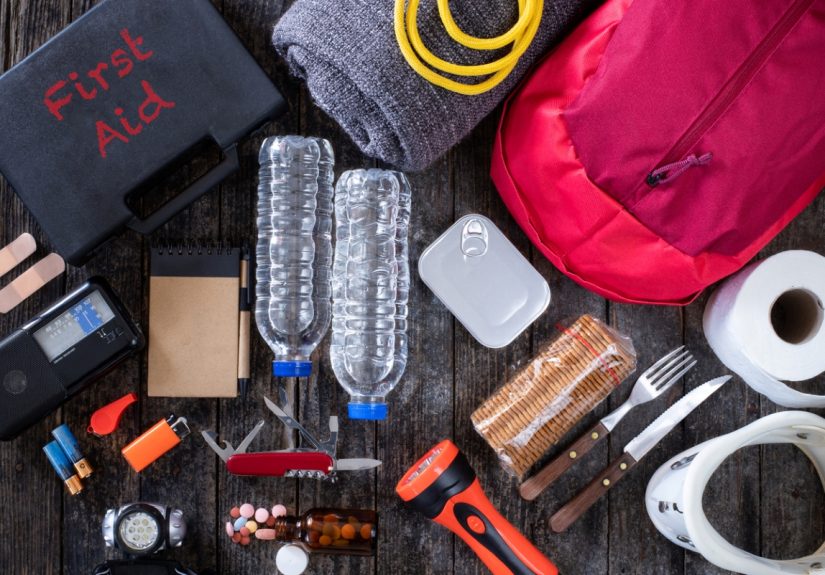
- The Core Bug-Out Bag List: Emergency Essentials That Do the Most Work
- Personalize It: The Items That Make Your Kit “Yours”
- Scenario Add-Ons: Pack Smarter for the Disasters Most Likely Where You Live
- Packing Tips That Keep Your Bag Useful (Not Just “Full”)
- Maintenance: Keep It Ready Without Making It Your Personality
- A Simple Practice Run (So the First Time Isn’t During a Crisis)
- Conclusion: Your Bug-Out Bag Is Peace of Mind You Can Carry
- Real-World “Go Time” Experiences (500+ Words of Lessons You Can Use)
Disasters have terrible manners. They don’t RSVP, they don’t care about your weekend plans, and they absolutely do not wait
while you hunt for your charger at the bottom of a junk drawer. A bug-out bag (also called a “go bag” or “72-hour kit”) is
your way of turning chaos into something you can zip shut and carry out the door.
This guide gives you a practical, real-world bug-out bag listwhat you actually need, what you probably don’t, and how to
customize your emergency essentials for your life (kids, pets, medication, weather, and all). The goal isn’t to cosplay as an
action hero. It’s to get you safely through the first 72 hours when services are disrupted, roads are jammed, and your brain is
running on adrenaline and questionable decisions.
What a Bug-Out Bag Is (and What It Isn’t)
A bug-out bag is a grab-and-go emergency kit designed for evacuation or sudden displacement. Think:
wildfire evacuation orders, hurricanes, flooding, earthquakes, extended power outages, or a situation where you need to leave
home quickly and be self-sufficient for a short period.
What it isn’t: a suitcase for a luxury spa weekend, or an infinite survival chest from a video game. Space and weight matter.
If your bag feels like it contains a bowling ball collection, it will be lovingly abandoned in your hallway the moment you’re
told you have five minutes to go.
Start With the Bag: Your “Container” Is Part of the Plan
Pick a bag you can actually carry
- Backpack (best for most people): hands-free, easier to move quickly, distributes weight better.
- Duffel: fine for short distances, but gets annoying fast if you’re walking or juggling kids/pets.
- Rolling bag: great for hotels and airports; less great for stairs, debris, and uneven ground.
Set a “no-regrets” weight limit
A simple rule: if you can’t comfortably carry it for 15–30 minutes, it’s too heavy. Most adults do well with a bug-out bag in
the 15–25 lb range (lighter is better). Your body doesn’t get extra credit for suffering.
Use the right packing strategy
- Keep the stuff you’ll need first (ID, headlamp, meds) near the top.
- Group items in zip pouches (water/food, hygiene, medical, tech). Label them.
- Waterproof what matters: documents, cash, and electronics.
The Core Bug-Out Bag List: Emergency Essentials That Do the Most Work
Below are the categories that consistently show up in credible emergency guidance and real-life evacuations. The trick is choosing
versions that are portable and usable, not just impressive in a checklist.
1) Water + Purification
Emergency agencies commonly recommend planning for about one gallon of water per person per day for drinking and sanitation.
That’s great planning math, but it’s terrible backpack math. Water is heavy (roughly 8 pounds per gallon). For a bug-out bag, aim for:
- Carry water now: one sturdy bottle (or two) plus a collapsible backup bottle.
- Make water later: a compact water filter (or purifier), plus purification tablets as a backup.
- Optional add-on: electrolyte packetssmall, morale-boosting, and helpful if you’re sweating or stressed.
Safety note: If you’re stuck with questionable water at home, follow official public guidance for disinfection.
For example, EPA guidance discusses using unscented household bleach with dosing that depends on bleach concentration and water clarity.
Don’t “wing it,” and don’t use scented or “splashless” products.
2) Food That Doesn’t Need Cooking
Your bug-out bag food should meet three criteria: stable, simple, and snackable. In an evacuation, you might not have
a stove, clean water for cooking, or the emotional bandwidth to play “Chopped: Disaster Edition.”
- High-calorie, non-perishable foods (energy bars, nut butter packets, trail mix, dried fruit).
- Ready-to-eat proteins (tuna/chicken pouches, jerky) and a manual can opener if you pack cans.
- Basic eating kit: a spork, small cup, and a few napkins (because life is messy even when it’s not literally flooding).
3) Shelter + Warmth
Even in “mild” weather, nights get cold fast when you’re tired, damp, and stressed. Shelter and warmth are both safety and sanity.
- Emergency blanket or compact bivy sack (lightweight, huge payoff).
- Rain poncho or lightweight waterproof shell.
- Light cordage and duct tape (the two items that solve problems you didn’t know existed).
- Work gloves (debris cleanup, broken glass, moving itemsyour hands are not invincible).
4) Clothing + Footwear (The Most Forgotten “Essential”)
Keep it minimal, but intentional. The goal is staying dry and preventing injury.
- One change of socks (two if you can) and underwear.
- Season-appropriate base layer (warm layer in winter; sun-protective layer in summer).
- Hat (warm beanie or sun hat) and simple bandana.
- Sturdy shoes (at minimum, have them staged next to your bag if they won’t fit inside).
5) First Aid + Medications
Most emergencies don’t turn you into a movie stunt doublethey turn you into someone who gets a blister, a cut, or a headache
while tired and dehydrated. A bug-out first-aid setup should handle common problems and protect existing health needs.
- Basic first-aid kit (bandages, gauze, antiseptic wipes, blister care).
- Pain reliever, anti-diarrheal, allergy meds (as appropriate for you).
- Prescription meds: ideally a 3–7 day supply if possible, plus copies of prescriptions.
- Spare eyeglasses/contact supplies; hearing aid batteries if needed.
- N95-style masks if you’re in smoke/dust risk areas (wildfires, debris cleanup).
Pro tip: put medications and a simple medical info card (conditions, allergies, emergency contacts) in a waterproof pouch. When stress hits,
you’ll forget your own zip code, let alone your prescription name.
6) Light + Power
- Headlamp or flashlight (headlamp is easier when you need both hands).
- Extra batteries (or a rechargeable light you can top up).
- Power bank + charging cables for your phone.
- Optional: a small plug-in wall charger and a car charger adapter (evacuations often mean living out of a vehicle).
7) Communication + Information
In a fast-moving event, information is fuel. A battery-powered or hand-crank radio is commonly recommended because cell networks
and power can fail when you need updates the most.
- Battery-powered or hand-crank radio.
- If possible: a weather radio feature (some support alert systems and area-specific alerts).
- Printed contact list (don’t rely on a phone you may not be able to charge).
- Paper map of your region + a pen. GPS is wonderful until it isn’t.
8) Tools + Repairs
Think small tools with big impact. You’re not building a cabin. You’re opening packaging, shutting off a valve, or fixing a ripped strap.
- Multi-tool (pliers/knife/scissors combo).
- Small adjustable wrench or pliers (useful for basic shutoffs and minor fixes).
- Zip ties, duct tape, and a few heavy-duty trash bags.
- Fire starter (lighter + backup method). Use fire safely and follow local restrictions.
9) Hygiene + Sanitation
Hygiene isn’t “extra.” It prevents illness and keeps small problems from becoming big ones.
- Hand sanitizer, travel soap, toothbrush/toothpaste.
- Wet wipes and tissues.
- Feminine hygiene supplies as needed.
- Trash bags + small plastic ties (versatile for waste, wet clothes, and protecting gear).
10) Documents + Money
If you ever want to learn how “modern life” works, try doing it without your ID. Keep a small, waterproof pouch with:
- Copies of key documents (ID, insurance, medical info, proof of address).
- Emergency contact list and out-of-area contact (often easier to reach).
- Cash in small bills (power outages break card readers in dramatic fashion).
- Spare keys (home/car) if you can safely store them.
Personalize It: The Items That Make Your Kit “Yours”
The best bug-out bag list is the one that matches your reality. After you pack the basics, add what your household specifically needs:
- Kids: diapers/wipes, formula, comfort item, simple activity (cards, small book).
- Pets: food, collapsible bowl, leash/harness, waste bags, vet info, a recent photo.
- Older adults: mobility aids, spare batteries for devices, extra layers, clear medication organization.
- Chronic conditions: backup medical supplies, copies of medical records, and a plan for refrigeration needs.
Scenario Add-Ons: Pack Smarter for the Disasters Most Likely Where You Live
Wildfire / Smoke Events
- N95-style masks and eye protection.
- Long sleeves/pants (embers and debris are not friendly).
- Extra water (smoke exposure + heat = dehydration fast).
Hurricane / Flooding
- Waterproof document pouch (non-negotiable).
- Extra trash bags and plastic sheeting (wet gear becomes sad gear).
- Basic water shoes or sturdy footwear that can handle wet conditions.
Winter Storm / Extreme Cold
- Insulated hat and gloves, hand warmers, thicker socks.
- Emergency blanket plus an extra warm layer.
- High-calorie snacks (cold weather burns energy like it’s getting paid for it).
Urban Evacuation
- Comfortable walking shoes and blister care.
- Backup phone power and a paper map of alternate routes.
- Earplugs and a simple sleep mask (shelters can be noisy and bright).
Packing Tips That Keep Your Bag Useful (Not Just “Full”)
- Go modular: separate pouches for medical, hygiene, food, and tech. You can grab one without dumping everything.
- Put the “first 10 minutes” items on top: headlamp, documents, meds, phone power, water.
- Label it: in a stressful moment, you’ll appreciate clear labels more than optimism.
- Avoid duplicates that weigh you down: one solid tool beats five “maybe” gadgets.
Maintenance: Keep It Ready Without Making It Your Personality
Emergency kits fail quietlybatteries die, snacks expire, kids outgrow clothes, and your phone cable mysteriously joins a parallel universe.
A simple habit keeps you covered:
- Check your bag every 6 months (easy reminder: when you change smoke detector batteries).
- Rotate food, replace expired meds when possible, and test the flashlight/radio.
- Update copies of documents and contact info annually.
A Simple Practice Run (So the First Time Isn’t During a Crisis)
Once your bag is packed, do a quick “bug-out rehearsal.” Pick it up, walk around the block, and ask yourself:
Do I hate this? Does it rub? Is the weight ridiculous? Fix it now while you’re calm, not later while you’re speed-walking
to the car with your heart doing percussion.
Conclusion: Your Bug-Out Bag Is Peace of Mind You Can Carry
The perfect bug-out bag doesn’t exist. The useful one does: water capability, simple food, warmth, first aid, light, power, hygiene,
and your most important documentspacked in a way you can actually carry. Start small, build smart, and customize for your household.
The best time to pack is before you need it. The second-best time is… honestly, right now.
Real-World “Go Time” Experiences (500+ Words of Lessons You Can Use)
Talk to anyone who has evacuatedwhether it was for a wildfire, a hurricane, a flash flood, or a fast-moving storm systemand you’ll
hear the same theme: the hardest part is thinking clearly while everything feels urgent. That’s why bug-out bags matter.
They reduce the number of decisions you have to make when your brain is busy shouting, “Where are my keys?! Where is everyone?!”
In wildfire evacuations, people often describe leaving in a hazesometimes literal smoke, sometimes just adrenaline. The families who
felt most in control weren’t the ones with the fanciest gear; they were the ones with the basics staged and ready: shoes by the door,
documents in a waterproof pouch, phone chargers in the bag, and masks available for the air quality. A small item that shows up in a lot
of evacuation stories is the headlamp. When power flickers out or smoke dims the sky, hands-free light turns frantic rummaging
into a manageable task.
During hurricanes and major storms, the common surprise is how quickly “normal” services disappear. Gas stations can run out of fuel,
card readers stop working, and food choices shrink to whatever you can eat without a kitchen. People who had cash in small bills
and simple, shelf-stable foods (protein bars, pouches, nuts) found it easier to navigate the first day. It’s not glamorous, but it’s real:
being able to pay for a bottle of water or a quick meal when the power is out feels like a superpower.
Winter storms create a different kind of lesson: comfort becomes safety. Cold makes everything harderdriving, walking, sleeping,
even using your hands. People who had extra socks, a warm hat, and a compact emergency blanket were able to stay warmer and calmer while waiting
for roads to clear or heat to return. And those who carried a little extra high-calorie food noticed the difference. When you’re cold, your body
burns energy quickly, and hunger makes stress feel ten times louder.
Another common “experience lesson” is that minor problems multiply fast. A blister can turn a short walk into a limp. A small cut can become an
infection risk when you can’t wash up easily. That’s why blister care, antiseptic wipes, and a basic first-aid kit matter so much. People also
frequently mention the importance of having medications and copies of prescriptions ready. Pharmacies may be closed, roads may be
blocked, and even if a pharmacy is open, you may not remember the exact details under stress.
Finally, the most human lesson: morale counts. Families often remember the tiny comforts more than the big geara familiar snack for a child, a small
deck of cards, a phone cable that actually fits, or a dry pair of socks after a wet day. A bug-out bag isn’t just about survival; it’s about keeping
your body stable enough that you can make good choices. And in an emergency, good choices are the most valuable supplies you own.