Table of Contents >> Show >> Hide
- What Air Purifiers Actually Do
- Why Cleaner Air Matters for the Lungs
- How Air Pollution Affects the Heart
- When Air Purifiers Are Most Worth It
- How to Choose an Air Purifier Without Falling for Nonsense
- What to Avoid
- The Best Health Strategy Is Still Bigger Than One Appliance
- Bottom Line: Can Air Purifiers Improve Your Lung and Heart Health?
- Everyday Experiences With Air Purifiers: What People Commonly Notice Over Time
If air purifiers had a dating profile, it would probably read: “Good with dust, hates smoke, emotionally unavailable to mold growing in your walls.” And honestly, that is a fair summary. Air purifiers can be genuinely helpful for cleaner indoor air, especially when they use a true HEPA filter and are sized correctly for the room. But they are not magical little appliances that erase every health risk in your home while humming softly beside your ficus.
So, can air purifiers improve your lung and heart health? The evidence says yes, they can help, particularly by lowering exposure to fine particles that irritate the lungs and stress the cardiovascular system. But the effect is usually modest, not miraculous. Think of them as one smart player on the team, not the entire championship roster.
This matters because indoor air is not always the innocent angel people imagine. Smoke, pollen, pet dander, cooking particles, dust, mold fragments, and traffic pollution drifting indoors can all add up. For people with asthma, allergies, COPD, high blood pressure, or heart disease, that mix can be more than annoying. It can make symptoms worse, disturb sleep, and increase strain on the body over time.
What Air Purifiers Actually Do
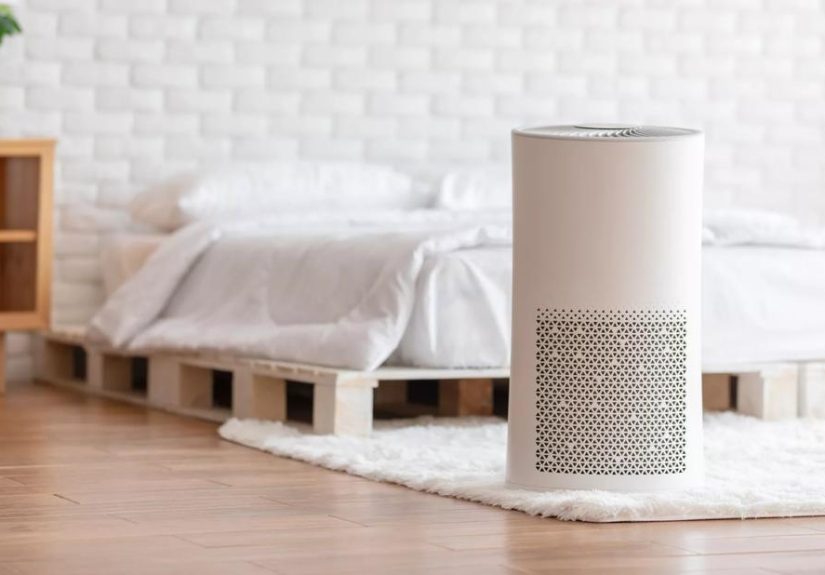
An air purifier works by pulling air through a filter and trapping particles before pushing cleaner air back into the room. In most homes, the gold standard is a mechanical purifier with a HEPA filter. HEPA filters are designed to capture extremely small airborne particles, including dust, pollen, mold spores, smoke particles, and pet dander.
That sounds simple because it is simple. And sometimes simple is beautiful. A fan plus a very good filter can do a lot of useful work. What it cannot do is solve every indoor air problem. If you have a damp basement, a gas stove without ventilation, candles burning every night, and someone smoking indoors, your purifier is not living in easy mode.
Air purifiers are best at reducing particulate pollution. That means they are especially useful for:
- wildfire smoke drifting indoors,
- traffic-related air pollution,
- allergens like pollen and pet dander,
- dust and other airborne irritants.
Some models also include activated carbon to help with odors and certain gases, but particle removal is where most air purifiers shine. If you are expecting one machine to erase every smell, vapor, and mystery funk in the house, that is asking a lot from an appliance that mostly just wants to move air and mind its business.
Why Cleaner Air Matters for the Lungs
Your lungs are not picky in the way a coffee snob is picky, but they do have standards. When you inhale fine particles, especially PM2.5, those tiny pollutants can travel deep into the respiratory tract. That can trigger inflammation, worsen asthma, irritate airways, and make breathing feel harder than it should.
For people with allergies, air purifiers may reduce exposure to common airborne triggers. That can mean fewer sneezes, less nasal congestion, and less of that “why do I sound like I adopted six cats overnight?” feeling during peak pollen season. For people with asthma, HEPA-based filtration may help reduce some symptoms and improve airway comfort, particularly when the purifier is used consistently in the bedroom or the room where the person spends the most time.
There is also evidence that indoor air filtration can improve certain lung-related outcomes in people with respiratory conditions. Some studies have found better airflow measures, reduced airway inflammation, or improved respiratory comfort after sustained use of indoor filtration. That does not mean an air purifier replaces inhalers, controller medicines, or a doctor’s advice. It means cleaner air may reduce one of the burdens your lungs are constantly dealing with.
Who May Notice the Biggest Lung Benefits?
Not everyone will feel a dramatic difference. Some people turn on an air purifier and expect a movie montage where they throw open the curtains and suddenly breathe like an Olympic swimmer. Real life is less cinematic. The people most likely to notice benefits often include:
- people with asthma,
- people with COPD or chronic bronchitis,
- allergy sufferers,
- children and older adults,
- people living near highways, industrial areas, or wildfire-prone regions.
If you are already breathing healthy, clean air, the change may be subtle. If your indoor air regularly gets hit with smoke, pet dander, cooking fumes, or outdoor pollution leaking inside, the difference can be much more noticeable.
How Air Pollution Affects the Heart
Here is the part many people miss: air pollution is not just a lung issue. It is also a heart issue. Fine particulate matter has been linked to cardiovascular stress, including increased inflammation, blood vessel dysfunction, changes in blood pressure, and higher risk of heart events over time.
That is one reason air quality experts and heart health researchers pay so much attention to PM2.5. These particles are tiny enough to be inhaled deeply and can trigger body-wide effects that extend beyond the respiratory system. In other words, bad air does not always stop at your lungs. It can set off a domino chain your heart did not ask for.
Several studies on home air filtration have found small improvements in cardiovascular markers, especially blood pressure. Some trials suggest that reducing indoor fine particle exposure with portable filtration can lower systolic blood pressure by a few points. That may sound minor, but small shifts in blood pressure can still matter, especially for people who already have hypertension or other cardiovascular risk factors.
Researchers have also reported improvements in certain heart health markers among people with COPD using home air cleaners. That is encouraging because COPD and heart disease often travel together like two rude houseguests who never text before showing up.
So, Will an Air Purifier Prevent a Heart Attack?
That is where the hype train needs to slow down.
At this point, evidence supports modest improvements in exposure and some measurable health markers, but not proof that an air purifier will directly prevent heart attacks, strokes, or cardiovascular death. The studies are promising, but they are not a blank check for bold marketing claims.
A realistic summary is this: cleaner air can reduce a meaningful stressor on the body, and that may support both lung and heart health, especially in higher-risk groups. But air purifiers are helpers, not heroes wearing capes.
When Air Purifiers Are Most Worth It
Buying an air purifier makes the most sense when you have a clear air-quality problem to solve. Good examples include wildfire smoke season, heavy traffic pollution, indoor allergy triggers, or respiratory conditions that flare when the air feels dusty or smoky.
You may get more value from an air purifier if:
- you live near a busy road,
- you have asthma or COPD,
- you have heart disease or high blood pressure,
- someone in the home is very sensitive to pollen, pet dander, or smoke,
- your area is affected by seasonal wildfires or poor outdoor air quality.
During wildfire events, a purifier can be especially useful in a designated “clean room,” usually a bedroom or living room where doors and windows stay closed and indoor particle-generating activities are kept to a minimum. That setup can reduce smoke exposure and make the space safer and more tolerable, especially for children, older adults, and people with heart or lung disease.
How to Choose an Air Purifier Without Falling for Nonsense
The air purifier market is crowded with impressive-sounding buzzwords, glowing lights, and enough vague wellness language to make a crystal shop blush. So here is what actually matters.
1. Choose True HEPA or HEPA-rated Mechanical Filtration
If the goal is reducing particles, HEPA filtration is the benchmark most people should focus on. It is effective, widely recommended, and backed by the strongest evidence for indoor particle removal.
2. Match the Purifier to the Room Size
This is huge. A purifier that is too small for the room is like bringing a teacup to a basement flood. Check the CADR, or Clean Air Delivery Rate, and make sure it matches the square footage of the room where you plan to use it.
3. Put It Where You Actually Breathe
The best location is usually the room where the most vulnerable person spends the most time, often a bedroom. If you only buy one unit, put it where you sleep or where symptoms tend to flare.
4. Keep the Doors and Windows Closed When Needed
If you are trying to clean indoor air during smoke or high-pollen conditions, leaving windows wide open defeats the point. Your purifier cannot win a tug-of-war against the outdoors if you keep inviting the outdoors in.
5. Replace Filters on Schedule
A dirty filter cannot do its job well. Some DIY and commercial units lose a lot of effectiveness when filters are loaded with particles. Maintenance is not glamorous, but neither is breathing dust because you forgot.
What to Avoid
Not every machine sold as an “air purifier” deserves your trust.
Skip Ozone Generators
Ozone is a lung irritant, not a wellness accessory. Devices that intentionally generate ozone are not a smart choice for homes, especially for people with asthma or other lung conditions. They may market themselves like futuristic air saviors, but the science is not impressed.
Be Careful With Ionizers and Fancy Add-Ons
Some electronic air cleaners may produce ozone or provide less clear real-world benefits for common home concerns like allergies. If your main goal is better everyday indoor air, mechanical filtration is usually the safer, simpler bet.
Do Not Expect Mold Problems to Vanish
If you have mold, you have a moisture problem. Air purifiers may remove some airborne mold particles, but they do not fix leaks, wet drywall, or musty walls plotting against your sinuses.
The Best Health Strategy Is Still Bigger Than One Appliance
Even a very good air purifier works best as part of a bigger clean-air routine. The strongest approach usually includes:
- removing or reducing pollution sources,
- ventilating with clean outdoor air when conditions are safe,
- using kitchen and bathroom exhaust fans,
- upgrading HVAC filters if your system allows it,
- avoiding indoor smoking and unnecessary combustion,
- keeping humidity under control to prevent mold.
If your home has gas cooking, poor ventilation, candle habits that belong in a period drama, or a smoker indoors, those issues may matter as much as the purifier itself. Cleaner air is usually about layers, not shortcuts.
Bottom Line: Can Air Purifiers Improve Your Lung and Heart Health?
Yes, air purifiers can improve your lung and heart health, especially by reducing indoor exposure to fine particles like smoke, dust, pollen, and traffic-related pollution. The strongest evidence supports portable HEPA air cleaners used consistently in the right-sized room. They may help reduce allergy and asthma triggers, improve some respiratory measures, and produce modest benefits in cardiovascular markers such as blood pressure.
But the benefits are usually modest, not dramatic, and they depend heavily on the situation. If your home air is already pretty clean, the payoff may be small. If your indoor space is regularly challenged by smoke, particles, allergens, or poor air quality, a good air purifier can be a smart investment.
The honest answer is not “everybody needs one immediately” and it is not “they are useless plastic boxes.” The truth lives in the much less glamorous middle: they work, they help, and they work best when used correctly as part of a broader plan for healthier indoor air.
Everyday Experiences With Air Purifiers: What People Commonly Notice Over Time
In real life, the value of an air purifier often shows up in ordinary, almost boring moments, which is usually how good health decisions work. People do not always wake up one morning shouting, “Behold, my cardiovascular biomarkers have shifted!” Instead, they notice that the bedroom smells less stuffy. They wake up with less irritation in the throat. Their child coughs less at night during allergy season. The house does not feel as smoky after dinner when someone got a little too enthusiastic with the skillet. These changes sound small, but small changes repeated every day can make a home feel far more breathable.
One common experience is seasonal relief. During spring and fall, families often realize the purifier earns its keep when pollen counts soar and noses start staging a rebellion. A purifier in the bedroom can mean less sneezing before bed, fewer watery eyes in the morning, and a little less dependence on the “where are my allergy meds?” sprint to the bathroom cabinet. It is not a miracle cure, but it can make the home feel like a refuge instead of an extension of the outdoors.
Another common pattern shows up during wildfire smoke or urban air alerts. People who never cared much about air quality suddenly become very interested when the sky looks sepia and the house starts smelling like a campfire nobody invited. In those moments, a purifier in a closed room can make a noticeable difference in comfort. Headaches may feel less intense. The air may seem less heavy. Breathing may feel easier, especially for older adults or people with asthma. That kind of experience often turns an air purifier from “maybe useful” into “why didn’t we buy this sooner?”
Pet owners also tend to become accidental air-quality philosophers. Living with a dog or cat is wonderful, but the dander, fur, dust, and mystery fluff drifting through sunlight can be humbling. Many people report that consistent filtration makes the home feel fresher and reduces that constant low-level irritation that they had slowly normalized. Sometimes the biggest sign is not just fewer symptoms, but better sleep. Less congestion at night can mean fewer wake-ups and a more rested morning, which is a nice bonus from a machine that basically just inhales your floating nonsense for hours.
Then there are the people managing chronic conditions. Someone with COPD or asthma may not describe the change as dramatic, but they may say the room feels easier to tolerate or that their “bad air days” are a little less bad. For people with heart concerns, the benefit is even less obvious in the moment, because you cannot feel your blood pressure improving by a few points. But many people like the idea of reducing one more daily stressor on the body, particularly when they live near traffic or in areas with frequent smoke events.
The most realistic experience is this: the best air purifier is often the one you forget about because it quietly becomes part of a healthier routine. It runs while you sleep, while you work, while the dog sheds, while the city traffic does its thing outside. It is not glamorous. It will not solve every air problem. But for many households, it becomes one of those rare purchases that feels practical, noticeable, and refreshingly low-drama, which is more than can be said for most things plugged into a wall.