Table of Contents >> Show >> Hide
- First, a reality check: food helps, but it’s not a force field
- Why plants keep showing up in cancer-prevention research
- Resveratrol: the grape-skin celebrity
- Green tea: tiny leaves, big lab résumé
- More cancer-fighting foods (the “actually doable” edition)
- Cruciferous vegetables: broccoli, Brussels sprouts, cabbage, kale
- Berries: blueberries, strawberries, blackberries
- Tomatoes and lycopene
- Alliums: garlic, onions, leeks
- Beans, lentils, whole grains: fiber’s greatest hits
- Nuts, seeds, and healthy fats
- Spices and herbs: turmeric, ginger, rosemary, oregano
- Fermented foods and the microbiome (bonus round)
- A “cancer-fighting” grocery list you’ll actually use
- Cooking moves that keep the good stuff around
- Supplements: when “more” becomes “maybe don’t”
- Putting it together: a one-day sample menu
- Conclusion: think patterns, not miracles
- Real-life experiences from everyday kitchens (a 500-word add-on)
If “cancer-fighting foods” sounds like a superhero movie trailer, you’re not alone. Somewhere, a blueberry is putting on a cape
and whispering, “I’m here to save your cells.” The truth is less Hollywoodand more helpful: food can’t guarantee you won’t
get cancer, and it definitely can’t “cure” cancer. But your daily eating pattern can shift risk, support your immune system,
help manage inflammation, and make it easier to maintain a healthy weightall of which matter in cancer prevention.
This article breaks down what researchers mean when they talk about “cancer-fighting” foods, why resveratrol and green tea get so much hype,
and which other everyday foods show up consistently in prevention-oriented guidance. Expect evidence, nuance, specific examples, and exactly
zero magic spells.
First, a reality check: food helps, but it’s not a force field
Cancer is complex. Genes, age, infections, environmental exposures, tobacco, alcohol, body weight, physical activity, and other factors all play roles.
Nutrition is one important piecebut it’s a piece, not the whole puzzle. That’s why most credible cancer-prevention guidance focuses on
overall dietary patterns (mostly plant foods, high fiber, limited ultra-processed foods, minimal alcohol) instead of crowning one
“miracle” ingredient.
So when you see a food described as “cancer-fighting,” translate it as:
“This food contains compounds that, in lab and population studies, are linked to biological effects that may reduce cancer risk.”
That’s a mouthful, but it’s also the honest version.
Why plants keep showing up in cancer-prevention research
Plant foodsvegetables, fruits, beans, whole grains, nuts, seeds, herbs, and spicestend to bring a whole toolbox to the table:
fiber, vitamins and minerals, and thousands of phytochemicals (polyphenols, carotenoids, glucosinolates, anthocyanins… you get the idea).
These can influence processes tied to cancer development, such as oxidative stress, chronic inflammation, hormone regulation, detoxification enzymes,
cell signaling, and even how your gut microbiome behaves.
Another unglamorous but huge factor: plant-forward eating often makes it easier to maintain a healthy weight. That matters because excess body fat is linked
to higher risk for several cancers. In other words, sometimes the “anti-cancer mechanism” is simply that your default meals become more filling and
less calorie-denseno cape required.
Resveratrol: the grape-skin celebrity
Resveratrol is a polyphenol most famously associated with red grapes and red wine. It gets attention because lab and animal studies suggest
it can influence pathways related to inflammation and cell growth. But (and this is important) human evidence is not a clean, triumphant parade.
Resveratrol’s effects depend on dose, how it’s metabolized, and what else is going on in someone’s body.
Where to find resveratrol in real life
- Red and purple grapes (especially the skins)
- Blueberries, cranberries, and some other berries
- Peanuts and peanut products (in smaller amounts)
- Cocoa (also in smaller amounts, and often packaged with sugarso choose wisely)
What the science actually says (in human terms)
Resveratrol looks promising in controlled lab settings, but translating that into real-world prevention is tricky.
Many studies highlight potential mechanisms, yet clinical evidence for clear cancer-prevention outcomes in humans is still limited.
Think of resveratrol as a supporting actor in a plant-forward dietnot the main character who carries the whole film.
Wine isn’t a loophole
Let’s address the elephant in the vineyard: “So… should I drink red wine for resveratrol?” If your goal is cancer prevention,
alcohol is not your health hack. Alcohol is associated with increased cancer risk, and risk rises with amounteven at low levels for some cancers.
If you want resveratrol, get it from grapes and berries, not a nightly “medicinal” pour.
Green tea: tiny leaves, big lab résumé
Green tea is rich in catechinsespecially EGCG (epigallocatechin gallate)which have antioxidant and anti-inflammatory activity in lab studies.
In humans, research on green tea and cancer risk has been inconsistent: some studies suggest benefit in certain populations or cancer types,
while others show little to no effect. That doesn’t mean green tea is useless; it means biology is complicated and lifestyle patterns differ.
Catechins, EGCG, and why results are mixed
Green tea’s catechins may influence cell signaling and protect against oxidative damage, but outcomes depend on dose, genetics, smoking status,
overall diet, and whether we’re talking about brewed tea versus concentrated extracts. It’s also hard to separate green tea from the “whole lifestyle”
of people who drink it regularly.
Brewed tea vs. mega-dose extracts
Here’s the key distinction: drinking green tea as a beverage is generally considered safe for most adults.
Green tea extract supplements, on the other hand, have been linked to rare but serious liver injury in some cases.
Translation: your mug is usually fine; your “supercharged fat-burner capsule” is where the drama lives.
How to drink it (without turning it into dessert)
- Try 1–3 cups/day if you enjoy it and tolerate caffeine.
- Brew with water that’s hotbut not boilingto reduce bitterness.
- Skip turning it into a sugar delivery system. If it tastes like melted candy, the benefits are getting buried.
- If you’re sensitive to caffeine, choose decaf or drink earlier in the day.
More cancer-fighting foods (the “actually doable” edition)
Resveratrol and green tea get the headlines, but the strongest prevention message is still wonderfully boring:
eat a wide variety of plant foods, emphasize fiber, and keep ultra-processed foods and alcohol on a short leash.
Here are foods that repeatedly show up in prevention-focused discussionsplus why they matter.
Cruciferous vegetables: broccoli, Brussels sprouts, cabbage, kale
Cruciferous vegetables contain glucosinolates that can form compounds like isothiocyanates (including sulforaphane).
Lab studies show sulforaphane can influence detoxification enzymes and other pathways relevant to cancer development.
Human evidence varies by cancer type and study design, but crucifers remain a consistent “yes, eat more of these” recommendation.
Easy win: Roast Brussels sprouts with olive oil and lemon, or toss chopped broccoli into stir-fries and soups.
Berries: blueberries, strawberries, blackberries
Berries are famous for anthocyanins (those deep red/blue pigments), plus vitamin C and fiber.
Research suggests anthocyanins may help protect cells from damage and may influence pathways involved in cancer growthespecially in lab and early research.
Even if you ignore the chemistry, berries are a high-flavor way to upgrade breakfast and snacks without adding a bunch of added sugar.
Easy win: Add berries to oatmeal, plain yogurt, or a smoothie with spinach and ground flaxseed.
Tomatoes and lycopene
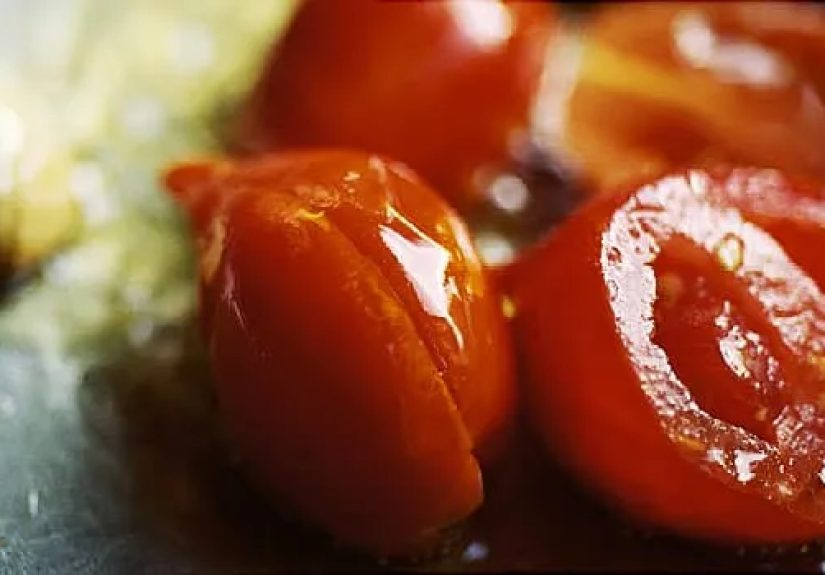
Tomatoes are a major dietary source of lycopene, a carotenoid studied for potential links to lower risk of some cancers (particularly prostate cancer).
Evidence has evolved over time and isn’t perfectly consistent, but tomatoes remain a nutrient-dense staple.
Bonus: lycopene is more bioavailable in cooked tomato products (like sauce), especially when paired with a bit of fat (olive oil, anyone?).
Alliums: garlic, onions, leeks
Garlic and onions contain organosulfur compounds that show anti-cancer activity in mechanistic studies.
Human evidence is mixed, but these foods are still excellent choices because they add big flavor with minimal calories and play nicely in nearly any cuisine.
Easy win: Let chopped garlic sit for a few minutes before cooking; then sauté gently (avoid burningit turns bitter and sad).
Beans, lentils, whole grains: fiber’s greatest hits
Fiber matters. It supports a healthier gut microbiome, improves satiety, and is linked to better metabolic health.
Whole grains and other fiber-rich plant foods are associated with lower risk of several chronic diseases, and many guidelines emphasize fiber-rich eating patterns
for cancer prevention.
Easy win: Build “default meals” around beans and whole grains: chili with beans, lentil soup, oatmeal, brown rice bowls,
or barley in salads.
Nuts, seeds, and healthy fats
Nuts and seeds deliver fiber, minerals, and unsaturated fats. They’re also an easy way to improve the nutritional “density” of meals:
a sprinkle of walnuts on a salad or chia seeds in oatmeal can turn “meh” into “more balanced.”
Easy win: Add a tablespoon of ground flaxseed to smoothies, yogurt, or oatmeal.
Spices and herbs: turmeric, ginger, rosemary, oregano
Turmeric (curcumin) has intriguing lab research, but curcumin has absorption challenges and human evidence for cancer prevention is not conclusive.
Still, using spices and herbs is a practical way to increase plant compounds while reducing reliance on excess salt and sugar.
Think of spices as supporting nutrition, not replacing treatment or screening.
Fermented foods and the microbiome (bonus round)
The gut microbiome influences inflammation and immune function, which are relevant to cancer biology.
Fermented foods like yogurt, kefir, kimchi, and sauerkraut can be part of a healthy patternespecially when paired with prebiotic fiber
(beans, oats, onions, garlic, bananas). The goal is a diet that helps beneficial microbes thrive.
A “cancer-fighting” grocery list you’ll actually use
- Fruits: berries, grapes, citrus, apples
- Vegetables: broccoli, kale, cabbage, Brussels sprouts, tomatoes, onions, garlic
- Fiber staples: oats, brown rice, quinoa, whole-grain bread, beans, lentils
- Healthy fats: olive oil, nuts, seeds, avocado
- Flavor boosters: green tea, turmeric, ginger, rosemary, black pepper, lemon
Cooking moves that keep the good stuff around
- Go gentle with heat: steaming, sautéing, roasting, and simmering beat deep-frying for most meals.
- Use color as a cheat code: more colors usually means more phytochemical variety.
- Pair smartly: cook tomatoes with olive oil; add citrus to greens; combine fiber with protein for better satiety.
- Make it easy: frozen berries and frozen vegetables are nutrition’s best “I’m busy” friends.
Supplements: when “more” becomes “maybe don’t”
In cancer prevention, whole foods usually beat isolated compounds. Supplements can be useful for specific deficiencies or medical guidance,
but mega-dosing bioactive compounds is not automatically safer or better.
- Green tea extract: linked to rare liver injury; brewed tea is typically safer than concentrated pills.
- Resveratrol supplements: may interact with blood thinners and have uncertain benefits for cancer prevention.
- Turmeric/curcumin supplements: absorption enhancers can change how much you absorb; high-dose supplements can interact with meds and may not be risk-free.
If you’re in cancer treatmentor have a medical condition or take medicationsalways check with a clinician before adding supplements.
“Natural” is not a synonym for “can’t cause problems.”
Putting it together: a one-day sample menu
Breakfast: Oatmeal topped with blueberries, walnuts, and a spoonful of ground flaxseed. Green tea on the side.
Lunch: Big salad with mixed greens, chickpeas, chopped tomatoes, onions, olive oil + lemon dressing. Whole-grain roll.
Snack: Grapes (or an apple) with a handful of almonds.
Dinner: Salmon (or tofu) with roasted Brussels sprouts and quinoa. Optional: tomato-based sauce over veggies.
Dessert: Plain Greek yogurt with strawberries and cinnamon (sweeten lightly if needed).
Conclusion: think patterns, not miracles
The most evidence-aligned way to “eat against cancer” isn’t hunting for a single superhero foodit’s building a consistent pattern:
more plant foods, more fiber, more variety, fewer ultra-processed foods, and less alcohol.
Resveratrol-rich grapes and brewed green tea can absolutely be part of that plan, but the real power is in what your plate looks like most days.
If you want a simple rule that works in real life: make plants the default, aim for color, keep it tasty, and don’t outsource your health to a capsule.
Your future self will thank youand your grocery budget might, too.
Real-life experiences from everyday kitchens (a 500-word add-on)
People often ask what “eating for cancer prevention” looks like outside of a perfectly lit Instagram kitchen. The honest answer is: it looks like
regular lifebusy schedules, picky eaters, stress-snacking temptations, and the occasional “I made vegetables, and my family acted like I served them homework.”
One common experience is the green tea reality check. Plenty of folks start with big motivationbuying a fancy matcha whisk,
researching optimal steep times, and declaring they’ll drink five cups a day. Then caffeine happens. Sleep gets weird. The plan collapses.
The better approach most people end up loving is simpler: one cup in the morning (or early afternoon), brewed in a way that tastes good,
and paired with something filling like oatmeal or eggs. Consistency beats intensity almost every time.
Resveratrol tends to bring the “Is red wine healthy?” conversation. Many people have heard the “French paradox” story and assume
wine is basically grape juice with a passport. When they learn alcohol can increase cancer risk, they often feel stucklike choosing grapes over wine
is somehow less fun. But a lot of people end up pleasantly surprised by how easy the swap can be:
frozen grapes as a snack, berries in yogurt, or a sparkling water with muddled fruit that still feels like a treat.
The experience isn’t “giving something up”; it’s building a ritual that supports your goals.
Another pattern shows up with cruciferous vegetables: people want the benefits of broccoli and Brussels sprouts, but they do not want the smell.
The fix is often technique, not willpower. Lightly steaming broccoli and finishing it with olive oil, lemon, and garlic keeps it bright.
Roasting Brussels sprouts until the edges caramelize turns them from “tiny cabbages of disappointment” into “crispy bites people steal off the tray.”
When food tastes good, it stops feeling like a prescription.
Berries are the easiest crowd-pleaser, but the experience many people share is sticker shock at the price of fresh berries out of season.
The practical move: frozen berries. They work in smoothies, oatmeal, and yogurt, and they’re usually picked at peak ripeness.
People who adopt the frozen-berry habit often say it becomes one of the simplest “healthy defaults” they’ve ever stuck with.
The most powerful experience, though, is what happens when someone stops chasing “perfect” and starts building a pattern.
They add beans to tacos once a week, switch to whole grains most days, keep chopped onions and garlic ready, and drink green tea because they enjoy it.
Over time, the benefits feel less like a dramatic transformation and more like a steady upgrade: better energy, better digestion,
and the comfort of knowing they’re doing something proactivewithout pretending food is a miracle cure.