Table of Contents >> Show >> Hide
Imagine carrot cake and shortbread had a delicious little bake-sale baby: buttery, tender-crumb shortbread
that tastes like your favorite spiced carrot cakewithout committing to frosting a whole layer cake like it’s a
part-time job. These carrot cake shortbread cookies bring warm cinnamon-ginger vibes, a subtle
caramel note from brown sugar, and just enough finely grated carrot to make you feel smugly wholesome while you
reach for cookie #3.
This post walks you through why the method works (shortbread is picky about moisturelike a cat), how to
keep the dough sliceable, and how to finish with an optional cream cheese drizzle that screams “carrot cake”
in the most polite way possible.
Why This Recipe Works
Shortbread is famous for three things: butter, simplicity, and the kind of crumb that dissolves like a sweet
snowdrift. Carrot cake is famous for… moisture. Lots of it. Put those together without a plan and you’ll get
one of two outcomes: (1) a dough that feels like wet sand at the beach, or (2) cookies that spread and lose
that clean shortbread snap.
So we borrow the “carrot cake” personalityspices, brown sugar, toasted nuts, and a tangy cream-cheese finish
while protecting the shortbread structure:
-
Dry the carrots (yes, really). Finely grate them, then blot aggressively so they add flavor
and speckles without turning the dough soggy. -
Cornstarch helps tenderness. A small portion of cornstarch softens gluten’s grip so the cookie
stays melt-in-your-mouth instead of turning tough. -
Chilling is non-negotiable. Cold butter = less spread and cleaner slices, especially for
slice-and-bake logs. - Docking prevents bubbles. A quick fork-prick lets steam escape so shortbread bakes flat and tidy.
Result: a cookie that tastes like carrot cake, behaves like shortbread, and makes you wonder why you ever
washed an icing spatula.
Ingredients
For the carrot cake shortbread cookies
- 1 cup (226g) unsalted butter, softened (cool room tempstill firm, not greasy)
- 1/2 cup (60g) powdered sugar (for that fine, tender shortbread texture)
- 1/3 cup (70g) light brown sugar, packed (for subtle caramel “carrot cake” flavor)
- 1 large egg yolk (helps bind the dough without making it cakey)
- 2 tsp vanilla extract
- 2 1/4 cups (270g) all-purpose flour, spooned & leveled (or weigh for best results)
- 1/4 cup (30g) cornstarch
- 1/2 tsp fine salt
- 1 1/2 tsp ground cinnamon
- 1/2 tsp ground ginger
- 1/4 tsp ground nutmeg
- 1 cup (about 90–100g) finely grated carrots, firmly blotted dry (about 2 medium carrots)
- 1/2 cup (55g) toasted pecans or walnuts, finely chopped
- Optional: 1/3 cup raisins (or golden raisins) OR 1/3 cup white chocolate chips
Optional cream cheese drizzle (highly encouraged)
- 2 oz (57g) cream cheese, softened
- 1 tbsp butter, softened (optional but makes it silkier)
- 3/4–1 cup (90–120g) powdered sugar
- 1/2 tsp vanilla
- 1–3 tbsp milk (or cream), to desired drizzle consistency
- Optional: pinch of salt, tiny pinch of cinnamon
Ingredient notes (because cookies deserve strategy)
- Carrots: Finely grated carrots integrate best. Thick shreds behave like little water balloons.
- Nuts: Toasting adds depth and keeps them crisp against the buttery crumb.
- Spices: Carrot cake is basically a spice cake with excellent PR. Don’t be shywithin reason.
Step-by-Step Instructions
1) Prep your carrots and nuts
- Toast the nuts: Bake pecans/walnuts at 350°F for 6–8 minutes, then cool and chop fine.
-
Grate & blot the carrots: Finely grate. Spread on paper towels, press, then press again.
You want carrots that feel damp-but-not-wet. (If you can squeeze liquid out, keep blotting.)
2) Make the dough
-
In a large bowl, beat butter, powdered sugar, and brown sugar
until smooth and creamy, about 2 minutes. You’re aiming for combined and fluffynot “I just ran a marathon”
overbeaten. - Beat in the egg yolk and vanilla until fully incorporated.
-
In a second bowl, whisk flour, cornstarch, salt, and the
spices. -
Add dry ingredients to the butter mixture and mix on low just until the flour disappears. The dough will look
crumbly, then suddenly decide it’s a dough. (Very dramatic.) -
Fold in the blotted carrots and chopped toasted nuts (and raisins/white chips
if using). Mix gentlyshortbread likes a light touch.
3) Shape, chill, and slice
- Divide dough in half. Shape each half into a log about 2 inches in diameter.
- Wrap tightly in plastic wrap or parchment + wrap. Roll the log on the counter to smooth it.
-
Chill logs for at least 2 hours (overnight is great). For super clean slices, freeze 20 minutes
after chilling.
4) Bake
- Preheat oven to 325°F. Line baking sheets with parchment.
- Slice logs into 1/4-inch thick rounds. Place 1 inch apart.
- Dock lightly with a fork (one gentle set of pricks per cookie is plenty).
-
Bake 12–16 minutes, until the edges are just turning pale golden. Shortbread should not get deeply brown if you
want that classic tender snap. - Cool 10 minutes on the sheet, then transfer to a rack. (They firm up as they coolpatience is an ingredient.)
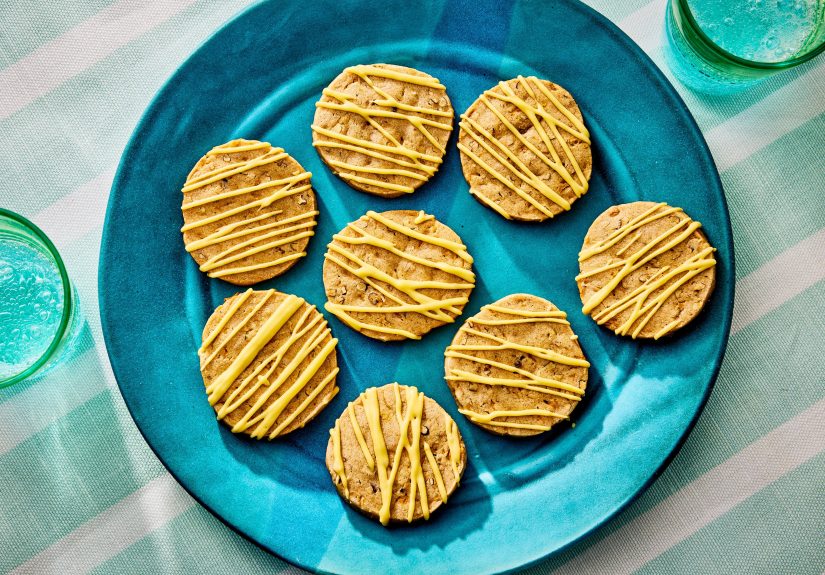
5) Optional cream cheese drizzle
- Beat cream cheese (and butter if using) until smooth.
- Add powdered sugar, vanilla, and 1 tbsp milk. Mix.
- Add more milk a teaspoon at a time until it drizzles. Drizzle over fully cooled cookies.
Pro Tips for Buttery, Not-Bready Cookies
-
Weigh flour if you can. Too much flour turns shortbread chalky. If measuring by cups, spoon and
leveldon’t scoop and pack. - Blot carrots like you mean it. This one step protects the “short” crumb and prevents spread.
-
Chill the dough long enough. If slices are squishing, the dough isn’t cold enough (or your kitchen
is acting like a sauna). - Keep mix-ins small. Finely chopped nuts slice cleanly; big chunks make cookies crack and crumble.
- Stop mixing as soon as it comes together. Overmixing = more gluten = less tender.
- Rotate the pan. Especially if your oven has hot spots (most ovens doit’s their hobby).
-
Cool completely before glazing. Warm cookies melt cream cheese drizzle into a shiny puddle.
Tasty puddle, sure. But still a puddle.
Variations
1) Sandwich cookies (full carrot-cake energy)
Make a thicker cream cheese frosting (less milk, more powdered sugar). Pipe or spread between two cookies.
Roll edges in chopped toasted pecans for maximum “bakery box” effect.
2) White-chocolate “carrot cake truffle” finish
Dip half of each cooled cookie in melted white chocolate, then sprinkle with chopped nuts and a pinch of cinnamon.
Let set on parchment.
3) Pineapple-coconut twist (optional, but very brunch-friendly)
Add 2 tbsp finely crushed pineapple that has been squeezed extremely dry (seriouslyno juice),
plus 2–3 tbsp unsweetened shredded coconut. Keep additions small to avoid softening the dough.
4) Gluten-free option
Substitute a reliable 1:1 gluten-free baking flour blend for the all-purpose flour. Keep the cornstarch, and chill
thoroughly for best structure. (Gluten-free shortbread loves a long nap in the fridge.)
5) Spice dial
Prefer bolder spice? Add a pinch of cloves or allspice. Prefer mellow? Reduce ginger to 1/4 tsp.
This recipe is flexiblelike yoga, but with butter.
Make-Ahead, Storage, and Freezing
Make-ahead
- Dough logs: Refrigerate up to 3 days. If longer, freeze.
- Freeze dough: Wrap logs tightly, then place in a freezer bag. Freeze up to 2–3 months.
- Bake from frozen: Slice frozen log (carefully) and add 1–2 minutes to bake time.
Storage
- Unglazed cookies: Store airtight at room temp 5–7 days for best texture.
-
Glazed cookies: Once glaze sets, store in a single layer or with parchment between layers. If your
kitchen is warm, refrigerate to keep the cream cheese drizzle stable.
Shortbread stays happiest when kept dry and protected. Also: let cookies cool completely before storing, unless you
enjoy “mysterious sogginess” as a lifestyle.
FAQ
Why did my cookies spread?
Usually one of three things: the butter was too warm, the dough wasn’t chilled long enough, or the carrots weren’t
dried well. Chill longer and blot carrots more thoroughly next time.
Why is my dough crumbly and not coming together?
Shortbread dough can look sandy before it becomes cohesive. Keep mixing on low for 10–20 more seconds.
If it still won’t clump when pressed, add 1 tsp milk and mix briefly. Tiny adjustments onlythis
isn’t bread.
Can I skip the egg yolk?
You can, but the yolk helps bind the dough (especially with carrots). Without it, you may get more cracking when slicing.
Do I really need cornstarch?
It’s not mandatory, but it’s a reliable way to keep shortbread tender and “short.” If you skip it, replace with the same
amount of flour and be extra gentle with mixing.
What’s the best thickness to slice?
1/4 inch gives crisp edges and tender centers. If you like thicker cookies, go to 3/8 inch and bake a bit longer.
Conclusion
This carrot cake shortbread cookies recipe is the sweet spot between “I want carrot cake” and
“I would like to avoid washing cake pans today.” You get buttery shortbread snap, cozy carrot-cake spices, and
an optional cream cheese drizzle that makes the whole thing feel like a celebrationwithout a single layer to level.
Bake a batch for spring gatherings, holiday cookie trays, or a random Tuesday when your snack standards are high.
(As they should be.)
Kitchen Experiences: What Usually Happens (and What to Do)
Here’s a funny little truth about baking “mashup” recipes: your kitchen will absolutely try to negotiate with you.
Carrot cake wants to be soft, plush, and moist. Shortbread wants to be dry, buttery, and slightly alooflike it’s
too classy to melt. When you combine them, the first thing that usually happens is you look at the grated carrots
and think, “They don’t seem that wet.” Then you blot them and realize you’ve been living a lie.
In many home kitchens, the biggest lightbulb moment is how much structure shortbread gets from simply
being left alone. People tend to treat cookie dough like it needs encouragement: mix more, warm it up, fuss with it.
Shortbread is the opposite. It’s happiest when you mix just until it comes together, then chill it like it just said
something awkward at a party and needs time to recover.
The second most common moment: slicing. If your dough log is perfectly chilled, you’ll get those clean little rounds
that look like bakery cookies. If it’s not chilled enough, you’ll get ovals. Not tragic, but the cookies will bake
with slightly uneven edges, and you’ll start rationalizing that “rustic” is a design choice. (It is. It totally is.)
The fix is simple: pop the log back in the fridge or freezer for 15–20 minutes, then slice again. Cold butter is the
backbone of your cookie’s self-respect.
Then there’s the bake. Shortbread doesn’t shout when it’s doneit whispers. The edges turn pale golden, the centers
look set, and you wonder if you’re underbaking. You’re probably not. Overbaked shortbread loses that tender crumble
and starts tasting like it’s auditioning to be a coffee stir stick. Pull the tray when the edges are just barely golden
and let the cookies cool on the sheet. Cooling is where the magic finishes.
Finally, the glaze. Many bakers drizzle too early because they’re excited (valid) and because waiting is hard (also valid).
But cream cheese drizzle on warm cookies turns into a glossy, delicious slip-n-slide. If that happens, call it “soaked icing”
and proceed confidently. If you want neat lines, wait until the cookies are fully cool, then drizzle in a slow zigzag.
Either way, the end experience is the same: someone “just tries one,” then circles back like they forgot something important,
and suddenly half the batch is missing. That’s not a recipe flaw. That’s success.