Table of Contents >> Show >> Hide
- What Chia Seeds Bring to the Table
- So, Are Chia Seeds Effective for Weight Loss?
- What the Research Actually Suggests
- Why Some People Feel Chia Seeds “Work”
- How to Use Chia Seeds for Healthy Weight Management
- Best Ways to Eat Chia Seeds
- Who Should Be Careful?
- The Bottom Line
- Real-World Experiences With Chia Seeds and Weight Loss
- SEO Tags
Chia seeds have one of the best publicists in the food world. Tiny? Yes. Trendy? Absolutely. Expensive enough to make you stare at the grocery shelf for a second longer than usual? Also yes. But when it comes to chia seeds and weight loss, the real question is whether these little seeds actually deserve their healthy reputation or whether they are just another wellness darling wearing a halo the size of a dinner plate.
Here is the honest answer: chia seeds can be useful for healthy weight management, but they are not a magic shortcut. They do not melt body fat, cancel out late-night fast food, or turn a sugary smoothie into a nutritional superhero just because you sprinkled in a spoonful. What they can do is make meals more filling, boost fiber intake, add a little protein, and help some people eat in a more balanced way.
That matters, because lasting weight loss usually comes from routines, not miracles. A food that helps you feel satisfied after breakfast, snack less mindlessly, and build a better eating pattern can be genuinely helpful. A food that gets treated like a tiny edible wizard? Less helpful. So let’s break down what chia seeds actually do, what the research suggests, and how to use them in a way that supports results without drifting into fad-diet nonsense.
What Chia Seeds Bring to the Table
Chia seeds may be small, but nutritionally they pull their weight. A typical serving of about 2 tablespoons provides fiber, plant-based omega-3 fats, a modest amount of protein, and minerals such as calcium, magnesium, and phosphorus. In plain English, they are nutrient-dense little overachievers.
One reason chia seeds get so much attention is their fiber content. Fiber helps add bulk to food, slows digestion, and can help you feel full sooner and stay full longer. Chia seeds also absorb liquid and form a gel-like texture, which is why chia pudding looks like something between dessert and a science experiment. That gel effect may contribute to fullness, especially when chia seeds are eaten with foods like yogurt, oats, or fruit.
They are also not calorie-free. That is where a lot of people get tripped up. Chia seeds are nutritious, but they still contain calories. A standard serving is roughly 140 calories. That is perfectly reasonable when the seeds are used to improve a balanced meal, but less helpful when they are added on top of an already calorie-heavy breakfast that was doing just fine without backup dancers.
So, Are Chia Seeds Effective for Weight Loss?
Yes, potentiallybut only in a supporting role. Chia seeds may help with weight loss indirectly by improving fullness, reducing the urge to snack, and making meals more satisfying. They are not effective in the sense of being a standalone solution.
How they may help
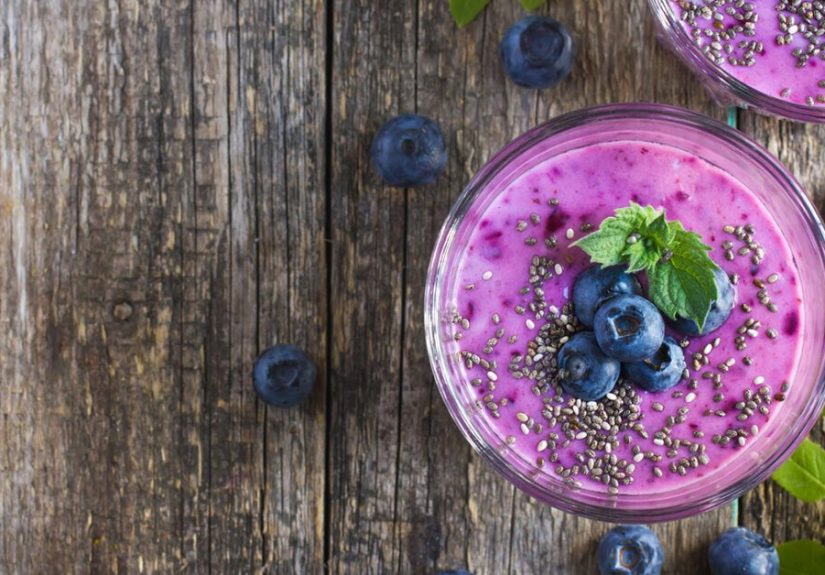
Chia seeds check several boxes that make a food more helpful for appetite control. They are high in fiber, contain some protein, and expand in liquid. That combination may help a meal stick with you longer. A breakfast that includes chia seeds, Greek yogurt, berries, and oats will usually keep a person fuller than a breakfast built around refined carbs alone.
They can also improve meal quality. Adding chia seeds to oatmeal, yogurt, or a smoothie often nudges people toward a more balanced eating pattern. That is not glamorous, but it is how real progress usually happens: better breakfasts, fewer random snack attacks, and less “Why am I hungry again at 10:30?” drama.
Where the hype gets wobbly
Research on chia seeds for weight loss is mixed. Some short-term studies suggest chia seeds can increase satiety and reduce food intake at the next meal. That is promising. But longer-term studies do not consistently show major drops in body weight or body mass index just from taking chia seeds by themselves.
In other words, chia seeds may help create the conditions that make weight loss easier, but they do not guarantee a smaller number on the scale. Think of them more like a helpful teammate than the star quarterback.
What the Research Actually Suggests
The most sensible way to read the research is this: chia seeds have plausible benefits, but the effect size is usually modest. Short-term findings suggest they can improve fullness and may reduce how much people eat at a following meal. That fits with what we know about fiber-rich foods in general.
Longer-term research is less dramatic. Some trials have found little or no meaningful change in overall body weight when people simply add chia seeds without making broader dietary changes. More recent reviews and meta-analyses suggest chia may have more consistent effects on things like triglycerides, blood pressure, or waist circumference than on total weight or BMI.
That does not mean chia seeds are useless. It means the internet likes to oversell them. A food can be helpful without being miraculous. In the real world, chia seeds seem most useful when they are part of a lower-calorie, higher-fiber eating pattern built around whole foods, portion awareness, and regular physical activity.
Why Some People Feel Chia Seeds “Work”
There is a good reason some people swear by chia seeds. They often change how a meal behaves.
- They slow things down. A thicker, fiber-rich meal tends to feel more substantial than a quick carb-heavy breakfast.
- They increase fullness. When chia seeds absorb liquid, the resulting texture can help some people feel satisfied sooner.
- They replace less helpful choices. A chia yogurt bowl can crowd out pastries, sugary cereals, or oversized coffee-shop breakfasts.
- They bring structure. People who prep overnight oats or chia pudding often become more consistent with meals, and consistency is underrated gold.
So yes, some people notice less snacking, fewer cravings, or steadier energy. But notice what is really happening: the seeds are helping improve the eating pattern. They are not performing calorie wizardry behind the scenes.
How to Use Chia Seeds for Healthy Weight Management
1. Pair chia seeds with protein
This is where chia seeds really shine. A tablespoon or two in Greek yogurt, cottage cheese, a protein smoothie, or overnight oats creates a meal that is much more satisfying than chia seeds floating alone in water like confused fish food. Protein and fiber work better together.
2. Measure the portion
Because chia seeds are healthy, people sometimes forget they are also energy-dense. A practical serving is usually 1 to 2 tablespoons. That gives you the fiber benefit without quietly turning a simple breakfast into a calorie bomb. “Healthy” still counts.
3. Use them to replace, not just add
The smartest move is substitution. Add chia seeds to a breakfast that replaces a less filling option. Blend them into a smoothie instead of adding extra syrup or sugary granola. Stir them into plain yogurt with fruit instead of buying a dessert pretending to be yogurt. A spoonful of chia on top of a donut does not create balance; it creates confusion.
4. Increase gradually
Chia seeds are very high in fiber. If your usual diet is low in fiber and you suddenly go from zero to hero, your digestive system may file a formal complaint. Start small, see how you feel, and drink enough fluid.
5. Keep expectations realistic
Chia seeds can support healthy weight loss, but they will not replace the basics: portion control, balanced meals, movement, adequate sleep, and a pattern you can actually live with on a random Wednesday when life is annoying.
Best Ways to Eat Chia Seeds
If you want the benefits of chia seeds without turning breakfast into homework, keep it simple. Some practical ideas include:
- Overnight oats: Oats, milk, chia seeds, cinnamon, and berries make an easy, fiber-rich breakfast.
- Greek yogurt bowl: Add chia seeds, fruit, and a few nuts for a protein-and-fiber combo.
- Smoothies: Blend a tablespoon into a smoothie with fruit, greens, and a protein source.
- Chia pudding: Use milk or fortified soy milk, let it thicken, and top with fruit instead of a sugar avalanche.
- Oatmeal: Stir chia into warm oats to boost texture and satiety.
- Homemade jam: Chia seeds can thicken mashed berries without needing tons of added sugar.
The best option is the one you will actually eat consistently. Nutrition is full of foods that look amazing on social media and quietly die in the back of the pantry. Let’s avoid that fate.
Who Should Be Careful?
For most people, chia seeds are a safe and nutritious food. Still, a few practical cautions matter.
First, because chia seeds absorb a lot of liquid, they can cause bloating, gas, or constipation if you eat too much too quickly without enough fluids. That is especially true if your usual diet is low in fiber.
Second, dry chia seeds can swell after exposure to liquid. People with swallowing difficulties should be cautious, and small children should not be handed dry chia seeds casually. Soaking them first or mixing them into soft foods is the smarter move.
Third, if you have a digestive condition or know that very high-fiber foods bother you, it is worth checking with a healthcare professional or registered dietitian before making chia a daily habit. Healthy foods are still supposed to work for your body, not just look impressive in a mason jar.
The Bottom Line
Are chia seeds effective for weight loss? They can be, but not in the dramatic way the hype sometimes suggests. Chia seeds are best viewed as a helpful tool, not a miracle cure. Their fiber, texture, and nutrient profile may help with fullness, meal quality, and appetite control, which can support a calorie deficit over time.
What they do not do is produce significant, reliable weight loss all by themselves. If your overall eating pattern is chaotic, adding chia seeds is unlikely to save the day. But if you use them to build balanced breakfasts, reduce mindless snacking, and create meals that keep you satisfied, they can absolutely earn a place in a weight-conscious routine.
So no, chia seeds are not magic. But they are practical, versatile, and legitimately nutritious. In the nutrition world, that is actually better than magic. Magic tends to disappear by next Tuesday.
Real-World Experiences With Chia Seeds and Weight Loss
In real life, experiences with chia seeds tend to be surprisingly consistent, and they usually land somewhere between “This helped” and “This was fine, but it did not change my life.” People who report the best results often use chia seeds as part of a more filling breakfast or snack, not as a stand-alone weight-loss hack. For example, many notice that when they add chia seeds to overnight oats, plain yogurt, or a smoothie with protein, they stay full longer and do not go hunting for crackers, pastries, or vending-machine drama two hours later.
Another common experience is improved meal structure. Chia seeds are popular with people who meal prep because they are easy to portion and easy to repeat. When someone starts making chia pudding or yogurt bowls a few times a week, the benefit is not only the seeds themselves. It is also the routine: breakfast becomes more consistent, portion sizes become easier to manage, and high-sugar convenience foods start showing up less often. Over time, that can support weight management in a very unflashy but effective way.
Some people also report steadier energy when chia seeds replace a less balanced breakfast. That makes sense. A breakfast built from fiber, protein, and fruit usually behaves differently from one built from refined carbs and wishful thinking. People may feel fewer energy crashes, less midmorning hunger, and less urgency to snack. Those changes may not sound dramatic, but they can help create the daily calorie gap needed for gradual, sustainable weight loss.
On the flip side, not everyone falls in love with chia seeds. Some people dislike the gel-like texture, which is fair because “slightly elegant tapioca frog eggs” is not for everyone. Others find that if they eat too much too soon, they feel bloated or gassy. That is another very common experience, especially among people who suddenly add large amounts of fiber without drinking enough water. Starting with a smaller amount usually goes much better than diving headfirst into a giant chia pudding because the internet said you were about to become your best self.
There is also a group of people who notice basically no difference in their weight. That does not necessarily mean chia seeds failed. It may simply mean they were added on top of an otherwise unchanged diet. If a person still eats past fullness, snacks mindlessly, drinks lots of sugary beverages, or underestimates portions elsewhere, chia seeds are unlikely to override the bigger pattern. That is the most honest lesson from real-world experience: chia seeds can be helpful, but they work best when they are part of broader habits that support health.
So the most realistic experience is this: chia seeds may help you feel fuller, eat a bit more mindfully, and build better meals. They are not a miracle. But for many people, they are a practical little habit that makes healthy eating easier, and that is often enough to matter.