Table of Contents >> Show >> Hide
- What Is Chicken Marsala?
- Why This Chicken Marsala Recipe Works
- Ingredients
- Step-by-Step: How to Make Chicken Marsala
- Dry vs. Sweet Marsala: Which One Should You Use?
- Common Chicken Marsala Mistakes (and Easy Fixes)
- Best Side Dishes for Chicken Marsala
- Chicken Marsala Variations
- Make-Ahead, Storage, and Reheating
- Food Safety Notes (Quick but Important)
- Chicken Marsala FAQ
- Conclusion
- Kitchen Experiences: Real-World Chicken Marsala Moments (Extended)
If Chicken Marsala had a dating profile, it would say: “Classic, charming, deeply comforting, and ready in under an hour.”
This Italian-American favorite combines thin chicken cutlets, earthy mushrooms, and a glossy Marsala wine pan sauce that tastes like
you spent all day in the kitchenwhen in reality, you only sacrificed one skillet and maybe a little patience.
In this in-depth guide, you’ll get a complete Chicken Marsala recipe, plus the “why” behind each step so you can cook with confidence
instead of crossing your fingers. We’ll cover dry vs. sweet Marsala, how to avoid rubbery chicken, how to build a velvety sauce without
mystery thickeners, and what to do when your sauce looks more like mushroom soup than restaurant magic. We’ll also cover storage, reheating,
easy variations, and practical serving ideas for weeknights, dinner parties, or that one friend who says they’re “not hungry” and then steals
half your plate.
Grab your skillet. Tonight’s dinner is about to become your personality.
What Is Chicken Marsala?
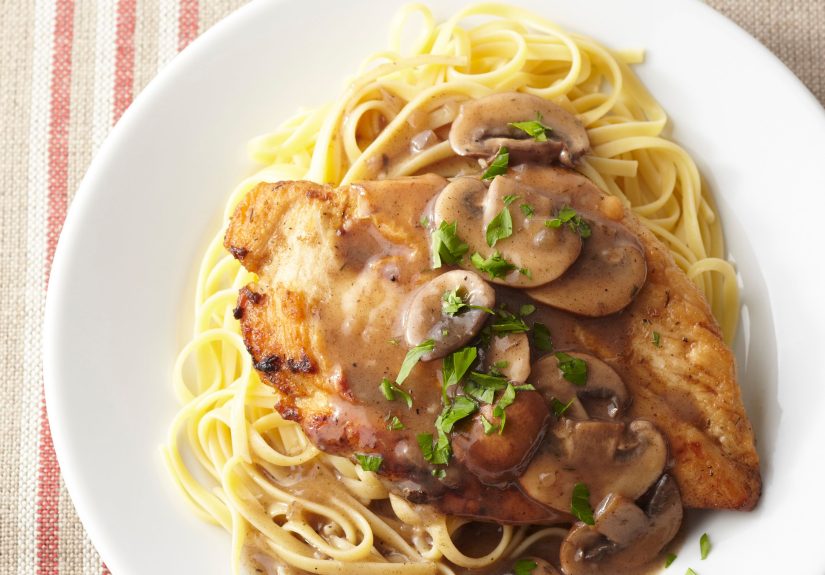
Chicken Marsala is a pan-seared chicken cutlet dish finished with a Marsala wine sauce, usually with mushrooms.
Marsala is a fortified wine from Sicily that adds a signature flavor profile: nutty, lightly caramelized, and savory-sweet depending on style.
The U.S. restaurant version often includes mushrooms (and sometimes cream), while classic home-cooking versions frequently keep it simple with
wine, stock, aromatics, and butter.
Think of Chicken Marsala as the perfect middle ground between “I need comfort food now” and “I want to feel slightly fancy on a Tuesday.”
Why This Chicken Marsala Recipe Works
- Thin cutlets cook fast and stay juicy: less time in the pan means less chance of dry chicken.
- Light flour dredge: helps browning and gives the sauce body.
- Proper mushroom browning: boosts umami and prevents watery sauce.
- Marsala + stock reduction: creates concentrated flavor, not a thin, sweet puddle.
- Butter finish: gives a glossy, restaurant-style texture.
Ingredients
For the Chicken
- 1 1/2 pounds boneless, skinless chicken breasts (or cutlets)
- 1 teaspoon kosher salt (plus more to taste)
- 1/2 teaspoon black pepper
- 1/2 cup all-purpose flour (for dredging)
- 2 to 3 tablespoons olive oil (for searing)
For the Marsala Mushroom Sauce
- 10 ounces cremini mushrooms, sliced
- 1 medium shallot, finely minced
- 2 to 3 cloves garlic, minced
- 3/4 cup dry Marsala wine (or sweet Marsala if you prefer richer sweetness)
- 1/2 cup low-sodium chicken stock
- 2 tablespoons unsalted butter (plus 1 tablespoon optional for finishing)
- 1 teaspoon lemon juice (optional, for brightness)
- 2 tablespoons chopped fresh parsley
Optional Add-Ins
- 2 tablespoons heavy cream for a creamy Chicken Marsala
- 2 ounces diced prosciutto for extra savory depth
- A pinch of red pepper flakes for subtle heat
Step-by-Step: How to Make Chicken Marsala
1) Prep the Chicken
Slice large chicken breasts horizontally to make thin cutlets, then gently pound to even thickness (about 1/4 inch).
Season both sides with salt and pepper. Dredge lightly in flour and shake off excess.
You want a whisper of flour, not a winter storm.
2) Sear Until Golden
Heat a large skillet over medium-high heat and add olive oil. Sear chicken in batches, about 2 to 3 minutes per side,
until golden and nearly cooked through. Transfer to a plate.
3) Brown the Mushrooms Properly
Add a touch more oil if needed, then add mushrooms in a single layer. Let them sit briefly before stirring.
Cook until browned and their moisture mostly evaporates. Add shallot and cook 1 to 2 minutes, then garlic for 30 seconds.
4) Deglaze with Marsala
Pour in Marsala wine, scraping the browned bits from the pan bottom. Simmer until reduced by roughly half.
This step is where your sauce transforms from “liquid” to “flavor.”
5) Add Stock and Finish
Add chicken stock, simmer 2 to 4 minutes, then return chicken (and juices) to the pan.
Cook until chicken reaches doneness and the sauce lightly coats a spoon.
6) Butter, Parsley, Serve
Turn off heat and swirl in butter for shine and richness. Add lemon juice if desired, then parsley.
Taste and adjust seasoning. Serve immediately over pasta, mashed potatoes, or crusty bread.
Dry vs. Sweet Marsala: Which One Should You Use?
Both work, but they produce different moods:
- Dry Marsala: more savory, nutty, and balanced; great for classic restaurant-style Chicken Marsala.
- Sweet Marsala: rounder, richer, slightly sweeter sauce; delicious if you like bolder caramel notes.
If you’re new to the dish, start with dry Marsala. You can always nudge sweetness later with a tiny knob of butter or a splash more stock
for balance. If your pantry only has sweet Marsala, reduce it a bit longer and consider a squeeze of lemon at the end.
Common Chicken Marsala Mistakes (and Easy Fixes)
Mistake 1: Thick, dry chicken cutlets
Fix: Pound to even thickness. Uneven chicken cooks unevenly, which is how one side ends up juicy while the other becomes a protein cracker.
Mistake 2: Crowding the pan
Fix: Cook in batches. Overcrowding steams the chicken and mushrooms, preventing browning and flavor.
Mistake 3: Not reducing the wine
Fix: Let Marsala simmer and reduce before adding stock. If you skip reduction, the sauce may taste boozy or flat.
Mistake 4: Over-salting too early
Fix: Season in layers, but final-adjust at the end after reduction. Sauces get saltier as they concentrate.
Mistake 5: Sauce too thin or too thick
Fix: Too thin? Simmer 1 to 2 minutes longer. Too thick? Add a splash of stock and whisk gently.
Best Side Dishes for Chicken Marsala
- Angel hair pasta or fettuccine: catches every drop of sauce.
- Creamy mashed potatoes: comfort-food perfection.
- Polenta: soft, buttery, and ideal for soaking sauce.
- Roasted green beans or asparagus: balances richness.
- Cauliflower mash: lower-carb but still cozy.
- Toasted sourdough: for strategic sauce cleanup.
Chicken Marsala Variations
Creamy Chicken Marsala
Stir in 2 tablespoons to 1/4 cup heavy cream at the end for a richer, silkier finish.
Keep heat low so the sauce stays smooth.
Prosciutto Marsala
Crisp chopped prosciutto first, remove, and sprinkle over plated chicken for salty crunch and deeper savory flavor.
Gluten-Free Chicken Marsala
Swap all-purpose flour for a gluten-free blend or rice flour. The method stays the same.
Low-Carb Version
Skip flour on the chicken and rely on reduction plus butter to thicken the sauce naturally.
Make-Ahead, Storage, and Reheating
Chicken Marsala is excellent for meal prep if handled correctly:
- Cool leftovers quickly and refrigerate in airtight containers.
- Use within 3 to 4 days for best safety and quality.
- Reheat gently on the stovetop with a splash of stock to loosen sauce.
- When reheating chicken dishes, bring to a safe serving temperature before eating.
Freezer tip: You can freeze portions, but mushroom texture may soften after thawing.
If freezing for quality, undercook the chicken slightly and finish gently when reheating.
Food Safety Notes (Quick but Important)
- Cook chicken to a safe internal temperature of 165°F.
- Don’t leave cooked chicken at room temperature for long periods.
- Wine in sauce adds flavor, but alcohol does not instantly disappear; longer simmering reduces more alcohol.
Chicken Marsala FAQ
Can I make Chicken Marsala without wine?
You can, but it won’t taste like classic Chicken Marsala.
If needed, use a mix of stock plus a small splash of grape juice and a little sherry vinegar for complexity.
Can I use chicken thighs instead of breasts?
Absolutely. Boneless thighs are flavorful and forgiving.
Just adjust cooking time since thickness varies more than cutlets.
Do I need cream in Chicken Marsala?
Nope. Traditional versions are often cream-free. Cream is optional for a richer style.
What mushrooms are best?
Cremini are the default winner: affordable, earthy, and meaty.
You can mix in shiitake or oyster mushrooms for extra depth.
Conclusion
A great Chicken Marsala recipe is less about complicated technique and more about smart sequencing:
thin chicken, strong browning, wine reduction, and a buttery finish.
Once you master that rhythm, this dish becomes an easy weeknight power move and a reliable “company’s coming” dinner.
If your first attempt is delicious but not exactly restaurant-level, welcome to the club.
Your second attempt will be better. Your third attempt will have someone asking, “Wait… did you order this?”
At that point, smile modestly and pretend this level of excellence has always been your baseline.
Kitchen Experiences: Real-World Chicken Marsala Moments (Extended)
Every great home-cooked dish collects stories, and Chicken Marsala might be one of the best “memory magnets” in the dinner world.
It’s practical enough for weeknights, but elegant enough to feel meaningful. Over time, home cooks tend to remember not just the recipe,
but the moment attached to it.
One common experience: the “rescue dinner.” You planned something else, life happened, and now it’s 7:20 PM.
The fridge offers chicken, mushrooms, and maybe half a bottle of Marsala from a previous recipe.
You pound the chicken, sear quickly, reduce wine, and 35 minutes later dinner tastes like a deliberate plan.
That’s the magic of this dishit can feel special even when it started as culinary improvisation.
Another classic: the “first date at home” scenario. Chicken Marsala is a smart choice because it smells incredible while cooking,
looks polished when plated, and doesn’t require obscure ingredients. The only real challenge is timing your final butter swirl and parsley
garnish while pretending you’re totally calm. If you burn one piece of chicken while talking too much, no panicslice it, tuck it under mushrooms,
and proceed confidently. The sauce forgives many sins.
Then there’s the “family conversion story.” Someone in the house says, “I don’t really like mushrooms.”
You keep slices thin, brown them deeply, and let the Marsala sauce mellow their flavor.
Suddenly the same person is using bread to scrape the skillet.
Chicken Marsala often changes minds because the mushroom flavor becomes savory and integrated rather than loud and earthy.
Many cooks also discover a useful confidence lesson: not every sauce problem is a disaster.
Too thin? Reduce longer. Too salty? Add stock and a little butter. Too sweet from sweet Marsala?
Add lemon and black pepper. Sauce too intense? Serve with a neutral side like mashed potatoes or plain pasta.
The dish teaches adjustment, not perfectionismand that mindset travels to every other recipe you’ll ever make.
One of the best experiences tied to Chicken Marsala is leftovers done right.
If you reheat gently in a skillet with a splash of stock, day-two Marsala can be deeply flavorful.
Serve it over toasted bread with a fried egg for brunch, or shred chicken into a warm sandwich with arugula and provolone.
Home cooks love this because it extends effort into another satisfying meal without feeling repetitive.
Finally, there’s the “signature dish” moment. Every cook eventually finds one recipe they can make almost from memory.
Chicken Marsala is often that recipe because it has clear logic, repeatable technique, and impressive results.
Once it becomes your go-to, dinner stress drops dramatically. You stop wondering what to cook and start thinking about how to make it yours:
extra shallot, a sage leaf finish, a creamy variation for winter, or a brighter lemony version for spring.
That’s what makes Chicken Marsala more than a recipe. It’s a practical skill, a confidence builder, and occasionally a social superpower.
It can rescue a rushed Tuesday, anchor a weekend dinner, and quietly prove that “home-cooked” and “restaurant-worthy” can absolutely share the same plate.