Table of Contents >> Show >> Hide
Chronic lymphocytic leukemia, better known as CLL, has a talent for being both dramatic and sneaky. It is a blood cancer that often grows slowly, may show up on a routine blood test, and can leave people wondering whether they need treatment now, later, or not for quite a while. That uncertainty is one of the trickiest parts of the disease. The good news is that modern CLL care has improved significantly, and many people live with this condition for years while working, traveling, eating dinner, paying bills, and doing all the gloriously ordinary things that make life feel normal.
Still, “living with it” does not mean ignoring it. Smart CLL management is a mix of good medical follow-up, knowing when treatment is necessary, protecting yourself from complications, and practicing self-care that is actually useful instead of internet-myth nonsense. No magic tea. No miracle berry. No suspicious powder sold by a guy who somehow looks both 24 and 94. Just practical, evidence-based steps that support your body and help you stay steady.
What CLL management really means
CLL management is not one-size-fits-all. Some people are diagnosed at an early stage and do not need immediate treatment. Others have symptoms, worsening blood counts, or more active disease and need therapy sooner. Your hematology team usually makes decisions based on symptoms, exam findings, blood counts, genetic and molecular testing, how quickly the disease is changing, your overall health, and your preferences.
That last part matters more than people expect. Two people can both have CLL and still have very different treatment paths. One may be monitored for years. Another may need targeted treatment within months. CLL is less like a straight highway and more like a GPS that keeps recalculating the route based on traffic, weather, and the occasional medical pothole.
Why “watchful waiting” is not doing nothing
One of the most important facts about CLL is that treatment does not always start on day one. If you do not have significant symptoms or signs that the disease is causing harm, your doctor may recommend watchful waiting, also called active surveillance or watch and wait. This approach is common in CLL, and it is not neglect. It is a planned strategy.
During active surveillance, your care team monitors you with regular visits, physical exams, lab work, and symptom review. The goal is to avoid starting treatment before it is actually helpful. Early treatment for otherwise stable, symptom-free disease has not been shown to improve outcomes in the people who are appropriate for observation. In plain English: sometimes the smartest move is not to rush in swinging.
That can be emotionally hard. People hear the word leukemia and naturally assume that treatment should begin immediately. But CLL often behaves differently from faster-growing blood cancers. For many patients, careful monitoring is the safest and most sensible option until there is a clear reason to treat.
Signs treatment may need to start
If CLL becomes symptomatic or progressive, treatment may be recommended. Some of the more common reasons include:
- Severe fatigue that interferes with normal daily life
- Drenching night sweats, unexplained fevers, or unintentional weight loss
- Rapidly enlarging lymph nodes, spleen, or liver
- Low red blood cell counts or low platelet counts
- Frequent or recurrent infections
- Evidence that the disease is clearly worsening over time
Many people also first notice CLL-related issues through symptoms such as swollen lymph nodes, fatigue, early fullness from an enlarged spleen, bruising, or repeated infections. The key point is that your doctor is not looking at one lab value in isolation. They are watching the whole picture over time.
How CLL is treated when it becomes active
Modern CLL treatment is far more personalized than it used to be. In many cases, targeted therapy plays a leading role. These drugs are designed to interfere with the survival pathways that CLL cells rely on. Depending on your situation, treatment may involve a Bruton tyrosine kinase inhibitor, such as acalabrutinib or zanubrutinib, or a BCL-2 inhibitor approach built around venetoclax, often combined with an anti-CD20 antibody such as obinutuzumab or rituximab.
These therapies are important because they can be highly effective without relying on traditional chemotherapy alone. That does not mean they are side-effect free. Targeted therapies can still cause fatigue, diarrhea, bleeding issues, blood pressure changes, infections, or other complications. “Targeted” does not mean “cute and harmless.” It means the treatment is more focused, not that it arrives with a spa soundtrack.
Other treatments that may be part of the plan
Some people may receive immunotherapy, chemoimmunotherapy, radiation for symptom relief, or treatment through a clinical trial. In select situations, more advanced approaches such as stem cell transplant or CAR T-cell therapy may be considered. These are generally used in more specialized circumstances rather than as routine first steps for everyone.
Your doctor may also recommend supportive care along the way. That can include treatment for anemia, medications to prevent or treat infections, transfusions when necessary, and help managing side effects. Good CLL management is not just about attacking cancer cells. It is also about protecting quality of life while the rest of life keeps happening.
Self-care that actually helps when you have CLL
Self-care in CLL is not about pretending green smoothies can out-negotiate a leukemia clone. It is about reducing complications, improving day-to-day function, and giving your body the best possible support whether you are under observation or actively receiving treatment.
1. Protect yourself from infection without turning into a cave dweller
People with CLL often have weakened immune function because of the disease itself, and treatment can add to that risk. Infection prevention is one of the most important parts of self-care. That starts with basic habits that sound boring because they work: wash your hands, avoid close contact with sick people, be cautious in crowded indoor spaces during high-risk seasons, and ask your care team what precautions make sense for your situation.
Vaccination matters too. Keep up with recommended vaccines in coordination with your oncology team. Flu vaccination is especially important for people with cancer, and updated COVID-19 vaccination is recommended for people who are moderately or severely immunocompromised. Some people with weakened immune systems may need extra doses or a more individualized schedule. Live vaccines are generally avoided in people with significant immunosuppression unless a specialist specifically advises otherwise.
If you develop a fever, call your care team promptly. With CLL, a fever is not always a “wait and see” situation. It may be a sign of infection, and quick evaluation can matter.
2. Manage fatigue like a strategist
Fatigue is one of the most common complaints in CLL, and it is not the same thing as ordinary tiredness. Cancer-related fatigue can feel heavy, stubborn, and rude. It often does not disappear just because you took a nap and watched two episodes of something comforting.
The best approach is usually a combination of pacing, movement, hydration, and honest symptom reporting. Light exercise such as walking or stretching can actually improve energy for some people. So can planning your day so that the most important tasks happen when your energy is best. Rest is still valuable, but endless bed rest can sometimes make fatigue feel worse rather than better.
Also, tell your team if fatigue is worsening. It may relate to anemia, infection, treatment effects, sleep problems, depression, or disease progression. Fatigue deserves evaluation, not just resignation.
3. Eat well, but skip miracle-cure marketing
No special diet has been proven to cure CLL or reliably stop it from progressing. That is the unglamorous truth. But healthy eating still matters because it supports your strength, heart health, metabolism, and recovery. A balanced eating pattern rich in vegetables, fruit, whole grains, lean protein, healthy fats, and adequate fluids is a practical place to start.
If treatment affects appetite, taste, or digestion, smaller meals may help. If you are losing weight unintentionally, ask for guidance early instead of trying to power through. And be careful with supplements. So far, supplements have not been proven to keep CLL from progressing, and some may interact with treatment or increase bleeding risk. Natural is not a synonym for safe.
4. Stay active as your body allows
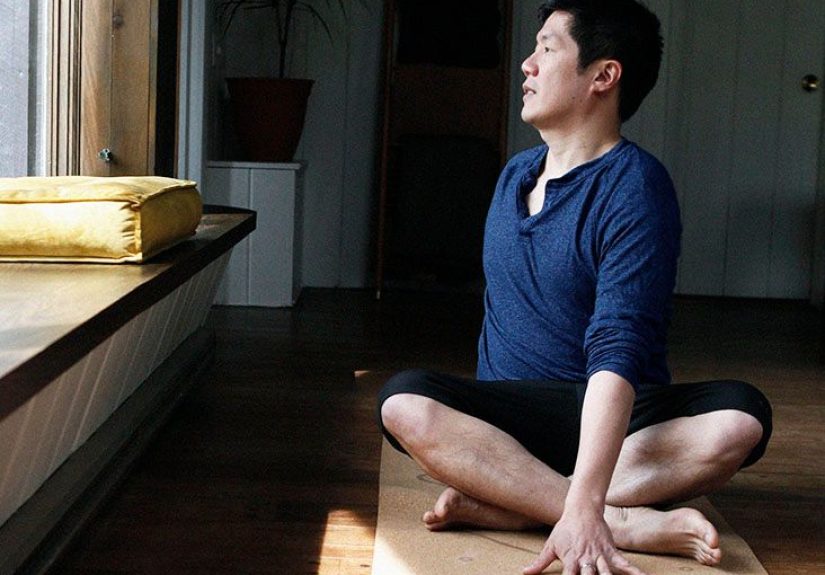
Regular physical activity helps with energy, mood, sleep, strength, and overall health. You do not need to become a marathon runner or suddenly develop strong opinions about kettlebells. Even moderate activity can help. Walking, light resistance work, gentle cycling, yoga, and mobility exercises are all reasonable depending on your condition.
The goal is consistency, not heroics. If you are on treatment, recovering from infection, or dealing with anemia, your activity may need to be adjusted. That is normal. Think progress, not punishment.
5. Protect your skin and keep up with cancer screening
People with CLL have a higher risk of second cancers, including skin cancer. That is why routine preventive care is not optional background noise. It is part of the main plot. Ask about age-appropriate cancer screening and routine primary care follow-up. Many experts also recommend regular dermatology checks and careful sun protection.
Use sunscreen, wear protective clothing when practical, and do not ignore new or changing skin spots. It is much easier to deal with a problem that is caught early than one that has had months to settle in and unpack.
6. Take care of your mental health too
CLL can be emotionally strange because it often behaves like a chronic illness rather than a one-time crisis. Many people feel anxious during watchful waiting because they know they have cancer, yet they are not receiving treatment right away. Others feel emotionally worn down by repeated blood tests, treatment decisions, or fear of infection.
Mental health support is not a luxury add-on. It is part of good care. Counseling, support groups, journaling, mindfulness, faith communities, or simply talking honestly with family and friends can help. There is no medal for suffering in silence. There is only more suffering.
Build a care system, not just a medical file
Good CLL self-care gets easier when you have the right team around you. That team may include a hematologist or oncologist, a primary care clinician, a dermatologist, nurses, pharmacists, and supportive family or friends. If your local doctor is not a CLL specialist, it can still be valuable to get a second opinion or occasional consultation from a center with deeper CLL expertise, especially when treatment decisions become more complex.
It also helps to keep your medical information organized. Save copies of pathology reports, blood test trends, treatment names, side effects, and medication lists. Know which symptoms should prompt an urgent call. Ask for a survivorship or follow-up care plan when appropriate. In a chronic disease, organization is not overkill. It is oxygen.
When to call your healthcare team sooner rather than later
Do not wait until your next routine appointment if you develop any of the following:
- Fever or signs of infection
- Rapidly worsening fatigue or weakness
- New shortness of breath, chest symptoms, or dizziness
- Easy bruising, unusual bleeding, or pinpoint red spots on the skin
- Fast-growing lymph nodes or increasing belly fullness
- Night sweats, major weight loss, or other new “B symptoms”
- Side effects that feel severe, persistent, or out of proportion
Many people with CLL are told to monitor, not panic. That is good advice. But “do not panic” and “do not report symptoms” are not the same sentence.
Common experiences people with CLL often describe
One of the most relatable parts of CLL is how often the diagnosis arrives without a dramatic movie scene. Many people do not march into a clinic saying, “Doctor, I suspect a slow-growing B-cell malignancy.” They go in for routine blood work, a yearly physical, or follow-up for something unrelated, and then suddenly their white blood cell count opens the door to a whole new vocabulary. Flow cytometry. FISH testing. Rai staging. Watchful waiting. It can feel like being handed a user manual for an appliance you never ordered.
Another very common experience is the psychological whiplash of being told you have leukemia but may not need treatment yet. That is hard for patients and sometimes for families too. Loved ones may think no treatment means no big deal, while the person with CLL may feel like they are quietly sitting beside a lit fuse that nobody will tell them the length of. This emotional gap is real. People often say the first challenge is not physical pain but learning how to live with uncertainty.
During active surveillance, many patients describe lab days as strangely intense. You may feel fine most of the month and then become deeply interested in every number on a complete blood count as if you are studying for the world’s least fun exam. A slightly higher white count can ruin a perfectly decent Tuesday. Over time, many people become better at seeing the bigger trend instead of reacting to every tiny wobble, but that skill usually has to be learned.
Fatigue is another experience that shows up again and again. Not every patient has it the same way, but when it appears, it can be frustrating because it is often invisible to everyone else. A person may look normal, speak normally, and still feel as though someone secretly swapped their batteries for decorative pebbles. This can affect work, parenting, exercise, social plans, and confidence. Some people describe having to relearn how to budget energy, choosing what truly matters on a given day instead of trying to win a productivity contest against their own bone marrow.
People living with CLL also often talk about becoming more infection-aware. That does not always mean fearful, but it does mean more intentional. Things that once felt routine, like sitting in a packed waiting room, traveling during peak virus season, or shrugging off a fever, may start to feel different. Many patients become more careful about hand hygiene, vaccinations, masks in high-risk settings, and calling the doctor sooner when symptoms show up. It is not paranoia. It is pattern recognition.
Treatment experiences vary, but many people say that once a plan is finally in place, there can be surprising emotional relief. Even if starting therapy is scary, having a roadmap can feel better than endless uncertainty. Others report that side-effect management becomes a central part of daily life: tracking energy, hydration, bruising, digestion, sleep, and medication timing with the precision of an air traffic controller. This is one reason education and communication matter so much. The more a person understands the “why” behind their care, the less random and overwhelming the journey tends to feel.
There is also a hopeful theme in many CLL stories. Over time, people often build a new rhythm. They learn the names of their medications. They know which symptoms matter. They find support groups or trusted friends. They discover that life does not stop being meaningful because it now includes lab slips and oncology visits. CLL changes the calendar, yes, but it does not automatically erase joy, humor, purpose, or future plans. Many people living with CLL become extremely skilled at balancing realism with hope, which might be one of the most underrated forms of strength in all of medicine.
Conclusion
Chronic lymphocytic leukemia management is about more than choosing a drug. It is about knowing when observation is appropriate, recognizing when treatment is needed, preventing complications, and building daily habits that support resilience. The best self-care for CLL is not flashy. It is consistent. Keep your appointments. Report symptoms early. Protect yourself from infections. Stay active as tolerated. Eat well. Guard your mental health. Keep up with preventive screening. And remember that good care is not only about controlling disease. It is also about protecting your quality of life while you live with it.
This article is for general educational purposes and should not replace personalized medical advice from your oncology team.