Table of Contents >> Show >> Hide
- Why a Cinder Block Herb Garden Works So Well
- Are Cinder Blocks Safe for Growing Herbs You Eat?
- Plan First: Location, Sunlight, and “How Lazy Do You Want to Be?”
- Materials List for a Cinder Block Herb Garden
- Step-by-Step: How to Build a Cinder Block Herb Garden
- Step 1: Choose your size (easy starter layout)
- Step 2: Prep the ground (no-dig, no drama)
- Step 3: Level the base (your future self will thank you)
- Step 4: Place blocks with holes facing up
- Step 5: Fill the bed (and the pockets) the smart way
- Step 6: Plant your herbs in “water-needs neighborhoods”
- Step 7: Mulch and water deeply
- The Best Soil Mix for a Cinder Block Herb Garden
- What to Plant: Herb Picks That Thrive in Cinder Block Planters
- Design Ideas: Make Your Cinder Block Herb Garden Look Intentional
- Care & Maintenance: Keep It Productive Without Babysitting
- Troubleshooting: Common Problems (and Quick Fixes)
- The Takeaway
- Experiences From Real Cinder Block Herb Gardens (The Stuff You Learn After You Build One)
Fresh herbs have a weird superpower: the moment you buy a bunch of basil, it immediately starts auditioning for a role as “sad green confetti” in your fridge.
A cinder block herb garden fixes that problem in the most satisfying way possibleby giving your herbs a sturdy, modular home that’s easy to build,
surprisingly stylish, and tough enough to outlive your motivation dips.
Whether you’ve got a sunny patio, a tiny side yard, or a backyard that’s already full of “projects you’ll totally finish someday,” cinder blocks let you create
a DIY raised herb planter that looks intentional, drains well, and puts your favorite flavors within arm’s reach of the kitchen.
Why a Cinder Block Herb Garden Works So Well
1) It’s modular (aka: forgiving)
Cinder blocks are basically adult LEGOsheavy, affordable, and willing to be rearranged. If you build your garden and decide it needs to be longer, taller,
or shaped like a fancy U so you can stand in the middle like the Herb Overlord you are, you can adjust without ripping everything out.
2) You get built-in “pockets” for bonus herbs
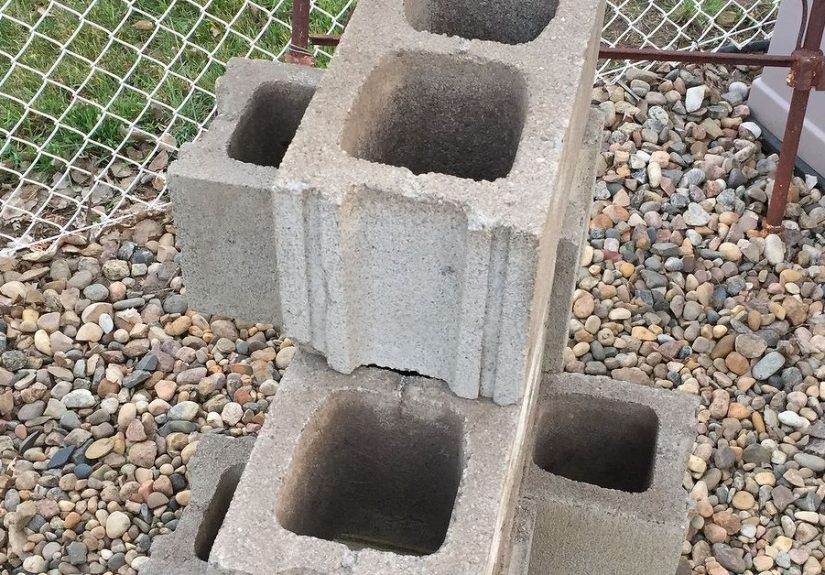
Turn the holes upward and each block becomes a mini planter. That means you can grow thyme in the pockets, basil in the bed, and mint in a corner where it
can’t start a hostile takeover. (More on mint’s personality later.)
3) It’s durable and low-maintenance
Wood can rot, thin plastic can crack, and your “temporary” planter box can become a long-term commitment in exactly one summer. Cinder blocks don’t mind rain,
sun, or you forgetting to seal something. They just sit therecalm, stable, quietly judging your watering schedule.
4) Great for renters and commitment-phobes
If you build it as a dry-stacked bed (no mortar), it’s removable. If you move, you can take it with youor leave it as a gift to the next person who
appreciates herbs more than the grocery store appreciates keeping them alive.
Are Cinder Blocks Safe for Growing Herbs You Eat?
This question pops up a lot, and for good reason: anything that touches food makes us nervous (as it should). Most guidance aimed at home gardeners treats
concrete blocks as an acceptable raised-bed material for edible gardens. Still, there are a couple of practical precautions that make a good idea even better:
- Use new, standard concrete blocks from a reputable supplier. Avoid mystery blocks salvaged from unknown industrial sites.
-
If you’re uneasy, add a simple barrier. You can line the inside face with landscape fabric or heavy plastic (with drainage preserved) so soil
isn’t directly touching the block surface. - Skip painting surfaces that contact soil. If you paint for looks, keep paint on the exterior only and use products rated for masonry and outdoors.
Bottom line: a cinder block herb garden is widely treated as a practical, garden-friendly optionespecially compared with questionable treated lumberand it can
be made even more comfortable for cautious gardeners with a liner.
Plan First: Location, Sunlight, and “How Lazy Do You Want to Be?”
Pick a spot with enough sun
Most culinary herbs want bright lightthink 6–8 hours of sun for peak growth and flavor. Some (like parsley and mint) tolerate partial shade,
but sun is the secret ingredient for that “I grew this” flavor.
Put it where you’ll actually use it
The best kitchen herb garden is the one you remember to visit. If you grill often, build it near the patio. If you cook indoors, place it along the path from
the back door so “harvest time” doesn’t feel like a hike.
Think about water access
Herbs are low-drama until they’re thirsty, and then they get theatrical. Build within hose range or set up a watering can station nearby.
Materials List for a Cinder Block Herb Garden
Here’s what you’ll typically need for a simple rectangular bed with pocket planters:
- Cinder blocks / concrete blocks (quantity depends on your design)
- Cardboard or landscape fabric (to smother weeds/grass underneath)
- Level (or a straight board + your best “close enough” face)
- Gravel (optional, for leveling and drainage on uneven spots)
- Soil mix (details below)
- Compost (for nutrition and soil structure)
- Mulch (straw, shredded leaves, or fine barkoptional but helpful)
- Herb plants or seeds
Step-by-Step: How to Build a Cinder Block Herb Garden
Step 1: Choose your size (easy starter layout)
A beginner-friendly build is a 4’ x 4’ square or a 2’ x 6’ rectangle. If you’re growing mostly herbs, you don’t need
a monster bed. Herbs prefer being harvested often, not auditioning for a jungle documentary.
Example layout: Make a 2-block-wide by 3-block-long rectangle (about 32” x 48”). That’s big enough for several herbs, small enough to manage.
Step 2: Prep the ground (no-dig, no drama)
Mow low, remove big weeds, and lay down overlapping cardboard (remove tape) or landscape fabric to smother grass.
Wet it so it stays in place. This creates a cleaner start and reduces weeds pushing up into your bed.
Step 3: Level the base (your future self will thank you)
Set the first row of blocks in place and check for level. If your yard slopes, scrape high spots, add a little gravel to low spots, and keep adjusting.
Dry-stacked blocks behave best when they’re sitting flat and stable.
Step 4: Place blocks with holes facing up
Turn the openings upward if you want pocket planters. For a cleaner outer wall, you can alternate orientation so the outer face looks more solidyour choice.
Dry-stack one layer for a low bed, or two layers if you want more soil depth and less bending.
Step 5: Fill the bed (and the pockets) the smart way
Fill the main bed with a raised-bed-friendly mix. Then fill the block holes with a lighter, well-draining mix (more like container soil).
The pockets dry out faster than the main bed, so they benefit from soil that holds moisture while still draining well.
Step 6: Plant your herbs in “water-needs neighborhoods”
Group herbs with similar watering preferences together. Basil likes more consistent moisture. Rosemary and thyme prefer drying out a bit between waterings.
If you plant them side by side, one of them will be quietly disappointed in you.
Step 7: Mulch and water deeply
Add a light mulch layer to reduce evaporation. Water thoroughly after planting until you see moisture moving through the soil.
Then switch to a routine based on weather and how quickly your soil dries out.
The Best Soil Mix for a Cinder Block Herb Garden
Herbs don’t usually want heavy, soggy soil. They want a mix that holds moisture long enough for roots to drink, but drains well enough that roots can breathe.
That balance matters even more in a raised bed (and especially in the little cinder block pockets).
A simple, reliable raised-bed blend
- 50% compost
- 50% soilless growing mix / potting mix
- Optional: up to ~20% topsoil in deeper beds if you want more “mineral body” and cost savings
For the block holes, lean toward a container-style mix (lighter, more porous). Regular garden soil can compact in small spaces and hold too much
water, especially if your native soil is clay-heavy.
What to Plant: Herb Picks That Thrive in Cinder Block Planters
You can plant almost any culinary herb, but your best results come from choosing varieties that match your sun, your watering habits, and your cooking style.
Here are strong performers for a cinder block herb garden:
“Mediterranean & low-water” crew (great for block pockets)
- Rosemary (sun lover, prefers drying slightly between waterings)
- Thyme (tough, compact, loves drainage)
- Oregano (vigorous, great for pockets)
- Sage (likes sun and well-drained soil)
“Moisture-friendly” crew (happier in the main bed)
- Basil (wants more consistent moisture; harvest often for bushiness)
- Parsley (tolerates partial shade; steady grower)
- Cilantro (cool-season favorite; bolts in heatplant in spring/fall)
- Chives (easy, perennial in many regions)
Herbs that need boundaries (said with love)
Mint is famously invasive. If you want mint, give it its own block pocket and consider adding a bottomless pot or barrier so it can’t spread
underground. Think of mint like glitter: fun in theory, everywhere in practice.
Fennel can be a quirky neighbor in mixed plantings. If you’re growing it, consider keeping it separate rather than mingling it with your main
herb bed.
Design Ideas: Make Your Cinder Block Herb Garden Look Intentional
The “patio chef” layout
Build a low rectangle along a patio edge with herb pockets facing outward. It becomes a living border that smells amazing every time you walk past it.
The U-shape “walk-in” herb bar
Make a U and stand inside to harvest. Add a small paver floor in the middle. It’s practicaland it makes you feel like you run a tiny herb restaurant.
The vertical-ish “pocket wall”
Stack blocks two layers high, but rotate some so pockets face outward on the sides. Plant creeping thyme, oregano, or trailing varieties for a soft, green look.
The “cuisine zones” concept (specific and fun)
- Italian zone: basil, oregano, rosemary, thyme
- Taco zone: cilantro, chives, oregano (Mexican oregano if you can find it), a small hot pepper nearby
- Tea zone: mint (contained!), lemon balm (also best contained), chamomile (if you have room)
Care & Maintenance: Keep It Productive Without Babysitting
Watering (the most common issue)
The goal is consistent moisture without soggy roots. In summer heat, containers and block pockets can dry out fastsometimes daily.
Check moisture by sticking a finger into the soil. If the top inch is dry, it’s usually time to water.
Water slowly and deeply so moisture reaches the root zone. Shallow sprinkles create shallow roots, and shallow roots create dramatic herbs.
Fertilizing (less is more for flavor)
Over-fertilized herbs can grow fast but taste weaker. Compost-rich soil usually covers a lot. If plants slow down mid-season, a light feed or a thin compost
top-dress is often enough.
Harvesting (your secret weapon)
Regular harvesting makes most herbs bushier. Pinch basil above a set of leaves to encourage branching. Snip thyme and oregano to keep them from getting woody.
For chives, cut leaves down a few inches above the soil and let them regrow.
Seasonal refresh
Soil settles over time. Top-dress with compost once or twice a year, especially in raised beds where organic matter breaks down and the level drops.
Troubleshooting: Common Problems (and Quick Fixes)
Yellow leaves
- Often too much water (especially in heavy soil). Improve drainage, reduce watering frequency, and avoid compacted mixes in pockets.
- Sometimes nutrient dip later in the season. Add a thin compost layer and water it in.
Leggy herbs
Usually not enough sun or not enough harvesting. Move containers/potted herbs to brighter light, and start pinching back more often.
Pests
Herbs tend to have fewer issues, but aphids and whiteflies can appear. A firm spray of water, encouraging beneficial insects, and keeping plants healthy usually
handles minor outbreaks.
The Takeaway
A cinder block herb garden is one of the best “big results, small effort” garden projects: it’s affordable, customizable, and genuinely useful.
Build it once, plant herbs you actually cook with, and you’ll have fresh flavor on standby all seasonno sad grocery-store clamshell required.
Experiences From Real Cinder Block Herb Gardens (The Stuff You Learn After You Build One)
If you’ve never built a cinder block herb garden before, the first season is equal parts “I am a gardening genius” and “why is my basil yelling at me?”
Here are the most common experiences gardeners run intoplus what they do next time to make the bed even better.
Experience #1: Leveling feels optional… until it isn’t.
A lot of people place the first row of blocks, step back, and think, “Looks fine!” Then they add soil, water it, and suddenly notice the bed leans like it’s
trying to hear gossip. Uneven blocks can shift over time, especially after a few heavy rains or repeated watering. The fix most gardeners swear by is spending
extra time on the first row: scrape high spots, fill low spots, and re-check level before stacking higher. It’s boring work, but it’s the difference between
“clean raised bed” and “accidental modern art.”
Experience #2: The pockets dry out faster than the main bed.
Those cute block openings are fantasticuntil summer arrives and the pocket herbs start acting like they’re on a desert survival show. Because each hole holds
a small volume of soil exposed to sun and air, it can dry out quickly. Gardeners often respond by putting drought-tolerant herbs (thyme, oregano, sage) in the
pockets and reserving thirstier herbs (basil, parsley) for the main bed where moisture lasts longer. Some people also add a light mulch layer in each pocket,
which helps more than you’d think.
Experience #3: Basil is the diva; rosemary is the minimalist.
Many first-time herb gardeners plant basil and rosemary side by side because they’re both “Italian,” right? Then basil wilts dramatically if it misses a watering,
while rosemary looks perfectly fine and silently judges you for trying too hard. Over time, gardeners learn to group herbs by watering needs. A common strategy
is to create “moisture zones”: basil, parsley, and cilantro together; rosemary, thyme, oregano, and sage together. This single change reduces stress for both
you and the plants.
Experience #4: Mint will attempt a full-scale expansion.
People plant mint for mojitos, tea, or fruit saladsand then discover it spreads enthusiastically. In cinder block gardens, mint does best when treated like a
beloved houseguest who needs their own room: keep it in one pocket, ideally with a barrier (like a pot or liner), and trim often. Gardeners who don’t contain mint
usually end up spending next season pulling runners and muttering, “Never again.” (And then planting mint again. Because mojitos.)
Experience #5: The garden gets you cooking differently.
This one surprises people in a good way. When herbs are growing right outside, you naturally start cooking around them. Gardeners report making simple upgrades:
eggs with chives, pasta with fresh basil and oregano, roasted vegetables finished with thyme, or lemonade with mint. It’s not just about saving moneyit’s about
having flavor available at the exact moment your food needs it. That convenience turns “I should cook” into “I can cook something good in 15 minutes.”
Experience #6: You’ll end up pruning because you want to, not because you have to.
New gardeners sometimes hesitate to cut herbs (“What if I hurt it?”), but harvesting is what keeps many herbs productive. After a few weeks, most people notice
that frequent snipping creates fuller, bushier plants. Basil in particular responds well to regular pinching; thyme and oregano benefit from trims that prevent
woodiness. Eventually, harvesting becomes the best part: you step outside, clip a handful, and feel like you’re starring in a cozy cooking show.
Experience #7: The second season is even better.
Once you’ve built the bed, you’re no longer doing the hard part. Gardeners often tweak the soil (adding compost), refine the layout (moving herbs into better
zones), and add small upgrades like pavers around the bed, a trellis nearby for climbing plants, or a neat border to reduce weeds. The structure stays the same,
but the system gets smarterkind of like your brain after you finally learn not to put basil in the driest pocket on the hottest side.
If you take anything from these experiences, let it be this: a cinder block herb garden is incredibly forgiving. Even if your first version isn’t perfect, it
will still grow herbs, teach you what your space likes, and make your meals taste better. Then you’ll adjust, replant, and enjoy the satisfying truth of gardening:
the “best” setup is the one you keep using.