Table of Contents >> Show >> Hide
- What “Pantry Condiments” Really Means (and Why It Matters)
- Pantry Rules That Keep Condiments Delicious (and Not Sketchy)
- The Core Lineup: 12 Condiment Recipes Worth Keeping Around
- 1) All-Purpose Pantry Vinaigrette (The 3:1 Rule)
- 2) Quick-Pickled Red Onions (Instant Tang, Zero Regrets)
- 3) Hot Honey (Sweet Heat That Makes Pizza Emotional)
- 4) Whole-Grain Mustard (Punchy, Tangy, Customizable)
- 5) BBQ Sauce (Pantry-Sweet, Backyard-Tangy)
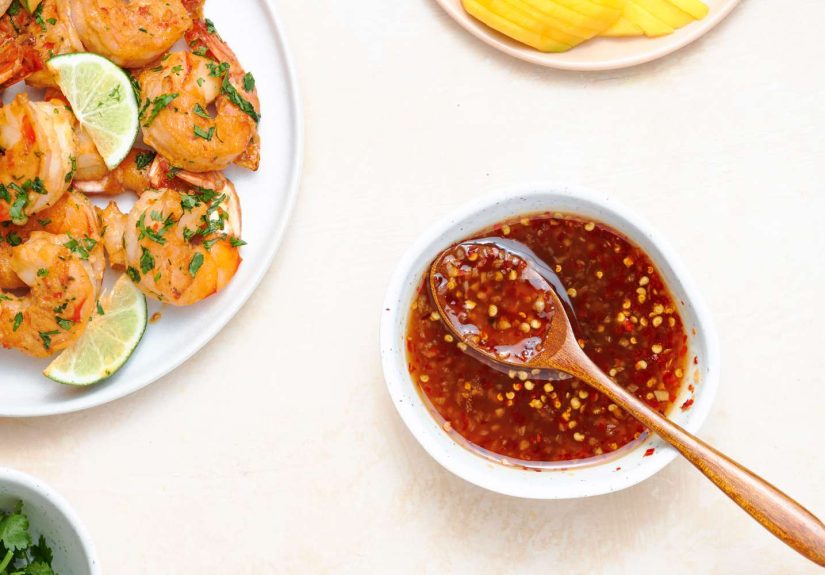
- 6) Chili Crisp (Crunchy Heat You’ll Put on Everything)
- 7) Garlic Chili Oil (Clean Heat, No Crunch Required)
- 8) Pantry Ranch Seasoning (The “Add to Anything” Mix)
- 9) Tomato Jam (A Condiment That Acts Like Dessert)
- 10) Chimichurri (Herby, Garlicky, Loud in a Good Way)
- 11) Pesto (Plus the Freezer-Cube Trick)
- 12) Small-Batch Raspberry Jam (No Canning Confidence Needed)
- Flavor Variations: Make One Recipe Taste Like Five
- Smart Storage: Keep Condiments Safe and High-Quality
- How to Build Your “Condiment Shelf” Without Overdoing It
- Pantry Condiment Experiences: The Real-Life Part (Extra )
- Conclusion
- SEO Tags
Your pantry is basically your kitchen’s “supporting actor” cabinetalways there, rarely thanked, and somehow responsible
for making Tuesday night chicken taste like you tried. The secret isn’t a magical new main dish. It’s condiments.
The right sauce, spread, pickle, or drizzle can turn leftovers into a glow-up, make a plain sandwich feel intentional,
and rescue bland food faster than you can say “where did my appetite go?”
This guide is all about condiment recipes for your pantry: a mix of shelf-friendly staples and
refrigerator keepers that behave like pantry MVPs (they last, they multitask, they don’t require a weekly therapy session).
You’ll get reliable base recipes, smart variations, and storage notesbecause homemade condiments should be fun,
not a science fair project that ends in mystery fuzz.
What “Pantry Condiments” Really Means (and Why It Matters)
Some condiments are truly shelf-stable (think: vinegar-forward pickles, properly acidified sauces, sugar-based jams).
Others need refrigeration but still count as pantry strategy because they’re long-lasting and used constantly
(mustards, vinaigrettes, chili crisp, pesto cubes).
The goal: build a small lineup of “flavor tools” that cover salty, tangy, sweet, spicy, and herbyso nearly any meal can
be upgraded with a spoonful, drizzle, or smear.
Pantry Rules That Keep Condiments Delicious (and Not Sketchy)
Use clean tools every time
Double-dipping is the fastest way to turn a jar into a biology lesson. Use a clean spoon, keep rims wiped, and close lids tight.
Label jars like your future self is a stranger
Write the name and date. “Red sauce” is not a helpful identity. “Spicy tomato jam, 12/12” is a love letter.
Chill perishable condiments promptly
Creamy or egg-based sauces, fresh-herb sauces, and anything with garlic-in-oil should live in the refrigerator,
and they should not linger at room temperature.
The Core Lineup: 12 Condiment Recipes Worth Keeping Around
1) All-Purpose Pantry Vinaigrette (The 3:1 Rule)
Best for: salads, grain bowls, roasted vegetables, marinade starter, sandwich drizzle.
Makes: about 1 cup
- 3/4 cup olive oil (or neutral oil)
- 1/4 cup vinegar (red wine, white wine, apple cider, or champagne vinegar)
- 1–2 tsp Dijon mustard (optional but helpful)
- 1 tsp honey or maple syrup (optional)
- 1 small grated garlic clove or 1 tsp minced shallot (optional)
- Salt and black pepper
How to make it: Whisk vinegar, mustard, sweetener, garlic/shallot, salt, and pepper. Slowly whisk in oil until emulsified.
Taste and adjust: more salt for flavor, more vinegar for brightness, more sweetener if it’s too sharp.
Storage: Refrigerate 1–2 weeks. If it separates, shake like you’re trying to wake it up for work.
2) Quick-Pickled Red Onions (Instant Tang, Zero Regrets)
Best for: tacos, burgers, salads, rice bowls, eggs, anything beige.
Makes: 1 pint jar
- 1 large red onion, thinly sliced
- 1/2 cup vinegar
- 1/2 cup water
- 1–2 Tbsp sugar
- 1 1/2 tsp kosher salt
- Optional: peppercorns, bay leaf, chili flakes, sliced jalapeño
How to make it: Pack onions into a heat-safe jar. Heat vinegar, water, sugar, and salt just until dissolved (a simmer is fine).
Pour over onions, press down to submerge, cool, then refrigerate.
Storage: Refrigerate up to 2 weeks.
3) Hot Honey (Sweet Heat That Makes Pizza Emotional)
Best for: pizza, fried chicken, biscuits, roasted carrots, charcuterie, cocktails.
Makes: about 1 cup
- 1 cup honey
- 1–2 Tbsp red pepper flakes (or to taste)
- Optional: 1 tsp apple cider vinegar for brightness
How to make it: Warm honey gently with pepper flakes for 5–10 minutes (do not boil).
Let steep 15–30 minutes. Strain (or don’tlive your crunchy little truth). Add vinegar if using.
Storage: Room temperature for weeks; keep sealed and dry.
4) Whole-Grain Mustard (Punchy, Tangy, Customizable)
Best for: sandwiches, vinaigrettes, marinades, cheese boards, roasted potatoes.
Makes: about 1 cup
- 1/4 cup yellow mustard seeds
- 1/4 cup brown mustard seeds
- 1/2–3/4 cup apple cider vinegar (or mix of vinegar + beer)
- 1/4 cup water
- 3/4 tsp kosher salt
- 1–2 tsp honey or brown sugar (optional)
How to make it: Combine seeds, vinegar, and water in a jar. Cover and soak 24–48 hours.
Blend briefly for a coarse texture (or blend longer for smoother). Stir in salt and sweetener.
Rest another day for the bite to mellow.
Storage: Refrigerate 1–2 months.
5) BBQ Sauce (Pantry-Sweet, Backyard-Tangy)
Best for: ribs, pulled pork, chicken, tofu, roasted cauliflower, dipping fries.
Makes: about 2 1/2 cups
- 2 cups ketchup
- 1/2 cup vinegar
- 1/3 cup brown sugar
- 1/3 cup molasses
- 1 tsp smoked paprika
- 1/2 tsp chili powder (optional)
- 1–2 tsp Worcestershire (optional)
- Salt to taste
How to make it: Simmer everything together 10–15 minutes until glossy and slightly thick.
Taste and adjust: vinegar for tang, sugar/molasses for sweetness, paprika for smoke, salt for balance.
Storage: Refrigerate 2–3 weeks.
6) Chili Crisp (Crunchy Heat You’ll Put on Everything)
Best for: eggs, noodles, dumplings, roasted vegetables, avocado toast, even vanilla ice cream (no judgment).
Makes: 1–2 cups
- 1 cup neutral oil
- 1/2 cup dried chili flakes (mix mild + hot if you like control)
- 4–6 cloves garlic, finely chopped
- 2 Tbsp minced shallot or onion
- 1–2 tsp Sichuan peppercorns (optional)
- 2 Tbsp roasted peanuts or soy nuts (optional for crunch)
- 1–2 tsp sugar
- Salt to taste
How to make it: Gently fry garlic and shallot in oil over low heat until golden (not dark brown).
Pour hot oil over chili flakes (and peppercorns if using) in a heatproof bowl. Stir in sugar, salt, and nuts.
Cool completely before jarring.
Storage: Refrigerate for best quality; use within 3–4 weeks for peak flavor.
7) Garlic Chili Oil (Clean Heat, No Crunch Required)
Best for: dumplings, ramen, sautéed greens, marinades, and “my food tastes sad” emergencies.
Makes: about 1 cup
- 1 cup neutral oil
- 4 cloves garlic, sliced or minced
- 1–2 Tbsp red pepper flakes
- Pinch of salt
How to make it: Warm oil, garlic, and pepper flakes over low heat about 5 minutes until garlic is lightly golden.
Cool, strain (optional), and jar.
Storage: Refrigerate and use within about 10 days for best safety and flavor.
8) Pantry Ranch Seasoning (The “Add to Anything” Mix)
Best for: roasted potatoes, popcorn, chicken, dips, dressing base.
Makes: about 1/2 cup
- 2 Tbsp dried parsley
- 2 tsp dried dill
- 2 tsp garlic powder
- 2 tsp onion powder
- 1–2 tsp dried chives (optional)
- 1–2 tsp fine salt (to taste)
- 1 tsp black pepper
How to make it: Mix everything. Store airtight.
To make dressing: whisk 2 Tbsp mix + 1/2 cup mayo + 1/2 cup buttermilk (or yogurt + milk) + a squeeze of lemon.
Storage: Pantry, 3–6 months (best flavor earlier).
9) Tomato Jam (A Condiment That Acts Like Dessert)
Best for: burgers, grilled cheese, roast chicken, cheese boards, breakfast sandwiches.
Makes: about 1 1/2 cups
- 1 1/2 lbs tomatoes, chopped (or 1 large can crushed tomatoes)
- 1/2 cup sugar (or less if you like it savory)
- 2 Tbsp apple cider vinegar
- 1 small onion, finely chopped
- 1–2 cloves garlic, minced
- Pinch of chili flakes
- Salt
How to make it: Simmer everything 35–60 minutes, stirring often, until thick and jammy.
Taste and adjust salt and vinegar at the end.
Storage: Refrigerate 2–3 weeks.
10) Chimichurri (Herby, Garlicky, Loud in a Good Way)
Best for: steak, chicken, shrimp, roasted mushrooms, sandwiches, grain bowls.
Makes: about 1 cup
- 1 cup chopped parsley
- 2–3 Tbsp chopped oregano (fresh) or 1 Tbsp dried
- 3 cloves garlic, minced
- 1/3 cup olive oil
- 3 Tbsp red wine vinegar
- 1/2 tsp chili flakes
- Salt and pepper
How to make it: Stir together and let sit at least 30 minutes so flavors mingle like they’re at a party.
Add more oil for richness or vinegar for bite.
Storage: Refrigerate 4–7 days (fresh herbs fade over time).
11) Pesto (Plus the Freezer-Cube Trick)
Best for: pasta, sandwiches, eggs, soup swirls, roasted vegetables, marinades.
Makes: about 1 cup
- 3 cups fresh basil
- 1/3 cup pine nuts (or walnuts)
- 1/2 cup grated Parmesan (optional)
- 1–2 cloves garlic
- 1/2 cup olive oil
- Salt and pepper
- Optional: squeeze of lemon
How to make it: Blend basil, nuts, garlic, cheese, and lemon if using. Stream in oil.
Season to taste. For brightest green, add oil gradually and avoid overprocessing.
Storage: Refrigerate 5–7 days with a thin layer of oil on top, or freeze in ice cube trays.
Pop cubes into a bag for “instant sauce” portions.
12) Small-Batch Raspberry Jam (No Canning Confidence Needed)
Best for: toast, yogurt, oatmeal, peanut butter sandwiches, baking fillings.
Makes: about 1 1/2 cups
- 12 oz raspberries (fresh or frozen)
- 3/4 cup sugar (adjust to taste)
- 2 Tbsp lemon juice
- Pinch of salt
How to make it: Simmer fruit, sugar, lemon, and salt until thickened, stirring frequently.
Use a thermometer if you like precision; cook until it reaches jammy consistency.
Cool, jar, refrigerate.
Storage: Refrigerate up to about 10 days, or freeze for a few months.
Flavor Variations: Make One Recipe Taste Like Five
Vinaigrette swaps
- Greek-ish: oregano + lemon + red wine vinegar
- Maple-Dijon: Dijon + maple + apple cider vinegar
- Spicy: a spoon of chili crisp + rice vinegar
Mustard personality upgrades
- Beer mustard: replace half the water with beer
- Honey mustard: add 1–2 Tbsp honey
- Smoky mustard: smoked paprika + a little maple
Pickle brine add-ons
- Taco mode: cumin seeds + chili flakes
- Sandwich mode: dill + mustard seed + peppercorn
- Fancy mode: bay leaf + coriander + orange peel
Smart Storage: Keep Condiments Safe and High-Quality
Homemade condiments last longer when your refrigerator stays cold (think 40°F or below), and when jars stay clean.
If a condiment smells “off,” grows mold, or starts to fizz when it shouldn’ttoss it. A $6 jar is not worth a lost weekend.
Quick guide:
- Room temperature pantry: hot honey, dry ranch mix (airtight)
- Refrigerator staples: vinaigrettes, pickled onions, mustard, BBQ sauce, pesto, chimichurri, chili crisp
- Extra caution: garlic-in-oil condiments should be refrigerated and used quickly
How to Build Your “Condiment Shelf” Without Overdoing It
Start with five that cover every mood:
vinaigrette (bright), mustard (sharp), quick pickles (tangy),
chili crisp (spicy/crunchy), and jam or tomato jam (sweet-savory).
Add BBQ sauce and pesto when you want extra range.
The win isn’t having 37 jars. The win is having the right 7the ones you actually use.
Pantry Condiment Experiences: The Real-Life Part (Extra )
If you’ve ever opened your fridge and felt personally judged by a row of half-used bottles, you’re not alone.
The “condiment experience” is a universal kitchen storyline: you buy one specialty sauce for one recipe, use two teaspoons,
then watch it age like a forgotten houseplant. That’s exactly why homemade, small-batch condiments are so satisfying
they’re designed around how you actually eat.
One of the most practical shifts many home cooks make is scheduling a tiny “pantry reset” momentoften on a Sunday
where you prep just one or two condiments for the week. Not a big cooking marathon. More like a 20-minute flavor deposit.
Quick-pickled onions are the classic starter because they feel like cheating: you slice an onion, pour over a warm brine,
and suddenly your sandwiches and bowls taste like they came from a place with exposed brick and good lighting.
Another common experience: realizing that a single base vinaigrette solves multiple dinner problems at once.
When vegetables are roasted, grains are cooked, and protein is basic, a vinaigrette makes everything feel connected.
People often discover they prefer a slightly less acidic dressing than store-bought, which is easy to adjust at home:
add a touch more oil, a spoon of Dijon for body, or a little honey for balance. It’s also one of those rare kitchen wins
where “shake it in a jar” counts as cooking and nobody can argue otherwise.
Then there’s the moment you make chili crisp and realize you’ve created a “put it on everything” situation.
The first time you spoon it onto eggs, it’s thrilling. The second time you drizzle it on noodles, you start texting friends.
The third time you add it to roasted broccoli, you begin to suspect you’ve been living without a key piece of information.
Crunch + heat + savory depth is a powerful combolike seasoning, sauce, and snack all in one jar.
Mustard is the quieter, steadier experience. It doesn’t scream for attention, but once you have a jar of whole-grain mustard
that you soaked and blended yourself, you start reaching for it constantly: in dressings, rubbed on chicken before roasting,
stirred into mayo for a sandwich spread, or whisked into a quick pan sauce. Homemade mustard also teaches patience in a low-stakes way:
it tastes harsh at first, then mellows after a restlike a dramatic character arc, but edible.
And finally, jam (or tomato jam) becomes a surprisingly emotional pantry friend. A spoonful can rescue a cheese plate,
elevate a basic breakfast, or turn a plain burger into something you’d pay money for. Many cooks love small-batch jams
because they skip the pressure of canning and still deliver that “I made this” satisfaction. It’s the kind of kitchen confidence
that sneaks up on youone jar at a time.
Conclusion
Stocking your kitchen with homemade condiments isn’t about being fancyit’s about being prepared.
When you have a few reliable pantry condiment recipes ready to go, cooking becomes faster, tastier, and way less stressful.
Pick one recipe this week, label the jar, and let your future meals benefit from your past self’s excellent decisions.