Table of Contents >> Show >> Hide
- What Are Contactless Payments?
- How Do Contactless Payments Work?
- Are Contactless Payments Safe?
- Real Safety Risks People Should Actually Worry About
- Contactless Credit Card vs. Contactless Debit Card vs. Digital Wallet
- Common Myths About Contactless Payments
- How to Use Contactless Payments Safely
- So, Should You Use Contactless Payments?
- Everyday Experiences With Contactless Payments
- Conclusion
- SEO Tags
Once upon a checkout line, we all stood there digging through wallets, hunting for the right card, and pretending not to panic when the chip reader decided to take a coffee break. Then contactless payments showed up and said, “What if you could just tap and leave?” It felt futuristic at first. Now it feels normal.
Contactless payments have become one of the easiest ways to pay in stores, on transit systems, at coffee shops, and even at vending machines that somehow look smarter than some laptops. But convenience always invites one big question: is contactless payment actually safe, or are we all just politely tapping our way into trouble?
The good news is that contactless payments are generally very secure. In many everyday situations, they can be safer than swiping a card the old-fashioned way. The better news is that “safe” does not mean “invincible,” and knowing where the real risks live can help you use tap-to-pay with a lot more confidence and a lot less guesswork.
What Are Contactless Payments?
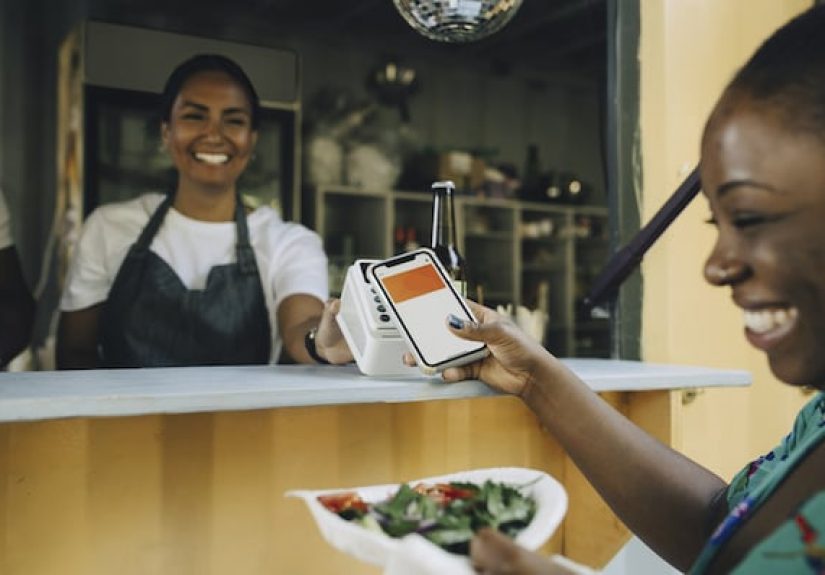
Contactless payments are transactions made without physically inserting or swiping your card. Instead, you tap a contactless-enabled credit card, debit card, smartphone, smartwatch, or other compatible device near a payment terminal. The terminal reads the payment information wirelessly and processes the purchase in seconds.
If you have ever seen a small wave-like symbol on a card or checkout terminal, that is the sign that contactless payment is supported. In plain English, it means: “Tap here and be on your way.”
Most contactless payments rely on short-range wireless technology, usually near-field communication, or NFC. The range is intentionally tiny. Your card or phone generally needs to be very close to the terminal for the payment to work. This is not a “pay from across the room while holding a burrito” kind of system.
Common Types of Contactless Payments
There are a few main ways people use contactless payment technology:
- Contactless credit cards: Tap the card instead of inserting it.
- Contactless debit cards: Same idea, but the payment comes from your checking account.
- Mobile wallets: Services like Apple Pay or Google Wallet let you tap your phone or watch to pay.
- Wearables: Some smartwatches and other devices can store payment credentials and work just like a phone wallet.
That means contactless payments are not one single thing. They are a category of payment methods built around quick, wireless transactions.
How Do Contactless Payments Work?
When you tap a card or device near a reader, the terminal and payment method communicate over a secure short-range connection. The terminal receives the information needed to authorize the payment, then sends it through the card network and bank system just like a regular card transaction.
That sounds simple on the surface, but several security features are doing the heavy lifting in the background.
Dynamic Transaction Data
Modern contactless card payments use chip-based technology that creates unique transaction data for each purchase. In everyday language, your payment is not being sent as one static, reusable secret. Instead, each tap generates data that is designed for that specific transaction. If someone somehow intercepted it, it would be much harder to reuse than old magnetic stripe data.
Encryption
The payment information is transmitted in encrypted form, which helps protect it while it moves between the payment device and the terminal. That does not mean criminals have vanished from Earth, sadly, but it does mean the technology is built to make payment data harder to steal and exploit.
Tokenization in Mobile Wallets
Mobile wallets often go a step further by using tokenization. Instead of sending your real card number to the merchant, the wallet uses a substitute value called a token. Think of it as a stand-in actor for your real account number. The merchant gets what it needs to complete the transaction, but not your actual card details.
This is one reason many experts consider digital wallets especially secure for in-store purchases. Your real card number is often better hidden than it would be with some physical card transactions.
Device Authentication
When you pay with a phone or smartwatch, there is usually another layer of security: authentication. You may need Face ID, Touch ID, a fingerprint, a passcode, or another screen-lock method before the payment goes through. That extra checkpoint makes a lost phone less useful to a thief than people often assume.
Are Contactless Payments Safe?
Yes, in general, contactless payments are safe. In many situations, they are safer than swiping a magnetic stripe card and at least as secure as inserting a chip card. The technology was designed with fraud prevention in mind, not just speed and convenience.
That said, the better answer is not just “yes.” The better answer is “yes, but the type of contactless payment matters.” A contactless credit card, a contactless debit card, and a digital wallet all offer convenience, but their real-world risk profiles are not exactly the same.
Why Contactless Payments Can Be Safer
- They reduce card handling: You keep your card or phone in your hand, which lowers the chance of someone copying details out of sight.
- They use dynamic security features: One-time transaction data helps prevent replay fraud.
- Mobile wallets hide card numbers: Tokenization helps keep real account details away from merchants.
- Phones add biometric or passcode security: An unlocked wallet is not always available to just anyone.
- They are fast: Faster checkout means less fumbling, fewer delays, and fewer opportunities for awkward human chaos.
Where the Risks Still Exist
No payment method is perfect. Contactless technology lowers certain risks, but it does not eliminate fraud completely.
The biggest risks often come from the same places that affect almost every modern payment system: lost devices, account takeover, scams, merchant data problems, and human error. In other words, the weakest link is often not the tap itself. It is what happens before or after it.
Real Safety Risks People Should Actually Worry About
1. Lost or Stolen Cards
If someone steals your physical contactless card, they may try to use it for purchases before you lock or report it. Some merchants or issuers require additional verification for certain purchases, but small tap transactions can sometimes go through quickly.
This is why reporting a lost card immediately still matters. Contactless does not magically stop someone from using a stolen physical card. It just changes how the payment is made.
2. Lost or Stolen Phones
People often panic more about losing a phone than losing a wallet, and honestly, that is understandable. But a phone-based wallet can actually be better protected if you use strong screen locks and biometric authentication. A thief may physically have your phone and still be blocked from using your wallet.
Even better, many mobile wallet systems let you remotely lock, locate, or erase the device.
3. Debit Card Exposure
This is the part many consumers miss. A contactless debit card may be technologically secure, but it still pulls money directly from your bank account. If fraud happens, the money can disappear from your account first and be sorted out later. That can be stressful if bills are due and your bank is still investigating.
Federal protections for unauthorized electronic fund transfers do exist, but timing matters. If you report unauthorized debit activity quickly, your liability may be limited. If you wait too long, your potential losses can rise. That makes debit cards less forgiving than credit cards when fraud occurs.
4. Scams and Social Engineering
Here is the sneaky truth: many payment losses today do not come from someone “hacking the tap.” They come from tricking the person. A scammer may call, text, or email pretending to be your bank, a merchant, or tech support. They may push you to approve transactions, unlock your device, or move money through an app.
That is not a failure of contactless technology. That is old-fashioned manipulation wearing a digital costume.
5. Compromised Merchants or Accounts
If your online account, retail profile, or bank login is compromised, fraud can happen whether you use contactless payments or not. Good payment security is not just about the terminal at checkout. It is also about strong passwords, account alerts, secure apps, and careful monitoring.
Contactless Credit Card vs. Contactless Debit Card vs. Digital Wallet
Contactless Credit Cards
For many people, this is the safest and most consumer-friendly option for everyday in-store purchases. Credit cards generally offer stronger fraud protections than debit cards, and unauthorized charges do not pull cash directly from your bank balance. Many issuers and card networks also offer zero-liability policies for unauthorized use.
If you want convenience without exposing your checking account to immediate disruption, contactless credit cards are hard to beat.
Contactless Debit Cards
These are convenient and widely used, but they require more vigilance. Since the funds come from your bank account, unauthorized debit activity can create more immediate headaches. They are still secure from a technology standpoint, but the consequences of fraud can feel more personal because your money is tied up right away.
Digital Wallets
Digital wallets often combine several security advantages at once: tokenization, encrypted transmission, and device authentication. In many cases, they do not expose your actual card number to the merchant. If you already use a strong passcode and biometric login, a wallet on your phone may be one of the safest ways to pay in person.
The catch? You still need to protect the device itself and stay alert for phishing and account-related scams.
Common Myths About Contactless Payments
Myth 1: Someone Can Easily Walk By and Steal Your Card Data
This fear gets a lot of attention because it sounds dramatic. In reality, contactless payments work at very short range and use security measures that limit the value of any intercepted data. The risk is not zero, but random “walk-by theft” is not the everyday nightmare it is sometimes made out to be.
Myth 2: Contactless Is Less Safe Than Chip Cards
Not really. Contactless transactions are built on the same modern chip-payment security ideas, including dynamic transaction data. In many cases, tap-to-pay is considered just as secure as dipping a chip card, and certainly safer than swiping an old magnetic stripe.
Myth 3: Mobile Wallets Are Riskier Because They Live on Your Phone
Actually, mobile wallets can be more secure than a physical card because they often require device authentication and use tokenized credentials. The phone is only a weak point if you leave it unprotected, install shady apps, or ignore basic security habits.
How to Use Contactless Payments Safely
If you want the benefits of contactless payments without turning your financial life into a mystery novel, follow these habits:
- Use a contactless credit card for most daily purchases when possible.
- Turn on transaction alerts for your cards and bank accounts.
- Protect your phone with a strong passcode and biometric lock.
- Use digital wallets for added tokenization and authentication benefits.
- Report suspicious activity immediately, especially on debit accounts.
- Avoid clicking suspicious banking texts, emails, or “urgent” fraud links.
- Review statements regularly, even if you are sure “everything is probably fine.”
- Lock or freeze a lost card or device as soon as possible.
So, Should You Use Contactless Payments?
For most people, yes. Contactless payments are fast, easy, and generally very secure. They reduce dependence on outdated magnetic stripe payments, work smoothly in busy stores, and pair especially well with secure digital wallets.
If you want the best mix of speed and protection, contactless credit cards and mobile wallets are usually the strongest choices. Contactless debit cards are still useful, but they deserve quicker monitoring because any fraud can hit your bank balance directly.
The bottom line is simple: the tap itself is not the scary part. Bad security habits, slow fraud reporting, and scammy human behavior are the scarier parts. Technology has improved a lot. People still need work.
Everyday Experiences With Contactless Payments
One reason contactless payments have become so popular is that they fit naturally into everyday life. The experience is usually simple: tap, wait half a second, and move on. At a coffee shop during the morning rush, that speed matters more than you might think. When ten people are lined up behind you and everyone looks like they are late to something important, being able to tap a phone or card instead of inserting a chip and waiting for approval feels almost heroic.
Many people first realize the value of contactless payments while traveling. You might be juggling luggage, a drink, a boarding pass, and your remaining sanity, and suddenly a fast tap at an airport kiosk feels like the best invention since rolling suitcases. The same is true on public transit, parking meters, convenience stores, and quick-service restaurants. Contactless payment is not exciting in a dramatic way. It is exciting in the “my life just got slightly less annoying” way.
There is also a strong psychological side to the experience. People tend to feel more in control when the card never leaves their hand. At a restaurant counter or retail checkout, tapping a card yourself can feel safer than handing it over, especially for consumers who worry about card skimmers or casual mishandling. With a phone wallet, that sense of control gets even stronger because many users know their real card number is not being shared in the same way.
Of course, real-life experiences are not always perfect. Sometimes the terminal does not respond on the first try. Sometimes the cashier says, “You can tap now,” in the exact tone of someone narrating a difficult science experiment. Sometimes a card works, but a smartwatch does not. Occasionally the terminal looks contactless-ready but clearly woke up on the wrong side of the software update. None of that usually means the method is unsafe. It just means payments are still being made on Earth.
Another common experience is that people become more comfortable with digital wallets over time. At first, storing a card on a phone can feel risky. Later, many users decide it actually feels safer because the phone is locked, the wallet needs authentication, and transaction alerts arrive almost instantly. In practice, confidence usually grows after people see how easy it is to pay, monitor activity, and disable access if the phone is lost.
For families, contactless payments can also make small daily routines smoother. Paying for groceries, school pickups, gas, lunch, or pharmacy items becomes one less thing to think about. That may sound minor, but people tend to stick with payment methods that remove friction. And in the modern world, friction is everywhere. If technology can remove even a little of it without adding major risk, consumers tend to welcome it.
The overall experience most users report is this: contactless payments make ordinary transactions faster and less awkward, while still feeling secure enough for daily use. That combination of convenience and confidence is exactly why tap-to-pay has moved from “nice extra feature” to “wait, why doesn’t this place have it yet?”
Conclusion
Contactless payments are no longer a novelty. They are now one of the most practical ways to pay in stores, and for most people they are a safe choice. The best protection comes from combining secure technology with smart habits: use credit when appropriate, monitor debit carefully, lock your devices, and act fast if something looks wrong.
If you do that, contactless payments can deliver exactly what modern consumers want: speed, convenience, and a little less checkout drama.