Table of Contents >> Show >> Hide
- Why a Cooler Makes a Surprisingly Great DIY Base
- Pick the Right Cooler (and Know When to Quit)
- Clean It Like You Mean It (So Your Project Doesn’t Smell Like Regret)
- 12 Cooler Repurpose Ideas That Actually Work
- 1) Raised Vegetable Planter (the Cooler Garden Bed)
- 2) “Salad Bar” Herb Station for the Patio
- 3) Mobile Drink Station (Cooler Cart Upgrade)
- 4) Outdoor Handwashing Station (Spigot = Instant MVP)
- 5) Worm Bin (Vermicomposting in an Insulated Box)
- 6) Emergency “Cold Kit” for Meds (or Baby Supplies)
- 7) Trunk Organizer / Beach Gear Vault
- 8) Dry Storage Bin That Laughs at Ants
- 9) Fishing or Garden Cleanup Station
- 10) Dog Water Station for Road Trips
- 11) Jobsite Seat + Tool Box Combo
- 12) Kids’ Outdoor Toy Box (or Sensory Bin)
- Bonus idea: A Bread-Proofing or Yogurt Incubation Box
- DIY How-To: Turn a Cooler Into a Raised Planter
- DIY Overview: Build a Cooler Cart (Rolling Patio Drink Station)
- Common Mistakes (So Your “Upcycle” Doesn’t Become a “Why Did I Do This?”)
- Conclusion
- Experiences Related to “Cooler Repurposed” (Real-World Style Scenarios)
Old cooler in the garage? Congratulationsyou’re sitting on an insulated, waterproof, portable box that’s weirdly talented at a lot more than keeping soda cold. A hard-sided cooler is basically a tiny piece of outdoor furniture: it’s tough, it has handles, it usually has a lid that seals, and some even have a built-in spigot (aka “the best accidental invention since pockets”).
In this guide, we’ll walk through practical, actually-doable ways to repurpose an old coolerfrom planters and worm bins to patio drink stations and emergency “cold kits.” I’ll keep it honest, specific, and a little goofy… because the only thing worse than a smelly cooler is a boring article about it.
Why a Cooler Makes a Surprisingly Great DIY Base
Repurposing works best when the original object already has “superpowers.” Coolers bring a few:
- Insulation: Helps buffer temperature swingsgreat for plants, compost worms, bread proofing, or medication storage during short outages.
- Water resistance: Coolers are made to deal with meltwater and sloshing. That’s a huge head start for outdoor projects.
- Portability: Handles + lid + sturdy shape = easy to move, store, and clean.
- A tight seal: Helpful for keeping pests out (or smells in… until you clean it).
- Spigot potential: If your cooler has a drain spout, you already own a gravity-fed water tool waiting to happen.
Pick the Right Cooler (and Know When to Quit)
Not every cooler deserves a second act. Here’s how to judge quickly:
Best candidates
- Hard plastic coolers (the classic ice chest): great for planters, storage, carts, and wash stations.
- Coolers with a spigot: excellent for handwashing stations or worm bins with leachate control (more on that later).
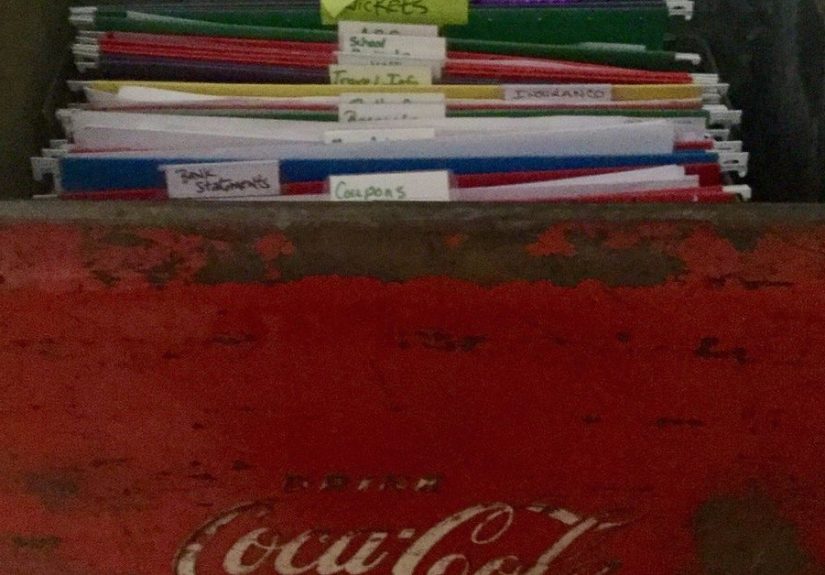
- Vintage metal coolers: adorable patio decor, but watch for rust and sharp edges.
Proceed with caution
- Foam/styrofoam coolers: lightweight and easy to cut, but they degrade in sun and shed beads. They can work for short-term planters, worm bins, or kids’ projects if protected.
- Soft-sided coolers: better as organizers or gear bags than “build projects.”
When to retire it instead
- Cracks that leak or flex badly when lifted
- Severe mold odor that returns immediately after cleaning
- Sticky liners that won’t fully rinse clean
- A lid that won’t close (a sealed box that doesn’t seal is just… a box)
Clean It Like You Mean It (So Your Project Doesn’t Smell Like Regret)
Before you repurpose a cooler, treat it like a reusable food containerbecause it was one. A solid clean makes everything else easier (and less horrifying).
Step 1: Wash
Use warm water + dish soap. Scrub seams, hinges, the drain channel, and the gasket. If you can remove the gasket, do it (carefully) and clean underneath. Rinse well.
Step 2: Deodorize (if needed)
If the cooler smells like “last summer’s fish trip,” try one of these:
- Baking soda scrub for stains and funk (let it sit briefly before rinsing).
- Vinegar + water wipe-down for lingering odors.
- Activated charcoal (in a breathable bag) left inside overnight for stubborn smells.
Step 3: Sanitize
If your repurpose idea involves food, hands, or anything “hygiene-adjacent,” sanitize after cleaning. Follow product labels and safety directions, use good ventilation, and rinse thoroughly afterward.
Important: Once you drill holes, paint interiors, add soil, or glue anything inside a cooler, don’t use it for storing food again. Make it a one-way transformation. Your future self will thank you.
12 Cooler Repurpose Ideas That Actually Work
Pick one that matches your cooler’s strengths (insulation, water resistance, portability), and your tolerance for power tools.
1) Raised Vegetable Planter (the Cooler Garden Bed)
Turn a cooler into a waist-high planter for greens, herbs, or strawberries. The insulation can help moderate root temperatureespecially in early spring or during heat spikes. Add drainage holes, fill with potting mix, and plant.
Best for: hard-sided coolers you no longer trust for food.
2) “Salad Bar” Herb Station for the Patio
Plant basil, chives, parsley, cilantro, and lettuce in one cooler and keep it near your grill or kitchen door. Suddenly you’re the kind of person who “finishes dishes with fresh herbs,” which sounds fancy and tastes even better.
3) Mobile Drink Station (Cooler Cart Upgrade)
If your cooler still holds ice, build a simple wooden frame with casters so it becomes a rolling patio cooler. Add a side shelf for cups and a bottle opener because you deserve good design.
Best for: sturdy coolers with intact lids.
4) Outdoor Handwashing Station (Spigot = Instant MVP)
With a cooler spigot, you can create a gravity-fed handwashing station for camping, backyard projects, or garden harvesting. Fill with clean water, set it on a stable surface, and catch wastewater in a bucket below.
5) Worm Bin (Vermicomposting in an Insulated Box)
A cooler can make a surprisingly cozy worm home because insulation helps protect worms from temperature swings. Add ventilation holes near the top, keep bedding damp (not dripping), and feed small amounts regularly. If your cooler has a spigot, you can manage excess moisture more easily.
6) Emergency “Cold Kit” for Meds (or Baby Supplies)
Some emergency kits benefit from cold storage. Keeping a cooler readypaired with cold packscan help protect temperature-sensitive items during evacuations or outages. Even if you don’t modify the cooler, reassigning it as a dedicated emergency item is a smart repurpose.
7) Trunk Organizer / Beach Gear Vault
Use a clean, dry cooler as a lidded organizer for your car: towels, sunscreen, first-aid kit, emergency snacks, and spare shoes. The lid keeps things from rolling around, and the insulation helps reduce heat swings a bit.
8) Dry Storage Bin That Laughs at Ants
A cooler’s seal makes it a good container for pet food, birdseed, camping dry goods, or charcoalespecially if pests are a problem. Add a label unless you enjoy surprise “is this dog kibble or briquettes?” moments.
9) Fishing or Garden Cleanup Station
Coolers are easy to hose out, which makes them handy for messy outdoor tasks: rinsing produce, holding trimmings, or temporarily storing fish on ice. If you do anything fish-related, keep it dedicated to that life forever.
10) Dog Water Station for Road Trips
Repurpose a small cooler as a travel hydration setup: keep bottled water cool and store a collapsible bowl inside. Bonus points if you pack a towel and a spare leashfuture-you will feel heroic at the rest stop.
11) Jobsite Seat + Tool Box Combo
A tough cooler can be a portable seat while you garden, paint, or tackle DIY projectswhile also storing gloves, pruners, tape measures, and fasteners. Add a pad to the lid if you want “luxury kneeling.”
12) Kids’ Outdoor Toy Box (or Sensory Bin)
Coolers are great for containing chaos: water toys, sand tools, sidewalk chalk, bubblesbasically the entire “summer clutter ecosystem.” For sensory play, use the cooler as a contained bin (but keep lids supervised for safety).
Bonus idea: A Bread-Proofing or Yogurt Incubation Box
Insulation helps hold gentle warmth. People often use a cooler as a “temperature buffer” for dough proofing or yogurt incubation by adding warm water bottles and checking temperature with a thermometer. No drilling requiredjust cleanliness and patience.
DIY How-To: Turn a Cooler Into a Raised Planter
This is the classic cooler repurpose because it’s practical, cheap, and the results look surprisingly intentional.
What you’ll need
- Drill + drill bits
- Marker
- Landscape fabric (or weed barrier)
- Potting mix (not heavy garden soil)
- Optional: bricks/wood blocks for elevation, or a simple stand
Steps
- Clean and dry the cooler. Don’t skip this unless you want “mystery compost.”
- Mark drainage points. Aim for evenly spaced holes across the bottom. More shallow-rooted plants = more forgiving; veggies hate swampy roots.
- Drill drainage holes. Start with a smaller pilot hole, then widen. If your cooler has double walls, go slowly and keep the drill straight.
- Add ventilation insurance. If you’re worried about soil clogging holes, drill a few extra smaller holes or add a thin gravel layer (lightlydon’t overdo it).
- Line with landscape fabric. This keeps potting mix from leaking while still letting water out.
- Fill with potting mix. Choose a mix designed for containers. It drains better and won’t compact like yard soil.
- Plant and water. Herbs, lettuce, spinach, kale, and strawberries are great starters. Water until you see drainagethen you know the holes work.
- Place smart. Most edible plants want sun, but coolers are still plasticavoid heat-reflecting spots that turn roots into stew.
Pro tip: If the cooler is lightweight, wind can tip it once plants get tall. Put it on a stable base or build a simple stand.
DIY Overview: Build a Cooler Cart (Rolling Patio Drink Station)
If your cooler still performs as a cooler, turning it into a cart is a glow-up that pays off all summer. Many DIY builds follow the same basic logic:
- Build a frame that the cooler drops into snugly (with a little wiggle room to remove it).
- Add legs + casters so it rolls and stands at a comfortable serving height.
- Include a shelf for cups, mixers, towels, and a small trash container.
- Plan drainage (either pull the cooler out to drain, or align the cart to keep the spigot accessible).
This project is less about fancy joinery and more about measuring twice so your cooler fits. If you can make a rectangle and operate a screwdriver, you’re in business.
Common Mistakes (So Your “Upcycle” Doesn’t Become a “Why Did I Do This?”)
- No drainage for planters: Roots need oxygen. A cooler without holes becomes a tiny swimming pool.
- Overfilling heavy materials: Wet soil is heavy. Don’t overload weak handles or thin cooler bottoms.
- Leaving foam coolers in direct sun: UV and heat break them down fast. Shade or seal/paint (exterior) helps.
- Trying to “dual-purpose” a modified cooler: Once it’s a planter, it’s a planter. Don’t go back to food storage.
- Ignoring odor prevention: Dry the cooler fully after cleaning. Moisture + closed lid = science experiment.
Conclusion
A cooler repurposed well isn’t just a cute craftit’s genuinely useful. Whether you’re building a raised herb garden, rolling a drink cart onto your patio, setting up a handwashing station, or giving compost worms a cozy insulated home, the goal is the same: keep good materials out of the trash and get something practical in return.
If you’re not sure where to start, choose the simplest win: clean the cooler thoroughly, drill drainage holes, and plant something you’ll actually eat. Your old ice chest might not be ready for another beach tripbut it can absolutely grow the basil that makes your pasta taste like a vacation.
Experiences Related to “Cooler Repurposed” (Real-World Style Scenarios)
Below are common, realistic “what happened next” experiences people run into when they repurpose a cooler. Think of these as practical mini-stories you can learn fromwithout having to live through the messiest parts yourself.
Experience 1: The Cooler Planter That Saved the Lettuce
A backyard gardener converted a beat-up hard cooler into a raised lettuce and herb planter because bending down was getting old fast. The first week went greatuntil they noticed the soil stayed wet for days. The fix was simple: they added more drainage holes and switched from dense garden soil to potting mix. After that, the planter drained correctly, the lettuce stopped looking sad, and harvesting became a daily “grab a handful and feel superior” routine. The biggest lesson: drainage and the right soil mix matter more than the container.
Experience 2: The Worm Bin That Almost Became a Worm Escape Room
Someone used a cooler as a worm bin because they’d heard insulation helps stabilize temperature. It workedalmost too well. With the lid sealed tight, airflow was poor, moisture built up, and the worms started exploring the lid like they were plotting a jailbreak. The solution was drilling a series of small ventilation holes near the top and covering them with mesh. Once airflow improved, the bin smelled earthy instead of funky, the worms stayed where they belonged, and composting scraps became surprisingly addictive. Lesson learned: worms like moisture, but they also like oxygen.
Experience 3: The Cooler Cart That Turned Into Party Headquarters
A DIYer built a rolling cooler cart so they could stop running inside every ten minutes during cookouts. The cart was a hituntil the first time they tried to drain melted ice and realized the spigot was blocked by the cart frame. They solved it by adjusting the frame design so the spigot faced outward, then added a small bucket hook beneath it. After that, draining was easy, cleanup was faster, and the cart became the unofficial “social center” of gatherings (because humans migrate toward cold drinks like it’s a law of physics). Lesson: design around drainage before you build, not after.
Experience 4: The Trunk Organizer That Reduced Daily Chaos
Not every repurpose needs power tools. One person reassigned a small cooler as a trunk organizer for beach gear: sunscreen, hats, towels, snacks, and a basic first-aid kit. The lid kept everything contained, and the rigid sides prevented crushed chips and smashed sunglasses. The surprise benefit was temperature bufferingwater bottles didn’t get quite as scorching in the car. The only mistake was forgetting to restock after use, which is how you end up at the beach with four towels and zero sunscreen. Lesson: a cooler can be a “grab-and-go” systemif you maintain it.
Experience 5: The Smelly Cooler Redemption Arc
Some coolers don’t get repurposed because they’re… haunted by odor. In one common scenario, someone opened a stored cooler and got hit with a smell that felt personal. They washed it with soap and waterstill smelled. They used baking sodabetter, but not gone. They finally dried it completely and left activated charcoal inside overnight, repeating the process once more. That combination (clean, deodorize, fully dry) usually turns “never again” into “okay, we can work with this.” Lesson: odor control is a process, not a single magic wipe.