Table of Contents >> Show >> Hide
- What Is Corned Beef and Cabbage?
- The Real Story Behind Its Popularity
- Why Corned Beef and Cabbage Still Works
- How to Make Corned Beef and Cabbage Taste Better Than the Boring Version
- Classic Ingredients for a Great Batch
- Best Ways to Cook It
- Common Mistakes to Avoid
- What to Serve with Corned Beef and Cabbage
- Leftovers Are the Plot Twist
- Conclusion
- Experience: What Corned Beef and Cabbage Feels Like Beyond the Recipe
Some dishes whisper. Corned beef and cabbage absolutely does not. It walks into the room like it owns the place, carrying the rich aroma of slow-cooked brisket, buttery potatoes, sweet carrots, and cabbage that has finally realized its true purpose in life. This is hearty, old-school comfort food with a story, a personality, and enough savory charm to make even a skeptical dinner guest suddenly ask for seconds “just to be polite.”
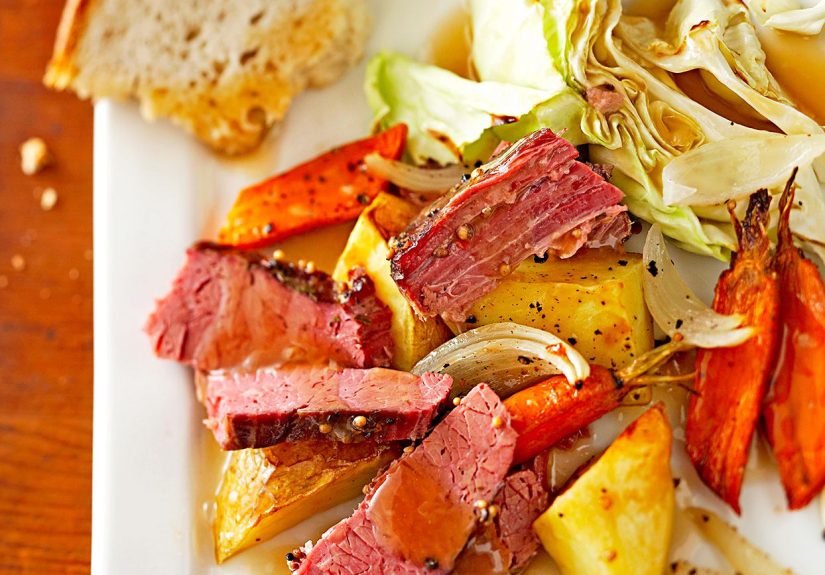
For many Americans, corned beef and cabbage shows up around St. Patrick’s Day like a delicious annual tradition. But this meal is worth far more than a once-a-year cameo. It is filling, practical, deeply flavorful, and surprisingly adaptable. You can simmer it on the stovetop, braise it in the oven, let it lounge in the slow cooker all day, or speed things up in a pressure cooker. However you make it, the magic is the same: a tough cut of beef transformed into fork-tender slices, surrounded by vegetables that soak up every bit of the seasoned broth.
This article digs into what corned beef and cabbage really is, why it became such an iconic Irish-American dish, how to make it taste better than the bland versions that haunt potluck tables, and how to stretch leftovers into meals that are arguably even better the next day. Then, because food is never just food, you’ll also get a longer personal-style reflection on the experience of cooking, serving, and remembering corned beef and cabbage.
What Is Corned Beef and Cabbage?
Corned beef and cabbage is a classic one-pot meal built around cured beef brisket, usually simmered or braised until tender and served with cabbage, potatoes, and carrots. The word corned does not refer to actual corn. It comes from the old term for the large grains, or “corns,” of salt used to cure the beef. That curing process gives the brisket its distinct savory flavor, rosy color, and unmistakable personality.
The beef itself is typically brisket, a hardworking cut from the lower chest of the animal. Brisket is full of connective tissue, which means it starts out tough and ends up glorious if you give it enough time. Rush it and you get chewy disappointment. Cook it slowly and you get slices so tender they seem to surrender on contact with your fork.
The traditional vegetable lineup is simple for a reason. Potatoes absorb the broth and add a soft, comforting element. Carrots bring sweetness. Cabbage turns mellow and silky when cooked properly, balancing the richness of the meat. A sharp condiment like mustard or horseradish on the side is not optional in spirit, even if technically optional in practice.
The Real Story Behind Its Popularity
Despite its strong association with Irish food, corned beef and cabbage is best understood as an Irish-American classic. In Ireland, pork and bacon were historically more common on the table than beef, which was often too expensive for everyday meals. When Irish immigrants came to the United States, especially to places like New York City, they found beef more accessible and affordable. Living near Jewish communities, many became familiar with cured brisket sold by kosher butchers. Over time, corned beef replaced Irish bacon in a familiar style of meal, and cabbage remained a natural companion because it was inexpensive, practical, and filling.
That history explains why the dish feels both old-world and distinctly American. It is a meal born from adaptation, thrift, and neighborhood influence. In other words, it is the kind of dish that earns its place not because someone in a palace invented it, but because regular people made it work, made it delicious, and then passed it down.
Why Corned Beef and Cabbage Still Works
It is built for comfort
This is not fragile food. It is warm, generous, and meant to be shared. The broth smells cozy. The brisket feels substantial. The vegetables make the plate look like a proper meal instead of a sad protein situation. Corned beef and cabbage does not try to impress with drama. It wins by being dependable and deeply satisfying.
It rewards patient cooking
Some recipes are all about speed. This one is all about transformation. Time is the major ingredient. Low, steady heat breaks down the brisket and lets the vegetables absorb the seasoned cooking liquid. The result is layered flavor without fussy technique.
It is a one-pot wonder
Home cooks love a meal that does not leave behind a sink full of regret. Corned beef and cabbage keeps things tidy. One pot, one main event, one deeply fragrant broth doing the heavy lifting. That combination makes it ideal for holidays, family dinners, and lazy weekends when nobody wants culinary chaos.
How to Make Corned Beef and Cabbage Taste Better Than the Boring Version
1. Choose the right brisket cut
You will usually see flat cut and point cut. Flat cut is leaner, easier to slice neatly, and great for a more classic presentation. Point cut has more fat and often delivers richer flavor. Neither is wrong. Flat is the polished dinner-party option. Point is the “I came here to enjoy myself” option.
2. Rinse the brisket if you want better balance
Because corned beef is cured in brine, it can taste aggressively salty straight out of the package. A quick rinse under cold water helps tame the surface salt without stripping away the meat’s identity. Think of it as editing, not censorship.
3. Do not boil it like you are angry at it
A hard boil is one of the fastest ways to toughen brisket and turn the vegetables into tired mush. Gentle simmering or slow braising is the goal. You want the liquid barely bubbling, not staging a volcanic event on your stove.
4. Add vegetables in stages
If you throw potatoes, carrots, and cabbage into the pot at the beginning and walk away for hours, you may return to edible but tragic vegetables. Potatoes and carrots can go in earlier. Cabbage should join later so it stays tender and sweet instead of limp and sulfurous.
5. Let the meat rest, then slice against the grain
This step matters. Resting keeps the juices in the beef instead of on the cutting board. Slicing against the grain shortens the muscle fibers and makes each bite more tender. Slice with the grain and you will wonder why your beautiful brisket suddenly feels like a chewing assignment.
6. Serve it with something sharp
Whole-grain mustard, Dijon, horseradish sauce, or even a mustard-butter drizzle can cut through the richness and make the whole plate taste brighter. Without a punchy condiment, the meal can lean a little too heavy. With one, it sings.
Classic Ingredients for a Great Batch
A strong version of corned beef and cabbage usually includes:
- 1 corned beef brisket, usually 3 to 4 pounds
- The spice packet that comes with it, or your own pickling spice blend
- Potatoes, preferably small or waxy ones that hold their shape
- Carrots cut into large chunks
- Green cabbage cut into wedges
- Onion and garlic for extra backbone
- Bay leaves, peppercorns, and mustard on the side
Some cooks add beer, stock, cider vinegar, brown sugar, or extra aromatics. Those variations can be excellent, but the soul of the dish remains the same: cured brisket, sturdy vegetables, and enough time to let everything become greater than the sum of its humble parts.
Best Ways to Cook It
Stovetop
This is the classic approach. Cover the brisket with water or a mix of water and stock, add spices, bring it just to a boil, then reduce to a gentle simmer. Cook until tender, usually several hours, then add potatoes and carrots, followed by cabbage near the end. The stovetop version gives you the most control and the most “my kitchen smells amazing” payoff.
Oven-Braised
Braising in a covered Dutch oven is ideal if you want even, reliable heat. It also makes it easier to keep the meat tender without babysitting the pot. Some cooks prefer to finish the brisket with a mustard glaze or gentle roast for added flavor. This method can create a slightly more concentrated result and feels a little more polished.
Slow Cooker
The slow cooker was basically invented for meals like this. It handles long, gentle cooking beautifully. The trick is not drowning everything in too much liquid and not adding the cabbage too early. Done right, the slow cooker produces tender brisket and vegetables that still remember their structure.
Pressure Cooker or Instant Pot
When time is short, pressure cooking is a solid option. The brisket becomes tender much faster, and the vegetables can be added afterward for a brief second cook. It is efficient, effective, and ideal for busy days when you want the flavor of a slow meal without actually waiting forever.
Common Mistakes to Avoid
- Overcooking the cabbage: A few extra minutes can turn it from tender to droopy.
- Undercooking the brisket: Tough brisket usually needs more time, not more complaining.
- Skipping the grain check: Always note the direction of the grain before cooking if possible.
- Using tiny carrot slices: They may vanish into softness long before dinner is ready.
- Ignoring salt balance: Corned beef brings plenty of seasoning, so taste before adding more.
- Serving it dry: Spoon some broth over the sliced meat and vegetables for better texture and flavor.
What to Serve with Corned Beef and Cabbage
Honestly, this meal can stand on its own. Still, a few extras never hurt. Irish soda bread is a favorite because it soaks up broth like a champion. Rye bread works too, especially if you are already thinking about tomorrow’s sandwich situation. Grainy mustard, prepared horseradish, parsley butter, or even a sharp pickle plate can add contrast. For drinks, a stout, amber ale, dry cider, or simply sparkling water with lemon all play well with the dish’s richness.
Leftovers Are the Plot Twist
If you think corned beef and cabbage peaks at dinner, allow leftovers to change your mind. Sliced corned beef makes excellent sandwiches on rye with mustard. Chopped leftovers turn into corned beef hash with crisp potatoes and onions. The broth can become the base for soup. Extra cabbage can be folded into fried potatoes, grain bowls, or buttery noodles. This is one of those rare meals that feels generous on day one and downright strategic on day two.
That is part of the charm. Corned beef and cabbage does not just feed a table. It keeps showing up afterward, reinventing itself with suspicious confidence.
Conclusion
Corned beef and cabbage remains popular because it offers more than nostalgia. It is a practical, flavorful, satisfying meal with a rich cultural backstory and a cooking method that rewards patience. It can be simple or refined, traditional or slightly upgraded, holiday-specific or made on an ordinary Sunday just because the weather says you deserve something hearty.
At its best, this dish is not just about brisket and vegetables. It is about transformation. Tough meat becomes tender. Modest ingredients become memorable. A humble one-pot dinner becomes the kind of meal people talk about while standing in the kitchen, sneaking slices, arguing over mustard choices, and pretending they are only having a little more. Corned beef and cabbage may have a reputation as a seasonal classic, but it has more than enough flavor and history to earn a year-round place at the table.
Experience: What Corned Beef and Cabbage Feels Like Beyond the Recipe
The first thing I always notice about corned beef and cabbage is that it does not behave like casual food. Even before it is done, it announces itself. The kitchen starts smelling warm, spiced, and savory in a way that makes people wander in and ask fake-helpful questions like, “Need me to taste anything?” No, you do not need to taste anything. You need to stop stealing carrots. But that is part of the experience. Corned beef and cabbage turns a kitchen into a gathering place long before the plates hit the table.
There is also something deeply satisfying about the rhythm of making it. It is not flashy cooking. It is steady cooking. You fill the pot, settle the brisket in, add the spices, and then let time do what time does best. The whole process feels grounded. In a world of quick meals, rushed lunches, and dinners eaten while staring at a screen, corned beef and cabbage insists on a slower pace. It is the culinary equivalent of saying, “Sit down. We are doing this properly.”
I think that is why the dish sticks in memory so well. It is tied to more than flavor. It is tied to atmosphere. The foggy windows. The heavy pot lid. The moment the brisket is lifted out and everyone suddenly gets very interested in what “resting time” really means. The smell of cabbage in broth somehow becoming comforting instead of cafeteria-like. The small thrill of slicing the meat and seeing that it is actually tender, juicy, and ready for its moment.
Then there is the table itself. Corned beef and cabbage has a family-style quality that makes dinner feel more generous. A platter of sliced brisket surrounded by potatoes, carrots, and cabbage looks abundant without trying too hard. It says there is enough. Enough food, enough comfort, enough reason to stay seated for a while. Some meals disappear quickly and are forgotten by bedtime. This one tends to linger in the conversation. Someone talks about how their grandmother made it. Someone insists mustard is the only correct condiment. Someone else puts horseradish on everything and acts like that is a personality trait.
The leftovers create a second round of memories. The next morning, you open the refrigerator and there it is: that beautifully cooked beef waiting to become hash or a rye sandwich. The cabbage that softened even more overnight. The potatoes ready to crisp in a skillet. It feels less like leftovers and more like a reward for planning well. Few dishes give you that same sense of continuity, where dinner today becomes an entirely different pleasure tomorrow.
What I like most, though, is that corned beef and cabbage feels honest. It is not trying to be trendy. It does not need a dramatic drizzle, a cloud of microgreens, or a ten-word menu description. It succeeds because it delivers exactly what people want from comfort food: warmth, substance, and a little ceremony. Whether you grew up eating it every March or discovered it later as an adult looking for a dependable crowd-pleaser, the experience is similar. You make it, you smell it, you wait for it, and then you eat something that feels bigger than the ingredient list would suggest. That is the real charm of corned beef and cabbage. It feeds hunger, yes, but it also feeds memory. And that is why a simple pot of brisket and vegetables can end up feeling like an event.