Table of Contents >> Show >> Hide
- What Is a Coronary Calcium Score (CAC Score)?
- How the Calcium Score Test Works (and What It Feels Like)
- What Do CAC Score Numbers Mean?
- Role in Finding Risk: Where CAC Shines
- Role in Finding Severity: What CAC Canand Can’tTell You About CAD
- Who Should Consider a Coronary Calcium Scan?
- What Happens After You Get Your Score?
- Limitations and Potential Downsides (Because Every Tool Has a Blind Spot)
- FAQs: Quick Answers to Common Questions
- Conclusion: Using CAC to Get Ahead of CAD
- Real-World Experiences: What People Notice After Getting a CAC Score (Extra Insights)
- 1) “I Expected a Lecture. I Got a Receipt.”
- 2) The “Power of Zero” Can Be ReassuringSometimes Too Reassuring
- 3) “I Didn’t Realize How Much This Would Affect My Statin Decision”
- 4) Motivation SpikesIf the Next Step Is Concrete
- 5) Family Conversations Get Real (Fast)
- 6) The Best Mindset: “This Is Information, Not a Sentence”
If you’ve ever wished your heart could send you a performance reviewsomething like “Great effort, but we need to talk about the plumbing”the coronary
calcium score (also called a CAC score) is about as close as modern medicine gets. It’s fast, noninvasive, and surprisingly good at
answering a very specific question: How much calcified plaque has built up in the coronary arteries?
But here’s the twist: a CAC score is amazing for estimating future risk (like heart attack risk), yet it’s not a perfect “how clogged am
I right now?” meter. In other words, it’s fantastic at telling a prevention storyless reliable as a stand-alone “severity of blockage” headline.
Let’s break down what the test is, what the numbers actually mean, and how clinicians use it to find coronary artery disease (CAD) riskor, more
accurately, the plaque burden behind CAD.
What Is a Coronary Calcium Score (CAC Score)?
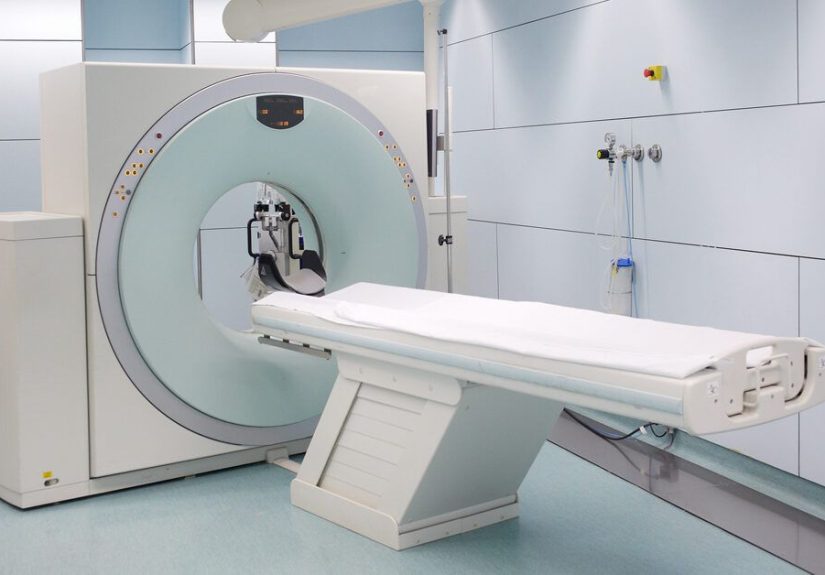
A coronary calcium score comes from a special CT scan (often called a coronary calcium scan or “heart scan”) that detects
calcified plaque in the arteries supplying blood to the heart muscle. Calcified plaque is basically “hardened” atherosclerosisthink of
it as the crunchy evidence that plaque has been hanging around long enough to start collecting calcium.
The amount of calcium found is converted into an Agatston score, which is the standardized scoring method most labs use. Scores can range
from 0 to well over 1,000. Higher scores generally mean more calcified plaque and a higher probability of future cardiac
events.
Calcified Plaque vs. “Soft” Plaque
Important nuance: CAC scoring detects calcified plaque, not all plaque. Early or “soft” plaque can be non-calcified and therefore
invisible to this test. So a CAC score is best viewed as a plaque burden and risk tool, not a complete plaque inventory.
How the Calcium Score Test Works (and What It Feels Like)
The test is typically quickoften just a few minutes on the scanner table. You’ll lie still, electrodes may be placed on your chest, and the scanner
takes images of the heart between beats. No treadmills, no dye in most standard CAC scans, and no “hold this heavy barbell while we watch your arteries”
(which is not a thing, but you get the idea).
Radiation: How Much Are We Talking?
Modern CAC scans are generally considered low-dose CT. Typical effective radiation doses are often around ~1 mSv (though
protocols and equipment can vary). In practical terms, it’s not “zero,” but it’s usually far below many other medical imaging tests, and clinicians weigh
it against the potential value of risk clarification.
What Do CAC Score Numbers Mean?
While labs may describe categories slightly differently, CAC scores are commonly interpreted in ranges. Here’s a practical guide clinicians often use:
| Calcium Score (Agatston) | What It Usually Suggests | Typical Clinical Meaning (Big Picture) |
|---|---|---|
| 0 | No visible calcified plaque | Lower near-term risk; may support delaying statins in some people (depending on risk factors) |
| 1–99 | Mild calcified plaque | Some CAD is present; risk is higher than 0; often supports more aggressive prevention depending on age/risk |
| 100–299 | Moderate plaque burden | Clear evidence of atherosclerosis; often favors statin therapy and tighter risk-factor control |
| 300–399 | Moderate-to-high plaque burden | Higher risk category; stronger case for intensive prevention strategies |
| 400+ | Extensive calcified plaque | High risk; suggests significant atherosclerotic burden and higher likelihood of future events |
Percentiles Matter, Too
A CAC score can also be reported as a percentile compared with people of the same age and sex (and sometimes race/ethnicity, depending on
the reporting system). This is helpful because a score of 50 means something different at age 42 than it does at age 82. Many guidelines use thresholds
such as ≥75th percentile as a sign that risk is meaningfully elevated for that person’s peer group.
Role in Finding Risk: Where CAC Shines
The CAC score is best known for its role in refining cardiovascular riskespecially in people who are not clearly “low risk” or “high
risk” based on traditional factors alone.
Why “Borderline” and “Intermediate” Risk Patients Get the Most Value
If someone is obviously high risk (for example, multiple major risk factors with a high predicted 10-year ASCVD risk), clinicians often recommend
treatment (like statins and lifestyle changes) regardless of CAC. If someone is clearly low risk, a CAC scan may not change management much.
The sweet spot is the person who lands in the “maybe” zonewhere the decision to start a statin, intensify treatment, or take prevention more seriously
isn’t crystal clear. In those situations, CAC can act like a tie-breaker that turns uncertainty into a plan.
The “Power of Zero” (and Its Fine Print)
A CAC score of 0 is often associated with a low short-term risk of cardiac events in many asymptomatic adults, and some
prevention guidelines suggest that in selected patients it may be reasonable to defer statin therapyespecially if there aren’t other
major “risk enhancers.”
The fine print: “0” doesn’t mean “invincible.” People who smoke, have diabetes, have a strong family history of premature heart disease, or have other
significant risk enhancers may still benefit from medication and aggressive prevention even with a zero score. Also, CAC=0 does not rule out non-calcified
plaque.
How CAC Helps Decide on Statins (A Practical Example)
Imagine two people, both age 55, both with mildly elevated LDL cholesterol and borderline-to-intermediate estimated risk:
-
Person A gets a CAC score of 0. They commit to lifestyle improvements and re-check risk over time. Their clinician may
reasonably consider postponing a statin (depending on the full risk picture). -
Person B gets a CAC score of 220. Now we have proof of meaningful plaque burden. That usually strengthens the case for
starting a statin and tightening blood pressure, sleep, exercise, and nutritionbecause there’s visible atherosclerosis already on the board.
This is why CAC is often described as a decision tool rather than “just another test.” It can reclassify risk upward (or sometimes
downward) in a way that changes what happens next.
Role in Finding Severity: What CAC Canand Can’tTell You About CAD
Here’s the most common misunderstanding: a high CAC score does not automatically mean you have a severe blockage in a specific artery
right now. CAC measures calcified plaque burden, which correlates with overall atherosclerosis and riskbut it does not directly measure
the degree of narrowing (stenosis) or blood flow limitation.
What CAC Does Reflect About “Severity”
- Total plaque burden: More calcium usually means more accumulated atherosclerosis overall.
- Higher likelihood of obstructive disease: As CAC rises (especially above 400), the probability of more significant CAD increases.
- Higher future event risk: Higher CAC is linked with higher risk of heart attack and related events.
What CAC Does Not Prove
- Exact blockage percentage: CAC doesn’t tell you “this artery is 70% blocked.”
- Soft plaque burden: Non-calcified plaques may not show up.
- Symptom explanation: If someone has chest pain or shortness of breath, clinicians often need other tests (and a full evaluation) to
assess active ischemia or acute issues.
In short: CAC is a strong risk and burden signal, not a stand-alone obstruction detector. It’s more like counting storm clouds than
measuring how wet your shoes are.
Who Should Consider a Coronary Calcium Scan?
CAC scanning is most often considered for asymptomatic adults (no active chest pain or equivalent symptoms) where:
- Age is commonly in the 40–75 range (though not exclusively).
- Traditional risk estimates land in a borderline or intermediate zone.
- The decision about starting a statin (or intensifying prevention) is uncertain.
- There are “risk enhancers” (family history, metabolic syndrome, inflammatory conditions, etc.) and you want additional clarity.
Who Might Skip It (Because It Won’t Change the Plan)
- Clearly high-risk patients already recommended for aggressive prevention (the result may not change management).
- Clearly low-risk patients where the scan is unlikely to alter treatment decisions.
- People with symptoms suggestive of CAD who need a diagnostic workup (different pathway than “screening” with CAC).
- Pregnant patients generally avoid radiation-based tests unless specifically necessary.
The best decision is shared decision-making: your clinician considers your risk profile, your preferences, and what you’ll actually do with the result.
Because the only thing worse than a test you didn’t need… is a test you needed but ignore.
What Happens After You Get Your Score?
A CAC score is not an endingit’s a starting point. Here’s how results often translate into real-world next steps:
If Your Score Is 0
- Reinforce lifestyle habits (nutrition, exercise, sleep, stress management).
- Discuss whether statins can be delayed based on your overall risk profile.
- Continue routine monitoring of blood pressure, cholesterol, and glucose.
- Consider re-scanning only if clinically appropriate (many clinicians use multi-year intervals, not annually).
If Your Score Is 1–99
- Think of it as “early warning with receipts.” Plaque exists, so prevention becomes more urgent.
- Medication decisions often depend on age and risk factorsmany people move toward statins and tighter LDL goals.
- Double down on blood pressure control, exercise consistency, and dietary quality.
If Your Score Is 100+
- Strong evidence of atherosclerosisprevention usually becomes more intensive.
- Clinicians frequently recommend statin therapy unless there’s a compelling reason not to.
- Other risk factors (blood pressure, diabetes risk, smoking) become “must-address” items, not “nice-to-have.”
If Your Score Is 400+
- Higher risk categoryoften triggers a comprehensive prevention plan.
- Depending on symptoms and clinical context, additional testing may be considered to evaluate for obstructive disease.
- The focus is not panicit’s prioritization: you now have powerful information to reduce risk aggressively.
Limitations and Potential Downsides (Because Every Tool Has a Blind Spot)
It’s Not Universally Recommended for Screening Everyone
Some bodies have concluded that evidence is insufficient to recommend routinely adding CAC to traditional risk models for all asymptomatic adults to prevent
events. That doesn’t mean CAC is useless; it means the “screen everyone automatically” strategy doesn’t have enough proof of net benefit.
Incidental Findings
CT scans sometimes reveal unexpected findings in nearby structures. Most incidental findings are benign, but they can lead to follow-up imaging and
anxietysometimes necessary, sometimes annoying.
Cost and Coverage
Coverage varies widely. Some centers offer affordable self-pay pricing; some insurers cover it selectively; others don’t. The best approach: ask about the
out-of-pocket cost before you book.
Behavior Change Isn’t Guaranteed
A CAC score is informationnot magic. It’s most useful if it changes behavior or clarifies medication decisions. If you know you won’t act on the result,
you might be paying for a number that just lives in your inbox.
FAQs: Quick Answers to Common Questions
Does a high CAC score mean I’m having a heart attack soon?
Not necessarily. It indicates higher risk, not a countdown timer. Many people with high scores do well for yearsespecially when they use
the information to optimize prevention.
Can I have CAD with a calcium score of zero?
Yesthough the near-term risk is often low, CAC=0 does not fully exclude non-calcified plaque or all forms of CAD. Risk factors still matter.
Is CAC the same as CT coronary angiography (CTA)?
No. CAC is a non-contrast (typically) scan that quantifies calcified plaque. CTA uses contrast dye and provides more detailed information about coronary
anatomy and stenosis. They answer different clinical questions.
Should I repeat the test every year?
Usually no. Repeat timing should be individualized. Many clinicians consider multi-year intervals, especially for CAC=0, and only if the result would
change management.
Conclusion: Using CAC to Get Ahead of CAD
The coronary calcium score is one of the most practical tools in preventive cardiology because it translates a fuzzy concept“risk”into something you can
see. When used in the right person at the right time, it helps identify hidden atherosclerosis and guides decisions about statins and prevention intensity.
Just remember what it is (a measure of calcified plaque burden) and what it isn’t (a precise map of current blockages). If your score is low, use it as a
nudge to keep your habits strong. If your score is high, treat it like a weather alert: not a guarantee of disaster, but a reason to prepare and protect
yourself with evidence-based prevention.
Real-World Experiences: What People Notice After Getting a CAC Score (Extra Insights)
The CAC scan isn’t emotionally neutral. Even though it’s “just a number,” people often describe it as one of the most motivatingor startlingmoments in
their heart-health journey. Below are common experiences clinicians hear about from patients and families, shared here as general patterns (not personal
medical advice, and not a substitute for individualized care).
1) “I Expected a Lecture. I Got a Receipt.”
Plenty of people walk into a preventive visit thinking, “My cholesterol is a little high, but I feel fine.” Then a CAC score comes back at 150 or 300, and
suddenly prevention feels less theoretical. Many describe the shift like this: risk factors used to feel like warnings; the calcium score feels like proof.
It’s not about shame or fearit’s about clarity. When plaque is visible, lifestyle changes stop feeling like punishment and start feeling like a plan.
2) The “Power of Zero” Can Be ReassuringSometimes Too Reassuring
A CAC score of 0 often brings real relief, especially for people with anxiety about heart disease. Some say it helps them sleep betterliterally. But good
clinicians also caution against turning “0” into “I’m done here.” People with strong family history, smoking exposure, diabetes risk, or inflammatory
conditions may still need aggressive prevention. A common “aha” moment is learning that the score is a snapshot of calcified plaque, not a lifetime
immunity badge.
3) “I Didn’t Realize How Much This Would Affect My Statin Decision”
Statin hesitancy is common. Some people worry about side effects; others simply prefer to avoid medication if possible. In practice, the CAC score often
becomes a turning point. Those who land in the moderate or high ranges frequently report that the decision feels less like “taking a pill because a chart
says so” and more like “treating visible disease early.” On the flip side, some people with CAC=0 feel confident postponing statins while committing to
diet, exercise, weight management, and blood pressure control. Either way, the test tends to make the decision feel more personalized.
4) Motivation SpikesIf the Next Step Is Concrete
People are more likely to change habits when the “what now?” is specific. The best experiences often include a clear follow-up plan: a target LDL goal, a
blood pressure strategy, an exercise prescription that fits real life, nutrition guidance that isn’t misery, and a timeline for reassessment. When those
pieces are missing, some people describe feeling stuck with an alarming number and no roadmap. That’s why many clinicians emphasize using CAC as part of a
broader prevention conversation, not as a standalone verdict.
5) Family Conversations Get Real (Fast)
Another frequently reported effect: the CAC score doesn’t just change one person’s behaviorit influences family habits. People talk to siblings about
screening and risk factors. They ask parents about premature heart disease history. They encourage spouses to get blood pressure checked. The score can
serve as a “wake-up call” that spreads prevention benefits across a householdespecially when combined with supportive, non-judgmental messaging.
6) The Best Mindset: “This Is Information, Not a Sentence”
Individuals who cope best tend to treat CAC as actionable data. A higher score can feel scary at first, but it also means you caught the problem early
enough to do something meaningful. Modern prevention (nutrition, exercise, weight management, smoking cessation, blood pressure control, lipid-lowering
therapy when appropriate, diabetes prevention) is powerful. Many people find that once they move from “Why me?” to “What’s my next step?” anxiety drops and
confidence rises.
If you’re considering a coronary calcium scan, the most useful question to ask yourself (and your clinician) is simple: What will we do
differently depending on the result? When the answer is clear, CAC can be one of the most practical tests in preventive cardiology.