Table of Contents >> Show >> Hide
If plain water feels a little too emotionally unavailable, Crystal Light can seem like the charming middle ground. It adds flavor, usually skips the sugar, and gives tired taste buds something to do besides complain. But is Crystal Light actually healthy, or is it just water wearing a party hat?
The honest answer is more interesting than a simple yes or no. Crystal Light can be a useful tool for some people, especially if it helps them drink more fluid or replace high-sugar beverages like soda, sweet tea, or juice cocktails. At the same time, it is not a magical wellness potion, a nutrition shortcut, or a replacement for plain water. Like many pantry favorites, its value depends on how you use it, how often you use it, and what it is replacing in your routine.
This guide breaks down the health pros, possible downsides, and the most common questions people ask about Crystal Light, without the scare tactics, the wellness drama, or the “one weird trick” energy. Just the facts, with a little personality.
What Is Crystal Light, Exactly?
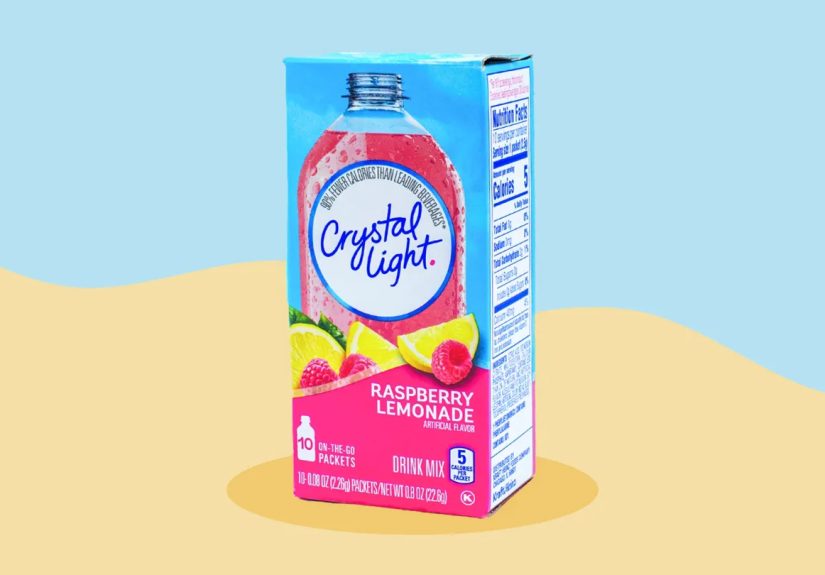
Crystal Light is a flavored drink mix sold in powders and liquid concentrates. Many varieties are marketed as zero sugar and low calorie or zero calorie, depending on the product. Some versions are simple fruit-style drink mixes, while others are tea-inspired, caffeinated, or enhanced with added vitamins.
That means “Crystal Light” is really a category, not one single formula. One product may be caffeine-free and lightly flavored, while another may include caffeine and a different blend of sweeteners. In other words, reading the label still matters. Your peachy little water enhancer and your “please help me survive this meeting” energy packet are not always the same thing.
Crystal Light Nutrition at a Glance
Most Crystal Light products are designed to deliver sweetness and flavor with little or no sugar. Depending on the variety, they may contain ingredients such as citric acid, natural or artificial flavors, color additives, and low- or no-calorie sweeteners like aspartame, sucralose, or acesulfame potassium. Some varieties also contain caffeine or added vitamins.
From a calorie standpoint, that can make Crystal Light a much lighter option than traditional sugary beverages. A regular soda, sweetened bottled tea, or fruit punch can add a meaningful amount of sugar and calories to your day. Crystal Light usually does not. That is the main reason it keeps showing up in weight-loss conversations, lunch bags, and office drawers next to exactly one emergency granola bar.
Health Pros of Crystal Light
1. It can help reduce added sugar
The biggest upside is simple: if Crystal Light replaces sugar-sweetened beverages, it can lower your sugar intake. That matters because many Americans get more added sugar from drinks than they realize. Sweet beverages are easy to consume quickly, not very filling, and sneaky enough to turn one casual sip into a daily habit.
Switching from regular soda or sugary lemonade to Crystal Light can be a practical step for someone trying to reduce calories, cut back on added sugars, or manage overall energy intake. It is not nutrition wizardry. It is just math with better flavor.
2. It may help some people drink more fluids
Hydration matters, and not everyone enjoys plain water. Some people simply drink more when water has flavor. If Crystal Light helps you go from “I forgot water exists” to finishing a bottle or two during the day, that can be useful.
For people who struggle with hydration during work, travel, warm weather, or long school days, flavored water products can make fluid intake feel less like a chore. It is still the water doing the hydrating, of course, but a little flavor can be enough to make the habit stick.
3. It can be helpful for calorie control
Low- and no-calorie sweetened drinks can help some adults cut calories in the short term, especially when they replace higher-calorie beverages. If your usual afternoon habit is a large sweet tea, a bottle of fruit punch, or a full-sugar energy drink, Crystal Light can be a lighter alternative.
That said, “helpful” does not mean “automatic.” Drinking Crystal Light does not cancel out a diet built around oversized desserts, random vending machine decisions, or weekend portions that could feed a youth soccer team. But as one swap in a bigger pattern, it can absolutely make sense.
4. It generally does not raise blood sugar the way sugary drinks do
Because many Crystal Light varieties use low- or no-calorie sweeteners instead of sugar, they are often appealing to people who want a sweet drink without the same blood sugar impact as regular soda or juice drinks. For many adults with diabetes or prediabetes, that can make Crystal Light a more practical option than a sugar-loaded beverage.
Still, context matters. A sugar-free drink is not a free pass for the whole meal. Your overall eating pattern, medications, and portion sizes still matter more than whether your drink packet was feeling virtuous that day.
5. It is convenient, portable, and consistent
Convenience is not a small thing. Crystal Light packets are portable, easy to store, and quick to use. That makes them more realistic for busy people than some idealized hydration strategy involving fresh mint, sliced strawberries, and a level of morning organization rarely seen outside social media.
When healthy habits are easier to repeat, they are more likely to last. If Crystal Light helps you avoid a drive-thru soda or a sugar-heavy convenience store drink, that convenience can become part of a healthier routine.
Potential Cons of Crystal Light
1. It is not as good as plain water
This is the most important reality check. Crystal Light can fit into a healthy diet, but plain water is still the gold standard for everyday hydration. Water has no sweeteners, no additives, no label reading, and no surprises. It is low-maintenance in the best possible way.
If you rely on Crystal Light for every bottle you drink, you may end up reinforcing the idea that water always needs to taste like vacation punch to be acceptable. That can make it harder to enjoy plain water over time.
2. It may keep your sweet tooth on speed dial
One common concern with low-calorie sweeteners is that they can maintain a preference for sweet flavors. Even when the calories are low, the habit of constantly chasing sweet taste may make it harder for some people to move toward less-sweet beverages and foods.
This does not happen to everyone, and it is not a reason to panic over a lemonade packet. But if you notice that sweet drinks make you crave more sweet snacks, desserts, or nighttime “treats” that accidentally become a second dinner, it is worth paying attention.
3. Some people are sensitive to certain sweeteners or ingredients
Artificial and low-calorie sweeteners are considered safe within established intake limits, but individual tolerance varies. Some people report headaches, bloating, or digestive discomfort with certain sweeteners or flavored drink products. Research does not prove that everyone will have these effects, but real-life sensitivity is still real-life sensitivity.
If you notice that one type of Crystal Light leaves you feeling off, that does not mean the product is universally harmful. It may simply mean that your body and that ingredient list are not destined to become best friends.
4. Aspartame is not appropriate for people with PKU
This is not optional fine print. People with phenylketonuria, or PKU, need to avoid aspartame because it contains phenylalanine. Some Crystal Light products use aspartame, so label reading matters here in a very serious way.
For people without PKU, phenylalanine warnings are usually not a concern. For people with PKU, they absolutely are. This is one of the clearest cases where “check the package” is not just nutrition advice but a safety step.
5. Caffeinated varieties can quietly add up
Some Crystal Light products contain caffeine, especially energy-style versions. That can be useful if you want a lighter alternative to some energy drinks, but it can also become one more hidden source of caffeine in a day that already includes coffee, tea, soda, or pre-workout products.
If you are sensitive to caffeine, prone to jitters, have trouble sleeping, or tend to forget that your “hydration packet” is actually moonlighting as a stimulant, this is worth watching closely.
6. It does not add much nutritional value
Crystal Light may be low in sugar, but low in sugar is not the same thing as nutrient-dense. It is not a meaningful source of fiber, protein, healthy fats, or the broad range of vitamins and minerals you get from whole foods. Some varieties add vitamins, but that does not transform the drink into a health food.
Think of it as a beverage strategy, not a nutrition strategy. Those are two very different jobs.
Who May Want to Be Extra Careful?
Crystal Light may deserve a second look if you fall into one of these groups:
People with PKU
Aspartame-containing varieties should be avoided.
People sensitive to caffeine
Energy versions may not be the best fit, especially later in the day.
People with digestive sensitivity
If sugar substitutes or additives seem to trigger symptoms, your own experience matters.
Parents shopping for young children
Water and minimally sweetened beverages should still be the priority. A child does not need every sip to taste like candy with branding.
Anyone trying to reduce dependence on sweet tastes
If your goal is to retrain your palate, using Crystal Light less often may help.
Crystal Light FAQs Explained
Is Crystal Light bad for you?
Not necessarily. For most healthy adults, Crystal Light can fit into a balanced diet, especially if it replaces sugar-sweetened beverages. The better question is not “Is it bad?” but “What is it replacing?” Replacing soda with Crystal Light is usually a nutritional improvement. Replacing plain water with Crystal Light all day, every day, is less impressive.
Is Crystal Light healthier than soda?
In many cases, yes. If you compare a zero-sugar Crystal Light drink to a regular sugar-sweetened soda, Crystal Light usually wins on sugar and calories. That does not make it perfect, but it often makes it the lighter option.
Can people with diabetes drink Crystal Light?
Many people with diabetes can include products like Crystal Light because low-calorie sweeteners generally do not raise blood glucose the way sugar does. Still, it is wise to look at the full label, your overall eating pattern, and any advice from your healthcare team.
Does Crystal Light cause cancer?
This question shows up a lot because aspartame has sparked years of debate. The current position from major U.S. health authorities is that approved sweeteners such as aspartame are considered safe within established intake limits. In plain English: the fear headlines are louder than the evidence most consumers actually need to worry about in normal use.
Can I drink Crystal Light every day?
You probably can, but that does not mean it should be your only beverage personality trait. Daily use may be reasonable for adults who tolerate it well, especially when it helps replace sugary drinks. A smart approach is to let plain water do most of the work and use Crystal Light as a supporting actor, not the star of every scene.
Does Crystal Light count as water intake?
Because it is mixed with water, it contributes to fluid intake. But many health experts still encourage plain water as your main hydration source. So yes, it counts toward fluids, but no, it does not outrank water itself.
Can Crystal Light help with weight loss?
Indirectly, maybe. If it helps you cut sugary beverages and lower overall calorie intake, it can support weight-loss efforts. But Crystal Light itself does not cause fat loss. That job still belongs to the bigger picture: food choices, total intake, activity, sleep, and consistency.
How to Use Crystal Light Smarter
If you like Crystal Light and want to keep it in your routine, a balanced approach works best.
Use it to replace sugary drinks, not plain water you already enjoy. Pay attention to which varieties contain caffeine. Rotate in plain water, sparkling water, or fruit-infused water so your taste buds do not forget that subtle flavor exists. If a certain product seems to trigger headaches or stomach issues, believe your body and switch gears.
Most importantly, keep the mission clear. Crystal Light is best used as a practical swap, not as a health halo. It can make a decent routine easier, but it cannot do the routine for you.
Real-World Experiences With Crystal Light
One reason Crystal Light stays popular is that people tend to use it in very real, very ordinary situations. The first common experience is the “former soda drinker” story. Someone who used to drink two or three sugary sodas a day starts keeping Crystal Light packets in a desk drawer or car console. The flavor feels familiar enough that the switch does not feel like punishment, and the drop in sugar is meaningful. For that person, Crystal Light is not a miracle. It is a bridge. And bridges are underrated.
Another common experience comes from people who simply do not enjoy plain water. They know they should drink more, they own the emotional support tumbler, and they still somehow finish the day with half a bottle left. Adding a flavored packet can make hydration more appealing, especially during long work shifts, road trips, hot weather, or gym sessions. In these cases, Crystal Light becomes less about “health food” and more about making a healthy behavior easier to repeat.
There is also the “afternoon slump” crowd. Some people reach for caffeinated Crystal Light instead of a second coffee or a sugary energy drink. They like that it is lighter, portable, and easy to mix into a water bottle. The experience can be positive, but it also comes with a catch: when caffeine hides inside a drink mix, it is easier to forget how much you have had. That is how a perfectly reasonable pick-me-up turns into a 9:30 p.m. conversation with the ceiling fan.
Then there are people trying to manage weight or blood sugar who describe Crystal Light as helpful but not magical. They often say it works best when it replaces something worse. It helps them say no to soda, sweet tea, or juice-based drinks, which is useful. But when they start treating it like a free pass for everything else, the benefit fades. The real-world lesson is pretty consistent: Crystal Light works best as one smart swap inside a bigger routine, not as the whole plan.
Some people eventually move away from it a little. After using flavored drink mixes for a while, they may find they can tolerate plain water more easily, especially if their overall taste for super-sweet drinks starts to dial down. Others keep Crystal Light in the mix permanently but use it strategically, like during travel, at work, or when they are tempted by sugary drinks. Both experiences are valid. The healthiest routine is often the one you can actually live with, not the one that sounds most impressive online.
Final Verdict
Crystal Light is neither a villain nor a wellness icon. It is a low- or no-calorie flavored drink option that can be genuinely useful when it helps you drink more fluids or replace sugary beverages. For many adults, that is a perfectly reasonable role.
Its downsides are also real. It is not as ideal as plain water, it may maintain a preference for sweet tastes, some people do not tolerate certain sweeteners well, and aspartame-containing products are not safe for people with PKU. Add in the occasional caffeine surprise, and the label deserves a quick look before you pour.
So, is Crystal Light healthy? It can be a helpful choice, especially compared with sugary drinks. But the healthiest answer is still balance: let water be the default, use Crystal Light when it helps, and save the beverage drama for something that actually deserves a documentary.