Table of Contents >> Show >> Hide
- What Happened on Dragons’ Den?
- Why Simu Liu’s Critique Struck a Nerve
- Why the Backlash Escalated So Fast
- Bobba’s Apology and the Pulled Investment
- What the Scandal Says About Cultural Appropriation in Food
- What Smart Brands Should Learn From This
- Related Experiences: Why This Story Felt Familiar to So Many People
- Conclusion
- SEO Tags
Sometimes a business pitch lands with a splash. This one landed like a tapioca pearl fired from a cannon.
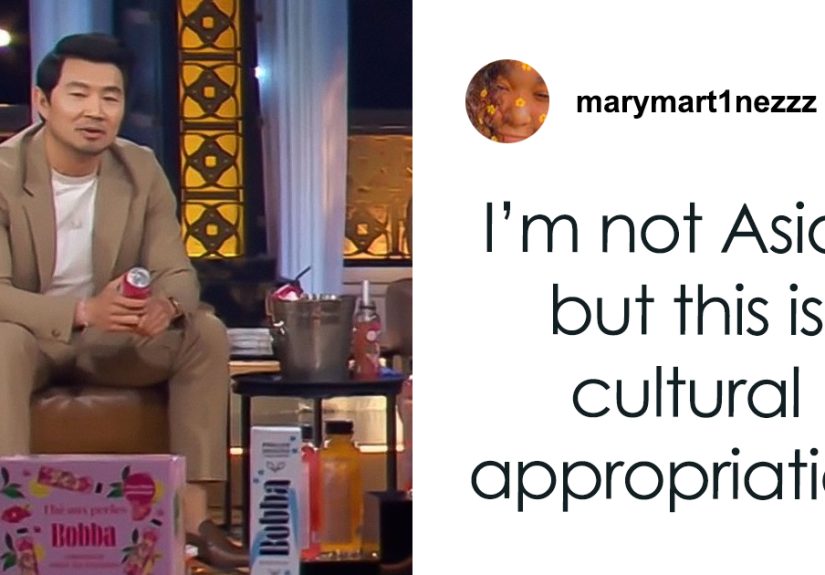
What should have been a standard reality-TV startup moment turned into a loud, messy, internet-wide argument about boba, branding, cultural credit, and the fine line between innovation and erasure. When Bobba, a Quebec-based ready-to-drink bubble tea company, appeared on Dragons’ Den, the founders likely expected questions about margins, shelf life, and distribution. They got those. But they also got something far bigger: a blunt public challenge from guest investor Simu Liu, who argued that the pitch treated a distinctly Asian drink as something to be “improved” without properly acknowledging where it came from.
The result was a debate that spread far beyond one TV episode. Supporters said Liu voiced what many Asian consumers and founders have felt for years: that foods from immigrant communities are often dismissed as strange or overly “ethnic” until someone repackages them for the mainstream and calls the idea fresh. Critics thought the backlash went too far. Then things got uglier, with online threats and harassment directed at the entrepreneurs. At that point, the story stopped being just about branding and became a case study in how cultural conversations can turn educational, emotional, and chaotic all at once.
So what exactly happened, and why did this pitch hit such a nerve? To answer that, you have to start with a drink that is far more than a cute cup and a jumbo straw.
What Happened on Dragons’ Den?
Bobba’s founders, Sébastien Fiset and Jessica “Jess” Frenette, appeared on the Canadian investor show seeking a $1 million investment for an 18% stake in their business. Their company sells bottled bubble tea made with fruit juice beads and positioned as a convenient, healthier ready-to-drink option. On paper, that sounds like a pitch investors hear every day: take a popular product, make it portable, and sell it at scale.
The trouble began with the way the product was framed. During the pitch, the founders described traditional bubble tea in a way that many viewers felt was dismissive. The language suggested the original drink was sugary, murky, and somehow in need of rescue. In other words, the pitch did not merely say, “Here is our version.” It sounded more like, “Here is our better version.” That distinction mattered.
Simu Liu immediately pushed back. He questioned why the brand’s packaging and presentation did not clearly acknowledge the drink’s Taiwanese roots. He also raised concerns about whether a business built around a culturally specific product should show more visible respect for the community that created and popularized it. Liu made clear that his issue was not with new takes on old foods in general. His issue was with taking something closely tied to Asian identity, sanding off the context, and then marketing the new version as an upgrade.
Other investors on the panel were less persuaded by his argument in the moment. Manjit Minhas initially defended the idea that products evolve and consumers accept modern spins on traditional items all the time. She then made an offer. For a brief moment, Bobba looked like it had scored the kind of TV win founders dream about.
Then the internet arrived with all the subtlety of a marching band in a library.
Why Simu Liu’s Critique Struck a Nerve
Because boba is not just another “trend”
Bubble tea, also known as boba tea or pearl milk tea, originated in Taiwan in the 1980s. Its exact invention story is still debated, but the drink’s Taiwanese roots are not. What began as iced tea mixed with chewy tapioca pearls became one of Taiwan’s most recognizable culinary exports. Over time, boba spread across Asia, then into immigrant communities, then into the American mainstream, where it evolved into a multibillion-dollar obsession with endless flavors, toppings, textures, and sugar levels.
But boba is not culturally important only because it is delicious. It matters because it has become a social language inside Asian diasporic communities. For many Asian Americans, boba shops have been gathering places, after-school hangouts, first-date spots, study rooms, and low-key community centers with better snacks. The drink carries memory, migration, and identity. It is not just a beverage. It is part of a lived cultural ecosystem.
That is why Liu’s reaction resonated. Many viewers were not simply hearing an entrepreneur pitch a bottled tea. They were hearing a familiar pattern: something from an Asian culture is first treated as niche, too foreign, or suspiciously “different,” then suddenly becomes marketable once it is stripped of context and sold in a cleaner, cooler, less “ethnic” package. Same pearls, shinier can.
Because words matter in branding
There is a big difference between saying, “We were inspired by Taiwanese bubble tea and built a shelf-stable version for busy consumers,” and saying, “We fixed this trendy drink you people have been lining up for.” One sounds like appreciation and product development. The other sounds like cultural amnesia with a marketing budget.
The criticism was not really about whether non-Asian founders are “allowed” to sell boba. Businesses cross cultural lines all the time, and food is constantly borrowed, remixed, localized, and reinvented. The issue is how that borrowing is done. Do you credit the source? Do you respect the tradition? Do you collaborate with people tied to the culture? Do you profit while pretending the original was flawed until you showed up in sensible packaging?
That is the point many defenders of Liu were making. The problem was not invention. The problem was posture.
Why the Backlash Escalated So Fast
The clip spread quickly because it had everything social media loves: a viral celebrity, a visible cultural tension, a sharp confrontation, and a product many people already feel emotionally connected to. Add in the internet’s eternal love affair with outrage, and the story practically sprinted across platforms on its own.
Many people praised Liu for saying what others on the panel would not. Others criticized the show itself for seeming slow to grasp why his concerns mattered. The backlash also drew attention to a larger frustration in food and consumer culture: the idea that products from communities of color are often treated as inferior, unsophisticated, or too “niche” until someone outside the community translates them into language the mainstream finds easier to swallow.
But the backlash did not remain a debate. It turned into harassment. Bobba’s founders received threats, and the situation became serious enough that Liu publicly stepped in to tell supporters to stop. He said valid criticism was fair, but threats and bullying were not. Minhas, who later withdrew her investment after more reflection and public feedback, also condemned the threatening messages.
That matters because it reveals an uncomfortable truth: the internet is very good at identifying a teachable moment and very bad at staying teachable. What could have remained a tough but useful public lesson on branding and cultural respect became, for some people, an excuse to dogpile strangers. Once death threats enter the room, the conversation is no longer brave or principled. It is broken.
Bobba’s Apology and the Pulled Investment
After the episode aired and criticism mounted, Bobba issued a public apology. The company acknowledged that its words and presentation had caused harm and said Liu raised valid points about cultural appropriation. It also said it would reevaluate its branding, packaging, and marketing to better reflect bubble tea’s cultural roots and the role of its Taiwanese partners.
That response was important for two reasons. First, it suggested the founders understood the criticism was not merely random internet anger. Second, it showed that cultural feedback can be part of due diligence, whether investors plan for it or not. In the modern marketplace, public perception is not a side issue. It is part of the business model, sitting right there between customer loyalty and brand trust, sipping loudly through a giant straw.
Minhas eventually reversed course and announced she would not invest in Bobba. That move added another layer to the story. A pitch once framed as a success became an example of how quickly public sentiment can alter the future of a deal. Investors are not just betting on taste, margins, and growth anymore. They are also betting on whether a brand understands the cultural meaning attached to the thing it is selling.
What the Scandal Says About Cultural Appropriation in Food
Cultural appropriation is one of those phrases that can instantly overheat a conversation. Some people use it too loosely. Others roll their eyes the second they hear it. But in food and consumer products, the underlying question is pretty simple: when does borrowing become exploitation?
Usually, the answer has less to do with ownership and more to do with power. If a company borrows from a culture, ignores or minimizes that culture’s contribution, and then profits by making the original seem lesser, many consumers will see that as appropriation. If a company instead credits the roots, collaborates thoughtfully, and helps create visibility or value for the source community, consumers are more likely to see it as appreciation.
This is not a new issue. Food culture has seen similar flashpoints before, from fights over how media explain dishes like pho to trademark battles around culturally rooted pantry staples like chili crunch. What connects those controversies is not a rule that only insiders may touch a food. It is the recurring frustration of seeing heritage turned into trend while the people most closely tied to that heritage are treated as optional background decoration.
The Bobba story landed so hard because it sat squarely inside that pattern. It did not happen in a vacuum. It happened in a world where consumers are increasingly aware of who gets credit, who gets capital, and who gets called “innovative” for repackaging ideas communities have been living with for decades.
What Smart Brands Should Learn From This
1. Credit is not a burden; it is part of the product
If your company sells something culturally specific, context is not extra fluff for the About page. It is part of the value. Consumers are not scared of origin stories. In many cases, they are drawn to them. Erasing heritage does not make a brand more universal. It often just makes it look insecure.
2. Innovation should not depend on insulting the original
You can modernize packaging, change ingredients, or invent a new format without trashing the tradition you borrowed from. A shelf-stable boba drink can exist. A lower-sugar version can exist. A grab-and-go version can exist. But it does not need to be sold as the heroic rescue mission that finally made bubble tea respectable.
3. Representation is not just optics
Consumers increasingly notice who is in the room, who has equity, who is consulted, and who is missing. If a brand profits from a culturally rooted product, it should be prepared to answer questions about who shaped the product story. Representation is not a decorative garnish sprinkled on top after launch. It often determines whether a brand sounds credible in the first place.
4. Online criticism is real market feedback
Not every viral critique is fair. Some are overheated, simplistic, or opportunistic. But companies ignore them at their peril. The Bobba controversy showed how fast public reaction can influence investor decisions and brand direction. The comment section may be chaotic, but it is not economically irrelevant.
Related Experiences: Why This Story Felt Familiar to So Many People
One reason the Bobba scandal traveled so widely is that it touched experiences many people already recognized in their bones. For plenty of Asian consumers, especially in the U.S. and Canada, the story did not feel shocking. It felt familiar.
There is the experience of growing up with a food that classmates once mocked, misunderstood, or treated as weird, only to watch it become fashionable years later. Suddenly the same smell, texture, or ingredient that once earned side-eye becomes an “elevated” discovery once it appears in polished branding, expensive packaging, or influencer-friendly language. The food did not change. The audience did. Or rather, the gatekeepers did.
There is also the experience of watching cultural products get cleaned up for mainstream comfort. Bitterness becomes “complex.” Fermentation becomes “gut-friendly.” Tea with tapioca pearls becomes a “disruptive beverage platform.” Somewhere along the way, heritage gets repackaged into trend, and the people who lived with that heritage from day one are expected to clap politely while someone else gets congratulated for discovering the obvious.
The business side of that feeling is real too. Associated Press reporting on the aftermath of the Dragons’ Den episode highlighted how the controversy opened space for a different kind of brand to be noticed: Twrl, an Asian American boba company founded by Olivia Chen and Pauline Ang in the Bay Area. Their brand emphasizes visible sourcing, collaboration with family-run tea farms, Taiwan-made toppings, and packaging that openly acknowledges cultural roots. In other words, they were not trying to scrub the story out of the product. They were building the story into it.
That contrast helps explain why so many founders from immigrant or marginalized communities reacted strongly to the Bobba pitch. They know what it is like to struggle for shelf space, funding, and legitimacy while watching someone else receive praise for a culturally stripped-down version of the very thing they have been defending, refining, and explaining for years.
The wider food world has seen versions of this before. Debates over how media frame pho, for example, have shown how quickly cultural frustration rises when an outsider is positioned as the authority on a dish that already carries deep national and diasporic meaning. More recently, public anger around the “chili crunch” trademark fight showed how intensely people react when a commercially powerful brand appears to box in the language surrounding a culturally rooted product. Different foods, same nerve.
And then there is the most exhausting experience of all: having a real cultural concern dismissed as oversensitivity until the backlash becomes impossible to ignore. Many people who defended Liu did so because they were tired of hearing these concerns treated as niche complaints or identity politics gone wild. To them, the issue was basic respect. Say where the thing came from. Do not act like the original needed saving. Do not profit from erasure and call it entrepreneurship.
None of that justifies threats. It does explain the intensity. People were not only reacting to one can of tea. They were reacting to a pattern they have seen over and over again, usually with fewer cameras and less honesty.
Conclusion
The Bobba controversy was never really about whether bubble tea can evolve. Of course it can. Food changes. Markets change. Formats change. That is normal. What caused the scandal was the suggestion that the drink needed improvement in order to become respectable, paired with a branding approach that failed to clearly honor the culture that made the product meaningful in the first place.
Simu Liu’s intervention mattered because he named the discomfort plainly. The public response mattered because it showed how many people are paying attention to who gets credit in modern consumer culture. And the apology mattered because it suggested learning is still possible, even after a public mess. The threats, however, were a reminder that moral certainty can turn ugly fast when online crowds decide education is too slow and punishment feels more satisfying.
In the end, this scandal offers a simple lesson for founders, investors, and marketers: if you want to bring a culturally rooted product to more people, bring its story with you. Do not erase the origin, do not insult the original, and do not confuse convenience with invention. Consumers can handle nuance. They can even handle tapioca pearls the size of marbles. What they are less willing to swallow now is cultural amnesia in a shiny can.