Table of Contents >> Show >> Hide
- What “slow pursuits” actually means
- Why slow pursuits feel so good right now
- The most popular slow pursuits right now
- How slow pursuits shape the home
- How to start a slow pursuit without turning it into homework
- What slow pursuits teach us
- Experience Notes: What Slow Pursuits Feel Like in Real Life
- Conclusion
There was a time when every hobby had to become a side hustle, every interest needed a color-coded tracker, and every spare hour was somehow expected to “optimize” your life. Then the collective mood shifted. Suddenly, people started craving activities that do not promise a personal brand, a viral moment, or a monetization strategy. They just promise something more radical: calm.
That is where slow pursuits come in. Think knitting, journaling, baking bread, birdwatching, pottery, gardening, mending, letter writing, reading in a sunlit corner, or simply making something with your hands while your phone sulks in another room. These are not flashy hobbies. They are not trying to disrupt anything. They are delightfully unbothered. And that, frankly, is part of the appeal.
Today’s fascination with slow living and analog hobbies is not about pretending we all live in a cottage where soup simmers eternally. It is about creating more intentional rhythms in everyday life. Slow pursuits invite us to focus on process instead of performance, texture instead of speed, and presence instead of constant scrolling. They make ordinary time feel fuller.
What “slow pursuits” actually means
The phrase sounds poetic because it is. But it is also practical. Slow pursuits are activities that reward attention, repetition, patience, and sensory engagement. They usually involve the body as much as the mind. You stir, stitch, shape, plant, press, knead, sketch, listen, and notice. They are often low-tech or intentionally screen-light. The point is not productivity. The point is participation.
That matters more than it may seem. Recent lifestyle reporting across the U.S. has pointed to renewed interest in cozy hobbies, screen-free activities, and dedicated unplugged spaces at home. The common thread is easy to spot: people are tired of being mentally crowded. Slow pursuits offer a softer kind of attention, one that feels restorative instead of extractive.
In other words, these hobbies do not shout. They murmur. They ask you to sit down, stay awhile, and maybe stop refreshing your notifications like they contain the secrets of the universe.
Why slow pursuits feel so good right now
1. They counter digital overload
Much of modern life is lived on glowing rectangles. Work, entertainment, shopping, texting, planning, and even relaxing often happen through screens. Slow pursuits interrupt that loop. They give your hands a job and your mind a narrower focus, which can feel deeply grounding. A basket of yarn, a packet of seeds, or a stack of stationery is not anti-technology. It is just a reminder that not every meaningful experience needs a charger.
2. They make room for presence
Many people are rediscovering the pleasure of doing one thing at a time. Baking bread requires waiting. Sewing requires attention. Birdwatching requires noticing. These activities do not reward frantic multitasking. They reward being where you are. That simple shift can make a weekend feel longer and an evening feel less rushed.
3. They restore a sense of capability
There is quiet satisfaction in making, tending, or repairing something. Even a tiny success matters. A windowsill basil plant that survives. A loaf that rises. A page in a journal that captures exactly how the day felt. Slow pursuits often create visible proof that your time was not lost to the void. It turned into something.
4. They support well-being without becoming another chore
Research has linked having hobbies with better well-being and life satisfaction, especially in older adults. Gardening has also been associated with more physical activity, improved diet quality, and lower stress, while time in nature has been tied to measurable stress relief. None of that means hobbies are magic, and they are certainly not a replacement for professional care when someone needs it. But they can be a meaningful part of a healthier everyday rhythm.
The most popular slow pursuits right now
The beauty of this trend is that it is not really one trend. It is a cluster of mindful hobbies and tactile rituals that fit different personalities, budgets, and home sizes. Here are the ones people keep returning to.
Knitting, crochet, and slow stitching
Fiber arts are having a deserved comeback. They are portable, repetitive, and deeply satisfying. The learning curve can be humbling, yes, but that is part of the charm. Slow stitching also carries a subtle rebellion: instead of tossing something out, you mend it. Instead of buying another beige throw blanket, you make one. Maybe it is crooked. That only proves it has character.
Journaling and letter writing
Not every slow pursuit needs to be photogenic. Sometimes the richest ones are private. Journaling helps people process, remember, and reflect. Letter writing adds connection and intention. A handwritten note moves at a human pace. It takes longer to send, longer to receive, and often means more because of that delay. In a culture obsessed with instant replies, a stamped envelope feels almost luxurious.
Gardening and indoor growing
Gardening sits at the perfect intersection of patience, beauty, and usefulness. It can be as simple as herbs on a sunny ledge or as ambitious as raised beds and a compost system that makes you feel suspiciously competent. It also connects daily life to seasons, weather, and growth. That is a powerful reset for people whose days otherwise blur together.
Birdwatching and nature walks
Birding has become one of the great gentle obsessions, and for good reason. It asks very little to begin: curiosity, a walk, maybe binoculars if you want to get fancy. The reward is that it changes how you move through the world. A park becomes more than a shortcut. A backyard becomes a place full of regulars, surprise guests, and neighborhood drama involving squirrels.
Pottery, clay, and hand-built crafts
Working with clay is messy in the best possible way. It requires pressure, balance, and willingness to ruin a few things before anything lovely appears. That makes it ideal for people who need a hobby that pulls them fully out of their heads. Pottery also aligns beautifully with the broader move toward handmade objects and homes filled with meaningful, not merely matching, pieces.
Baking, bread making, and slow cooking
Cooking can feel rushed on a Tuesday, but as a slow pursuit it becomes something else entirely. Bread, soup, pie, jam, and long-simmered meals turn waiting into part of the pleasure. You cannot bully dough into fermenting faster. You can only show up, pay attention, and let time do some of the work. It is humbling, aromatic, and occasionally covered in flour.
Reading nooks and analog corners
One reason slow pursuits are growing is that people are designing for them. Homes increasingly include little zones for unplugging: a chair by a window, a side table for a mug, a lamp with forgiving light, a basket for books or embroidery. These spaces are not extravagant. They are intentional. A good analog corner says, “You may sit here and not improve yourself for at least 40 minutes.”
How slow pursuits shape the home
Slow pursuits are not just changing schedules. They are changing interiors. The rise of slow decorating and wellness-minded design reflects a similar desire for spaces that feel meaningful, personal, and less disposable. People are leaning toward natural materials, vintage pieces, quiet textures, and rooms that support actual living instead of just looking tidy in photos.
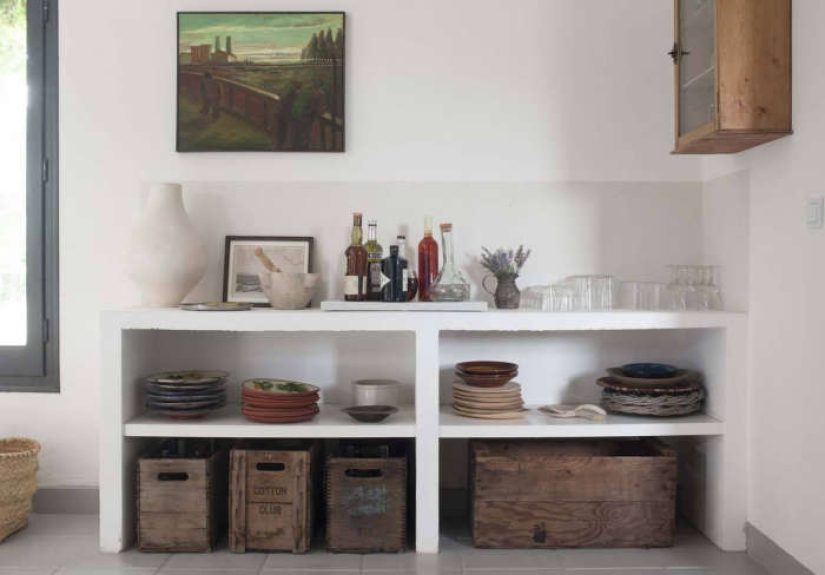
A home built around slow pursuits often includes practical beauty: open shelves for ceramics, a sturdy table for puzzles or mending, hooks for aprons, baskets for yarn, seed packets tucked into a drawer, and lighting that flatters both people and paperback books. It values use, comfort, and story. It does not need to be expensive. In fact, some of the best slow spaces are assembled gradually, from secondhand finds, handmade objects, and things that earn their place over time.
This is why slow pursuits resonate so strongly with design-minded readers. They are not only hobbies. They are lifestyle clues. They suggest a different answer to the question, “What should my home do for me?” Instead of performing status, the home can support restoration.
How to start a slow pursuit without turning it into homework
Choose texture over ambition
Pick the activity that sounds pleasant, not impressive. If sourdough starter gives you performance anxiety, choose rosemary focaccia. If knitting a sweater feels like a lifetime commitment, make a crooked coaster. Joy is a better entry point than mastery.
Keep the setup ridiculously easy
The best slow pursuit is the one you can begin without a 14-step ritual. Keep a journal on the nightstand. Leave your binoculars by the door. Store your watercolor kit in one box. Friction is the enemy of hobbies.
Make a small home for it
You do not need a dedicated studio. A tray, tote, corner shelf, or drawer is enough. The more visible and accessible your materials are, the more likely you are to use them. This is why the “analog bag” idea has caught on: it makes screen-free leisure feel ready instead of aspirational.
Let yourself be average
This may be the most important rule of all. You are allowed to be bad at your hobby. In fact, being a little bad at it is healthy. It reminds you that not everything exists to be measured, ranked, or posted. Sometimes the point is simply to enjoy being a beginner.
What slow pursuits teach us
At their best, slow pursuits teach patience without preaching it. They make repetition feel soothing, not boring. They remind us that attention is a form of affection. When you tend a plant, finish a puzzle, write a page by hand, or finally identify the bird making that oddly judgmental chirp outside your window, you are practicing something larger than a hobby. You are practicing how to stay present.
That may be why these pursuits feel less like a trend and more like a correction. They answer an exhaustion many people could not quite name. They make room for gentleness, curiosity, and ordinary pleasure. They also leave behind useful, beautiful things: bread, scarves, tomatoes, letters, bowls, memories, habits, and homes that feel more alive because life actually happens in them.
So yes, the current obsession is slow pursuits. Not because they are quaint. Not because they photograph well next to a candle. But because they offer something many people want more of: time that feels inhabited.
Experience Notes: What Slow Pursuits Feel Like in Real Life
Talk to enough people about slow pursuits and the stories start sounding familiar in the best way. Someone begins with a single tomato plant and ends the summer proudly handing out basil to neighbors like a tiny local produce mogul. Someone else buys a cheap notebook for journaling, misses three days, writes again, and realizes the point was never perfection. Another person takes up birdwatching during weekend walks and suddenly the same block they have lived on for years feels different, fuller, almost annotated.
One of the most common experiences is surprise. People expect a hobby to be mildly entertaining. They do not expect it to change the mood of a room. But it happens. A basket of yarn by the sofa makes an evening feel slower before anyone even picks it up. A half-finished puzzle on the dining table quietly invites return. A windowsill lined with herbs creates a tiny ritual around watering, trimming, and noticing new growth. Slow pursuits often begin as activities and become atmosphere.
Another common thread is that these hobbies make time feel more visible. After an hour of scrolling, it can be hard to remember what you actually consumed. After an hour of baking, reading, mending, sketching, or writing letters, something remains. Maybe it is tangible, like a loaf of bread or a finished page. Maybe it is subtler, like feeling less scattered. Either way, the hour leaves a trace.
There is also a specific pleasure in being gently absorbed. People describe crocheting for 20 minutes and realizing their shoulders dropped for the first time all day. They talk about watering plants before work and feeling oddly steadier. They mention the satisfaction of learning bird names, pressing flowers into a journal, or sitting in a chair with a real book while the phone stays in another room. None of it sounds dramatic. That is exactly why it matters. Slow pursuits tend to improve life from the edges inward.
Of course, the experience is not always romantic. Bread fails. Seedlings flop. Clay cracks. Sweaters become abstract geometry. The letter you meant to mail sits on the entry table for a week. But even those imperfect moments become part of the appeal. Slow pursuits do not ask you to look polished. They ask you to keep showing up. Their rewards are cumulative: a little more patience, a little more confidence, a little more ease in your own company.
And perhaps that is the deepest experience people describe: these hobbies make home feel less like a storage unit for tired people and more like a place where life is practiced. A kitchen becomes a place to ferment, stir, and taste. A corner chair becomes a reading ritual. A balcony becomes a mini garden. A walk becomes an encounter with weather, trees, and birds instead of a transition between errands. Once that shift happens, slow pursuits stop feeling like extras. They become part of how a person wants to live.
Conclusion
Current obsessions: slow pursuits is more than a charming phrase. It captures a real cultural desire for tactile, meaningful, and lower-pressure ways to spend time. Whether that means gardening, journaling, clay work, baking, birding, mending, or building a simple screen-free corner at home, the goal is not to escape life. It is to experience more of it. Slowly, intentionally, and with both hands involved whenever possible.