Table of Contents >> Show >> Hide
- What Is Curry Risotto?
- Key Ingredients for the Best Curry Risotto
- Simple Curry Risotto Recipe (Serves 4)
- Step-by-Step: How to Make Curry Risotto
- Tips for Perfect Curry Risotto Every Time
- Flavor Variations You Can Try
- Make-Ahead, Storage, and Reheating
- Serving Ideas
- Real-Life Curry Risotto Experiences and Extra Tips
If creamy Italian risotto and cozy Indian or Thai-style curry had a baby, it would be this bowl: rich, golden, a little spicy, and completely impossible to stop eating. A good curry risotto recipe gives you the best of both worldssilky, restaurant-level risotto texture with warm curry flavor that tastes like a hug in a bowl.
The best part? You don’t need a culinary degree, a copper pot, or the patience of a saint. With the right rice, hot broth, and a few smart flavor boosters, you can turn simple pantry staples into a fancy-looking dinner that’s secretly very weeknight-friendly.
What Is Curry Risotto?
Traditional risotto is an Italian rice dish made with short-grain rice slowly cooked in broth until it becomes creamy and tender, then finished with butter and Parmesan. Curry risotto keeps that same technique but adds curry flavorsusually curry powder or curry paste plus aromatics like garlic and ginger. You still get the familiar risotto creaminess, but with a gorgeous yellow or red color and a punchy, aromatic flavor.
Think of it as fusion comfort food: Italian technique meets Indian or Thai spice. You can keep it vegetarian, make it vegan with coconut milk, or add protein like chicken, shrimp, tofu, or chickpeas. It’s flexible, forgiving, and way more interesting than another plain pot of rice.
Key Ingredients for the Best Curry Risotto
1. The Rice
For risotto, the type of rice really matters. Look for:
- Arborio rice – The most common risotto rice in U.S. grocery stores. It’s starchy and gives you that classic creamy texture.
- Carnaroli rice (if you can find it) – Often called the “king of risotto” because it holds its shape well and gives an ultra-creamy result. Great if you want a slightly firmer bite in your rice.
Long-grain rice (like basmati or jasmine) won’t work the same way hereit doesn’t release enough starch and your risotto will end up soupy, not silky.
2. Curry Flavor
You have a few delicious options:
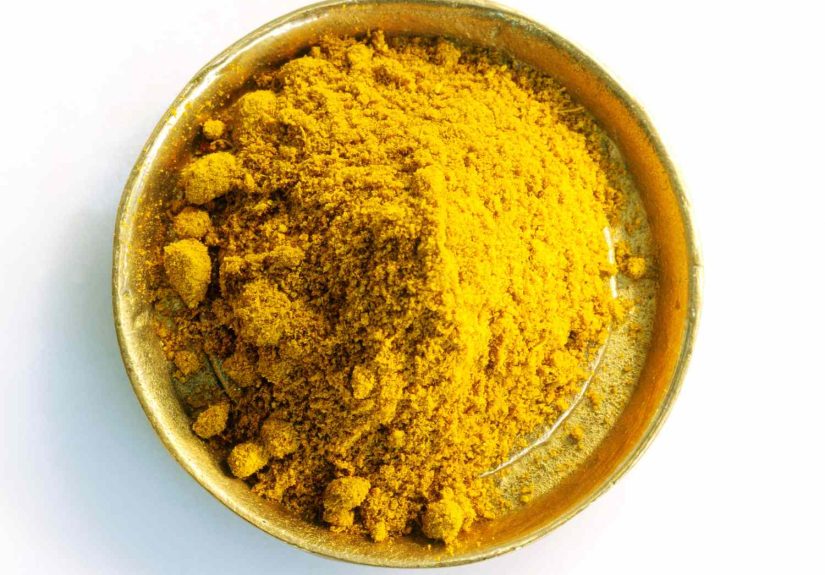
- Curry powder – Easiest option for pantry-friendly curry risotto. Mild or medium blends work best for a wide audience.
- Thai curry paste (red or green) – For a bolder, more aromatic twist. Pairs beautifully with coconut milk.
- Additional spices – Ground turmeric, cumin, or coriander can deepen the flavor and color.
Start with a moderate amount of curry and adjust to taste. Curry flavors concentrate as the risotto reduces, so it’s easy to go from “nicely warm” to “fiery” if you dump in half the jar.
3. Aromatics & Liquid
- Aromatics: Onion or shallot, garlic, and (optional) fresh ginger set the flavor base.
- Wine: A splash of dry white wine adds brightness and balances the richness. If you don’t use alcohol, you can skip it and add a squeeze of lemon at the end.
- Broth: Vegetable or chicken broth works well. Keep it hot in a separate pot so it doesn’t cool the rice each time you add a ladle.
- Coconut milk or cream: Optional but highly recommended for a curry-style risotto. It adds richness and a subtle sweetness that complements the spices.
4. Finishing Ingredients
- Butter or vegan butter – Stirred in at the end for extra creaminess.
- Parmesan cheese (or a vegan alternative) – For a savory, umami finish if you’re going for an Italian–Indian fusion vibe.
- Fresh herbs & acidity – Cilantro, basil, or parsley plus a squeeze of lime or lemon wake up the flavors right before serving.
Simple Curry Risotto Recipe (Serves 4)
Ingredients
Base
- 1 tablespoon olive oil
- 1 tablespoon butter (or more olive oil for dairy-free)
- 1 small yellow onion, finely chopped
- 3 cloves garlic, minced
- 1 tablespoon freshly grated ginger (optional but tasty)
Rice & Curry
- 1 1/2 cups Arborio or Carnaroli rice
- 1–2 tablespoons curry powder or 2–3 tablespoons Thai red or green curry paste (adjust to heat level)
- 1/2 cup dry white wine (or extra broth)
Liquid & Finishing
- 4–5 cups hot vegetable or chicken broth
- 1 cup full-fat coconut milk (canned), well shaken
- 2 tablespoons butter (or vegan butter), cut into small pieces
- 1/2 cup freshly grated Parmesan cheese (optional, skip for dairy-free or if using Thai curry)
- Salt and freshly ground black pepper, to taste
- Juice of 1/2 lemon or lime
- Fresh cilantro, basil, or parsley, chopped, for garnish
Optional Add-Ins
- 1 cup cooked chickpeas or tofu cubes (for a vegetarian protein boost)
- 1 cup small shrimp or diced chicken (cooked separately and folded in at the end)
- 1 cup peas, diced carrots, or small cauliflower florets
Step-by-Step: How to Make Curry Risotto
- Heat the broth. In a small pot, bring your broth to a gentle simmer and keep it warm over low heat. Warm broth helps the rice cook evenly and keeps the risotto creamy instead of gluey.
- Sauté the aromatics. In a wide, heavy-bottomed saucepan or skillet, heat the olive oil and 1 tablespoon butter over medium heat. Add the chopped onion and cook for 3–4 minutes until soft and translucent. Add garlic and ginger and cook for another 1–2 minutes until fragrant, stirring often.
- Toast the curry and rice. Stir in your curry powder or curry paste and cook for about 30–60 seconds. This “blooms” the spices and deepens their flavor. Add the rice and stir for 1–2 minutes until the grains look slightly translucent around the edges. This toasting step helps the rice keep its shape and adds a subtle nutty note.
- Deglaze with wine. Pour in the white wine and stir until most of the liquid has evaporated. You should smell a gentle sweetness instead of harsh alcohol.
- Start adding broth. Add one ladleful (about 1/2 cup) of hot broth to the rice. Stir gently but consistently, scraping the bottom of the pan so nothing sticks. When the liquid is mostly absorbed and you can see the bottom of the pan as you stir, add the next ladle of broth.
- Repeat and relax. Continue adding broth a ladle at a time, stirring regularly, for about 18–20 minutes. The rice should gradually release starch and create a creamy sauce around the grains. Taste a kernel now and then; it should be tender with a slight chew, not crunchy in the center.
- Add the coconut milk. When the rice is nearly done (still a little firmer than you want for serving), stir in the coconut milk. Let it simmer and reduce gently for a few minutes. The risotto should look creamy and slightly looseit will thicken more as it sits.
- Fold in add-ins. If you’re using cooked chickpeas, tofu, shrimp, chicken, or vegetables, fold them in now so they warm through without overcooking.
- Finish with butter, cheese, and acidity. Remove the pan from the heat. Stir in the remaining 2 tablespoons of butter and the Parmesan (if using) until melted and glossy. Adjust seasoning with salt, pepper, and a squeeze of lemon or lime juice. The citrus keeps the dish from tasting heavy and brings out the curry flavor.
- Serve immediately. Spoon the curry risotto into warm bowls and top with fresh herbs. If you want to be extra fancy, add a drizzle of coconut milk or a sprinkle of crispy onions on top.
Tips for Perfect Curry Risotto Every Time
- Keep the broth hot. Cold broth cools the pan each time you add it, making the rice cook unevenly and stretch out the cooking time.
- Stir, but don’t panic-stir. You don’t need to stir nonstop like it’s a workout video. Gentle, regular stirring is enough to release starch and prevent sticking.
- Don’t overcook the rice. When the rice is soft but still has a slight bite in the center, you’re done. Overcooked risotto turns mushy instead of luxuriously creamy.
- Think “creamy but pourable.” Proper risotto should slowly flow if you tilt the plate, not stand up in a stiff mound. If it looks too thick, stir in a splash of hot broth to loosen it.
- Add vegetables at the right time. Harder veggies (like carrots or cauliflower) can go in halfway through. Peas or spinach are best added in the last minute so they stay bright and fresh.
- Balance richness with acidity. Coconut milk, butter, and cheese are delicious but heavy. A little lemon or lime juice makes everything taste brighter and more complex.
Flavor Variations You Can Try
1. Coconut Red Curry Risotto with Shrimp
Use Thai red curry paste instead of curry powder and stir in extra coconut milk. Top with sautéed shrimp, fresh basil, and lime wedges. It feels like a fancy restaurant dish but still uses one pan.
2. Green Curry Veggie Risotto
Swap in Thai green curry paste and add peas, baby spinach, and small broccoli florets. Finish with lime and cilantro for a super-satisfying vegetarian main.
3. Chickpea Curry Risotto
Use curry powder, add a can of drained chickpeas and some diced carrots, and skip the cheese for a dairy-free, protein-packed, budget-friendly dinner. Leftovers are excellent for lunch the next day.
Make-Ahead, Storage, and Reheating
Risotto is at its best right off the stove, but leftovers are still delicious with a little love:
- Storage: Cool quickly and store in an airtight container in the fridge for up to 3 days.
- Reheating on the stovetop: Add a splash of broth or water to a skillet, stir in the risotto, and warm gently over low heat. Add more liquid as needed to bring back the creamy texture.
- Microwave option: Place the risotto in a microwave-safe bowl, add a spoonful of water or broth, cover loosely, and reheat in short bursts, stirring between each.
- Don’t re-boil. High heat can make the rice break down and turn gummy, so keep things gentle.
Serving Ideas
- Serve curry risotto in shallow bowls topped with herbs and a wedge of lime or lemon.
- Add a crisp side salad with something tangy (think vinaigrette with citrus) to contrast the richness.
- For a dinner party, serve smaller portions as a starter and follow with grilled fish or roasted vegetables.
Real-Life Curry Risotto Experiences and Extra Tips
Curry risotto is one of those dishes that turns you into “that person” who quietly smiles when someone says, “Risotto is too hard; I only order it at restaurants.” Once you’ve made it a couple of times, you realize it’s more about rhythm than skillladle, stir, taste, repeat. The curry twist actually makes it easier, because the bold flavor is very forgiving.
The first time many home cooks try curry risotto, they’re surprised by how customizable it is. Didn’t thaw the chicken? Toss in a can of chickpeas. Forgot to buy Parmesan? The coconut milk alone can deliver all the creaminess you need. Have some lonely carrots or spinach in the fridge? Congratulations, you’ve just invented a “new version” you can brag about.
One of the best “aha” moments with this recipe usually happens when you realize you don’t have to stir nonstop like a cooking show contestant under a timer. Yes, stirring is important, but you can absolutely take quick breaks to chop herbs, set the table, or gently judge your life choices. As long as you come back every minute or so to give the pot some attention, the risotto will treat you kindly.
Another common lesson: curry flavor builds over time. If you taste your risotto halfway through and panic that it’s “not curry enough,” be careful about doubling the spices too quickly. As the sauce reduces and the coconut milk blends in, that flavor intensifies. It’s usually better to add curry in small passes and give it a couple of minutes to develop before deciding it needs more. Your future self (and your spice-sensitive dinner guests) will thank you.
Many people also discover that curry risotto is a great “bridge dish” for picky eaters or folks who think they don’t like curry yet. The creamy texture and familiar rice base make it approachable, and you can keep the heat level low while still offering lots of flavor. Serve toppings on the sidechopped herbs, chili oil, crispy onions, lime wedgesso everyone at the table can customize their bowl. It feels interactive and a little special, even on a Tuesday.
If you cook regularly, you’ll probably notice how well this recipe fits into real life. Busy night? Use pre-chopped veggies, canned chickpeas, and jarred curry paste. Weekend cooking mood? Toast whole spices, make a homemade curry blend, and simmer your own stock. Either way, the basic method stays exactly the same, so you’re getting better and more confident every time you make it.
Finally, don’t underestimate leftover curry risotto. The next day, you can reheat it with a splash of broth until creamy again, or you can go full brunch genius and turn it into crispy risotto cakes. Scoop a bit of cold risotto, form small patties, pan-fry them in a thin layer of oil until golden, and top with a dollop of yogurt or sour cream and fresh herbs. Suddenly, last night’s experiment becomes today’s “signature dish.”
In short, a good curry risotto recipe doesn’t just give you one meal. It gives you a reliable template for cozy, flavorful dinners, flexible fridge clean-outs, and leftover glow-ups. Once you’ve made it a couple of times, you’ll probably start tweaking it without even thinking about itand that’s when you know it has officially joined your personal comfort-food hall of fame.