Table of Contents >> Show >> Hide
- What Is Dapsone (Avlosulfon)?
- Uses: What Dapsone Treats
- Dapsone Dosage & How to Take It
- Pictures: What Dapsone Looks Like
- Warnings: When Dapsone Needs Your Full Attention
- Side Effects: What’s Common vs. What’s “Call Now”
- Drug & Product Interactions
- Who Should Be Extra Careful With Dapsone?
- Monitoring: The Lab Work Is Not Optional Drama
- Practical Safety Tips for Everyday Use
- of Real-World Experiences (What People Commonly Notice)
- Conclusion
Dapsone (brand name Avlosulfon) is one of those medications that’s been quietly saving the day for decadessometimes for the skin, sometimes for infections, and sometimes for preventing serious pneumonia in people who are immunocompromised. It can also be a bit… dramatic. Dapsone can affect your blood, your liver, and (rarely) your skin in ways that deserve real respect. The goal of this guide is to keep things clear, useful, and not scarywhile still treating the “warnings” section like it’s the main character (because it kind of is).
This article covers what dapsone is used for, what it looks like, how it’s typically dosed, the side effects you actually need to watch for, and the interactions that tend to trip people up. It’s written for real-world readers: the “I’m holding my prescription bag and googling with one eyebrow raised” crowd.
What Is Dapsone (Avlosulfon)?
Dapsone is a medication in the sulfone family. It has antibacterial and anti-inflammatory effects, which is why it shows up in both infectious disease and dermatology. You’ll most commonly see it as:
- Oral tablets (taken by mouth)
- Topical gel (applied to the skin for acne)
Avlosulfon is best known as a brand for oral dapsone, though generic forms are widely used.
How It Works (In Plain English)
Dapsone can slow or stop certain bacteria from growing, and it can calm down parts of the immune system that drive inflammation in some skin conditions. In other words: it can fight germs and chill out angry skintwo jobs, one medication, no cape.
Uses: What Dapsone Treats
1) Dermatitis Herpetiformis (DH)
Dapsone is a classic treatment for dermatitis herpetiformis, a very itchy blistering rash linked to celiac disease and gluten sensitivity. Dapsone often relieves itching quickly, but it’s not a substitute for the real long-term strategy: a strict gluten-free diet. Many people use dapsone as a “bridge” medication while the diet does its slower, deeper work.
2) Leprosy (Hansen’s Disease), as Part of Combination Therapy
Dapsone is one of the key drugs used in multidrug therapy for leprosy. It’s generally used with other medications (not alone) to reduce resistance and improve cure rates. If you’ve ever wondered why medical guidelines repeat “combination therapy” like a mantra, leprosy is a big reason.
3) Prevention of Pneumocystis Pneumonia (PCP/PJP) in High-Risk Patients
In people with weakened immune systems (for example, certain patients living with HIV or those receiving immunosuppressive therapies), dapsone can be used to help prevent Pneumocystis jirovecii pneumonia when the standard first-choice option isn’t a fit.
4) Acne (Topical Dapsone Gel)
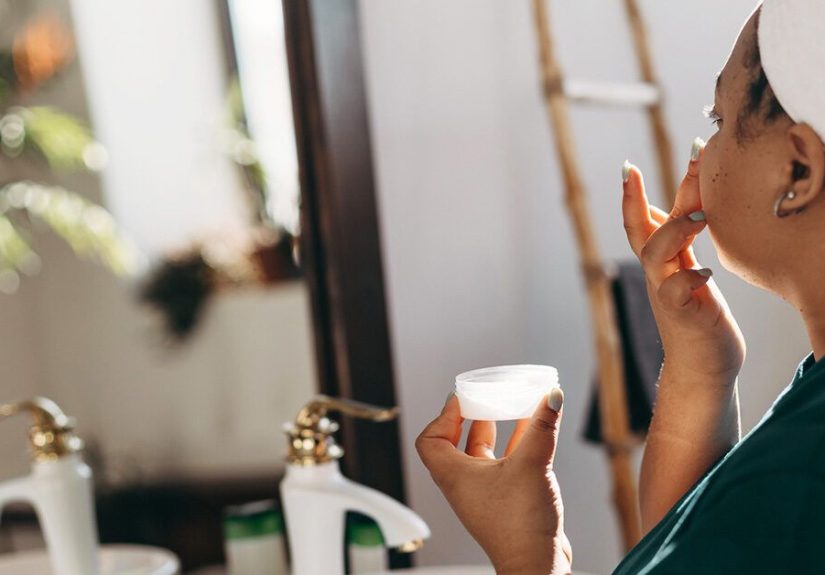
Topical dapsone gel is used for acne vulgaris. It’s especially common for inflammatory acne (red bumps) and is often part of a bigger routine that may include retinoids, moisturizers, and sunscreen. The gel is not the same as oral dapsonedifferent absorption, different risk profilebut some warnings still matter.
Other Uses (Sometimes “Off-Label”)
Depending on your situation, a specialist may prescribe dapsone for other inflammatory skin conditions. “Off-label” doesn’t automatically mean “weird” or “unsafe”it often means “the evidence exists, but the label didn’t catch up.” Still, dosing and monitoring should be handled by a clinician who knows the territory.
Dapsone Dosage & How to Take It
Important: The right dose depends on why you’re taking dapsone, your age, other medications, and your lab results. Never change your dose or restart it after stopping without medical advicethis is not the kind of medication that loves surprises.
Typical Oral Dosing (Common Examples)
- Dermatitis herpetiformis (adults/teens): Often starts low (commonly 50 mg daily) and may be increased until symptoms are controlled, sometimes up to higher doses. Then it’s reduced to the lowest dose that still works.
- Leprosy (adults): Often 100 mg daily as part of combination therapy (duration depends on the regimen and disease classification).
- PCP/PJP prophylaxis (adults/adolescents): Often 100 mg daily (or other schedules depending on the protocol and companion meds).
Topical Dapsone Gel Dosing
Topical dosing depends on the product strength and instructions. Many regimens involve applying a thin layer to affected acne areas once daily (some products differ). Use it on skin only and wash hands after applying.
Tips for Taking Oral Dapsone
- Take it consistently at the same time each day if you’re on daily dosing.
- Food rules: Many people can take it with or without food. If it upsets your stomach, taking it with food may help.
- Missed dose: Take it when you remember unless it’s close to your next dose. Don’t double up “to catch up.”
Pictures: What Dapsone Looks Like
Dapsone tablets are commonly available in 25 mg and 100 mg strengths. Tablet shape, color, and imprint vary by manufacturer and country.
Smart safety move: If you’re ever unsure you have the right medication, use the pill imprint (letters/numbers) and ask a pharmacist. Never rely on color alonemanufacturers love to switch things up without sending your brain a courtesy memo.
Topical dapsone comes as a gel in a tube or pump packaging, and the label will specify the strength (for example, 5% or 7.5%).
Warnings: When Dapsone Needs Your Full Attention
If dapsone had a dating profile, it would say: “Low drama most days, but if I get dramatic, it gets real fast.” The most important warnings involve blood cells, oxygen-carrying capacity, and serious skin reactions.
1) Blood Disorders (Low White Cells, Low Platelets, Severe Anemia)
Dapsone can cause serious blood problems, including dangerously low white blood cell counts (agranulocytosis) and other blood disorders. Your prescriber may order regular blood countsespecially early in treatment.
Call your clinician right away if you develop symptoms that could signal a blood problem, such as:
- Fever or chills
- Sore throat
- Unusual bruising or bleeding
- Extreme fatigue, weakness, or paleness
2) Hemolytic Anemia (Red Blood Cells Breaking Down)
Dapsone can cause hemolysis (breakdown of red blood cells). This can happen even in people without a known enzyme deficiency, but the risk is higher if you have G6PD deficiency. In some cases, clinicians will test for G6PD deficiency before starting dapsone, especially when higher-risk scenarios apply.
3) Methemoglobinemia (Reduced Oxygen Delivery)
Methemoglobinemia is a condition where blood can’t carry oxygen as efficiently. It can occur with oral dapsone and has also been reported (rarely) with topical use.
Seek urgent medical care if you notice signs that suggest low oxygen, such as:
- Blue/gray color of lips, nail beds, or inside the mouth
- Shortness of breath not explained by exertion
- Dizziness, headache, unusual fatigue
Pro tip: Pulse oximeters can be misleading in methemoglobinemia. If you feel “off” and look gray/blue, trust the symptoms, not the gadget.
4) Serious Skin Reactions & Hypersensitivity
Rare but severe reactions can include widespread rash, blistering, peeling, and systemic hypersensitivity syndromes that involve organs (like the liver). If you develop a new rash with fever or feel seriously unwell, stop the medication only if instructed and seek medical evaluation immediatelyespecially if symptoms are intense.
5) Liver Problems
Dapsone can affect the liver. Warning signs include yellowing of the skin or eyes (jaundice), dark urine, severe nausea/vomiting, persistent abdominal pain, or unusual tiredness. Clinicians may check liver function tests at baseline and during therapy.
Side Effects: What’s Common vs. What’s “Call Now”
Common (Often Manageable) Side Effects
- Nausea, stomach upset
- Headache
- Loss of appetite
- With topical gel: dryness, redness, peeling, mild irritation
If common side effects are bothersome, don’t tough it out in silenceyour clinician may adjust the dose, timing, or overall regimen.
Serious Side Effects (Do Not Ignore)
- Fever, sore throat, or signs of infection
- Unusual bruising/bleeding, purple spots, severe fatigue
- Shortness of breath, blue/gray lips or nails
- Widespread rash, blistering, peeling, or rash with fever
- Yellow skin/eyes, dark urine, severe abdominal pain
- New numbness, tingling, or muscle weakness (possible neuropathy)
Drug & Product Interactions
Dapsone’s interactions can be grouped into two big categories: (1) medications that change dapsone levels and (2) medications that increase the risk of dapsone’s most serious side effects.
Medications That May Affect Dapsone Levels
- Rifampin can significantly lower dapsone levels (this is sometimes expected in leprosy combination therapy).
- Some antiretrovirals and other specialized drugs may require closer monitoring depending on the regimen.
Medications That May Increase Blood-Related Risks
- Folic acid antagonists (for example, certain regimens using pyrimethamine) can increase the risk of hematologic reactions, so monitoring is especially important.
- Other “methemoglobin-inducing” agents (certain anesthetics and other drugs) may raise the risk of methemoglobinemia.
Topical Dapsone + Benzoyl Peroxide: The “Orange Surprise”
If you use topical dapsone gel and then apply a benzoyl peroxide product, you may get a temporary yellow/orange discoloration of the skin or facial hair at the application site. It’s not usually dangerous, but it can be startlinglike your acne routine suddenly decided to cosplay as a traffic cone.
If you need both products, ask a dermatologist how to space them out or choose alternatives.
Who Should Be Extra Careful With Dapsone?
People With G6PD Deficiency (or Unknown Status)
Because of the risk of hemolysis, clinicians often consider G6PD testing before starting dapsone in certain scenarios. If you have known G6PD deficiency, make sure every prescriber knows that upfront.
People With Heart or Lung Disease
Conditions that limit oxygen delivery can make hemolysis or methemoglobinemia more dangerous. Your clinician may be more cautious with dosing and monitoring.
Pregnancy & Breastfeeding
Medication decisions in pregnancy and breastfeeding are individualized. Dapsone has been used in pregnancy when clearly needed, but risks and benefits should be weighed carefully. Always discuss pregnancy plans, current pregnancy, or breastfeeding with your prescriber before starting or continuing dapsone.
Children and Teens
Dapsone dosing in younger patients is highly indication-specific. Topical gel products also have age guidance that depends on the formulation. Use only under clinical direction.
Monitoring: The Lab Work Is Not Optional Drama
With many medications, lab tests are “nice to have.” With dapsone, monitoring is more like “part of the deal.” Depending on your indication and risk factors, clinicians may order:
- Complete blood count (CBC) regularly (often more frequently early on)
- Liver function tests (LFTs)
- G6PD testing (in appropriate patients)
- Additional tests if symptoms suggest hemolysis or methemoglobinemia
If your clinician schedules labs, treat them like a safety net, not a suggestion.
Practical Safety Tips for Everyday Use
- Tell every clinician you’re on dapsone (especially before procedures or new prescriptions).
- Don’t “push through” fever, sore throat, or a new rashcheck in early.
- Avoid DIY medication combos (including over-the-counter products) without asking, especially if you’re on topical dapsone.
- Keep a symptom log for the first couple of months if you’re starting oral dapsoneit helps you and your clinician spot patterns quickly.
of Real-World Experiences (What People Commonly Notice)
People’s experiences with dapsone tend to fall into two categories: “Wow, that helped fast” and “Wait, why am I getting so many lab reminders?” Both can be true, and neither one is a red flag by itself.
For dermatitis herpetiformis, a common theme is relief. Many patients describe the itch as the kind that makes you question your life choices at 2 a.m. Dapsone can sometimes calm the itching and rash quicklyoften faster than diet changes can. That “quick win” can be emotionally huge, because it buys time for the gluten-free diet to start changing the deeper immune reaction. A lot of people also talk about a learning curve: the diet is the long-term foundation, but the medication can make life livable while the diet starts working. Some patients eventually find they can taper to a lower maintenance dose as their gluten-free routine becomes consistent.
For leprosy (Hansen’s disease), experiences are often shaped less by day-to-day symptoms and more by the structure of the treatment plan. Combination therapy can feel intense on paper, but many patients do well with close follow-up. People frequently describe the relief of having a clear planespecially once they learn that leprosy is curable and that early, consistent therapy helps prevent complications. The biggest “experience-based” lesson here is not glamorous: keep appointments, take medications as directed, and speak up early about side effects so the care team can adjust safely.
For PCP prophylaxis, dapsone can feel like a behind-the-scenes bodyguard. When it’s used to prevent pneumonia, the best-case scenario is boring: you take it, you feel fine, nothing happens. Some patients notice mild stomach upset or headaches early on, while others don’t feel a thing. What comes up most in real-life conversations is the importance of screening and monitoringespecially for people who didn’t realize a medication could impact blood cells or oxygen-carrying function. Patients who are well-prepared tend to feel less anxious: they know what symptoms matter, which labs are expected, and when to call.
For acne (topical gel), experiences are usually about skin texture and routine. Some people love that it can reduce inflammatory bumps without the same dryness profile as some acne staplesthough mild irritation still happens. A surprisingly common “story time” moment is the first accidental combo with benzoyl peroxide: someone applies dapsone, then their usual benzoyl peroxide product, and later wonders why their skin (or facial hair) looks faintly orange. It’s temporary, but it’s memorable. The practical takeaway people share is simple: don’t freestyle a skincare cocktailask how to layer products or alternate days if needed.
Across all uses, the most helpful experiences sound like this: patients who understand the warning signs don’t panicthey act appropriately. They don’t assume every symptom is catastrophic, but they also don’t ignore the ones that matter. With dapsone, that balance is basically the secret skill.
Conclusion
Dapsone (Avlosulfon) is a powerful, versatile medication used for conditions ranging from dermatitis herpetiformis and leprosy to pneumonia prevention in high-risk patientsand in topical form, acne. Its benefits can be significant, but its safety depends on smart use: the right indication, the right dose, the right monitoring, and quick attention to warning symptoms. If you’re taking dapsone, partner closely with your clinician, keep up with labs, and treat unusual symptoms like important informationnot an inconvenience. Your future self will thank you (and your red blood cells will, too).