Table of Contents >> Show >> Hide
- Style vs. Theme: What’s the Difference?
- How to Find Your Decorating Style Without Overthinking It
- The Big Decorating Styles (And How to Pull Them Off)
- Popular Decorating Themes You Can Layer Onto Any Style
- How to Mix Styles Without Making Your Home Look Confused
- Room-by-Room Examples That Actually Work
- Conclusion: The Real Secret to Great Decorating
- Experiences: What Decorating Styles and Themes Look Like in Real Life (The Part No One Brags About)
- The “I’m Minimalist… Except for My Stuff” Moment
- The “Transitional Saved My Relationship” Scenario
- The “My Rug Is Too Small” Comedy (Starring Everyone)
- The “Maximalism Isn’t Clutter… But It Can Become Clutter” Lesson
- The “Farmhouse, But Make It Not a Costume” Wake-Up Call
- The “Lighting Changed Everything” Surprise
If your home has ever felt like a group chat where every object is talking at once (the neon sign is yelling, the velvet pillow is whispering, and the
“inspirational” wall art is… just there), you’re not alone. Decorating is equal parts creativity and decision fatigue. The good news: you don’t need a
design degreeor a spare wing in your housefor your space to feel pulled together. You just need a clear direction.
This guide breaks down the most popular decorating styles and themes, how to recognize them, and how to use them without turning your living room into a
showroom or a storage unit with throw pillows. You’ll also get practical mixing tips and room-by-room examples so your home looks intentionalnot like you
decorated it by sprinting through a home goods store five minutes before closing.
Style vs. Theme: What’s the Difference?
Think of style as the “grammar” of a roomshapes, lines, materials, furniture silhouettes, and the overall design language. A
theme is the “story” you’re tellingcoastal, botanical, vintage library, desert retreat, etc. You can have a modern style with a coastal
theme, or a traditional style with a botanical theme. When you separate the two, decorating gets easier because you stop trying to force everything to match
and start choosing what supports the bigger plan.
How to Find Your Decorating Style Without Overthinking It
1) Look for repeats in what you already like
Save photos of rooms you love. Then scan for patterns: Do you keep pinning light woods and white walls? You might be leaning Scandinavian or Japandi. Do you
keep saving rooms with crown molding and classic sofas? Traditional or transitional might be your lane.
2) Pick a “non-negotiable” and a “flex zone”
Your non-negotiable could be “I need a comfy sofa,” “I hate clutter,” or “I want color.” Your flex zone is where you experimentpillows, art, paint, rugs,
and accessories. This keeps you from designing a room that’s gorgeous but impossible to live in.
3) Use the 80/20 rule
Aim for about 80% of one primary style and 20% of a secondary style. That’s the difference between “curated blend” and
“yard sale, but make it anxious.”
The Big Decorating Styles (And How to Pull Them Off)
Traditional
Traditional style is rooted in classic proportions, rich materials, and details that feel timeless: tailored upholstery, wood furniture, elegant lighting,
and symmetrical layouts. Patterns (plaids, florals, stripes) often show up in a polished way. If you like spaces that feel established and “finished,” this
might be you.
- Try this: Pair a classic rolled-arm sofa with warm wood side tables and framed art in matching finishes.
- Theme match: Vintage, library, equestrian, holiday classic.
Modern
Modern style is not just “current.” It’s a design approach that emphasizes clean lines, simplicity, and purposeful form. You’ll see minimal ornamentation,
solid colors, and materials like glass, metal, stone, and smooth woods. The vibe is calm, not coldat least, it should be.
- Try this: Keep a tight color palette (two neutrals + one accent) and let texture do the work.
- Theme match: Gallery, monochrome, desert modern, zen.
Contemporary
Contemporary style is “of-the-moment” and evolves over time. It often borrows from modern (clean lines) but can be softer and more flexiblethink sculptural
furniture, layered neutrals, and a mix of sleek and cozy elements.
- Try this: Add one bold shape: a curved sofa, an arched mirror, or a statement pendant.
Transitional
Transitional design is the friendly diplomat of decorating stylesit blends traditional warmth with contemporary simplicity. You’ll see classic silhouettes
with cleaner lines, neutral palettes, and layered textures that feel calm but not boring. It’s great for households where one person loves “classic” and the
other loves “modern,” and both want to stay married.
- Try this: Put a clean-lined sofa next to a pair of vintage chairs; keep colors quiet and textures interesting.
- Theme match: Modern heritage, quiet luxury, soft coastal.
Mid-Century Modern
Mid-century modern leans on organic shapes, tapered legs, warm woods (like walnut), and functional design. It’s playful but structuredlike a well-tailored
blazer that also knows how to dance.
- Try this: Start with one hero piece (a credenza, lounge chair, or dining table) and build around it with simple accessories.
- Theme match: Retro, Palm Springs, atomic age, “record player lives here.”
Scandinavian
Scandinavian style favors bright, airy spaces, practical furniture, and cozy textures. Expect light woods, soft neutrals, and a “less but better” approach
that still feels warm thanks to textiles (wool, linen, knits) and natural elements.
- Try this: White or pale walls, light wood furniture, a simple rug, and layered lighting (overhead + table + floor).
- Theme match: Minimal cozy, nature, winter calm.
Japandi
Japandi sits between Japanese and Scandinavian influenceslow profiles, natural materials, and quiet, thoughtful styling. It’s minimal, but not sterile; it
values craftsmanship and “intentional emptiness” (the rarest luxury: space).
- Try this: Choose warm neutrals, add wood and stone, and keep décor meaningfulfewer items, better items.
- Theme match: Zen spa, tea house, wabi-sabi-inspired calm.
Modern Farmhouse
Modern farmhouse blends rustic character with contemporary finishes. Picture reclaimed or weathered wood, cozy textiles, and vintage touches paired with
cleaner lines, lighter palettes, and modern lighting. Done well, it’s welcoming and practical. Done poorly, it’s “I bought every sign that says ‘gather.’”
- Try this: Mix a rustic wood island or table with polished stone counters, and use black metal accents for contrast.
- Theme match: Country comfort, cottage, seasonal harvest.
Industrial
Industrial style pulls from warehouses and factories: exposed brick, metal finishes, concrete, and utilitarian shapes. It’s bold and graphic, and it pairs
surprisingly well with softer elements like leather, warm wood, and textiles.
- Try this: Add industrial lighting, a metal-and-wood coffee table, and one vintage-style rug to soften the edges.
- Theme match: Loft, workshop, urban vintage.
Coastal
Coastal style aims for light, breezy, and relaxed. It often uses airy fabrics, pale neutrals, ocean-inspired blues, and natural textures like rattan, jute,
and weathered woods. It can read “classic East Coast preppy” or “barefoot beach cottage,” depending on the finish level.
- Try this: White or sand walls, navy accents, linen curtains, and natural fiber rugskeep it clean, not kitschy.
- Theme match: Nautical, seaside cottage, California coastal.
Bohemian
Boho style celebrates layering: patterns, textures, global influences, plants, and collected pieces. The goal isn’t perfectionit’s personality. Think of it
as the design equivalent of a great playlist: eclectic, but with a vibe.
- Try this: Start with a neutral base, then layer rugs, pillows, and art in a cohesive color family so it feels curated, not chaotic.
- Theme match: Global traveler, desert boho, artist studio.
Art Deco and Glam
Art Deco leans into geometry, symmetry, and luxurious materialsvelvet, lacquer, metallics, marbleoften with bold contrast. Glam can be Art Deco-inspired
or more modern Hollywood Regency, but the throughline is polish and drama (in the best way).
- Try this: Add one statement: a geometric mirror, a velvet chair, or a brass-and-glass light fixture.
- Theme match: Old Hollywood, jewel box, cocktail lounge.
Minimalism
Minimalism isn’t “empty.” It’s intentional editing. The space relies on proportion, quality materials, and negative space. The trick is to keep it from
feeling harsh by adding texturelinen, wool, wood grainand warm lighting.
Maximalism
Maximalism is the joyful opposite of minimalism: more color, more pattern, more personality. The key is curation. You don’t just add stuffyou layer
thoughtfully. If minimalism says “breathe,” maximalism says “dance.”
- Try this: Pick a repeating elementone metal finish, one dominant color family, or a signature patternto unify the room.
- Theme match: Grandmillennial, eclectic salon, “collected over time.”
Eclectic
Eclectic style mixes eras and aesthetics while still feeling cohesive. The secret is consistency in at least two areasoften color palette and material. If
your brain likes variety but your eyes still want peace, eclectic is your sweet spot.
Popular Decorating Themes You Can Layer Onto Any Style
Themes are your “flavor.” They can be subtle (a color story) or bold (a full-on vibe). Here are a few that work across many interior design styles:
- Modern Heritage: Vintage/antique pieces blended with modern comfort and functiontimeless with personality.
- Country Club / Preppy Classic: Plaids, stripes, tailored furniture, rich wood, brass accents, and a polished-but-cozy feel.
- Biophilic / Nature-Inspired: Plants, natural textures, earthy palettes, and organic shapes.
- Monochrome: One main color in multiple shades, anchored by texture for depth.
- Vintage Revival: Thrifted finds, period silhouettes, and nostalgic touchesbalanced with modern lighting and layout.
- Global Collector: Handmade, artisan pieces and patternsanchored by a calmer base so it doesn’t feel like a museum gift shop.
How to Mix Styles Without Making Your Home Look Confused
Choose a “bridge” material
A bridge material repeats across pieces and keeps the mix cohesive. Examples: warm oak, matte black metal, brass, or a consistent stone finish.
Keep your palette disciplined (even if your décor isn’t)
You can mix styles freely if your colors are controlled. Try a base of neutrals and add 1–2 accent colors repeated across textiles, art, and small décor.
Match the “visual weight”
A delicate French chair next to a chunky overstuffed recliner can look like two different time zones. Balance heavy with heavy, light with light, or tie
them together with a shared color and nearby accessories.
Let one thing be the star
If your wallpaper is loud, let the furniture be quieter. If your sofa is sculptural, keep the rug calmer. Great rooms don’t shout in every direction at
once.
Room-by-Room Examples That Actually Work
Living Room
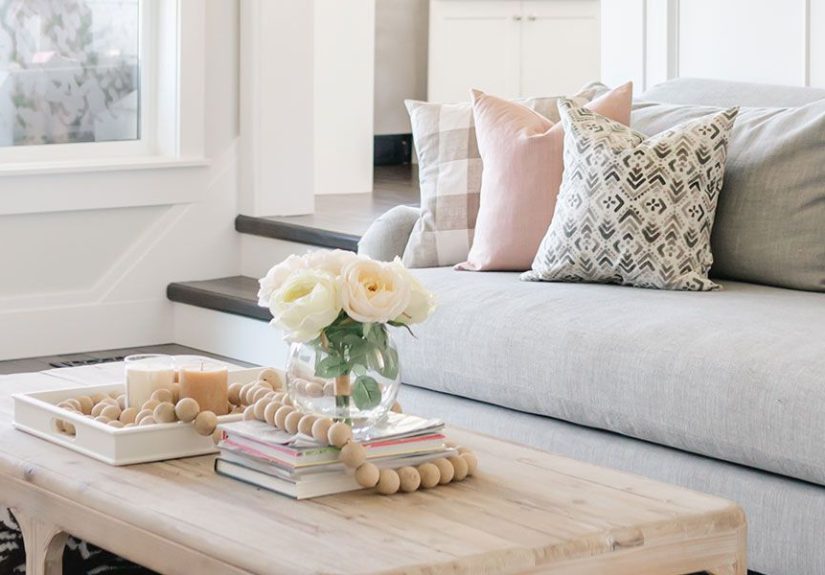
- Transitional: Neutral sofa + vintage wood coffee table + modern abstract art + textured rug.
- Maximalist: Patterned rug + bold sofa color + gallery wall + mixed pillows (but repeat at least one color across all).
- Scandinavian: Light wood, simple lines, cozy throws, and layered warm lighting.
Kitchen
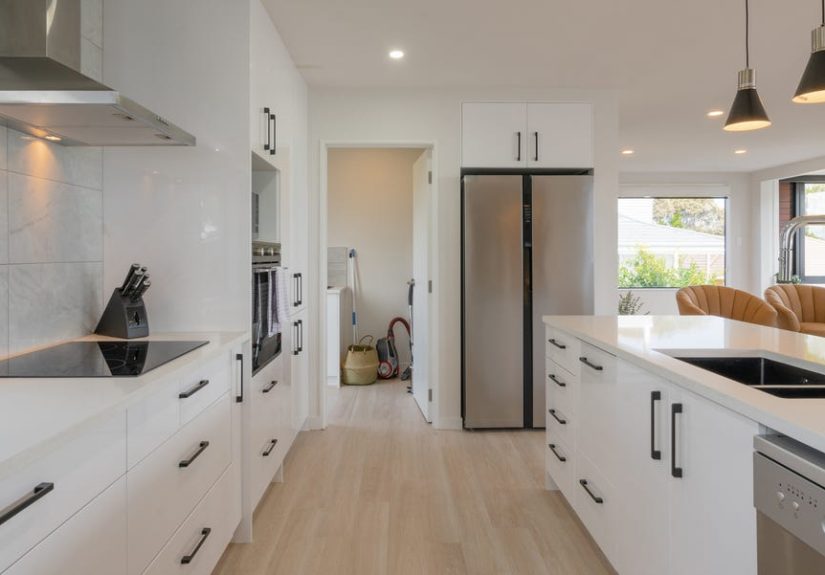
- Modern farmhouse: Shaker cabinets, warm wood accents, black hardware, and oversized lighting.
- Industrial: Metal stools, open shelving, matte finishes, and a vintage-style pendant.
- Contemporary: Clean surfaces, sculptural lighting, and a tight palette with one standout texture (stone, wood, or tile).
Bedroom
- Japandi: Low bed, natural textiles, minimal décor, and calming neutrals.
- Traditional: Upholstered headboard, layered bedding, and classic lamps with symmetry.
- Coastal: Light linens, soft blues, and natural texturesrelaxed, not themed-to-death.
Entryway
A small space can carry a big theme. A patterned runner and a mirror can set the tone fast. Just remember: the entryway is the handshake of your home. You
want “welcome,” not “jump scare.”
Conclusion: The Real Secret to Great Decorating
The best homes don’t follow rulesthey follow a point of view. Pick a primary style, layer a theme you love, and use color, texture, and lighting to create
cohesion. Then let your space evolve. Decorating isn’t a final exam. It’s more like a playlist: you’ll keep editing it as you discover what you truly like
(and what you impulse-bought at 2 a.m.).
Experiences: What Decorating Styles and Themes Look Like in Real Life (The Part No One Brags About)
Decorating sounds glamorous in theorychoose a vibe, buy a few “key pieces,” sip coffee while sunlight beams perfectly onto your new rug. In real life, it’s
more like: “Why does this paint look different every five minutes?” and “How did I measure the sofa twice and still lose?” If you’re trying to make
decorating styles and themes work in a lived-in home, here are common experiences that show up again and againand what they teach you.
The “I’m Minimalist… Except for My Stuff” Moment
Lots of people fall in love with minimalist or Scandinavian rooms onlineclean surfaces, calm colors, nothing extra. Then reality arrives: keys, backpacks,
chargers, mail, and that one mysterious screwdriver that lives on every kitchen counter in America. The lesson? Minimalism isn’t about having nothing; it’s
about having systems. A closed storage cabinet, a tray for daily clutter, and a basket for grab-and-go items can preserve the calm without forcing
you to pretend you don’t own a life.
The “Transitional Saved My Relationship” Scenario
A classic decorating challenge: one person wants sleek modern furniture, the other wants cozy traditional. Transitional style often becomes the peace treaty.
The shared win is a neutral base, streamlined shapes, and texture for warmth. For example, a clean-lined sofa can sit next to a traditional wood chest used
as a coffee table. Add a modern lamp and a vintage rug, and suddenly both sides feel seen. The bigger takeaway: the best theme isn’t “mid-century” or
“farmhouse”it’s “everyone is comfortable.”
The “My Rug Is Too Small” Comedy (Starring Everyone)
Rugs are where good themes go to get bullied. You can have perfect coastal colors or a flawless Art Deco mirror, but a tiny rug floating in the middle of
the room makes everything look accidental. People often buy rugs based on price or pattern, not scale, and then wonder why the space feels off. A simple fix:
in living rooms, aim for front legs of key furniture to sit on the rug. In bedrooms, make sure you can step onto rug on both sides of the bed. A properly
sized rug instantly makes your style choice look deliberate.
The “Maximalism Isn’t Clutter… But It Can Become Clutter” Lesson
Maximalism and eclectic themes are magnetic because they feel personal and joyful. But the line between “collected” and “chaotic” is thinlike a throw pillow
balancing act. The experience many people have is adding items that are individually amazing, yet together they compete. The fix usually isn’t “remove all
the fun.” It’s to create structure: repeat a few colors, group objects in threes, use matching frames for a gallery wall, and give the eye a resting place
with some solid-color zones. Curated maximalism feels intentional; random maximalism feels like your décor is arguing with itself.
The “Farmhouse, But Make It Not a Costume” Wake-Up Call
Modern farmhouse is cozy for a reasonwarm woods, practical pieces, and a welcoming vibe. The common real-life pitfall is leaning too hard into signs, themed
accessories, and “rustic” items that look like they were aged in a hurry. The best farmhouse rooms usually rely on fewer, stronger signals: a sturdy wood
table, classic cabinet fronts, matte black accents, and one or two vintage pieces with real character. The theme feels authentic when it’s built into
materials and shapesnot printed on a plaque.
The “Lighting Changed Everything” Surprise
People often focus on furniture and color, then realize the room still feels wrong. A frequent turning point is upgrading lighting: warm bulbs, layered
sources (overhead plus lamps), and a statement fixture that matches the style. Scandinavian rooms get cozy fast with soft lamps. Art Deco themes come alive
with dramatic metallic fixtures. Coastal spaces feel breezier with airy shades. If your style looks right in photos but weird at night, lighting is probably
the missing ingredient.
The biggest real-world takeaway: you don’t “pick a style” once and finish. You test, edit, live, and refine. Decorating styles and themes are toolsnot
rulesand the best rooms are the ones that look like real people happily exist there.