Table of Contents >> Show >> Hide
- What depression can look like when it shows up in ink
- The “deep drawing” toolbox: visual patterns that show up again and again
- Specific examples: artists who turned depression into drawings that speak
- Why drawings can say what people can’t (and why that matters)
- The mental health reality check: art is powerful, but it isn’t a substitute for care
- How to look at deep depression drawings without being weird about it
- If you want to try it: 10 “deep drawing” prompts that don’t require talent
- How to support someone who’s making depression art
- Conclusion: deep drawings don’t cure depressionbut they can cut through the silence
- Experiences people commonly describe around making “deep drawings” while depressed (extended)
- SEO Tags
Some drawings are pretty. Some are polite. And then there are deep drawingsthe kind that don’t ask for your approval so much as they quietly sit you down and say, “Okay, here’s what it feels like inside my head on a Tuesday.”
When an artist lives with depression, the work often becomes less about “making something nice” and more about making something true. Lines get heavier. Space gets louder. Faces look like they’re holding secrets they didn’t agree to keep. It’s not “sad art” as a vibeit’s an honest visual language for something that can be brutal to explain out loud.
What depression can look like when it shows up in ink
Depression isn’t just “feeling down.” Clinically, it can involve a persistent low mood and/or loss of interest, alongside changes in sleep, appetite, energy, focus, and self-worthoften long enough to disrupt daily life. In plain terms: it can hijack your motivation, your body, and your ability to feel like yourself, even when everything “should” be fine.
Artists often translate that experience into images because images can carry contradictions that words struggle with: numbness and panic, exhaustion and restlessness, isolation and craving connection. A drawing can hold all of that at once without needing to win an argument.
The “deep drawing” toolbox: visual patterns that show up again and again
Deep drawings created in the context of depression aren’t one stylethey’re a family of approaches. But certain visual patterns show up so often they almost feel like recurring characters in the story:
- Weight and pressure: thick lines, dense shading, and repeated marks that look like the page is being “pressed” into honesty.
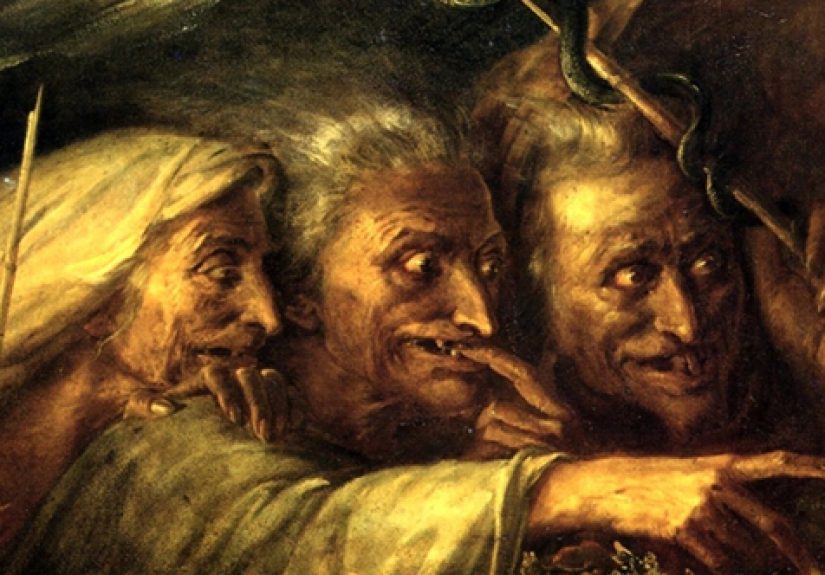
- Distorted self-portraits: faces split, smeared, masked, or doubledbecause identity can feel slippery when mood is hijacked.
- Empty space that isn’t peaceful: large blank areas that read as loneliness, numbness, or “I can’t access the rest of me today.”
- Symbolic objects: pills, clocks, beds, doors, cages, oceans, wireseveryday things that become emotional metaphors.
- Dark humor: captions or visual jokes that aren’t “making light,” but making room to breathe.
Deep drawings don’t always “look depressed.” Sometimes they’re bright and playful on the surfacethen you notice the eyes. (The eyes are always the snitch.)
Specific examples: artists who turned depression into drawings that speak
Mindy Alper: when drawing becomes a lifeline
One of the most striking real-world examples is American artist Mindy Alper, whose work and story have been discussed in major arts coverage and documented in film. Her drawings are intensely humanoften portrait-likeyet charged with anxiety, depression, and psychological intensity. They don’t feel like “illustrations of depression”; they feel like depression sat for a portrait and couldn’t stop fidgeting.
Alper’s story became widely known through the Oscar-winning documentary short Heaven Is a Traffic Jam on the 405, which presents how her art has functioned as a primary channel for expression and survival across severe episodes. The film and related coverage describe how her work transforms internal distressdepression, anxiety, traumainto drawings and sculpture with sharp emotional clarity.
What makes Alper’s drawings “deep” isn’t just the subject matter. It’s the sensation that the line itself is doing emotional labor. Like the ink is carrying a suitcase that words can’t lift.
Derek Hess: “31 Days in May” and the power of the daily drawing
Another approach to deep drawings comes from Derek Hess, a visual artist who created and shared a daily series tied to mental health themeslater collected as 31 Days in May. The core idea is deceptively simple: one drawing a day, each day, showing what mental illness and addiction can feel like from the inside.
The “daily practice” structure matters. Depression often convinces people they can’t finish anything. A daily drawing quietly pushes back: “I showed up today.” Sometimes that’s the whole victory. The drawings themselves deal with loneliness, relationships, suicidal thoughts, and emotional collapsenot as shock value, but as a record of real internal weather.
And because Hess shared the series publicly, the work turned into a conversationpeople didn’t just consume the drawings; they used them as a mirror to name feelings they hadn’t been able to describe.
Shawn Coss and the “Inktober” mental illness series: stylized, symbolic, unforgettable
Not all deep drawings are diaristic. Some are symbolicstylized “monsters,” portraits, or metaphors that capture how a disorder behaves rather than how it looks. Artist Shawn Coss gained attention for an “Inktober” mental illness series that used highly designed images to spark conversation and reduce stigma.
This style can be especially powerful for depression because depression often feels like an entity: a presence, a weight, a fog, a thief of color. Symbolic drawings make that “invisible thing” visible, which can be validating for the person living itand illuminating for people trying to understand it.
Why drawings can say what people can’t (and why that matters)
Depression can be isolating partly because it’s hard to explain without sounding like you’re “complaining,” “dramatic,” or “lazy” (none of which are accurate, and all of which are deeply unhelpful). That social pressure can make people go quiet.
Drawings skip the courtroom. They don’t need to prove anything. A page can simply state: “This is heavy.” And when someone else recognizes themselves in the image, something important happens: shame loses a little ground.
The mental health reality check: art is powerful, but it isn’t a substitute for care
Art can be a coping tool, a communication tool, and sometimes part of therapyespecially in structured settings like art therapy. Research reviews and clinical discussions generally suggest art-based interventions may reduce depressive symptoms for some people, though outcomes vary and study methods differ.
The key takeaway: making art can help, but depression is also a medical condition. Many people benefit from treatment approaches like psychotherapy, medication, lifestyle supports, and community care. If someone is strugglingespecially with thoughts of self-harmit’s important to connect with professional or crisis support.
How to look at deep depression drawings without being weird about it
(Yes, this is a real problem. The internet can turn anything into a “moodboard,” including someone else’s pain.) If you want to engage respectfully, here are a few guidelines:
- Don’t romanticize suffering. The goal isn’t “beautiful sadness.” The goal is survival, honesty, connection.
- Don’t interrogate the artist. You can appreciate the work without demanding the backstory like it’s bonus content.
- Do name what the work does well. “This feels honest,” “The line work feels tense,” “This helped me understand something.”
- Do treat it as art. Not just a symptom. Craft, composition, metaphorthose are real achievements.
If you want to try it: 10 “deep drawing” prompts that don’t require talent
Let’s make this practical. You don’t need to be “good at drawing” to draw honestly. (In fact, perfectionism and depression are best friends, and not the cute kind.)
- Draw your mood as weather. Not a faceclouds, pressure systems, storms, drought.
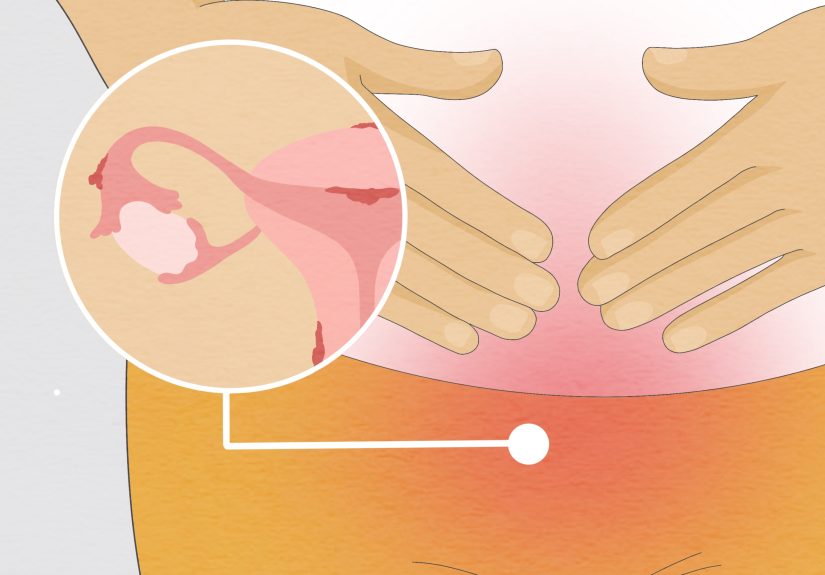
- Draw the weight. Where does it sit in the body? Chest? shoulders? stomach? Give it a shape.
- Draw a room that matches your brain. Furnish it with symbols: doors, windows, clocks, light switches.
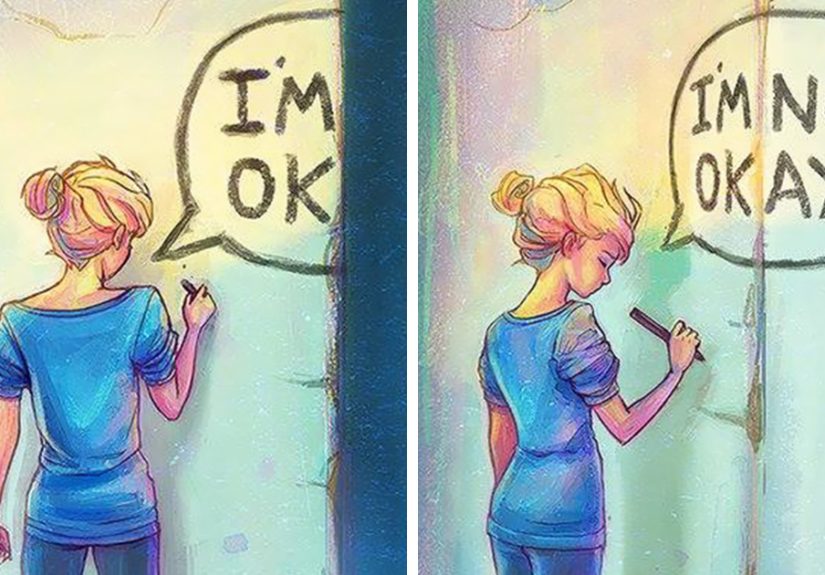
- Draw two versions of you: “outside me” and “inside me.” Let them disagree.
- Draw a conversation you can’t have. Use speech bubbles, scribbles, static, or blank balloons.
- Draw a self-portrait without your face. Use objects that stand in for you today.
- Draw the day as a timeline of energy. Peaks, valleys, flatlinesmake it visual.
- Draw what you miss. Not the thing itselfwhat it felt like to have it.
- Draw a safe place you can carry. Pocket-sized comfort. A “portable calm.”
- Draw one tiny proof you made it through. A small symbol of endurance counts.
If any prompt feels overwhelming, shrink it. Depression hates “big tasks.” Make the drawing the size of a sticky note. Give your brain fewer excuses to run away.
How to support someone who’s making depression art
If you care about someone who’s creating deep drawings while depressed, your job is not to become their therapist. Your job is to be steady. Encourage them to seek help, check in consistently, and take suicidal talk seriously.
Helpful phrases tend to sound boringbecause boring is safe: “I’m here.” “Do you want company?” “Do you want help finding a therapist?” “Can I sit with you while you make the appointment?” If you’re in the U.S. and someone needs immediate support, the 988 Lifeline offers call/text/chat options.
Conclusion: deep drawings don’t cure depressionbut they can cut through the silence
Deep drawings created by an artist living with depression are not a trend, an aesthetic, or a shortcut to “interesting pain.” They’re often a translation effort: converting an internal experience that’s hard to name into something visible, shareable, and survivable.
For some artists, the page becomes a place where the truth can exist without being judged. For viewers, these drawings can become a bridge: “Oh. That’s it. That’s the thing I couldn’t explain.” And in that recognition, something shiftsmaybe not a miracle, but a small reduction in isolation. Sometimes that’s the beginning of getting help. Sometimes it’s the reason someone lasts the night.
Experiences people commonly describe around making “deep drawings” while depressed (extended)
Because depression can look different from person to person, the experiences connected to depression art are variedbut there are recognizable patterns many artists and viewers describe. Think of these not as universal truths, but as frequently reported “themes” that show up when people use drawing to cope, communicate, or simply endure.
1) The drawing starts before the feelings have words. A lot of people describe a strange sequence: the hand moves first, and the explanation comes later (sometimes much later). They’ll sketch a shapean animal, a knot, a faceless bodyand only after staring at it for a while do they realize, “Oh. That’s what my chest feels like.” Depression can blunt language and memory; drawing becomes a workaround, like taking a side door when the front door is locked.
2) The page feels safer than conversation. When depression comes with shame (“I should be stronger,” “I’m a burden,” “Other people have it worse”), talking can feel like stepping onto a stage under bright lights. The page is dimmer and kinder. Artists often say they can be more honest in a sketchbook because the paper doesn’t interrupt, doesn’t give advice too fast, and doesn’t look disappointed. A drawing lets someone reveal the truth at a pace they can tolerate.
3) Repetition shows upand it isn’t laziness. Many people living with depression describe looping thoughts: the same worry, the same regret, the same “what’s the point.” It’s not surprising that drawings repeat shapesspirals, grids, crosshatching, endless lines. Repetition can be the visual version of rumination, but it can also be self-soothing. Making the same mark a hundred times gives the nervous system something predictable when the mind feels chaotic. It’s also a sneaky way of proving agency: “I can do this, even if I can’t do everything.”
4) Dark humor shows up as a pressure-release valve. People sometimes misunderstand this. They see a funny caption on a grim drawing and assume the artist is “fine.” Often it’s the opposite: humor can be a coping tool, a way to create a few inches of distance from pain without denying it. The joke doesn’t erase the depression; it helps the person breathe inside it. It’s gallows humor, yesbut also survival humor.
5) Sharing the art can feel both terrifying and relieving. Artists often describe posting or showing depression drawings as a high-wire act: part of them wants to be seen, and part of them wants to disappear. When the response is compassionate (“I relate,” “I’m glad you’re here,” “This helped me name something”), it can be profoundly validating. When the response is careless (“omg same bestie” or “this is so aesthetic”), it can feel like being misunderstood all over again. That’s why many artists choose careful boundaries: sharing selected pieces, limiting comments, or keeping some work private.
6) The biggest benefit is often connectionnot “fixing.” A common experience is realizing the drawing didn’t solve the depression, but it did something else: it reduced isolation. The artist feels less alone in their own head, and viewers who recognize themselves feel less alone in theirs. Connection is not a cure, but it’s a protective factor. It’s also the thing depression tries hardest to steal.
If you’re someone who makes this kind of work, it’s okay if your drawings are messy, blunt, or unfinished. Deep drawings aren’t about performance. They’re about presence. And if you’re someone looking at this work and recognizing yourself, let that recognition count as information: you deserve support beyond scrolling, beyond coping alone, beyond “pushing through.” The drawings can be the beginning of the conversationnot the end of it.