Table of Contents >> Show >> Hide
- Quick primer: What is diabetic retinopathy (and why stages matter)?
- The 4 stages of diabetic retinopathy
- The “side quest” that can happen anytime: Diabetic macular edema (DME)
- How diabetic retinopathy is diagnosed and monitored
- Treatment options: What doctors can do for your eyes
- What you can do today: A practical action plan
- Common questions (answered like a human)
- Experiences that make the advice “stick” (about )
- Conclusion
- SEO Tags
Educational only (not medical advice). If you have sudden vision changeslike a shower of floaters, flashes, or a “curtain” over visionseek urgent eye care.
Your retina is basically the high-definition camera sensor at the back of your eye. And diabeteswhen blood sugar runs high for long stretchescan mess with that camera’s wiring and plumbing. The tricky part? Diabetic retinopathy often starts quietly. No pain. No dramatic symptoms. Just tiny blood vessel changes that build up over time… like a slow leak you don’t notice until your ceiling looks like modern art.
This guide breaks down the four stages of diabetic retinopathy, what’s happening inside the eye at each stage, and what you can dostarting todayto protect your vision. We’ll also talk about diabetic macular edema (DME), a common “bonus complication” that can show up at almost any point and blur central vision even when retinopathy sounds “mild.”
Quick primer: What is diabetic retinopathy (and why stages matter)?
Diabetic retinopathy (DR) is damage to the small blood vessels in the retina caused by diabetes. As the vessel walls weaken, they can bulge, leak fluid, or bleed. Later, the retina may respond to poor oxygen supply by growing fragile new vesselsvessels that are bad at their job and great at causing trouble.
Staging matters because it helps your eye doctor decide:
- How closely you need follow-up (months vs. a year)
- When lifestyle + diabetes management is enough
- When you need eye treatments like anti-VEGF injections, laser photocoagulation, or vitrectomy
The 4 stages of diabetic retinopathy
Clinically, the stages are often described as three levels of nonproliferative diabetic retinopathy (NPDR) (mild, moderate, severe) and then proliferative diabetic retinopathy (PDR).
Stage 1: Mild NPDR (the “quiet changes” stage)
What’s happening: Tiny bulges called microaneurysms form in retinal capillaries. Think of them as weak spots in the vessel wall. A small amount of leaking or pinpoint bleeding may appear, but the retina can often function normally.
What you may notice: Usually nothing. This stage is famous for not sending warning texts.
What to do:
- Schedule (and keep) a dilated eye exam. If you have type 2 diabetes, the first exam is recommended at diagnosis. If you have type 1 diabetes, the first exam is typically recommended within 5 years of diagnosis.
- Go hard on the basics: work with your clinician on blood glucose, blood pressure, and cholesterol control. These are not “nice-to-haves”they’re the foundation for slowing DR.
- Don’t wait for symptoms. Early DR can progress even when vision feels normal.
Real-life example: If your doctor says, “Mild NPDR, come back in 12 months,” that doesn’t mean “no big deal.” It means “great timingthis is the stage where prevention works best.”
Stage 2: Moderate NPDR (more leaks, more blockages)
What’s happening: More blood vessels become damaged. Some areas may swell or leak. Others may become blocked, reducing oxygen delivery to the retina. Your eye doctor might see more retinal hemorrhages, cotton-wool spots (tiny nerve fiber “stress signals”), or early vessel abnormalities.
What you may notice: Still possibly nothing. Or you might notice intermittent blur, especially if the macula starts swelling.
What to do:
- Follow-up may become more frequent. Many people need exams every 6–12 months (sometimes sooner) depending on findings and risk factors.
- Ask directly about macular edema. Central blur is often from DME, not just “the stage number.” Your doctor may use optical coherence tomography (OCT) to measure retinal swelling.
- Dial in diabetes management. If your A1C has been drifting upward, this is a great time to treat that like an emergency for Future You.
Practical tip: Bring your latest A1C and blood pressure readings to eye visits. Eye doctors love data. (Okay, maybe “love” is strong, but it helps.)
Stage 3: Severe NPDR (the “high-risk” stage)
What’s happening: This stage signals widespread retinal ischemia (not enough oxygen). Clinicians often use the “4-2-1 rule” to describe severe NPDRmeaning significant hemorrhages in all four quadrants, venous beading in two or more quadrants, or intraretinal microvascular abnormalities (IRMA) in at least one quadrant.
What you may notice: Vision may still be okayor you may notice blur, floaters, or trouble seeing at night. Severe NPDR can be a short runway to the next stage, so it’s not the moment to “circle back later.”
What to do:
- Expect closer monitoring. Follow-ups might be every 2–4 months in higher-risk situations, based on your doctor’s judgment.
- Discuss referral to a retina specialist. Many people at this stage benefit from specialist input, especially if DME is present.
- Talk treatment strategy early. Some patients may be candidates for treatments aimed at preventing progressionparticularly if follow-up is uncertain or risk is high. Your doctor will weigh benefits, burden (visits/injections), and safety.
Translation: Severe NPDR is like your retina waving a tiny red flag. Not a full emergency sirenyetbut absolutely a “take action” moment.
Stage 4: Proliferative diabetic retinopathy (PDR) (new vessels, new problems)
What’s happening: The retina starts growing new abnormal blood vessels (neovascularization) in response to poor oxygen supply. These vessels are fragile and can bleed into the vitreous (the gel inside the eye). Scar tissue can form and tug on the retina, raising the risk of retinal detachment.
What you may notice: Floaters, blurry vision, dark spots, or sudden vision loss if bleeding is significant. Some people notice fluctuating vision: clearer one day, worse the nextbecause blood in the vitreous can shift.
What to do:
- Don’t delay treatment. PDR is vision-threatening, but modern therapies can preserve sight for many people.
- Expect eye treatments: commonly anti-VEGF injections, panretinal photocoagulation (PRP) laser, and sometimes vitrectomy surgery (especially with non-clearing vitreous hemorrhage or tractional retinal detachment).
- Keep systemic control steady. Eye treatment helps the retina, but glucose/BP/lipids influence the long game.
The “side quest” that can happen anytime: Diabetic macular edema (DME)
If diabetic retinopathy is the disease process, DME is often the reason people notice blurry vision. The macula is the central part of the retina responsible for sharp, straight-ahead vision (reading, driving, recognizing faces, spotting your friend across the room… you know, the useful stuff). When fluid leaks into the macula, it swells and central vision blurs.
Important: DME can develop at any stage of diabetic retinopathy. So “mild NPDR” doesn’t always mean “mild symptoms.” It means the retinopathy findings are mildbut the macula might still be irritated.
What to do if DME is present (or suspected):
- Ask about OCT imaging. It measures swelling and guides treatment response.
- Know the main treatments: anti-VEGF injections are commonly first-line; lasers or steroid options may be used in selected cases.
- Track your vision. New central blur, wavy lines, or trouble reading is worth reporting promptly.
How diabetic retinopathy is diagnosed and monitored
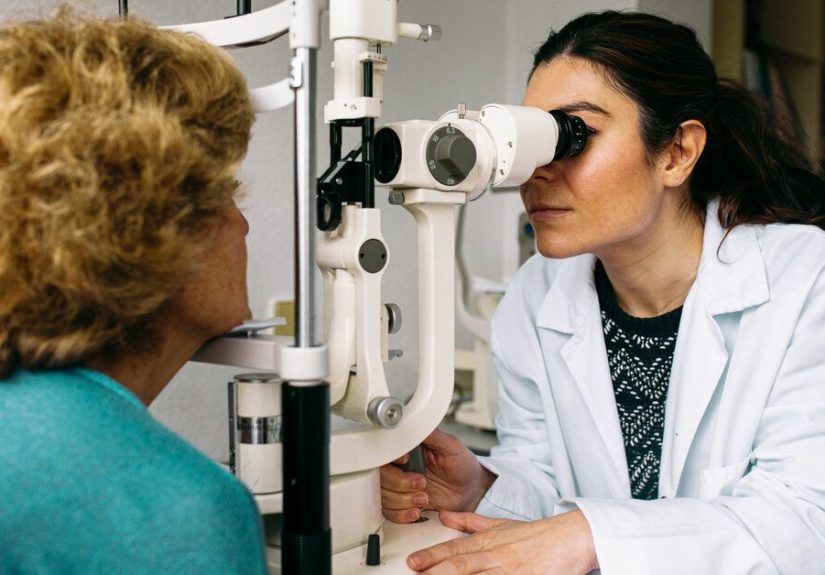
The gold standard for screening is a comprehensive dilated eye exam. Your eye doctor uses drops to widen pupils and directly examine the retina. Depending on what they see, they may add:
- Retinal photos (to document and compare changes over time)
- OCT (to detect and measure macular swelling)
- Fluorescein angiography (a dye test to map leakage and ischemia in more complex cases)
Screening is powerful because diabetic retinopathy can be treated more effectively before severe vision loss occurs. In other words: your retina doesn’t need to “feel sick” to benefit from a check-up.
Treatment options: What doctors can do for your eyes
Treatment depends on stage, symptoms, and whether DME is present. A simplified map looks like this:
1) Optimize diabetes and cardiovascular risk factors (everyone, every stage)
This is not “just lifestyle advice.” Better control of glucose and related risk factors can reduce progression risk. If you’re overwhelmed, focus on the next best step: medication adherence, regular monitoring, and realistic habits you can repeat.
2) Anti-VEGF injections (especially for DME and sometimes DR severity)
VEGF is a signal in the body that promotes leaky vessels and abnormal blood vessel growth. Anti-VEGF medicines (given as injections in the eye) can reduce macular swelling and help stabilize or improve retinopathy in many patients.
What it’s like: the eye is numbed first; the injection itself is quick; you may have scratchiness afterward. It sounds terrifying, but in practice many patients say the anticipation is worse than the procedure.
3) Laser photocoagulation
Laser can be used in different ways:
- Focal/grid laser may be used in select DME situations (often as adjunctive therapy).
- Panretinal photocoagulation (PRP)also called scatter laseris a classic treatment for advanced retinopathy to reduce the drive for new vessel growth. It can preserve central vision but may reduce peripheral vision or night vision in some cases.
4) Vitrectomy surgery (when bleeding or traction threatens vision)
If blood has filled the vitreous and won’t clear, or scar tissue is pulling on the retina, a retina surgeon may recommend a vitrectomy to remove blood and vitreous gel, repair traction, and stabilize the retina.
What you can do today: A practical action plan
1) Get the right eye exam at the right time
- Type 2 diabetes: get an eye exam at diagnosis (even if vision seems fine).
- Type 1 diabetes: get an eye exam within 5 years of diagnosis.
- After that: follow your eye doctor’s schedule (often at least yearly; more often with retinopathy).
2) Treat blood sugar, blood pressure, and cholesterol like a vision plan
Ask your clinician for personalized targets and the most efficient changes for you. Often, the best plan is the one you can actually doconsistentlywithout burning out by Tuesday.
3) Know the “don’t wait” symptoms
Call your eye doctor promptly (or seek urgent care) for:
- Sudden increase in floaters
- Flashes of light
- A dark curtain or shadow across vision
- Sudden major vision loss
4) Make follow-up frictionless
- Book the next eye visit before you leave the office.
- Set reminders (yes, plural).
- Bring sunglasses for post-dilation light sensitivity.
- If you’re getting laser or injections, arrange a ride when advised.
Common questions (answered like a human)
Can diabetic retinopathy be cured?
It’s generally considered treatable but not “curable” in the sense of erasing diabetes’ effect forever. Early changes can sometimes improve with excellent diabetes control and appropriate eye treatment, but the goal is usually to prevent progression and preserve vision.
If I see well, can I skip the exam?
Unfortunately, no. Early diabetic retinopathy can cause significant retinal damage before you notice symptoms. Screening is how you catch it while it’s still manageable.
What matters more: stage number or macular edema?
Both matter, but macular edema often drives symptoms (central blur) and treatment urgency. A person with mild NPDR + DME may need treatment sooner than a person with moderate NPDR and no DME. Your eye doctor will treat the whole picture.
Experiences that make the advice “stick” (about )
People living with diabetes often describe diabetic retinopathy as the complication they “knew about” but didn’t truly feel until the first dilated exam or the first moment text on a screen looked fuzzy. One common theme: the surprise that vision can seem perfectly normal while the retina is quietly struggling. That’s why many patients say the biggest mindset shift is treating eye appointments like dental cleaningsnon-negotiable maintenance, not a panic-only event.
Another frequent experience is the emotional whiplash of staging labels. “Mild” sounds comforting, but it can also trigger procrastinationespecially when life is busy. Meanwhile, “severe” can sound like you’re one sneeze away from blindness (you’re not), but it’s a real signal to tighten follow-up and make a plan. Patients who do best often reframe stages as a roadmap: not a verdict, but a set of directions. Mild means “we can prevent.” Moderate means “we need consistency.” Severe means “bring in the specialists and don’t miss visits.” PDR means “treat now and protect what you’ve got.”
Then there’s the “injection fear,” which deserves its own paragraph because it’s practically a universal human response to the phrase “shot in the eye.” People who’ve been through anti-VEGF treatment often say the first appointment is the hardest because your brain has time to imagine a medieval situation. In reality, the eye is numbed, the procedure is quick, and the most annoying part can be the antiseptic taste in the back of your throat or the gritty sensation afterward. Many patients develop a routine: bring a stress ball, ask the doctor to talk you through each step (or distract you with literally any topic), and plan a calm day afterward. The relief of sharper visionor simply stable visionoften outweighs the dread.
Laser treatment stories tend to be mixed: some people describe mild stinging and bright flashes; others find it more uncomfortable. What helps is knowing the goal. PRP laser is often about preventing severe vision loss rather than making vision dramatically better the next morning. Patients who feel preparedwho understand why the laser is recommended and what side effects might occurreport less anxiety and more follow-through.
Finally, a lot of people say the “secret weapon” wasn’t a single perfect habit. It was building a system: medication refills on autopilot, glucose monitoring that fits their lifestyle, realistic food swaps, and a care team that communicates. Vision protection becomes the byproduct of a life that’s easier to manage. If you take one thing from real-world experience, let it be this: the best time to act is before you notice symptomsbecause that’s when you have the most options and the least disruption.
Conclusion
Diabetic retinopathy doesn’t usually start with a dramatic warning signit starts with small, treatable changes. Knowing the four stages helps you understand what your eye doctor is watching for and why follow-up timing matters. Combine consistent diabetes management with regular dilated eye exams, and you give yourself the best chance to keep your vision sharp for the long haul.