Table of Contents >> Show >> Hide
- The 2026 Reality Check: What “Regrowth” Can (and Can’t) Do
- 1) The Foundation: FDA-Approved Treatments That Actually Pull Their Weight
- 2) Doctor-Supervised Add-Ons That Are Big in 2026
- 3) Procedures & Devices: The “Boosters” That Can Make a Good Plan Better
- 4) Lifestyle & Nutrition: Support the Follicles Without Falling for Fairy Dust
- 5) What’s “New” in 2026: Trends, Trials, and Things to Treat as Experimental
- 6) A Practical 2026 Game Plan (That Doesn’t Rely on Hope as a Strategy)
- Safety Notes: The “Do Not Skip” Section
- Real Experiences in 2026: What Men Commonly Notice (and What Helps)
- Conclusion
Disclaimer: This article is for education, not a substitute for medical advice. Hair loss treatments can affect hormones, blood pressure, and skin. Talk with a board-certified dermatologist or qualified clinicianespecially if you have heart conditions, take other meds, or notice sudden/patchy shedding.
If your hairline has been slowly retreating like it’s avoiding responsibility, welcome to the club. In 2026, the good news is we know more than ever about what actually helps men regrow (or at least keep) hair. The bad news is your scalp still won’t respond to motivational speeches, collagen gummies, or that one guy on TikTok who “manifested follicles” by yelling affirmations into rosemary water.
Let’s cut through the noise with an honest, science-backed menu of optionswhat works, what’s promising, what’s mostly vibesand how to combine them for the best shot at thicker hair.
The 2026 Reality Check: What “Regrowth” Can (and Can’t) Do
Most men dealing with androgenetic alopecia (aka male-pattern baldness) aren’t losing hair because the scalp “forgot” how to grow it. The follicles are still thereat least early onbut they’re shrinking over time (miniaturizing), producing shorter, finer hairs until the party ends.
Translation: The earlier you intervene, the more you can save. Treatments tend to work best when you still have miniaturized hair (thin, wispy strands) rather than a shiny, long-bald area where follicles may be dormant or gone.
Quick signs you’re in the “good candidate” zone
- You’re noticing thinning at the crown (vertex) or a receding hairline that’s gotten worse over months/years.
- Hair is finer, not just feweryour strands feel “lighter.”
- Family history is doing its thing.
When to get checked before you self-treat
- Sudden shedding over weeks (could be stress-related telogen effluvium, illness, meds, or deficiency).
- Patchy bald spots (could be alopecia areata or fungal infection).
- Scalp pain, scaling, or inflammation.
1) The Foundation: FDA-Approved Treatments That Actually Pull Their Weight
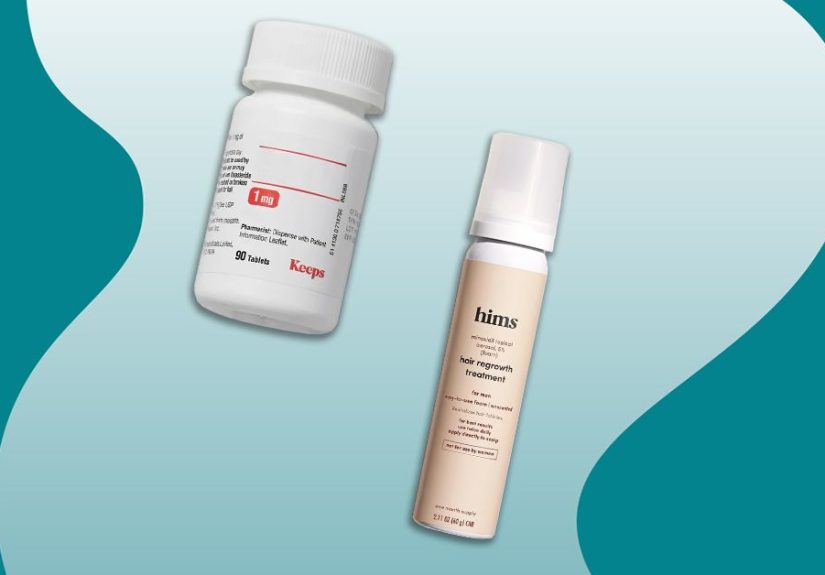
For male-pattern hair loss, there are two medication “anchors” with the strongest track record in the U.S.: topical minoxidil and oral finasteride. Everything else tends to work best as an add-on, not a replacement.
Topical Minoxidil (Foam or Solution)
Minoxidil is the classic: available over the counter, widely used, and capable of slowing loss and improving densityespecially at the crown. It works best when applied consistently, and it’s a long-game commitment (think months, not days).
How to use it (the “don’t sabotage yourself” version)
- Apply to a dry scalp (not just the hair), usually once or twice daily depending on the product.
- Expect results to be gradual: many men notice visible change around 3–6 months, with fuller results often closer to 12 months.
- If you stop, gains typically fade and hair returns toward baseline over time.
Common issues (and how people mess this up)
- Irritation or itching: switching from solution to foam can help.
- “Shedding” early on: can happen in the first weeks as follicles cycleunsettling, but not always a bad sign.
- Inconsistency: applying it “whenever you remember” is like watering a plant once a month and wondering why it’s dramatic.
Oral Finasteride (Prescription)
Finasteride targets the hormone pathway behind follicle miniaturization by reducing scalp levels of DHT (dihydrotestosterone). For many men, it slows loss significantly and can improve thickness over time.
What to know before you start
- It’s typically taken daily and often needs 3–6 months before you can judge progress.
- Side effects are possible (sexual side effects and mood-related concerns are commonly discussed). Not everyone gets them, but you should take the possibility seriously and discuss your risk profile.
- As with minoxidil, stopping usually means losing the benefit over time.
Why combination therapy is often the “best value” move
If you’re choosing between minoxidil or finasteride, you’re missing the point: they work through different mechanisms. Many clinicians use both to hit hair loss from multiple anglessupporting growth while also reducing miniaturization.
2) Doctor-Supervised Add-Ons That Are Big in 2026
In 2026, more men are asking about options that stack with the foundation. Some are off-label but increasingly guided by clinical consensus and real-world dermatology practice. These should be clinician-led, not “I read a thread and now I’m a pharmacist.”
Low-Dose Oral Minoxidil (LDOM): Convenience With a Safety Checklist
Oral minoxidil was originally a blood pressure medication, and low-dose oral use for hair loss is off-labelbut it has become a major conversation in dermatology. The appeal is obvious: no messy scalp application, fewer “I forgot because I didn’t shower yet” excuses, and some patients respond very well.
Important caveats
- Because it can affect blood pressure and fluid balance, it’s not for everyone.
- Clinicians may screen for cardiovascular issues and monitor side effects (like swelling, dizziness, or increased body hair).
Dutasteride (Off-label for hair loss in many settings)
Dutasteride is another DHT-lowering medication (commonly used for prostate-related indications). Some clinicians use it off-label for androgenetic alopecia, especially if finasteride response is limited. This is a “serious meds” lanediscussion with a clinician matters.
Topical Finasteride: Popular Online, But Read the Fine Print
You’ll see topical finasteride everywhere in ads and telehealth funnels. In 2026, the key point is safety and regulatory clarity: there is no FDA-approved topical finasteride formulation, and compounded versions can carry risks related to dosing variability and systemic absorption. If you’re considering it, do it with a dermatologist who can explain the tradeoffs, not just a checkout page.
3) Procedures & Devices: The “Boosters” That Can Make a Good Plan Better
If medications are the foundation, procedures and devices are the renovations: they won’t help much if the house is actively on fire, but they can improve results when your baseline plan is solid.
Microneedling (Often Paired With Minoxidil)
Microneedling creates controlled micro-injuries that can stimulate growth factors and improve topical absorption. Studies have shown that microneedling combined with topical minoxidil can outperform either alone for androgenetic alopecia.
Smart microneedling rules
- Home devices vary in quality; clinic-based microneedling can be more consistent.
- Don’t overdo depth/frequencymore needles doesn’t automatically mean more hair. It can mean more irritation.
- Sanitation matters. Your scalp is not a practice field for bacteria.
Low-Level Laser Therapy (LLLT) / Red Light Devices
LLLT devices (helmets, caps, combs) have evidence suggesting they can improve hair density for some men. They’re typically best viewed as an add-on for people who want a non-drug option to complement medsnot a standalone miracle.
PRP (Platelet-Rich Plasma) Injections
PRP uses your own blood, concentrates the platelets, and injects them into the scalp. Meta-analyses show PRP can increase hair density compared with placebo, but outcomes vary. A big reason: protocols differhow PRP is prepared, how often it’s injected, and who’s doing it.
PRP is most realistic when…
- You choose a reputable medical practice with consistent protocols.
- You can commit to multiple sessions (often an initial series plus maintenance).
- You treat it as a “booster,” not a replacement for proven meds (unless meds are contraindicated).
Hair Transplant (FUE vs FUT): The “Move Follicles, Don’t Magically Create Them” Option
Transplants don’t regrow hair from nothingthey redistribute resistant follicles from the back/sides to thinning areas. The two main techniques:
- FUT (strip method): typically removes a strip and dissects grafts; can yield many grafts efficiently but leaves a linear scar.
- FUE: extracts follicular units individually; usually smaller dot scars and often favored for shorter hairstyles.
The best transplant outcomes usually come when hair loss is stabilized (often with finasteride/minoxidil). Otherwise, you may “fill in” one area while surrounding hair continues to thinlike patching a roof during a hailstorm.
Scalp Care & Camouflage (Not Regrowth, But Legit Confidence Boosters)
- Ketoconazole shampoos are sometimes used when dandruff/inflammation is present (scalp health matters for shedding).
- Scalp micropigmentation can create the appearance of density or a clean-shaven look.
- Hair fibers are a quick cosmetic fix for events, photos, and “I need to look alive on Zoom” days.
4) Lifestyle & Nutrition: Support the Follicles Without Falling for Fairy Dust
Lifestyle changes alone rarely reverse male-pattern baldness, but they can reduce additional shedding and improve scalp conditions that make hair look worse.
Nutrition that actually matters
- Protein: hair is built from protein. Chronic low intake can worsen shedding.
- Iron, vitamin D, zinc: deficiencies can contribute to shedding. Testing is often smarter than guessing.
- Be cautious with megadoses: “More supplements” doesn’t equal “more hair.” It can equal “more expensive urine.”
Habits that quietly sabotage progress
- Smoking: associated with poorer skin and vascular health (not great for follicles).
- Chronic sleep debt: stress hormones and inflammation can worsen shedding.
- High-friction grooming: harsh brushing or tight styles can contribute to breakage.
5) What’s “New” in 2026: Trends, Trials, and Things to Treat as Experimental
Hair loss is a huge market, which means two things can be true at once: real innovation is happening, and marketing is also doing parkour.
Clinical trials are worth watching
New molecules and pathways are being studied, and legitimate trials are an encouraging sign. If you’re curious (and qualified), you can check registered studies and talk to your dermatologist about whether participating makes sense for you.
Proceed with caution: “Regenerative” buzzwords
In 2026, you’ll see clinics promoting “exosomes,” “stem cell injections,” and various growth-factor cocktails. Some may be promising, but many lack standardized protocols, robust long-term data, or clear regulatory status. If a clinic can’t explain evidence, risks, and realistic outcomesand tries to close you today with a discounttreat that like a red flag in a dating profile.
6) A Practical 2026 Game Plan (That Doesn’t Rely on Hope as a Strategy)
Weeks 0–4: Set the baseline
- Take clear photos (same lighting, same angles) every 4 weeks.
- Start a proven foundation: topical minoxidil and/or finasteride after medical discussion.
- Address scalp inflammation (dandruff, itch, scaling) earlyit can worsen shedding and make treatment harder to tolerate.
Months 2–4: Expect “weird” before better
- Some shedding can occur as hair cycles shiftdon’t panic-quit at week 6.
- Evaluate adherence honestly. If you’re missing 40% of applications, the problem is not your geneticsit’s your calendar.
Months 4–8: Consider boosters
- If you’re consistent but results are modest, ask about microneedling, LLLT, or PRP.
- If topical minoxidil is a mess for you, discuss low-dose oral minoxidil with a clinician.
Months 9–12+: Decide the long-term approach
- If you’re improving: maintain.
- If you’ve stabilized but want more density: consider procedural options or transplant consults.
- If you’re still rapidly thinning: reassess diagnosis, rule out additional causes, and refine the regimen.
Safety Notes: The “Do Not Skip” Section
- Minoxidil (topical): irritation, unwanted hair growth in other areas if it drips/spreads, and rarely systemic effects if misused.
- Finasteride: potential sexual side effects and mood-related concernsdiscuss risks, read medication guides, and report changes promptly.
- Oral minoxidil (low dose): requires screening and monitoring due to cardiovascular effects in susceptible people.
- Procedures: prioritize licensed medical settings and sterile technique; avoid bargain-basement “medical spas” that feel like they also sell phone cases.
Real Experiences in 2026: What Men Commonly Notice (and What Helps)
Note: The following reflects common real-world experiences reported in clinical practice and patient communities. Individual results vary, and you should always confirm side effects or concerns with a clinician.
1) The “week 6 freak-out” is real. A lot of men start minoxidil or finasteride, then notice extra shedding early on and assume the treatment is making them bald faster. In many cases, it’s a hair-cycle reset: older hairs shed as follicles shift into a new growth phase. The best move is usually boring: keep going, document with photos, and reassess at 3–6 months instead of 3–6 weeks.
2) Consistency beats intensity. The guys who do best rarely have a “secret hack.” They have a routine. They put minoxidil next to their toothbrush. They set a reminder. They don’t rely on memory (because memory is a liar after a long day). If you can’t stick to twice daily, many men find once daily is still better than “perfectly twice daily for nine days, then not again until the next full moon.”
3) The scalp can be the limiting factor. Some men quit topical products because of itch, flaking, or redness. Switching formulations (foam vs solution), treating dandruff, and simplifying hair products can make the regimen tolerable. Many also learn that aggressive scrubbing doesn’t “wake up follicles”it just makes your scalp angry. Calm scalp, better compliance, better odds.
4) Finasteride decisions are personaland often emotional. For some men, finasteride is a game-changer and they tolerate it well. Others feel uneasy about hormonal meds. What tends to help is a structured conversation with a clinician: baseline symptoms, realistic risk discussion, and an action plan if side effects occur. Men who feel informed (not pressured) usually feel less anxious and are more likely to stick with a plan that fits their comfort level.
5) Oral minoxidil is often chosen for one reason: lifestyle. Plenty of men don’t mind topicalsuntil they travel, work long hours, wear hats, or simply hate the feeling of product on their scalp. In those cases, a clinician-supervised low-dose oral approach can improve adherence. The tradeoff is that pills come with monitoring and side effects that need respect. The men who do best treat it like a prescription, not a supplement.
6) PRP is a “process,” not an event. Men who are happiest with PRP tend to be the ones who go in with the right expectations: multiple sessions, gradual change, and maintenance. Those who expect a Hollywood transformation after one appointment often end up disappointed. PRP can help densityespecially alongside medsbut it’s not a resurrection spell.
7) Hair transplants feel amazing… when the math is right. Men who get great transplant outcomes usually share three traits: (a) they chose an experienced surgeon, (b) they understood donor limitations, and (c) they stabilized hair loss so they’re not “chasing” recession every year. A transplant can be a confidence rocket. But if the surrounding hair continues thinning unchecked, the look can become patchy over timelike a beautifully landscaped island in a sea of ongoing loss.
8) Progress is easier to feel than to seeuntil you compare photos. Hair changes slowly, so daily mirror checks can make you think nothing is happening. Monthly photos under consistent lighting often reveal subtle thickening or slowed recession that you’d otherwise miss. Many men say the photo habit is what kept them from quitting too early.
Bottom line from real experience: In 2026, the “best” regimen is the one you can actually follow for a year. A simple plan you stick to beats an elaborate plan you abandon.
Conclusion
Stimulating hair regrowth for men in 2026 isn’t about chasing the newest bottle with the loudest label. It’s about stacking proven optionsusually minoxidil and/or finasteridethen adding smart boosters like microneedling, LLLT, PRP, or a transplant when appropriate. Pair that with scalp health, realistic timelines, and consistent habits, and you’ll give your follicles the best chance to show up for work.
If you want the highest odds, your next step is simple: confirm the diagnosis with a dermatologist, choose a foundation treatment you can sustain, and track progress like an adult (photos, not vibes).