Table of Contents >> Show >> Hide
- Why DIY Home Decor Still Wins (Even in the Age of Two-Day Shipping)
- Start Smart: The DIY Decor Game Plan
- High-Impact DIY Home Decor Projects (That Don’t Require a Workshop)
- Design Principles That Keep DIY from Looking “DIY”
- Renter-Friendly DIY Home Decor (Big Style, Low Commitment)
- DIY Decor Budgeting: Know What “Affordable” Really Means
- Safety and Sanity Checklist
- Conclusion: Make Your Home Look Like You Live There (On Purpose)
- DIY Home Decor Experiences: The Real Lessons DIYers Learn (Usually the Fun Way)
- SEO Tags
DIY home decor is the sweet spot where creativity meets common sense: you get a home that looks like you, not like a showroom that politely asks you not to sit on anything. Whether you’re decorating a first apartment, refreshing a forever home, or trying to make a rental feel less like “temporary beige,” DIY lets you upgrade style without upgrading your credit card statement.
The secret to DIY decor that looks “designer” isn’t owning a garage full of tools or having an art degree. It’s knowing which projects deliver the biggest visual payoff (hello, paint and lighting), which upgrades are worth the effort (yes, hardware swaps), and which ideas should stay in the group chat (no, hot-gluing seashells to everything… unless you live inside a mermaid’s purse).
Why DIY Home Decor Still Wins (Even in the Age of Two-Day Shipping)
Store-bought decor is convenient, but DIY is personal. When you make somethingeven a simple frame upgrade or a painted accent wallyou’re building a space with a point of view. Plus, DIY can be:
- Budget-smart: You can get a “high-end look” by upgrading what you already own.
- Flexible: You control the size, color, finish, and vibe (moody library? bright cottage? “calm minimalism with snacks”?).
- Sustainable: Upcycling and thrifting keep perfectly good items out of landfills.
- Confidence-building: The first project is the hardest. The fifth one makes you dangerously brave.
Start Smart: The DIY Decor Game Plan
1) Pick a “Why,” Not Just a Pinterest Board
Before you start, define what you want to feel when you walk into the room. Cozy? Energized? Organized? Like you finally have your life together? (No promises, but we can help your living room look like it does.)
Choose 2–3 wordslike “warm, airy, tidy”and use them to filter project ideas.
2) Choose Your Finish Line
“DIY home decor” can mean anything from a 30-minute styling refresh to building faux built-ins. Set a realistic scope:
- One evening: swap hardware, update a lampshade, hang a mini gallery wall.
- One weekend: paint a feature wall, refinish a small table, style shelves.
- Longer project: faux built-ins, wall treatments, multi-room updates.
3) Keep a Small “Power Tools” List (Not a Tool Museum)
You don’t need everything. The most-used DIY decor basics are usually:
a tape measure, level, painter’s tape, a decent brush/roller, a cordless drill, a stud finder, and sanding blocks.
Buy what you’ll reuse. Borrow or rent what you won’t.
High-Impact DIY Home Decor Projects (That Don’t Require a Workshop)
Paint Tricks That Fake a Renovation
Paint is the MVP of DIY decor because it’s relatively affordable and dramatically visible. If you’re nervous, start small: a door, a shelf, a piece of furniture.
Then graduate to walls with a plan.
- Accent wall: One contrasting wall adds depth and focus. Pair it with art for a layered look.
- Color blocking: Paint a half wall, arch shape, or geometric pattern to create “architecture” where none exists.
- Checkered or striped walls: Painter’s tape + patience = instant charm.
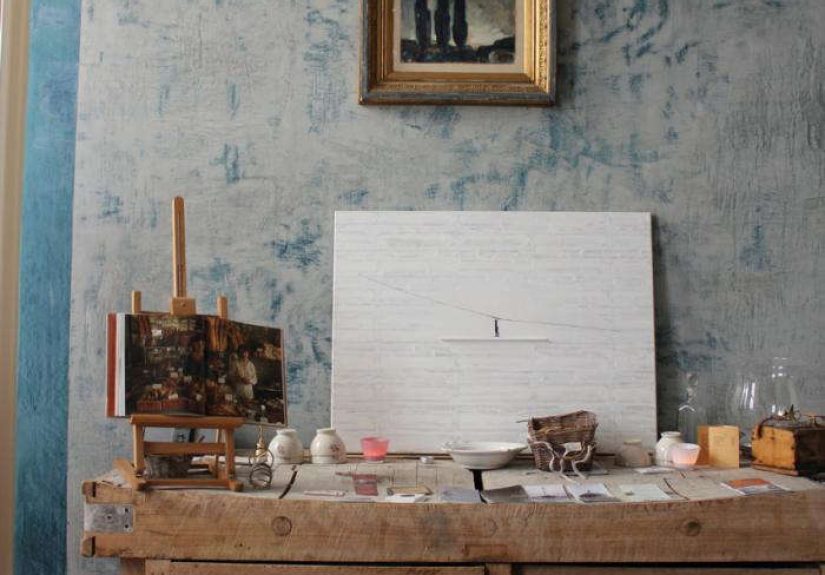
- Faux finishes: A marbled or textured paint technique can add a custom feel (practice on cardboard first).
- Beginner-friendly murals: Tape outlines, simple shapes, or oversized color fields can look intentionaleven if you’re not “an artist.”
Pro tip: prep is not optional. Clean the surface, protect floors, and let coats dry fully. DIY paint projects fail for the same reason diets fail:
rushing and pretending the rules don’t apply.
Gallery Walls That Look Curated (Not Chaotic)
A gallery wall can be a home’s personality in one glancephotos, prints, postcards, souvenirs, kids’ art, thrifted frames. The difference between “effortlessly curated”
and “I hung these while holding a taco” is planning.
- Choose a theme: family moments, travel, black-and-white, bold color, or “things that make me happy.”
- Decide your layout style: grid (clean), salon-style (eclectic), or ledge-based (flexible).
- Mix frame finishes on purpose: repeat 2–3 finishes so it feels cohesive.
- Add texture: include a small sculptural object, textile, or basket for depth.
- Mock it up first: arrange on the floor or use paper templates on the wall.
If commitment scares you, use picture ledges. They’re like training wheels for gallery walls: stylish, forgiving, and easy to change when your taste evolves.
Furniture Glow-Ups: Small Changes, Big Payoff
When a room feels “off,” it’s often because the large pieces (dresser, side table, bookshelf) look tired or mismatched. The good news: you can dramatically upgrade furniture
without building anything from scratch.
- Hardware swap: New knobs or pulls are jewelry for furniture. It’s one of the fastest upgrades per dollar.
- Paint and seal: Paint can modernize old wood, unify mismatched pieces, or add personality. Sand lightly, prime when needed, and protect with a durable topcoat.
- Add legs or feet: Raising a piece visually “lightens” it and can make it look more custom.
- Trim and molding: Simple trim details can turn a plain cabinet into something that looks built-in.
- Salvage details: Decorative corbels, reclaimed wood, or vintage accents can add character and history.
The rule: upgrade the silhouette, finish, or functionideally two of the three. A painted dresser with upgraded hardware and better drawer organization feels brand new.
Soft Goods: The Fastest Way to Make a Room Feel Finished
Textiles change the mood instantly. A space can go from “echo-y and unfinished” to “cozy and intentional” with curtains, pillows, throws, and a rug.
And yesthis counts as DIY when you’re hacking, tailoring, or creatively styling what you have.
- Curtain hacks: Make panels look custom by hanging them higher and wider. Add trim or fringe to adjust length or style.
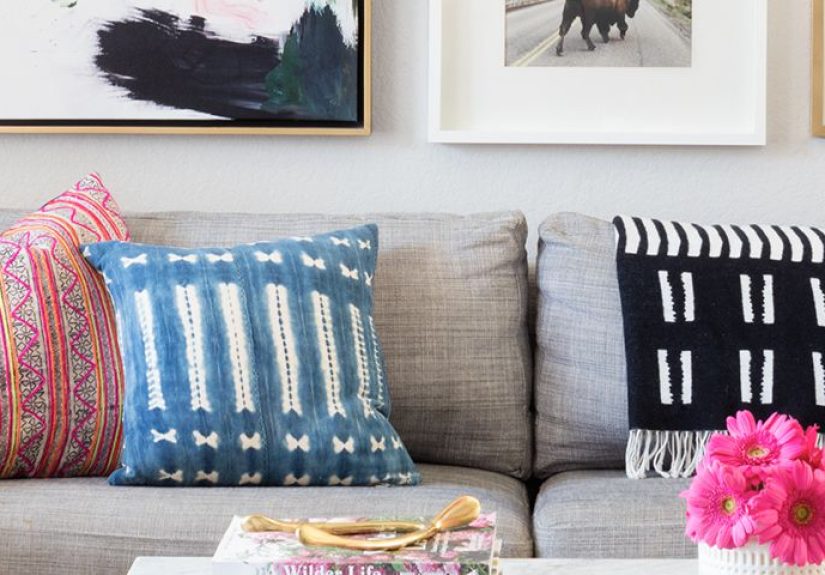
- Pillow strategy: Mix sizes and textures, but repeat colors. Think: one solid, one pattern, one texture.
- Instant color pop: A quilt or bold textile over a neutral sofa adds pattern without repainting a room.
- No-sew upgrades: Fabric tape, iron-on hem strips, and clip rings can do more than you’d expect.
Lampshade and Lighting Upgrades That Feel “Designer”
Lighting is often the reason a room looks flat. Good lighting adds warmth, highlights decor, and makes paint colors behave.
DIY lighting doesn’t have to involve rewiring; focus on shades, bulbs, and placement.
- Shade makeover: Add pleated fabric, wrap with linen, or stencil a border for a custom look.
- Bulb upgrade: Choose warm, consistent color temperature across the room to avoid the “hospital waiting room” effect.
- Layered lighting: Use a mix of overhead, task (reading lamp), and accent (small lamp or LED under-shelf) lighting.
“Hide the Ugly” DIYs: The Most Satisfying Category
Some decor projects aren’t about adding beautythey’re about removing visual chaos. And honestly? That’s a form of self-care.
- Sink skirt: A fabric skirt can hide cleaning supplies or litter boxes and add softness to a hard-edged bathroom.
- Cord control: Use cord covers, baskets, or behind-furniture routing to reduce clutter.
- Disguise awkward elements: Thermostats, routers, and utility panels can be styled around with art, shelves, or removable covers.
Design Principles That Keep DIY from Looking “DIY”
Want the honest truth? Many DIY projects go wrong not because of skillbut because of design decisions made at 11:47 p.m. with “inspiration confidence.”
Use these principles to keep your decor looking intentional:
- Cohesive palette: Pick 3–5 main colors and repeat them around the room.
- Mix materials: Combine natural and manmade finisheswood with metal, linen with glassto add depth.
- Scale matters: Tiny art on a huge wall looks lost. Use larger pieces, groupings, or shelving to match wall size.
- Repeat shapes: If you have round mirrors, echo curves in bowls, vases, or pillows.
- Leave breathing room: Not every surface needs something on it. Empty space is a design choice, not a failure.
Renter-Friendly DIY Home Decor (Big Style, Low Commitment)
If you rentor simply like the freedom to change your mindchoose projects that are removable and low-risk.
Think: peel-and-stick, command hooks, tension rods, and decor that leans instead of hangs.
- Removable wall accents: temporary wallpaper, decals, or painted canvases hung like art.
- Freestanding “built-ins”: bookcases or modular cabinets styled to look custom.
- Fabric tricks: curtains, sink skirts, and tablecloth hacks change a room without permanent changes.
- Lighting swaps: plug-in sconces or upgraded lamps add ambiance without touching wiring.
DIY Decor Budgeting: Know What “Affordable” Really Means
DIY can save money, but it can also quietly accumulate costs (“I only needed paint” turns into primer, rollers, drop cloths, and a cute tray because you earned it).
Keep your budget sane with a simple framework:
- Set a max spend per room: even a small limit forces smarter choices.
- Prioritize impact: paint, lighting, and textiles usually change the feel most.
- Shop your home first: move decor between rooms before buying new.
- Use samples strategically: sample paint or small quantities are perfect for accents and small furniture.
Safety and Sanity Checklist
DIY should improve your homenot send you to urgent care or start a feud with your lungs. Keep it safe:
- Ventilate: open windows and use fans when painting or using adhesives.
- Protect yourself: gloves and eye protection when sanding or drilling; masks for dust.
- Ladder rules: stable surface, no overreaching, and never “just one more step” from the top.
- Old-home caution: if you suspect lead paint, follow proper testing and safety guidance.
- Electrical limits: if wiring is involved, call a qualified prodecor is fun, electricity is not a hobby.
Conclusion: Make Your Home Look Like You Live There (On Purpose)
DIY home decor doesn’t need to be complicated to be impressive. Start with one high-impact projectpaint, a gallery wall, a furniture refresh, or textile upgradesand build from there.
The best DIY spaces aren’t perfect; they’re personal. They tell your story, hold your habits, and make everyday life feel a little more like the version you want.
And if a project goes sideways? Congratulations: you’ve just earned your first “funny before-and-after” photo. That’s basically a DIY rite of passage.
DIY Home Decor Experiences: The Real Lessons DIYers Learn (Usually the Fun Way)
People don’t fall in love with DIY home decor because everything turns out flawless. They fall in love with it because the process changes how you see your spaceand what you think you’re capable of.
If you’ve ever rearranged a room at midnight because “something felt off,” you already understand the DIY mindset: curiosity, optimism, and a suspicious level of confidence in painter’s tape.
One common experience DIYers talk about is the “first project fear.” You stand in front of a blank wall with a paint sample and suddenly forget every good decision you’ve ever made.
The color looks perfect in your head, but under your actual lighting it turns into “why is this slightly green?” The lesson comes quickly: test paint in multiple spots, watch it at different times of day,
and don’t trust a tiny swatch to predict your whole room’s personality. Once you learn this, you stop making impulsive choices and start making intentional oneslike a responsible adult, but with better pillows.
Another classic DIY experience is the “this was supposed to be a quick upgrade” moment. Maybe you’re swapping hardware on a dresser, and you discover one screw is stripped and the old holes don’t match the new pulls.
You improvise, you patch, you drill carefully, and you end up learning a practical skill you didn’t know you needed. DIY has a funny way of turning small decor goals into small confidence boosts.
Suddenly you’re not just decoratingyou’re problem-solving. And that mindset carries into everything: organizing, styling, even planning how you want the room to function.
DIYers also learn the value of “design patience.” For example, the first time you build a gallery wall, it’s tempting to hang everything immediately.
But most people discover the magic is in the layout: moving frames around on the floor, stepping back, noticing balance and spacing, and adding something unexpectedlike a small object or a textilefor texture.
That patience pays off. When you walk by later and it looks effortlessly curated, you get that quiet satisfaction that store-bought decor rarely gives you.
A surprisingly emotional DIY experience comes from upcycling and thrifting. When you refinish a side table or repaint a worn frame, you’re giving an object a second life.
Many DIYers describe the moment it “clicks”when they realize style isn’t only about buying new things. It’s about seeing potential.
A scratched dresser becomes a statement piece with the right color and hardware. A plain lampshade becomes a custom accent with fabric or trim.
You start spotting opportunities everywhere, like your brain has switched into “design detective” mode.
And then there’s the universal experience: living with your work. DIY projects teach you what you actually like, not what you thought you liked online.
Maybe you learn that bold colors energize you, or that calmer neutrals help you relax. Maybe you discover you hate cluttered shelves but love layered textures.
Over time, your home becomes more younot because you copied a trend, but because you tested ideas and kept what felt right.
That’s the real gift of DIY home decor: it turns decorating into a conversation between your space and your life.