Table of Contents >> Show >> Hide
- What Are Essential Oils, Exactly?
- How Could Essential Oils Work?
- So… Do Essential Oils Work? What the Evidence Suggests
- Where the Claims Get Wobbly (or Flat-Out Wrong)
- Essential Oil Safety: The Rules That Matter Most
- 1) Don’t ingest essential oils (unless specifically directed by a qualified clinician)
- 2) Dilute before applying to skin
- 3) Patch test like a reasonable person, not a fearless pioneer
- 4) Watch out for sun sensitivity
- 5) Diffusers: use less, ventilate more
- 6) Pregnancy and breastfeeding require extra caution
- 7) Keep oils away from kids and pets
- How to Choose Essential Oils Without Getting Tricked by the Label
- Practical Ways to Use Essential Oils (Safely) for Real-Life Benefits
- Myths vs. Facts (Quick Reality Check)
- Experiences: What a “Realistic Week With Essential Oils” Often Looks Like (500+ Words)
- Day 1: The excitement phase (and the “why is everything so strong?” moment)
- Day 2: The ritual starts doing the heavy lifting
- Day 3: The bedtime experiment (surprisingly… decent)
- Day 4: The “oops, my skin has opinions” reminder
- Day 5: The headache plot twist
- Day 6: The social learning curve
- Day 7: The balanced conclusion
- Conclusion
Essential oils have a special talent: they can make your home smell like a spa, a bakery, or a pine forest after rain
sometimes all within the same hour. But once you get past the vibe, the real question shows up: do essential oils actually work,
or are we just paying for fancy-smelling optimism in tiny bottles?
Here’s the honest, research-based answer: sometimesbut usually not in the dramatic, “cures everything” way social media implies.
Essential oils are best understood as complementary tools that may help with certain symptoms (like stress, sleep, nausea, or mild aches),
while also carrying real risks if used incorrectly (especially ingestion, undiluted skin use, and careless diffusion).
What Are Essential Oils, Exactly?
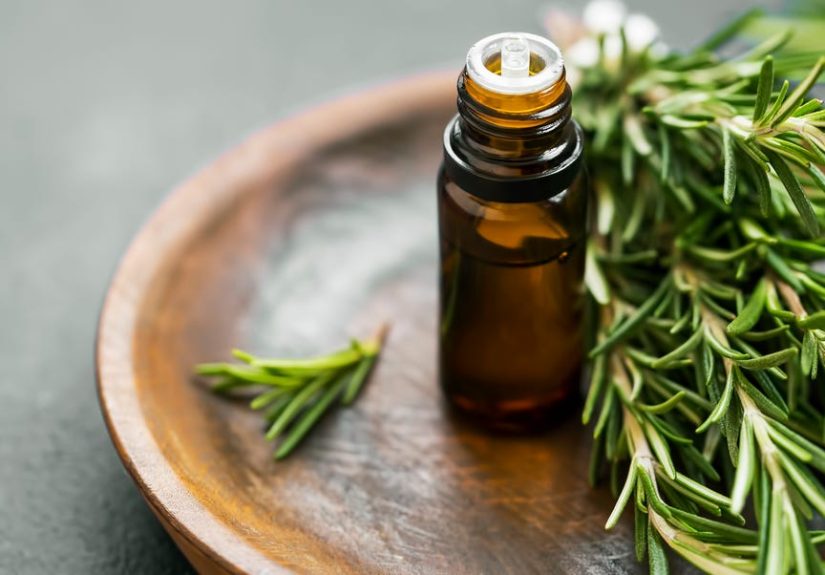
Essential oils are concentrated aromatic compounds extracted from plantsflowers, leaves, bark, roots, peels, and resins.
They’re typically used in two main ways:
- Aromatically: inhaled (from a tissue, steam bowl, or diffuser)
- Topically: applied to skin only after dilution in a carrier oil (like jojoba, almond, or coconut)
The word “essential” doesn’t mean “necessary for your health.” It means the oil contains the plant’s “essence” (its fragrance compounds).
And those compounds can absolutely interact with your bodyjust not always in the way marketing promises.
How Could Essential Oils Work?
1) Your nose has a direct line to your brain
Smell is tightly linked to brain regions involved in emotion, memory, and stress response. That’s why one scent can transport you to
your grandmother’s kitchen, a beach vacation, or (unfortunately) your high school locker room. Aromatherapy may support relaxation by
nudging your nervous system toward “calm mode.”
2) Some oils have measurable biological activity
Certain essential oil compounds show antimicrobial or anti-inflammatory activity in lab settings. The catch: results in a petri dish don’t automatically
translate to safe, effective treatment in real humans. Your skin barrier, metabolism, and dosage limits matter.
3) The “ritual effect” is real (and not an insult)
A consistent wind-down routinedim lights, slow breathing, calming scentcan improve sleep and stress even if the oil is only part of the story.
If an essential oil helps you stick to a healthy ritual, that’s still a meaningful benefit.
So… Do Essential Oils Work? What the Evidence Suggests
The strongest, most consistent evidence for essential oils tends to cluster around symptom reliefnot disease treatment.
Think “may help you feel better,” not “replaces medical care.”
Where essential oils may help (reasonable expectations)
Stress, anxiety, and relaxation
Lavender is the poster child here, and for good reason: it’s frequently studied and commonly reported as calming.
Some research suggests aromatherapy (including lavender and citrus oils) may reduce short-term anxiety in certain settingslike medical or
high-stress environments. The effects are typically modest, but for many people, modest is still welcome.
Practical takeaway: If you’re looking for a gentle nudge toward calmespecially paired with breathing, stretching, or a bedtime routinearomatherapy is one
of the more defensible uses of essential oils.
Sleep support
“Sleep” is tricky because a thousand variables affect it (caffeine, stress, screens, temperature, pets practicing parkour at 2 a.m.).
But lavender aromatherapy has been studied as a relaxation aid that may improve perceived sleep quality for some people.
The improvement usually looks like easier wind-down and better bedtime moodnot a knock-you-out sedative effect.
Nausea and queasiness
Ginger and peppermint scents are commonly used for nausea. In some clinical contexts, aromatherapy has been explored for nausea relief,
especially situational nausea (like treatment-related nausea). Results can be mixed, but this is another area where a low-risk, inhaled approach
may be worth tryingassuming it doesn’t irritate your airways or trigger headaches.
Mild aches, tension, and “I slept weird” soreness
For muscle tension and minor discomfort, diluted oils used in massage may help largely because massage helpsand scent can enhance relaxation.
If it encourages you to do gentle self-care (movement, hydration, stretching), that’s a win.
Skin support (with caution)
Tea tree oil gets attention for acne and minor skin concerns. Some sources note it might help for acne when used properly and diluted, but it can
also irritate skinand it’s toxic if swallowed. In other words: “potentially helpful” lives right next to “can cause problems.”
Practical takeaway: If you want to try tea tree for acne, choose a reputable, pre-formulated product designed for skin, patch test first, and avoid DIY
high-concentration experiments.
Room fragrance and mood cues
This is the unglamorous truth: a lot of the benefit people feel from essential oils is simply having a pleasant environment. That’s not nothing.
If a scent helps you focus at your desk or unwind after work, it’s functioning like a sensory cue for your brain.
Where the Claims Get Wobbly (or Flat-Out Wrong)
If you see essential oils marketed as cures or replacements for medical treatment, that’s your cue to raise an eyebrow so high it needs its own zip code.
Here are common overclaims:
- “Essential oils treat or cure disease.” Evidence is generally insufficient, and products making drug-like claims raise regulatory red flags.
- “Ingesting oils is the best way to get benefits.” This is where risk climbs fast. Ingestion can be toxic and may interact with medications.
- “Natural means safe.” Poison ivy is natural. So is rattlesnake venom. Nature is not a safety label.
- “Diffusers are harmless.” Diffused oils can irritate airways and affect others in shared spaces, especially kids and people with asthma/COPD.
Essential Oil Safety: The Rules That Matter Most
If you remember only one section from this entire article, make it this one. Because the biggest essential-oil risks come from a few predictable mistakes.
1) Don’t ingest essential oils (unless specifically directed by a qualified clinician)
Essential oils are highly concentrated. Swallowing them can cause serious symptoms, especially in children. Even small amounts can be dangerous.
If someone has ingested an essential oilparticularly tea tree, eucalyptus, wintergreen, or camphorcontact poison control immediately.
2) Dilute before applying to skin
Undiluted oils can cause irritation, allergic reactions, or burns. A typical “everyday” dilution for many adults is around 1–2% (which is
roughly 1–2 drops per teaspoon of carrier oil), but sensitivity varies. When in doubt, go lower.
3) Patch test like a reasonable person, not a fearless pioneer
Try a small amount of the diluted blend on a small area and wait 24 hours. If redness, itching, or burning shows up, your skin has voted “no.”
4) Watch out for sun sensitivity
Some citrus oils (and certain blends) can increase the risk of sunburn or skin reactions after UV exposure. If you use a citrus-containing product
on skin, avoid sun exposure on that area for a whileor choose products specifically formulated to minimize that risk.
5) Diffusers: use less, ventilate more
Diffusion spreads scent into the air, which means everyone nearby is “using” it too. Keep sessions short, use the smallest amount needed,
and ensure good ventilation. Avoid diffusing around babies and very young children, and be cautious if anyone has asthma, COPD, migraines,
or scent sensitivity.
6) Pregnancy and breastfeeding require extra caution
During pregnancy (and while breastfeeding), risk-benefit decisions change. Guidance often emphasizes minimal use, avoiding ingestion,
and being cautious with skin application due to sensitivity and limited safety data for many oils.
If you’re pregnant or nursing, talk with your healthcare team before using essential oils beyond basic fragrance exposure.
7) Keep oils away from kids and pets
Essential oils can be attractive to children (tiny bottles! nice smells!) and dangerous if swallowed. Store them like medications: locked and out of reach.
Pets may also be more sensitive to airborne oils, and some can become ill from exposureespecially in poorly ventilated spaces.
How to Choose Essential Oils Without Getting Tricked by the Label
The quality of products on the market varies. Some are pure; others are diluted or contain additives, and labeling may not always tell the full story.
A few tips to shop smarter:
- Prefer reputable brands that provide transparent ingredient info and sourcing details.
- Be skeptical of “cure-all” marketing or medical promises.
- Look for safety guidance on dilution, intended use, and warnings.
- Choose pre-formulated skin products when possible instead of DIY mixing.
Practical Ways to Use Essential Oils (Safely) for Real-Life Benefits
Routine #1: A 5-minute stress reset
- Put 1 drop of lavender (or a calming blend) on a tissue.
- Hold it a few inches from your nosedon’t glue it to your face.
- Inhale slowly for 4 counts, exhale for 6 counts, repeat for 2–3 minutes.
- Pair with a quick shoulder roll or neck stretch.
This works best as a pattern: your brain learns “this smell = unwind time.”
Routine #2: Bedtime cue without the drama
- 30 minutes before bed, dim lights and put your phone on “do not disturb.”
- Diffuse a small amount briefly (or use a tissue method) while you read or stretch.
- Turn the diffuser off before you fall asleep (especially if you’re scent-sensitive).
Routine #3: Post-workout muscle comfort
- Mix a low dilution of a soothing oil in a carrier oil (or use a pre-made product).
- Massage gently into sore areas after a shower.
- Stop if skin tingles, burns, or turns redcomfort should feel like comfort.
Myths vs. Facts (Quick Reality Check)
- Myth: “If it’s natural, it can’t hurt me.”
Fact: Essential oils can irritate skin, trigger allergies, and cause poisoning if misused. - Myth: “More drops = more benefit.”
Fact: More often means more irritation, more headaches, and more regret. - Myth: “Diffusers are safe for everyone.”
Fact: Airway irritation and sensitivity are real, especially for asthma/COPD and small children. - Myth: “Essential oils replace medicine.”
Fact: They may complement care for certain symptoms, but they are not proven cures.
Experiences: What a “Realistic Week With Essential Oils” Often Looks Like (500+ Words)
Below is a composite, realistic set of experiences many people report when they try essential oils thoughtfully and safely.
Think of it like a “field guide” to what tends to happen when expectations are reasonable and the safety rules are followed.
Day 1: The excitement phase (and the “why is everything so strong?” moment)
You open the bottle, take one confident sniff, and immediately learn a life lesson: essential oils are not perfume. They’re concentrated.
You try a diffuser with the amount you think makes sense… and your living room smells like a lavender bakery exploded.
The funny part? You still like it. The not-funny part? Someone else in the house says it’s “a lot.” This is usually when people learn that
fewer drops and better ventilation magically improve the experience.
Day 2: The ritual starts doing the heavy lifting
You try the tissue method before a stressful callone drop, a few slow breaths. Nothing cinematic happens.
No angels sing. No thunderclap of calm. But your shoulders unclench a bit, and you feel a tiny shift.
That’s the moment many people realize aromatherapy is more like a gentle nudge than a prescription-strength fix.
Day 3: The bedtime experiment (surprisingly… decent)
You pair a calming scent with a predictable wind-down routine: lights low, phone away, the same short breathing pattern.
The first night, you fall asleep maybe 10 minutes faster. Or you wake up the same amount but feel less “wired.”
Lots of people describe this as the biggest early win: not “perfect sleep,” but a smoother landing into sleep.
Day 4: The “oops, my skin has opinions” reminder
Someone gets brave and tries a topical DIY blendmaybe too strong, maybe not patch-tested.
The skin responds with mild redness or itching. It’s not dramatic, but it’s annoying enough to reinforce a rule:
dilution and patch testing aren’t boringthey’re what keep “self-care” from becoming “why is my arm spicy?”
Day 5: The headache plot twist
A common experience: a scent that felt relaxing on Day 2 feels overwhelming on Day 5especially if you’re tired, dehydrated,
or stressed. Peppermint, eucalyptus, or strong blends can be polarizing. Some people feel refreshed; others get a headache.
This is when users often switch to shorter sessions, lighter scents, or non-diffuser methods.
Day 6: The social learning curve
If you share space with others, you learn quickly that “I love this scent” doesn’t mean “everyone’s lungs agree.”
Maybe a family member has asthma, a roommate hates florals, or a toddler becomes mysteriously cranky.
Many people end up treating diffusers like background music: fine when it matches the room, rude when it’s forced.
Day 7: The balanced conclusion
After a week, most people who stick with essential oils land on a middle-ground truth: they’re useful as a support tool.
They can make routines more calming, environments more pleasant, and self-care more consistent.
But they don’t replace medical advice, and careless use can backfire.
The best long-term users tend to be the ones who stay curious, keep doses low, respect sensitivities, and treat oils as “optional helpers,”
not miracle cures.
Conclusion
So, do essential oils work? They canespecially for mood cues, stress relief, relaxation rituals, and some symptom support like sleep or nausea.
But the benefits are typically modest, the research is mixed for many claims, and safety matters more than most labels admit.
If you use essential oils like a responsible adult (dilute, don’t ingest, ventilate, and don’t diffuse your entire household into a fog),
they can be a pleasant, occasionally helpful addition to your wellness routine. If you use them like a dare, they can become a problem fast.
Choose the calm path. Your skinand your householdwill thank you.