Table of Contents >> Show >> Hide
- Why White Paint Creates Such a Dramatic Fireplace Makeover
- What the “After” Usually Looks Like
- Choose the Right White: Crisp, Soft, or Washed
- Before You Paint: What Homeowners Need to Know
- How to Get the Best Results
- Mistakes That Ruin the Look
- Styling Ideas That Make White Brick Look Even Better
- Is a White Painted Brick Fireplace Worth It?
- Experience Notes: What People Often Notice After the Makeover
Some home upgrades whisper. A white painted brick fireplace practically kicks down the door, flips on the lights, and announces that the room has joined this decade. If you have an old red-brick fireplace that feels heavy, orange, dark, or just plain stubborn, painting it white can create one of the most dramatic low-demolition transformations in the house.
That is the magic of this makeover: the structure stays, the vibe changes. The same bulky fireplace that once looked like it belonged to a den with brown shag carpet can suddenly feel bright, tailored, airy, and surprisingly expensive. No jackhammer. No full rebuild. No emotional support team for tile demolition. Just paint, prep, and a smart plan.
But the dramatic results of a white painted brick fireplace are not only about color. They come from what white does to texture, scale, contrast, and light. White visually softens rough brick, tones down busy mortar lines, and helps the fireplace either stand out as a crisp focal point or blend beautifully into the wall. It can work in farmhouse rooms, modern spaces, traditional homes, transitional living rooms, coastal interiors, and even awkward basements that need all the help they can get.
This guide breaks down why the makeover looks so striking, what kind of white finish creates the best effect, how to avoid rookie mistakes, and what homeowners actually experience after the transformation. If you have ever stared at a dated brick hearth and thought, “You are one bucket of paint away from a personality transplant,” you are in exactly the right place.
Why White Paint Creates Such a Dramatic Fireplace Makeover
It instantly brightens the room
Traditional red or brown brick absorbs visual attention and can make a room feel darker, especially if the brick extends floor to ceiling. White changes that equation fast. It reflects more light, reduces the visual heaviness of the masonry, and makes the area around the hearth feel more open. In smaller rooms or older homes with limited natural light, this can be the design equivalent of opening the curtains after a three-day nap.
It turns a “feature” into a focal point
There is a big difference between a focal point and a visual obstacle. Dated brick often dominates a room for all the wrong reasons. White paint keeps the architectural character of the brick but removes the color distraction. The eye still notices the fireplace, yet now it reads as intentional, polished, and integrated with the rest of the design.
It modernizes without erasing texture
One reason painted brick works so well is that it updates the color while keeping the texture. You still get depth, grout lines, and that slightly irregular handmade feel that brick brings. The result feels cleaner and more current than red brick, but less flat than drywall or a fully covered surround.
It works with more decorating styles
A white painted brick fireplace plays nicely with almost everything: black accents, warm wood mantels, brass sconces, layered art, soft linen furniture, navy built-ins, rustic beams, and minimalist styling. That flexibility is a major part of the transformation. Once the brick is white, it stops dictating the room’s color story and starts supporting it.
What the “After” Usually Looks Like
The most dramatic results of a white painted brick fireplace usually show up in four very specific ways.
1. The room feels larger
Dark, reddish brick can visually push into a room. White tends to pull back. The fireplace still has presence, but it no longer feels like a giant block parked in the seating area. In open-plan living rooms, painting brick white can help the fireplace feel connected to nearby walls, shelving, and trim instead of looking like a leftover from a completely different house.
2. The fireplace looks cleaner and more intentional
Even when the brick is structurally fine, older fireplaces can look dusty or dingy because of uneven coloration, soot staining, and years of wear. White paint creates a cleaner surface and a more edited look. Suddenly the mantel decor makes sense, the artwork above the fireplace pops, and the hearth no longer reads as “vintage in a confusing way.”
3. Contrast becomes easier to control
White brick looks especially sharp when paired with a black firebox opening, dark screen, stained wood mantel, or darker walls nearby. That contrast adds depth without the orange-red undertone battle that natural brick often introduces. If you want modern farmhouse, Scandinavian, classic traditional, or soft contemporary, white is basically the overachiever in the group project.
4. Seasonal decorating gets much easier
A white fireplace is a neutral backdrop. That means greenery in winter, branches in spring, coastal objects in summer, or warm woods in fall all look more deliberate. If your mantel has ever looked like it was fighting the brick instead of complementing it, white paint solves a lot of that tension.
Choose the Right White: Crisp, Soft, or Washed
Not all white fireplaces produce the same effect. The finish you choose changes the mood.
Crisp bright white
This is the clean, fresh, high-contrast look. It works well in modern, transitional, and black-and-white interiors. It can make old brick look dramatically newer, but it also highlights imperfections if the prep work is sloppy.
Warm white or creamy off-white
This is often the safer choice for traditional rooms and homes with wood floors, warm neutrals, or vintage details. It softens the brick without making the fireplace feel stark. If your room already leans cozy, a warm white usually keeps it cozy instead of turning it clinical.
Whitewash or light wash
If you love the idea of white but feel nervous about fully covering the brick, whitewash is the middle path. It lets some natural variation show through, which can look especially beautiful in cottage, farmhouse, and older homes. The overall result is softer, more textured, and less formal.
Limewashed effect
This finish creates an aged, chalky, old-world appearance. It is less uniform than regular paint and can feel romantic and architectural. If standard paint is a crisp button-down shirt, limewash is a linen shirt with rolled sleeves and suspiciously perfect natural lighting.
Before You Paint: What Homeowners Need to Know
Painting brick is a long-term decision
This is the first reality check. Once brick is properly painted, going back to raw brick is difficult, messy, and usually not worth the drama. If you deeply love original masonry or own a historically sensitive home, think carefully before committing.
Prep matters more than the paint color
The best transformations happen when the brick is thoroughly cleaned, soot is removed, loose debris is brushed away, and any damaged mortar or cracks are repaired first. Paint cannot hide structural issues. It can only politely sit on top of them and make them slightly more expensive later.
Functional fireplaces need extra caution
The outer surround and face of a brick fireplace are one thing. The firebox or areas exposed to direct heat are another. Always follow fireplace-specific product guidance and manufacturer directions for any high-heat zones, inserts, trim, or metal components. A beautiful makeover is great. A beautiful makeover that also respects fire safety is better.
How to Get the Best Results
Clean thoroughly
Dust, soot, grease, and loose grit can sabotage adhesion. Start with a dry brushing or vacuum, then clean the brick according to appropriate masonry-safe guidance. Let it dry fully before moving on. Brick is porous, and rushing this step is an excellent way to create future regret.
Repair first
Patch damaged mortar, check for loose bricks, and make sure there are no moisture issues. A white finish can make surface defects stand out more, not less, so repairs are part of the makeover, not an optional side quest.
Prime for even coverage
Brick and mortar drink paint like they have been stranded in a desert. A quality masonry primer helps block stains, improve adhesion, and reduce the number of topcoats needed. It also helps create a more consistent finish across the brick face and the mortar joints.
Use a brush and roller combination
Brush the mortar lines and crevices first, then roll the brick face. That combination gives you deeper coverage without missing the texture. If you skip the brush step, the result can look patchy and half-hearted, like the fireplace lost interest midway through the makeover.
Sample the white first
White paint is full of sneaky undertones. Some look creamy, some look gray, some look sharp blue in north light, and some turn unexpectedly yellow next to wood floors. Test before you commit, especially if the fireplace sits near trim, built-ins, or a wall color you do not plan to change.
Mistakes That Ruin the Look
Choosing the wrong white for the room
A white that looks fresh on a paint chip can feel icy in a low-light room or muddy next to warm flooring. The dramatic result you want depends on harmony, not just brightness.
Ignoring the mantel and hearth
Sometimes the brick is not the only dated part. If the mantel is orange-toned, undersized, or stylistically disconnected, painting the brick may only solve half the problem. Some of the best makeovers pair white brick with a stained wood beam mantel, a cleaner shelf mantel, or updated hearth styling.
Overstyling the finished fireplace
Once the brick goes white, people get excited and start piling on mirrors, vases, lanterns, wreaths, books, garlands, candlesticks, and possibly a small village. Resist. White brick already adds texture. Let it breathe.
Expecting paint to fix bad proportions
Paint can transform appearance, but it cannot correct every architectural issue. If the fireplace is awkwardly scaled, has an odd insert, or lacks a proper mantel, white paint helps, but a full redesign may still be the stronger solution.
Styling Ideas That Make White Brick Look Even Better
- Pair it with black: A black firebox opening, screen, or picture frames create sharp, timeless contrast.
- Add warm wood: A reclaimed beam or medium-tone mantel prevents the white from feeling flat or sterile.
- Go monochrome: Paint the fireplace the same white as the wall if you want texture without a heavy focal point.
- Layer in natural materials: Linen, oak, jute, leather, greenery, and stone make a white fireplace feel rich instead of plain.
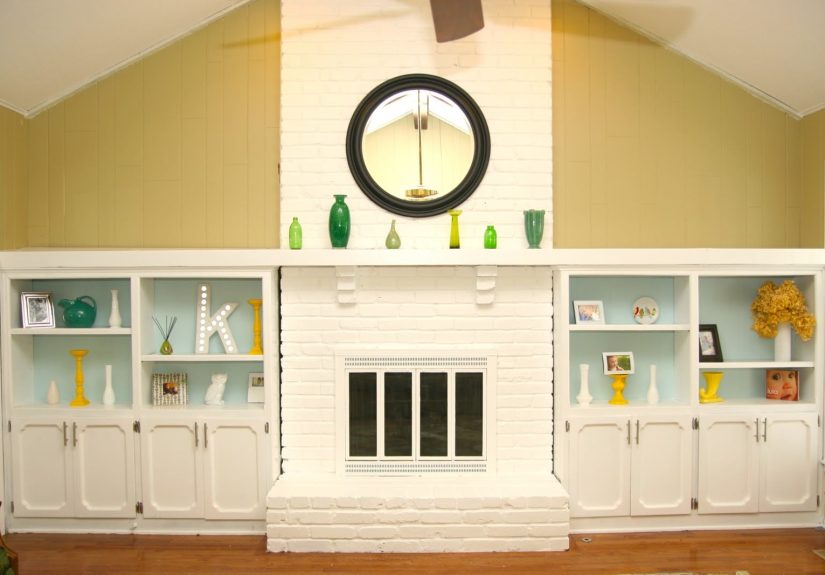
- Use oversized art or a round mirror: This balances the rectangular brick mass and gives the fireplace a finished, designer-style look.
Is a White Painted Brick Fireplace Worth It?
For many homeowners, yes. The visual payoff is huge compared with the cost. A white painted brick fireplace can brighten a dim room, calm an overly warm color palette, modernize an outdated surround, and make the whole living space feel more intentional. It is one of those rare upgrades that can look both dramatic and simple at the same time.
Still, it is not automatically the right choice for every fireplace. If you love natural brick, own a home where original masonry is an important historic detail, or prefer richer, moodier interiors, you may want to explore whitewash, limewash, or surrounding design changes first. The goal is not to blindly paint every brick in America. The goal is to make the room feel better, more cohesive, and more like home.
When it works, though, it really works. The dramatic results of a white painted brick fireplace come from a rare combination of affordability, speed, and visual transformation. It can make a room feel lighter, fresher, and more current without stripping away all of its character. And in design terms, that is a very nice trick for one humble bucket of paint.
Experience Notes: What People Often Notice After the Makeover
One of the most common experiences homeowners describe after painting a brick fireplace white is pure shock at how much larger the room feels. Nobody knocked down a wall. Nobody raised the ceiling. Yet somehow the entire living room seems more open. That reaction makes sense because the old visual weight of red or brown brick is gone. The fireplace still anchors the room, but it stops dominating every conversation, every photo, and every holiday gathering like an overly confident dinner guest.
Another common reaction is that the space suddenly feels cleaner even when nothing else has changed. The sofa is the same sofa. The rug is still the rug. The dog is still shedding at elite levels. But the fireplace no longer looks dusty, dated, or permanently stuck in a previous decorating era. White paint creates a fresher backdrop, so people often end up cleaning less aggressively around the hearth simply because the area no longer looks visually chaotic all the time.
Many homeowners also say their decor starts making more sense after the fireplace is painted. Artwork becomes easier to choose. Mantel styling stops feeling like a wrestling match. Greenery, candles, books, and seasonal decor suddenly look intentional instead of random. Even family photos tend to pop more against a white brick background. It is not that white paint magically teaches styling skills. It just removes one big design obstacle and gives the room a more neutral canvas.
There is often a small adjustment period, though. For the first few days, some people think the fireplace looks almost too bright because they are used to seeing dark brick. Then the furniture goes back in place, the mantel gets styled, the lighting settles, and the whole room starts to feel balanced. This is especially true when the fireplace is paired with warm woods, black accents, or soft textiles. The makeover needs a little context before it shows off properly.
Practical experiences matter too. Painted brick usually makes touch-ups and surface cleaning feel more manageable, but it can also reveal where prep work was rushed. Areas near soot, chipped mortar, or rough repairs may show through if they were not handled well. That is why so many successful DIY stories have the same moral: the transformation looks easy in the after photo because the boring prep work happened before the camera arrived.
Some homeowners discover that painting the fireplace inspires additional small updates. A chunky mantel gets replaced. The hearth gets restyled. Wall color gets reconsidered. A bulky mirror is swapped for larger art. This is not a sign that the fireplace project failed. It is usually proof that the room finally has a direction. Once the fireplace stops dragging the design backward, everything around it has a chance to move forward.
Of course, not every experience is a standing ovation. A few people miss the original brick character, especially if they loved the rustic warmth of natural masonry. That is why the decision deserves thought. But even those mixed reactions usually circle back to the same truth: the white painted fireplace changed the room dramatically. And if the goal was a brighter, lighter, more versatile living space, that dramatic result is exactly the point.