Table of Contents >> Show >> Hide
- First: You Can’t Literally “Brush” Your Lymph Nodes (They’re Not on the Surface)
- What Dry Brushing Actually Does (When Done Correctly)
- Potential Health Benefits (Realistic, Not Magical)
- Risks and Downsides (Where People Get Into Trouble)
- Who Should Avoid Dry Brushing (or Ask a Clinician First)
- How to Dry Brush “Lymph Node Areas” Safely (The Practical, Skin-Friendly Way)
- “Detox” Talk: What Dry Brushing Can’t Promise
- When to See a Healthcare Professional
- Real-World Experiences: What People Commonly Notice (About )
- Conclusion: A Helpful Ritual, If You Keep It Honest (and Gentle)
Dry brushing is one of those wellness habits that sounds both charmingly old-school and mildly suspiciouslike your grandma’s secret cure that “also works on squeaky doors.” The premise is simple: you take a firm (but not scary) bristle brush and sweep it across dry skin, usually before showering. Fans say it helps exfoliate, “boost circulation,” and even “support lymphatic drainage.” Skeptics say it mostly supports… the brush industry.
So what’s real, what’s wishful thinking, and where do your lymph nodes fit into all this? Let’s break it down in plain English, with realistic benefits, honest limitations, and the kind of safety notes your skin barrier would absolutely insist on if it could text you.
First: You Can’t Literally “Brush” Your Lymph Nodes (They’re Not on the Surface)
Your lymph nodes are bean-shaped filters that sit under your skin in key clusterslike the neck, armpits, and groin. They help trap unwanted stuff (like germs) as lymph fluid moves through your lymphatic system. They’re part of your immune system’s security team: not glamorous, but very busy.
Here’s the key detail: lymph nodes aren’t “exposed” like pores. When people say “dry brushing lymph nodes,” they usually mean dry brushing skin near lymph-node-heavy areas or using stroke patterns that move toward those drainage pathways (and ultimately toward the torso).
That distinction matters, because it helps you set expectations: dry brushing is not a medical technique that “clears lymph node blockages.” It’s a skin-focused practice that may overlap slightly with the general idea behind lymphatic massagewithout being the same thing.
What Dry Brushing Actually Does (When Done Correctly)
Dry brushing is a form of physical exfoliation. The bristles gently lift and sweep away dead skin cells from the surface (the stratum corneum). Think of it as housekeeping for flaky elbows, not a deep-clean of your internal plumbing.
Because it’s also a repetitive, rhythmic motion, dry brushing can feel like a light massage. That can temporarily increase surface blood flow, give the skin a warmer look, and create that “I am now a functioning adult” sensation people love before a shower.
Potential Health Benefits (Realistic, Not Magical)
1) Smoother, Less Ashy Skin (The Most Supported Benefit)
If you like your legs to feel less like sandpaper and more like “human skin,” dry brushing can helpbecause it exfoliates. Many people notice:
- Less flaking on arms, legs, and torso
- Smoother texture, especially on rough areas (knees, elbows)
- Better “glide” when applying moisturizer afterward
This is the benefit dermatology professionals most consistently agree with: physical exfoliation can make skin feel softerif you don’t overdo it.
2) A Temporary “Glow” (Mostly From Surface Changes)
After dry brushing, skin often looks a bit more vibrant. That’s usually due to temporary increased blood flow at the surface plus a smoother top layer reflecting light more evenly. It’s similar to what happens after a brisk towel rubjust with more ceremony and a fancier tool.
Also, because you typically moisturize after showering, you may credit the brush for the glow when your lotion is the real MVP.
3) “Boosted Circulation” (A Little True, Often Oversold)
Massage-like friction can temporarily increase local circulation in the skin. That doesn’t mean dry brushing improves cardiovascular health or “fixes poor circulation.” But as a short-term effect, yes: you may notice warmth and mild redness that fades fairly quickly.
4) Lymphatic Support: The Plausible Part and the Hype Part
The lymphatic system relies heavily on movementmuscle contractions, breathing, and general activity help shift lymph fluid along. Gentle massage techniques (like professionally taught manual lymphatic drainage) can be helpful for certain conditions, particularly lymphedema, when done correctly and under guidance.
Dry brushing is not the same as manual lymphatic drainage. The pressure and friction are different, and dry brushing focuses on the skin surface. That said, some people find that light, consistent strokes toward the torso feel like they reduce puffiness or heavinessespecially when combined with hydration, walking, and compression when medically indicated.
Bottom line: it may support a “feel-good” massage effect and encourage awareness of movement and routine, but strong claims about “detoxing lymph nodes” are not backed by robust clinical evidence.
5) Cellulite: A “Mirror Trick,” Not a Cure
Dry brushing is often marketed for cellulite reduction. What you’re more likely to get is a temporary improvement in appearanceskin can look a bit plumper from increased surface circulation and mild swelling. But cellulite is structural (fat, connective tissue, skin thickness), and brushing doesn’t permanently change that architecture.
If you like how your skin looks right after brushing, great. Just don’t let anyone sell you a brush with the promise of rewriting your genetics.
Risks and Downsides (Where People Get Into Trouble)
1) Irritation, Redness, and Skin-Barrier Damage
Physical exfoliation can be too much for many skin typesespecially if you press hard or do it daily. Overdoing it may lead to:
- Persistent redness or tenderness
- Dryness and tightness that gets worse instead of better
- Stinging when you apply lotion (a classic “your barrier is mad” sign)
- Itchiness or rough patches that resemble eczema flare-ups
A good rule: if your brush routine feels like “discipline,” your skin will eventually file a complaint.
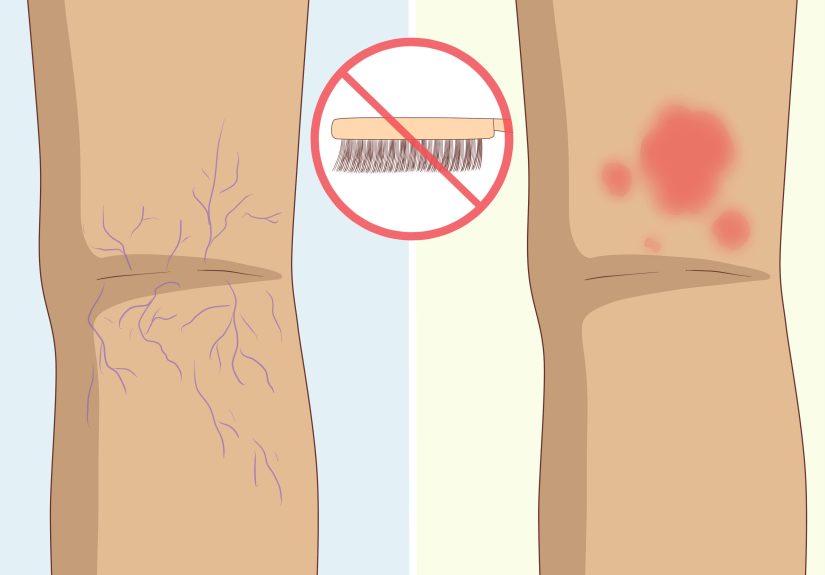
2) Not Great for Eczema, Psoriasis, Rosacea, or Very Sensitive Skin
If you have inflammatory skin conditions, friction can trigger flares. Even if your skin is calm today, repeated irritation can start a cycle of sensitivity that’s hard to break. For many people with these conditions, a soft washcloth (or dermatologist-approved exfoliation) is a safer move.
3) Hyperpigmentation Risk (Especially If You’re Prone to Dark Marks)
People with deeper skin tones or anyone prone to post-inflammatory hyperpigmentation (dark marks after irritation) should be extra cautious. Repeated friction can create irritation that leaves behind discolorationparticularly if you brush aggressively, brush the same area repeatedly, or skip moisturizer and sun protection afterward.
4) Infection Risk: Tiny Microtears + Dirty Brush = Bad Combo
Even “gentle” brushing can create micro-abrasions, especially on dry or thin skin. If your brush isn’t kept clean, bacteria can build up. That increases the risk of irritation, folliculitis, or infectionparticularly if you have compromised skin, shave frequently, or have a condition like lymphedema where skin infections can become serious.
5) Bruising and “Too Much Pressure” Problems
If you’re brushing hard enough to bruise, you’re not “stimulating lymph”you’re auditioning for a lawsuit from your own thighs. Bruising is a sign to stop and reassess pressure, frequency, and brush stiffness.
Who Should Avoid Dry Brushing (or Ask a Clinician First)
Dry brushing can be a harmless cosmetic habit for some people. But it’s not for everyone. Consider skipping or getting medical guidance if you have:
- Lymphedema (or a history/risk of it after cancer treatment)
- Recurring cellulitis or frequent skin infections
- Very sensitive skin, eczema, psoriasis, rosacea
- Open wounds, rashes, sunburn, or active acne/folliculitis in the area
- Unexplained swollen or painful lymph nodes (get evaluated rather than brushing near them)
- Immune suppression or conditions where skin injury is higher risk
How to Dry Brush “Lymph Node Areas” Safely (The Practical, Skin-Friendly Way)
Step 1: Choose the Right Brush
- Natural bristles are common, but softness matters more than the marketing.
- If you’re new, pick a softer brush. You can always go firmer later.
- A long handle helps reach your back without performing interpretive dance in the bathroom mirror.
Step 2: Keep Pressure Light
Think “polite broom,” not “power sander.” The goal is gentle stimulation and exfoliation, not friction burn.
Step 3: Use Smart Stroke Direction
Common technique is short strokes toward the heart:
- Feet → ankles → calves → knees → thighs
- Hands → forearms → upper arms
- Stomach: gentle clockwise circles (optional and very light)
- Back: sweep upward if you can reach comfortably
About “lymph node areas”: you don’t need to scrub your armpits or groin. These areas are sensitive, and aggressive brushing can irritate skin folds. If you brush near them at all, keep it extremely gentleor skip them and focus on limbs and torso.
Step 4: Time It Right
Most people do it before showering for 2–5 minutes. If your skin tolerates it well, you can work up slowly. More time is not automatically better.
Step 5: Shower, Then Moisturize Like You Mean It
Dry brushing can leave your skin thirstier. After showering:
- Apply a fragrance-free moisturizer (especially if you’re dryness-prone).
- If you exfoliate, take sun protection seriouslyirritated skin plus UV exposure is a recipe for trouble.
Step 6: Clean Your Brush
At least weekly (more if you use it often): rinse bristles with gentle soap, shake out excess water, and let it dry completely in a ventilated spot. A damp brush living in a steamy bathroom is basically a spa resort for microbes.
“Detox” Talk: What Dry Brushing Can’t Promise
Your body already has a detox system: liver, kidneys, lungs, skinthe whole squad. Lymphatic flow is important for immune function and fluid balance, but the leap from “movement supports lymph” to “this brush detoxes your lymph nodes” is marketing gymnastics.
If dry brushing helps you build a routine that includes movement, hydration, and skin care, that can be genuinely helpful. Just keep the claims grounded: it’s a self-care tool, not a medical cleanse.
When to See a Healthcare Professional
Stop dry brushing and get medical advice if you notice:
- Swollen lymph nodes that are painful, growing, or lasting more than a couple of weeks
- Fever, chills, or redness/warmth spreading on the skin
- Sudden swelling of an arm or leg (especially after cancer treatment or surgery)
- Open sores, weeping skin, or signs of infection
Real-World Experiences: What People Commonly Notice (About )
Dry brushing tends to inspire very strong opinions for a practice that basically involves… brushing yourself like a friendly horse. Here are the most common experiences people describe, along with what they likely mean.
“My skin feels ridiculously smooth afterward.”
This is the classic winand it’s the most predictable one. If you have dry patches, flaky legs in winter, or rough elbows, gentle brushing can remove that top layer of dead skin. People often notice the biggest difference on areas that get ignored in day-to-day washing, like the backs of arms or the fronts of shins. The effect is even more noticeable when they follow up with moisturizer right after showering.
“It wakes me up better than coffee.”
There’s something about the sensory inputfirm bristles, repetitive strokes, and warm skinthat feels energizing. Some people use it as a morning ritual because it creates a “reset” moment: you’re physically present, you’re doing something intentional, and it’s hard to doom-scroll while holding a brush. That alert feeling is real, but it’s more about the nervous system and routine than any mystical “lymph activation switch.”
“My legs look less puffy.”
This can happen, especially if someone pairs brushing with a shower, movement, and hydration. Light massage and activity can temporarily change how fluid sits in tissues, and smoother skin can make contours look more even. People who spend long hours sitting often report their legs feel “lighter” afterwardagain, not because lymph nodes got “unclogged,” but because gentle stimulation plus movement can feel relieving.
“It made my skin itchy/red, so I quit.”
Also extremely common. Many people start with too much pressure or a brush that’s too stiff. Others have underlying sensitivity, eczema tendencies, or they’re already using exfoliating acids and retinoidsso brushing becomes the final straw for the skin barrier. Those who succeed long-term usually scale down: softer brush, fewer sessions per week, lighter pressure, and a strong moisturizer afterward.
“It helped with ingrown hairs… until it didn’t.”
Gentle exfoliation can help prevent some ingrown hairs by keeping dead skin from trapping hairs. But aggressive brushing can irritate follicles, especially if someone shaves and brushes the same day. People who find a sweet spot often avoid brushing right after shaving and keep strokes light.
“I got obsessed and started doing it daily… then my skin freaked out.”
Overuse is a predictable plot twist. If someone treats dry brushing like a competitive sport, they may end up with chronic irritation, dryness, or discoloration. The most sustainable experience is boring (in a good way): occasional brushing, gentle pressure, clean brush, moisturize, repeatno heroics.
Conclusion: A Helpful Ritual, If You Keep It Honest (and Gentle)
Dry brushing can be a simple, satisfying way to exfoliate and support a skin-care routineespecially if you love that smooth-skin payoff. Claims about “dry brushing lymph nodes” are usually shorthand for brushing in a direction that may feel supportive and massage-like, not a guarantee of medical lymphatic benefits.
If you want to try it, go slow: gentle pressure, skip sensitive areas, moisturize afterward, and keep your brush clean. If you have lymphedema risk, chronic skin issues, or unexplained swollen lymph nodes, it’s smarter to get professional guidance first. Your lymphatic system is importantso is your skin barrier. Both deserve respect, not aggressive scrubbing.
Informational only. Not medical advice. If you have symptoms or a medical condition, consult a qualified healthcare professional.