Table of Contents >> Show >> Hide
Note: This article is for informational purposes only and should not replace medical advice.
Dry elbows are one of those sneaky little skin annoyances that can go from “meh, a little rough” to “why do my sleeves feel like sandpaper?” in record time. The good news is that dry elbows are often caused by plain old dry skin, also called xerosis. The less-fun news is that stubborn elbow dryness can also be tied to eczema, psoriasis, contact dermatitis, aging skin, climate, or even certain health conditions.
Because elbows deal with constant bending, rubbing, leaning, and general life chaos, they tend to look rougher faster than other areas. And since most people do not exactly apply body cream to their elbows with spa-level devotion, this area often gets ignored until it starts flaking, itching, or turning into a patchy little drama queen. The upside? A smart routine usually helps. The real trick is knowing when dry elbows are just thirsty skin and when they are trying to tell you something more.
What Are Dry Elbows, Exactly?
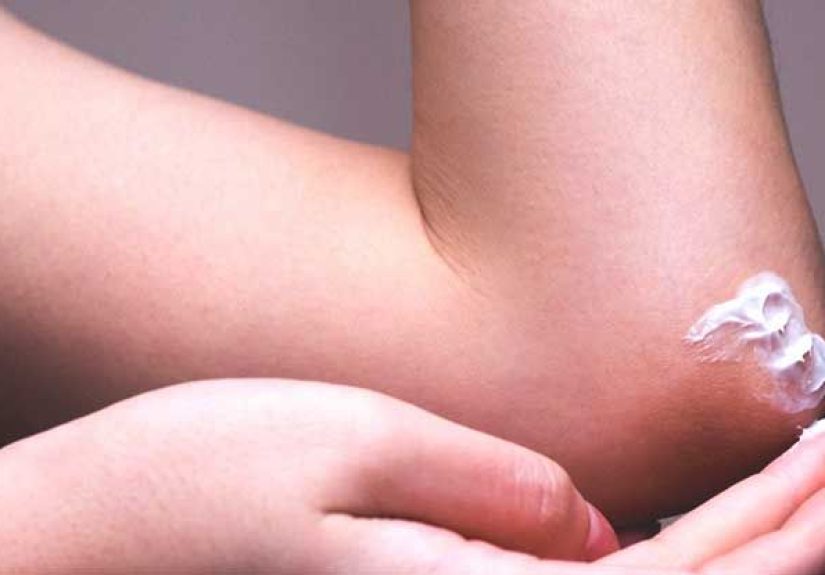
Dry elbows happen when the skin loses too much moisture and cannot hold on to enough of it to stay smooth and comfortable. The result is roughness, flaking, scaling, tightness, and sometimes tiny cracks. In mild cases, elbows simply feel dry and look dull. In more intense cases, the skin can become thick, itchy, darker or lighter than the surrounding area, or even sting when water or lotion touches it.
That is why people often describe dry elbows in dramatically accurate terms like “ashy,” “crusty,” “scaly,” or “weirdly reptilian.” Dermatology may prefer “xerosis,” but your mirror probably prefers “please moisturize me immediately.”
Common Causes of Dry Elbows
1. Plain dry skin
Sometimes the answer really is the obvious one. Cold weather, low humidity, indoor heating, long hot showers, harsh soaps, and not moisturizing enough can all strip moisture from the skin. If your elbows feel worse in winter or after aggressive scrubbing, simple xerosis is a strong possibility.
This is especially common as people get older. Skin naturally produces less oil over time, and that makes it easier for rough, flaky areas to show up. Dry elbows can also pop up faster in people whose jobs or routines expose them to lots of water, detergents, or irritating products.
2. Eczema
Eczema is a broad term for inflammatory skin conditions that often cause dry, itchy, irritated skin. Atopic dermatitis, the most common type, tends to affect skin folds such as the inside of the elbows. If your elbow area is itchy enough to make you want to scratch like a cartoon bear against a tree, eczema moves up the suspect list.
Eczema-related dryness often comes with redness, irritation, recurring flares, and sensitivity to soaps, fragrances, rough fabrics, sweat, or stress. In some people, the skin is dry all the time, even between flare-ups. That is because the skin barrier is not doing its full job, so moisture escapes more easily.
3. Contact dermatitis
If your elbows seem fine until they meet a specific body wash, detergent, fragrance, lotion, fabric, or workplace chemical, contact dermatitis may be the culprit. This can be either irritant contact dermatitis, where something directly damages the skin, or allergic contact dermatitis, where your immune system reacts to a trigger.
Clues include itching, flaking, redness, cracking, or a rash that appears after repeated exposure. Think: new laundry detergent, heavily scented body products, wool sleeves, cleaning sprays, or frequent rubbing from gym gear and uniform fabrics.
4. Psoriasis
Psoriasis loves elbows. Not in a cute way. In a “I am setting up camp here” way. This chronic inflammatory skin condition commonly causes thick, scaly plaques on the elbows, knees, trunk, and scalp. The patches are often well-defined and may look red, pink, violet, brown, or darker than nearby skin, depending on skin tone. Many people also notice silvery or flaky scale.
If your “dry elbows” are really thick patches that keep coming back, crack, flake heavily, or do not improve much with regular moisturizer, psoriasis is worth considering. Extra clues can include nail pitting, scalp scale, or joint pain and stiffness.
5. Friction and everyday elbow abuse
Elbows are not delicate. They bend all day, rub against clothing, rest on desks, and get leaned on during work, reading, scrolling, and existential staring. That constant mechanical stress can make already dry skin feel thicker and rougher. Even if friction is not the root cause, it often makes the problem more noticeable.
6. Health conditions and medications
Sometimes persistent dry skin is linked to bigger-picture issues such as thyroid disease, diabetes, kidney disease, nutrient deficiencies, or medication side effects. Dry elbows alone do not mean something serious is going on, but if dryness is widespread, new, stubborn, or paired with other symptoms, it is smart to look beyond the lotion aisle.
Best Remedies for Dry Elbows
Use a thick moisturizer, not a wish and a prayer
When elbows are rough, lightweight body lotion often does not cut it. Reach for a cream or ointment instead. Look for ingredients like ceramides, glycerin, petrolatum, urea, or lactic acid. These can help pull water into the skin, seal it in, and soften buildup. If your elbows are flaky but not cracked, a urea or lactic acid cream can be especially helpful for smoothing stubborn roughness.
Apply moisturizer at least twice a day, and always after bathing while the skin is still slightly damp. That “damp skin” part matters. It helps lock in the water your skin just picked up instead of letting it evaporate into the universe five minutes later.
Short, warm showers win
Hot water feels amazing and can still be the villain. Long, hot showers strip away oils that help protect your skin barrier. Keep showers short, stick with warm water, and pat your skin dry instead of rubbing like you are polishing furniture.
Switch to gentle cleansers
Deodorant soaps, strong body washes, and heavily fragranced products can make dry elbows worse. Choose mild, fragrance-free cleansers and avoid using harsh soap over your entire body if you do not need it. If a product makes your skin sting, burn, or tighten, that is not “working.” That is your skin filing a complaint.
Stop over-scrubbing
When elbows look rough, the instinct is often to exfoliate harder. Unfortunately, that can backfire. Aggressive scrubs, rough washcloths, and abrasive brushing can irritate the skin and worsen dryness. Gentle chemical exfoliants in a moisturizer, such as urea or lactic acid, are usually a smarter move than scrubbing with heroic enthusiasm.
Try an overnight repair routine
At night, apply a thick cream or petrolatum-based ointment to your elbows. If the skin is very dry, do this after bathing. Consistency matters more than complicated routines. You do not need a 14-step ritual. You need a solid moisturizer and the discipline to remember your elbows exist.
Use hydrocortisone carefully if itch is part of the picture
If your elbows are itchy and inflamed, an over-the-counter hydrocortisone product may help for a short time. But if you need it frequently, or if the area is very thick, very scaly, or not improving, get medical guidance. Persistent elbow symptoms may need treatment tailored for eczema or psoriasis rather than a generic “maybe this helps” approach.
Protect against triggers
If dry elbows flare after certain products or fabrics, simplify your routine. Switch to fragrance-free laundry detergent, avoid scratchy materials, and be careful with fragranced lotions, alcohol-heavy products, and cleaning agents. If your job involves wet work or chemicals, protecting the skin becomes part of treatment, not an optional bonus round.
Consider indoor humidity
When the air is dry, your skin pays for it. A humidifier can help, especially in winter or in heavily heated or air-conditioned spaces. It is not magic, but it can make your moisturizers work harder for you instead of fighting against dry indoor air.
When Dry Elbows Might Be Something More
Not every rough patch is just basic dryness. You should think beyond simple xerosis if you notice any of the following:
- Thick plaques with obvious scale
- Persistent itching that disrupts sleep or daily life
- Cracks that bleed or hurt
- Redness, swelling, pus, or yellow crusting
- Rash that keeps returning in the same spot
- Dryness on the inside of the elbows along with a history of allergies or asthma
- Nail changes, scalp scale, or joint stiffness
- Dry skin that does not improve after a few weeks of good skin care
Those signs can point toward eczema, psoriasis, contact dermatitis, infection, or another condition that deserves a real diagnosis. If the skin becomes painful, infected-looking, or spreads, do not just keep upgrading your moisturizer and hoping for a plot twist.
How to Prevent Dry Elbows
Prevention is wonderfully boring, which is exactly why it works. Moisturize daily. Use warm, not hot, water. Pick gentle, fragrance-free products. Avoid over-scrubbing. Notice your triggers. Protect your skin from harsh chemicals and repeated irritation. And if you know winter turns your elbows into rough little chalkboards, start your routine before they get bad, not after.
Also, yes, your elbows count as skin. Revolutionary concept, I know.
Real-Life Experiences With Dry Elbows
Many people do not notice dry elbows all at once. It usually sneaks in. First, the area feels a little rough when putting on a sweater. Then it starts looking dull or ashy. Then one day you lean on a desk during a meeting and realize your elbow feels like it belongs to a very tired lizard. That slow build is common, especially in winter, after lots of hot showers, or during periods of stress when skin conditions tend to flare.
For some people, dry elbows are mostly a cosmetic annoyance. They notice flakes on dark clothing, feel self-conscious in short sleeves, or get irritated by how uneven the skin texture looks in photos. Others have a more uncomfortable experience. They describe the area as tight after showering, itchy in the evening, or stingy when lotion goes on. When cracks form, even simple things like resting your arms on a table or pulling on a sweatshirt can become surprisingly irritating.
People with eczema often talk about the itch-scratch cycle. The elbow area feels dry, so they scratch. Scratching makes the skin more inflamed, which makes it itch more, which leads to more scratching. It is a deeply unhelpful loop. Some say the inside of the elbows flares during stressful weeks, travel, allergy season, or after trying a new body product. Others notice their skin behaves better when they stick to a simple routine and much worse when they start “experimenting” with ten trendy products at once.
People with psoriasis often describe a different experience. Instead of diffuse dryness, they notice a more defined patch that keeps returning to the same elbow. The scale can feel thicker, the flaking can be more obvious, and regular body lotion may barely make a dent. Some say they assumed it was dry skin for months until they noticed scalp flaking, nail pitting, or similar patches on the knees. That is a good reminder that elbow dryness is not always just dryness wearing a disguise.
There is also the daily-life factor nobody talks about enough: elbows take a beating. Students lean on them while studying. office workers park them on desks all day. Parents scrub, lift, carry, clean, and forget to moisturize until bedtime. Gym-goers rub them against mats and benches. People who work with water, detergents, or irritating materials may find that their entire skin barrier gets cranky, with the elbows joining the protest.
The most encouraging experience people report is also the least glamorous: consistency works. A fancy shelf full of products is less helpful than one thick fragrance-free cream used every day. Many people see meaningful improvement after a week or two of shorter showers, gentler cleanser, and moisturizing on damp skin. Others need prescription treatment because the dryness is actually eczema, psoriasis, or dermatitis. Either way, the turning point usually comes when people stop treating rough elbows like a random nuisance and start treating them like skin that needs support, protection, and occasionally a little professional backup.
Conclusion
Dry elbows are common, manageable, and often improve with a simple skin-barrier routine: short warm showers, gentle cleansers, thick moisturizers, and less irritation. But if the dryness is severe, itchy, cracked, recurring, or clearly rash-like, it may be more than ordinary dry skin. Eczema, psoriasis, and contact dermatitis can all show up around the elbows, and they often need more targeted treatment. In other words, sometimes your elbows just want moisturizer. Sometimes they want a dermatologist. The smart move is knowing the difference.