Table of Contents >> Show >> Hide
Dry hair has a talent for showing up uninvited. One week your hair is behaving like a civilized citizen, and the next it feels like decorative straw with opinions. It looks dull, tangles easily, frizzes at the first hint of humidity, and seems personally offended by your brush. The good news is that dry hair is common, often manageable, and usually improves once you figure out why it is happening.
That “why” matters more than people think. Dry hair can come from simple daily habits like overwashing, using too much heat, or coloring your hair into another dimension. But sometimes the issue is not your shampoo at all. A flaky scalp, a fungal infection, a thyroid problem, iron deficiency, or another medical condition can also show up through changes in your hair. In other words, the solution is not always “buy a fancier conditioner and hope for the best.”
This guide breaks down the real causes of dry hair, the treatments that actually make sense, and how dry hair is diagnosed when home fixes are not enough. Think of it as a practical roadmap for hair that has had a rough season and would like some compensation.
What Dry Hair Really Means
Dry hair usually means the hair shaft is not holding onto enough moisture and natural oils to stay smooth, flexible, and shiny. When the outer layer of the hair becomes rough or damaged, moisture escapes more easily. That is when hair starts looking frizzy, feeling coarse, and snapping off more often than you would like.
Common signs include:
- A rough, coarse, or straw-like texture
- Dullness and lack of shine
- Frizz and flyaways
- Tangling, especially at the ends
- Split ends and breakage
- An itchy or flaky scalp in some cases
Dry hair can affect any hair type. Straight hair can look limp and fuzzy. Curly and coily hair may feel brittle, lose definition, or break at weak points. Textured hair is especially prone to dryness because natural scalp oils do not travel down the hair shaft as easily. So if your curls feel thirsty all the time, that is not you being dramatic. That is physics.
Common Causes of Dry Hair
1. Overwashing and harsh shampoos
One of the biggest offenders is washing too often with a shampoo that strips away natural oils. Hair does need cleansing, but it does not need to be aggressively scrubbed into submission every day. Strong detergents, heavily fragranced formulas, and rough washing habits can leave both the scalp and the hair shaft drier than they started.
A gentler routine often helps: shampoo the scalp rather than the full length, wash less often if your hair type allows, and follow every wash with conditioner. The ends of the hair are usually the driest part, so they need the most kindness.
2. Heat styling and hot tools
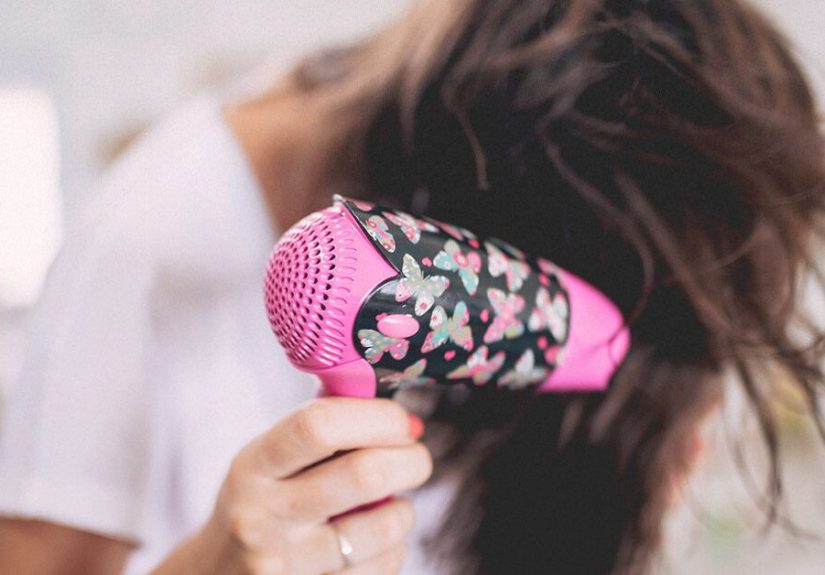
Blow dryers, flat irons, curling irons, and hot combs can all weaken the hair shaft over time. Heat lifts and stresses the outer layer of the hair, which makes moisture loss more likely. That is why hair can go from smooth to crunchy after a season of daily blowouts and a “just one more pass” relationship with the straightener.
The fix is not necessarily to ban heat forever. It is to use less of it, use lower settings, and always apply a heat protectant. Air drying part of the time can also make a real difference.
3. Chemical processing
Bleach, highlights, perms, relaxers, chemical straightening, and frequent coloring can all dry out hair. These processes change the structure of the hair shaft. That can make hair feel softer for a minute and far weaker a month later. If hair suddenly feels rough, snaps easily, or develops split ends after chemical services, the connection is rarely mysterious.
For chemically treated hair, moisture and damage control need to become part of the regular routine, not a once-a-month apology.
4. Weather, water, and environmental stress
Cold weather, low humidity, wind, strong sun exposure, pool chemicals, and salt water can all leave hair drier than usual. Winter is especially rude to both scalp and hair. Indoor heating lowers humidity even more, so hair loses softness and flexibility faster. Swimmers can also notice dryness, roughness, and tangling from repeated pool exposure.
If your hair gets dramatically worse in winter or after beach and pool days, that pattern matters. Seasonal dryness often improves with richer conditioning, gentler cleansing, and simple protective habits such as rinsing hair after swimming.
5. Tight hairstyles and friction
Tight ponytails, buns, braids, cornrows, extensions, and weaves can create constant tension. That tension may not only make hair feel dry and fragile, but also increase breakage and even contribute to traction alopecia over time. Friction from rough towel-drying, vigorous brushing, or yanking through tangles can do similar damage.
If your hairline is thinning, you notice short broken hairs near the edges, or your style hurts, your hair is not “getting used to it.” It is filing a complaint.
6. Scalp conditions that masquerade as dry hair
Sometimes the problem is not the hair first. It is the scalp. Dry scalp, dandruff, seborrheic dermatitis, psoriasis, contact dermatitis from hair products, and scalp ringworm can all cause itching, flaking, irritation, and changes in the way hair looks and behaves.
This is where people get tripped up. A flaky scalp does not always mean the scalp is “too dry.” Dandruff and seborrheic dermatitis are often linked to oil and inflammation, not just lack of moisture. Ringworm, despite the name, is a fungal infection and can cause scaly patches and hair loss. If flakes come with redness, patchy hair loss, soreness, or swollen bumps, stop guessing and get it checked.
7. Medical conditions and nutritional issues
Dry, brittle, thinning, or easily broken hair can sometimes be a clue to a health issue. Examples include hypothyroidism, iron deficiency, major illness, rapid weight loss, restrictive dieting, and some rare inherited hair shaft disorders. In some cases, autoimmune conditions or hormonal changes can also contribute to hair and scalp changes.
This does not mean every bad hair day is a medical emergency. It does mean that if dry hair appears along with fatigue, feeling cold all the time, constipation, hair shedding, brittle nails, scalp symptoms, or other unexplained changes, a health evaluation becomes much more reasonable.
How to Treat Dry Hair
Start with the basics that actually work
The first-line treatment for dry hair is usually boring in the best possible way: wash more gently, condition consistently, and reduce damage. That may not sound glamorous, but it works better than most miracle products promising “instant silk transformation by Tuesday.”
- Wash less often if your hair type allows
- Choose a gentle shampoo, especially if your current one leaves hair squeaky
- Apply conditioner after every shampoo
- Focus conditioner on mid-lengths and ends
- Use a leave-in conditioner or cream if your hair is especially dry
- Limit blow drying and hot tools
- Use low or medium heat settings
- Handle wet hair gently and detangle with patience
Use deeper moisture strategically
For more damaged hair, a weekly deep conditioner or mask can help improve softness and manageability. This is especially useful for color-treated, curly, coily, or heat-damaged hair. The goal is not to coat the hair with twenty products until it gives up. The goal is to reduce breakage, improve slip, and help the hair hold onto moisture better between washes.
Hair oils can also help reduce roughness and friction, especially on the ends. They are most helpful as a finishing or sealing step rather than a replacement for conditioner.
Change what is causing the damage
If you keep doing the thing that caused the dryness, treatment becomes a very expensive loop. So along with adding moisture, remove the troublemaker when possible:
- Pause frequent bleaching or chemical processing
- Take a break from tight styles
- Skip hot-oil treatments if your hair is already fragile
- Stop rough towel rubbing
- Switch products if your scalp becomes itchy, red, or flaky after use
When scalp treatment is the real answer
If your scalp is flaky, itchy, greasy, inflamed, or patchy, the treatment may need to target the scalp rather than the hair shaft. For dandruff or seborrheic dermatitis, medicated shampoos may help. For ringworm, prescription antifungal treatment is often needed. For psoriasis, eczema, or allergic reactions, a clinician may recommend specific medicated products.
That is why “dry hair treatment” sometimes fails completely. You cannot deep-condition your way out of a fungal infection.
How Dry Hair Is Diagnosed
Dry hair itself is more of a finding than a final diagnosis. If it does not improve with better hair care, or if it appears alongside hair loss, breakage, scalp rash, or other symptoms, a clinician will usually look for the underlying cause.
What a clinician may ask
Diagnosis often starts with questions about your routine and your timeline. Expect questions like:
- When did the dryness start?
- Did it come on gradually or suddenly?
- Have you colored, bleached, relaxed, or straightened your hair?
- How often do you shampoo and use hot tools?
- Do you have scalp itching, flakes, pain, or rash?
- Are you losing hair, or is it mainly breaking?
- Have you had recent illness, stress, weight loss, pregnancy, or medication changes?
- Do you have symptoms that suggest thyroid, nutritional, or hormonal issues?
What the exam looks for
A dermatologist or other clinician may examine the scalp closely, look at the hair shaft, assess breakage patterns, and check whether the issue is dryness, shedding, or true hair loss. They may gently pull on a few hairs to see how easily they come out or whether the hairs are breaking instead of shedding normally.
Sometimes a dermatoscope is used to get a magnified look at the scalp and follicles. That can help distinguish routine dryness from inflammatory scalp disease or scarring hair disorders.
Tests that may be used
Not everyone needs testing, but tests may be considered if the story suggests something deeper. Depending on the situation, a clinician may order:
- Blood tests for thyroid function
- Iron studies or tests for anemia
- Other nutritional or hormonal tests when indicated
- A scalp scraping, hair sample, or culture if fungal infection is suspected
- A scalp biopsy in unclear or persistent cases
The goal is not to make dry hair sound dramatic. It is to avoid missing a condition that needs more than cosmetic care.
When to See a Professional
It is smart to get medical advice if dry hair does not improve after a few weeks of gentler care, or if you notice any of the following:
- Hair loss, patchy thinning, or large amounts of shedding
- Breakage that is getting worse
- Persistent scalp itching, redness, or pain
- Flaking with greasy scales, swollen bumps, or crusting
- Symptoms such as fatigue, feeling cold, brittle nails, or unexplained weight changes
- Dry hair in a child with unusual texture, breakage, or scalp changes
In many cases, the earlier the cause is identified, the easier it is to treat. Waiting six months while trying random internet hacks is rarely the fast lane to better hair.
The Bottom Line
Dry hair is common, but it is not one-size-fits-all. For some people, it is the predictable result of daily heat styling, bleach, tight hairstyles, or overenthusiastic shampooing. For others, it is a clue that the scalp is inflamed, the hair shaft is damaged, or a medical issue needs attention.
The best treatment starts with matching the fix to the cause. Gentler washing, reliable conditioning, less heat, and less chemical stress help many people. But if dry hair comes with scalp symptoms, breakage, or hair loss, a proper diagnosis matters. Hair can be surprisingly forgiving, but only after you stop picking fights with it.
Experiences Related to Dry Hair: What People Commonly Go Through
One of the most common experiences people describe is the slow realization that their hair changed long before they admitted it. At first, it is just “a little frizzier than usual.” Then the brush starts collecting more broken pieces. Ponytails feel thinner. Ends snag on sweaters. Photos show hair that looks dull no matter how good the lighting is. Many people spend weeks blaming humidity, hard water, or bad luck before realizing the real issue is a routine that became too harsh over time.
Another frequent experience is the post-color regret spiral. Someone lightens their hair, loves the fresh salon look for ten days, and then notices that wash day has become a negotiation. The hair tangles faster, dries slower, and feels rough when wet and rougher when dry. They start adding oil, serum, cream, mask, and another mask, yet the hair still feels fragile. This is a classic example of dryness mixed with structural damage. The lesson many people learn is that moisture helps, but damaged hair also needs less heat, fewer chemical services, and realistic expectations.
People with curly or coily hair often talk about a different kind of experience: dryness that is not caused by “doing too much,” but by the hair type itself needing a different strategy. They may wash less often, use richer conditioners, and still find that the ends get dry quickly. What often helps is learning that textured hair usually needs more slip, gentler detangling, and products that support moisture retention rather than just shine. In other words, the routine has to fit the hair instead of copying what works for someone with straight hair on social media.
There is also the experience of thinking the problem is dry hair when it is really the scalp asking for help. A person buys hydrating products because of flakes, only to find the itching gets worse. The scalp becomes red, greasy, tight, or irritated, and hair starts shedding from scratching. That is when many people discover the difference between simple dryness and conditions like dandruff, seborrheic dermatitis, contact reactions, or fungal infection. The big takeaway is that flakes are not all the same, and “moisture” is not a universal cure.
Then there are the people whose hair changes line up with something happening in the rest of the body. They notice dry, thinning, or brittle hair around the same time they feel unusually tired, cold, stressed, or unwell. Sometimes the cause turns out to be thyroid disease, iron deficiency, illness, or rapid weight loss. That experience can be frustrating, but it is also important, because it reminds people that hair is not separate from health. Hair is often one of the body’s quieter messengers. It does not always shout, but it does leave clues.