Table of Contents >> Show >> Hide
- What Is Eastern European Milk Soup?
- Why This Eastern European Milk Soup Recipe Works
- Eastern European Milk Soup Recipe: Ingredients
- How to Make Eastern European Milk Soup
- How It Should Taste
- Easy Variations for This Eastern European Milk Soup Recipe
- Tips to Keep Milk Soup Smooth and Delicious
- What to Serve With Eastern European Milk Soup
- Storage and Reheating
- Common Mistakes to Avoid
- Why This Recipe Still Deserves a Place on a Modern Table
- Experiences Related to Making and Eating Eastern European Milk Soup
- Conclusion
- SEO Tags
Some recipes arrive at the table wearing a tuxedo. This one shows up in house slippers, carrying a warm bowl, and asking whether you need a nap. An Eastern European milk soup recipe is exactly that kind of comfort food: simple, cozy, inexpensive, and deeply tied to the idea that a good meal does not need to be flashy to be memorable.
Across Eastern Europe, milk soup is less one rigid recipe and more a family of humble bowls built from hot milk and a starch. Depending on the household, that starch might be noodles, rice, farina, millet, or potatoes. Some versions lean sweet, finished with a little sugar and butter. Others head in a savory direction, bringing in dill, black pepper, or a piece of bread for dunking. The beauty of the dish is not that it follows strict rules. The beauty is that it tastes like somebody cared enough to make something warm.
This version leans classic and practical. It keeps the heart of the old-style milk soup idea, then turns it into a recipe that works beautifully in a modern American kitchen. You get a silky milk base, tender homemade drop noodles, gentle seasoning, and enough flexibility to make the soup sweet, savory, or somewhere happily in between. If chicken noodle soup is the extrovert at the party, milk soup is the quiet friend who somehow gives the best advice.
What Is Eastern European Milk Soup?
Milk soup has long been associated with frugal home cooking in Eastern and Central Europe. It is the kind of dish built from pantry basics: milk, flour, eggs, butter, grains, or leftover noodles. In many households, it has been served as breakfast, a light lunch, or a simple supper when the weather turned gray and the budget needed a little diplomacy.
That homey flexibility is what makes the dish so appealing today. You are not chasing restaurant drama here. You are making a bowl that feels soft around the edges. The milk creates a mellow base, the noodles add substance, and butter rounds everything out. From there, you can decide whether you want the soup to be slightly sweet and nostalgic or more savory and rustic.
Why This Eastern European Milk Soup Recipe Works
This recipe works because it respects the dish’s old-school simplicity without turning it into bland cafeteria nostalgia. The drop noodles cook directly in the soup, which helps thicken the broth slightly and gives every spoonful a soft, satisfying bite. A little butter adds richness, while salt keeps the flavor grounded so the milk tastes creamy instead of flat.
It is also a forgiving recipe. You do not need specialty equipment, a culinary degree, or a grandmother hovering nearby saying, “No, no, not like that.” A bowl, a whisk, and a saucepan will do just fine. Even better, the soup can be adapted in several ways without losing its character.
- Whole milk gives the soup the best body and flavor.
- Drop noodles make the dish feel traditional and hearty.
- Butter softens the flavor and adds old-fashioned richness.
- Optional sugar lets you nudge the soup toward a breakfast-style version.
- Fresh dill or black pepper turns it savory in seconds.
Eastern European Milk Soup Recipe: Ingredients
Yield: 4 servings
Prep time: 10 minutes
Cook time: 15 minutes
For the soup
- 4 cups whole milk
- 1 cup water
- 2 tablespoons unsalted butter, plus more for serving if desired
- 1/2 teaspoon kosher salt
- 1 to 2 teaspoons sugar, optional
For the drop noodles
- 1 large egg
- 6 tablespoons all-purpose flour
- 2 tablespoons milk
- 1 pinch salt
Optional finishing ideas
- Fresh dill, chopped
- Freshly ground black pepper
- A pinch of nutmeg
- Extra sugar for a sweeter bowl
- Cooked rice or fine egg noodles instead of drop noodles
How to Make Eastern European Milk Soup
1. Make the noodle batter
In a small bowl, whisk together the egg, flour, milk, and pinch of salt until a thick, spoonable batter forms. It should be thicker than pancake batter but softer than bread dough. If it looks too stiff, add a teaspoon of milk. If it looks too loose, sprinkle in a little more flour.
2. Heat the soup base gently
In a medium saucepan, combine the milk, water, butter, and kosher salt. Add the sugar here if you want a sweeter version. Warm the mixture over medium-low heat, stirring occasionally, until it is steaming and very hot but not aggressively boiling. Milk likes attention. Ignore it, and it will scorch like it has a personal grudge.
3. Add the drop noodles
Once the milk mixture is hot, reduce the heat slightly. Use a small spoon to drop little bits of batter into the milk. Work carefully, making small dumpling-like noodles. Stir gently so they do not clump together into one giant floury asteroid.
4. Simmer until tender
Let the soup simmer gently for 3 to 5 minutes, or until the noodles puff slightly and are cooked through. Stir once or twice, but do not beat the pot into submission. Gentle heat keeps the milk smooth and helps the noodles stay tender.
5. Taste and finish
Taste the soup and adjust the seasoning. Add a little more salt if it needs balance. Add a little more sugar if you want the classic sweet-leaning comfort version. For a savory spin, finish with black pepper and chopped dill. Ladle into bowls and, if you are feeling generous toward yourself, add a tiny extra pat of butter on top.
How It Should Taste
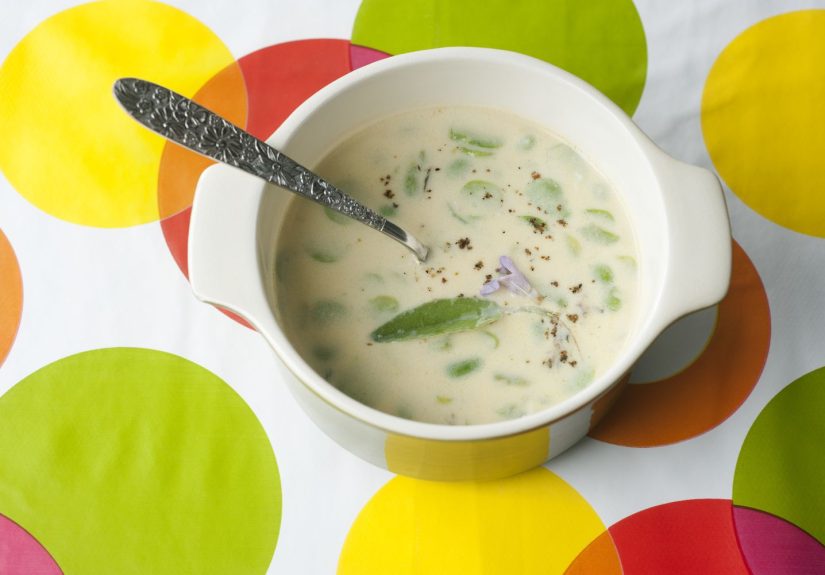
A good milk soup should taste delicate, creamy, and softly comforting. It should not be overly sweet unless that is your goal, and it should not taste like plain hot milk with floating regret. The butter gives it roundness, the salt makes the dairy taste fuller, and the noodles provide a gentle chew that turns a simple liquid into an actual meal.
If you add dill and pepper, the soup shifts into a savory lane with a farmhouse feel. If you lean on sugar and keep the finish simple, it lands somewhere between breakfast and dessert, but in a very respectable way.
Easy Variations for This Eastern European Milk Soup Recipe
Milk soup with rice
Skip the drop noodles and stir 1 to 1 1/2 cups cooked white rice into the hot milk mixture. This version feels extra soft and cozy and is a great way to use leftover rice.
Milk soup with fine egg noodles
Use cooked egg noodles if you want a quicker path to dinner. Stir them into the hot milk base and simmer just long enough to heat through. This is the easiest version for busy weeknights.
Farina or semolina milk soup
Whisk farina or semolina into part water, cook until thickened, then add hot milk for a porridge-like bowl that is especially good for breakfast. It is smooth, simple, and about as soothing as edible flannel.
Savory potato and dill version
Simmer a peeled, diced potato in the water first until tender, then add the milk, butter, and dill. The potato adds body, while dill brings that unmistakable Eastern European flavor profile that plays so well with dairy.
Tips to Keep Milk Soup Smooth and Delicious
- Use gentle heat. Milk can scorch and curdle if pushed too hard.
- Stir often. A quick stir now and then helps prevent sticking on the bottom of the pan.
- Season enough. Salt is not optional here; it wakes up the milk.
- Keep the noodles small. Small drop noodles cook quickly and make the soup easier to eat.
- Add herbs at the end. Fresh dill tastes brighter when stirred in just before serving.
What to Serve With Eastern European Milk Soup
This soup does not need much, but it does appreciate good company. Serve it with buttered rye toast, a soft dinner roll, braided egg bread, or even a simple cucumber salad if you are going savory. A sweeter version pairs nicely with fruit preserves on the side or a slice of lightly sweet bread.
If you are making it for breakfast, keep the rest of the table simple. If you are serving it for supper, add a crisp salad or roasted vegetables so the meal feels complete without losing the soup’s gentle charm.
Storage and Reheating
Because this is a milk-based soup, treat leftovers kindly and promptly. Let the soup cool slightly, then refrigerate it within 2 hours. Store it in a covered container and eat it within 3 to 4 days for best quality and safety.
To reheat, warm it slowly over low heat, stirring often. Avoid a hard boil, which can make dairy-based soups separate and can toughen noodles. If the soup thickens in the refrigerator, loosen it with a splash of milk before serving.
Common Mistakes to Avoid
Boiling the milk too hard: This is the fastest route to a scorched pot and a bad mood. Keep the heat moderate.
Under-seasoning: Even a sweet milk soup needs salt. Without it, the flavor can taste flat and unfinished.
Making the noodle batter too loose: If the batter is runny, the noodles will dissolve into the soup instead of staying pleasantly dumpling-like.
Overcomplicating the dish: Milk soup is not trying to become a twelve-step restaurant tasting menu. Let it stay humble. That is the point.
Why This Recipe Still Deserves a Place on a Modern Table
There is something refreshing about a recipe that does not try to impress strangers on the internet. Eastern European milk soup is practical, comforting, and deeply human. It turns a few inexpensive ingredients into a meal that feels nurturing. In a world of overbuilt recipes and ingredient lists that read like a small novel, that simplicity can feel almost radical.
It is also wonderfully adaptable for modern cooks. You can keep it traditional, make it sweeter for breakfast, add dill for dinner, slip in cooked rice, or use egg noodles when time is short. The result is still recognizably the same kind of dish: warm, soft, and deeply comforting.
Experiences Related to Making and Eating Eastern European Milk Soup
One of the most interesting things about an Eastern European milk soup recipe is not just how it tastes, but how it feels in real life. This is a recipe with atmosphere. The experience starts before the first bite, right when the milk begins to steam and the kitchen loses that ordinary weekday mood. Suddenly, the room smells buttery, warm, and calm, like the culinary equivalent of someone telling you everything will probably be okay.
It is the kind of dish that changes depending on who is eating it. For some people, it tastes like childhood because it is mild, soft, and familiar. For others, it feels brand-new, especially if they grew up thinking soup had to involve stock, tomatoes, beans, or a dramatic amount of garlic. Milk soup can be surprising that way. It arrives with a whisper when many modern recipes arrive with fireworks.
Making it is also a quietly pleasant experience. The batter for the drop noodles comes together in minutes, and there is something oddly satisfying about spooning little bits into the hot milk and watching them puff. It feels less like high-pressure cooking and more like kitchen therapy. No fancy plating, no stress, no chasing perfection. Just a saucepan, a spoon, and a very reasonable chance that dinner will be comforting.
The soup also invites conversation because almost everyone reacts to the name. Tell someone you made milk soup and you will likely get one of three responses: curiosity, skepticism, or immediate nostalgia. The skeptical people usually imagine a sad bowl of plain milk with identity issues. Then they try the real thing, with tender noodles, butter, and careful seasoning, and their expression changes from “What is this?” to “Wait, why is this so good?” That is one of the great pleasures of the recipe. It exceeds expectations without showing off.
There is also a seasonal experience tied to this dish. On cold mornings, it feels restorative. On rainy evenings, it feels grounding. When someone in the house wants something gentle and easy to digest, it feels practical. And when your pantry looks a little bare and your motivation looks even barer, it feels heroic in its own modest way. Few dishes can say, “I took almost nothing and still turned into dinner,” with such grace.
Perhaps the most memorable part is how personal the soup becomes. Some cooks make it sweeter. Some insist on dill. Some want rice, while others defend noodles like family honor is at stake. That flexibility turns the recipe into a living thing rather than a museum piece. You do not just cook it; you start to build your own version of it. Over time, the dish becomes associated with your bowl, your spoon, your kitchen, your weather, your habits. That is when a recipe stops being interesting and starts being meaningful.
Conclusion
If you are looking for a bowl that is affordable, comforting, and unexpectedly charming, this Eastern European milk soup recipe deserves a spot in your rotation. It is easy enough for a weekday, flexible enough for different tastes, and rooted in the kind of old-world practicality that never really goes out of style. Sweet or savory, plain or dill-flecked, it delivers the same message every time: comfort does not need to be complicated.