Table of Contents >> Show >> Hide
- What “Grand Marnier sauce” usually tastes like (and why it works)
- Why this recipe is alcohol-free (and still legit)
- Easy Grand Marnier-Style Orange Sauce (Alcohol-Free)
- How to serve Grand Marnier-style orange sauce
- Variations that keep it easy (but make it feel new)
- Troubleshooting (because sauces love to test our patience)
- Make-ahead, storage, and reheating
- FAQ
- 500-word kitchen notes & “real life” experiences with this sauce
- Conclusion
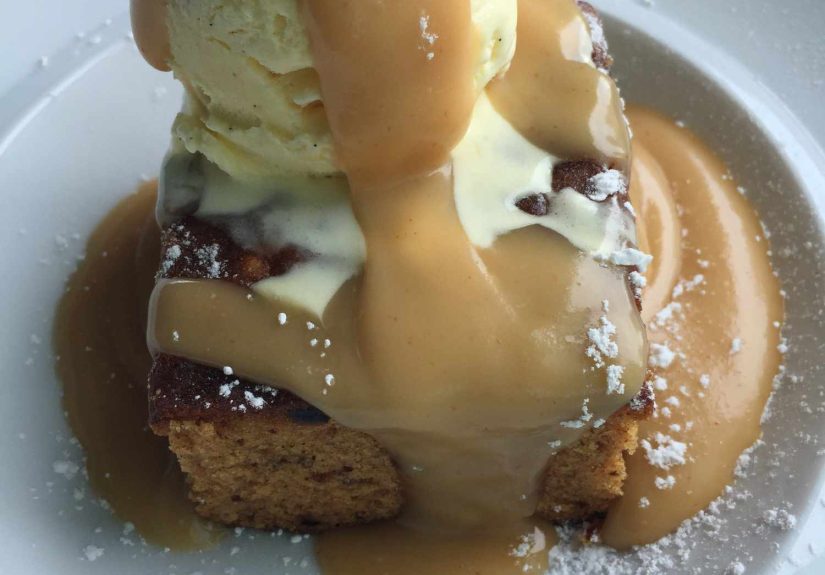
You know that moment when a plain scoop of vanilla ice cream turns into “restaurant dessert” with one dramatic drizzle?
That’s what Grand Marnier sauce is famous for. It’s bright, buttery, orange-kissed, and the kind of topping that makes
pancakes feel like they put on a tux.
One important note before we cook: traditional Grand Marnier sauce uses an orange liqueur. Since alcohol isn’t appropriate
for everyone (especially anyone under drinking age), this version is alcohol-free but still captures that
signature “orange + warm, caramelly depth” vibe. Think: Grand Marnier energy, minus the alcohol.
What “Grand Marnier sauce” usually tastes like (and why it works)
Classic Grand Marnier sauce is typically built from a few repeating ideas: citrus (orange juice + zest), sweetness (sugar),
richness (butter and sometimes cream), and a little “grown-up” depth that tastes like toasted sugar and vanilla. Many
versions are cousins of the orange-butter sauces used for crêpes-style dessertsbold orange aroma, glossy texture, and a
sweet-tart balance that keeps everything from tasting like straight candy.
The secret is that orange flavor comes in layers: juice gives tang, zest gives perfume, and warming notes (vanilla + a hint
of caramel) make it taste like it’s been hanging out near a fancy French dessert cart.
Why this recipe is alcohol-free (and still legit)
When people love “Grand Marnier” desserts, they’re often chasing the flavor profile more than the alcohol itself:
bitter-orange fragrance, buttery sweetness, and that subtle, slightly toasted complexity. We can recreate that with:
- Orange zest + fresh juice for real citrus punch
- Vanilla for warmth and dessert-shop aroma
- A tiny caramel note (brown sugar or a quick sugar-toasting step) to mimic that deeper finish
- Butter + optional cream for glossy, spoon-coating texture
Easy Grand Marnier-Style Orange Sauce (Alcohol-Free)
Yield: About 1 to 1 1/4 cups (enough for 6–8 servings)
Time: 10–15 minutes
Ingredients
- 1 cup fresh orange juice (about 2–3 oranges), strained if pulpy
- 1 teaspoon finely grated orange zest (wash the orange first)
- 1/4 cup granulated sugar
- 2 tablespoons light brown sugar (for that deeper “Grand Marnier-ish” finish)
- Pinch of salt (don’t skipthis is the flavor amplifier)
- 4 tablespoons unsalted butter, cut into pieces
- 1 teaspoon vanilla extract
- 1/4 teaspoon orange extract (optional but highly recommended for a “liqueur-like” aroma)
- 1 1/2 teaspoons cornstarch + 1 tablespoon cool water (optional, for a thicker sauce)
- 2–4 tablespoons heavy cream (optional, for a silkier, richer sauce)
Step-by-step instructions
-
Build the orange sugar.
In a small saucepan over medium heat, combine the orange juice, orange zest, granulated sugar, brown sugar, and salt.
Whisk until the sugars dissolve. -
Simmer to concentrate.
Bring to a gentle simmer and cook 4–6 minutes, whisking occasionally. You’re reducing slightly to intensify flavor,
not turning it into orange candy. -
Choose your texture path:
- For a naturally glossy (lighter) sauce: skip cornstarch and continue to Step 4.
-
For a thicker, “dessert-sauce” cling: whisk cornstarch with cool water in a small cup. Slowly drizzle
it into the simmering saucepan while whisking. Simmer 30–60 seconds until lightly thickened.
-
Finish with butter (the shine-maker).
Reduce heat to low. Add butter a couple pieces at a time, whisking until melted and glossy before adding more.
This is how you get that spoon-coating, restaurant-style finish without drama. -
Add the signature warmth.
Remove from heat. Stir in vanilla extract. If using orange extract, add it now (it’s strongest off-heat).
If you want a creamier sauce, whisk in 2–4 tablespoons heavy cream. -
Taste and tweak.
Want it sweeter? Add 1–2 teaspoons sugar. Too sweet? Add a teaspoon of fresh orange juice or a tiny pinch more salt.
If it tastes slightly bitter, you may have zested too deeplybalance with an extra teaspoon of sugar and a splash of cream.
What the sauce should look like
Warm, it should pour in a smooth ribbon and lightly coat the back of a spoon. As it cools, it thickens a bit more.
If you used cream, it’ll look extra velvety and slightly lighter in color.
How to serve Grand Marnier-style orange sauce
This sauce is basically a multitool. Here are easy, high-payoff ways to use it:
- Ice cream: vanilla, chocolate, coffee, or butter pecan (orange + nutty flavors = best friends)
- Crêpes or pancakes: drizzle over folded crêpes; add sliced strawberries or bananas
- Cheesecake: spoon over plain cheesecake for a bright contrast to the rich filling
- French toast or waffles: swap it in for syrup when you want brunch to feel “vacation fancy”
- Fruit: orange segments, berries, pineapple, or poached pears
- Cakes: brush on pound cake layers or drizzle over angel food cake
Variations that keep it easy (but make it feel new)
1) White chocolate orange sauce
For a dessert-sauce that leans rich and creamy, melt a small handful of chopped white chocolate into the warm sauce at the
end (off heat), then whisk until smooth. The orange perfume pops against the cocoa butter richness.
2) Orange caramel version
Want deeper, more dramatic flavor? Replace the brown sugar with an extra 2 tablespoons of granulated sugar, then cook your
sugars slightly longer at the beginning until they turn a light amber before adding butter. You’ll get a caramel-orange
vibe that tastes like a fancy pastry case smells.
3) Ginger-orange “holiday” sauce
Add 1/2 teaspoon freshly grated ginger while simmering, then strain it out (or leave it in if you like the zing).
It’s amazing over pound cake and warm fruit.
4) Dairy-free option
Use a plant-based butter and skip the cream. The citrus will still shine, and the sauce will stay glossy if you whisk well
and keep the heat gentle.
Troubleshooting (because sauces love to test our patience)
My sauce is too thin
- Simmer 2–4 minutes longer to reduce and concentrate.
- If you skipped cornstarch and want quick thickness, add a small cornstarch slurry (1 teaspoon cornstarch + 2 teaspoons water), simmer briefly.
My sauce is too thick
- Whisk in warm orange juice, 1 tablespoon at a time.
- Or add a splash of warm water if you want to keep sweetness stable.
It tastes bitter
- Most commonly: too much pith (the white part) got into your zest.
- Fix it by adding a touch more sugar and/or a spoonful of cream. Also, a pinch of salt can round edges.
It looks separated or oily
- Lower the heat and whisk like you mean it. Butter sauces prefer gentle temperatures.
- If it still won’t behave, whisk in 1–2 teaspoons cool water off heat to help it come back together.
Make-ahead, storage, and reheating
Store cooled sauce in a sealed container in the refrigerator for up to 5 days. Reheat gently on low heat or in short
microwave bursts, whisking between each. If it thickens too much in the fridge, loosen with a tablespoon of warm orange
juice or water.
FAQ
Can I use bottled orange juice?
You can, but fresh juice tastes brighter and less “flat.” If you use bottled, add extra zest to boost aroma.
What makes this “Grand Marnier-style” if there’s no liqueur?
The classic flavor people associate with Grand Marnier desserts is orange perfume + buttery sweetness + warm depth. Orange
extract and a caramel note recreate that impression while keeping the sauce alcohol-free and family-friendly.
Do I have to use cornstarch?
Nope. Cornstarch gives you a thicker, clingier sauce fast. If you prefer a lighter drizzle, just reduce the orange-sugar
base a little longer and finish with butter.
500-word kitchen notes & “real life” experiences with this sauce
If you’ve ever made a dessert sauce and thought, “Why does this feel like it should be easy… and yet I’m negotiating with a
saucepan?”, welcome. Orange sauces are friendly, but they’re also honest: they will reflect the choices you make in the first
five minutes.
The biggest difference-maker is zest. Not “orange peel vibes,” but the actual aromatic oils. When cooks say,
“This tastes like the fancy version,” what they usually mean is that the sauce smells like orange the second it hits the plate.
That’s zest doing its job. A practical trick is to rub the zest into the sugars with your fingers before you start heating.
It looks like nothing is happening, then suddenly the sugar becomes fragrantlike you just opened a fresh orange in the
middle of your kitchen. That aroma carries through the whole sauce and makes it feel more complex than the ingredient list
suggests.
The second “experience” lesson is that fresh juice behaves differently than juice that’s been sitting around.
Fresh juice has a brighter edge, and the sauce tastes more alive. Bottled juice can still work, but it often needs help:
extra zest, a pinch more salt, and sometimes a tiny squeeze of lemon if it tastes overly sweet. (No, lemon doesn’t make it
“lemony” hereit just wakes up the orange.)
Texture is where people get picky, and honestly… fair. Some folks want a sauce that acts like syrup and clings to pancakes.
Others want a light drizzle that pools beautifully around ice cream without turning into orange pudding. That’s why this
recipe gives two options: reduce for a natural glaze, or use a quick cornstarch slurry for that glossy, dessert-sauce body.
In home kitchens, the cornstarch route is often the “I have guests and I refuse to be stressed” option, because it thickens
fast and forgives small measuring mistakes.
Then there’s the butter. Adding butter slowly feels fussyuntil you see what it does. When butter emulsifies into the
warm orange base, the sauce turns shiny and smooth, and the flavor rounds out into something that tastes intentionally made,
not accidentally sweet. It’s also why low heat matters: too hot, and the butter can separate. Gentle heat keeps it glossy.
Finally, the “Grand Marnier” illusion: a tiny caramel note plus vanilla makes people say, “What is that? It tastes fancy.”
Brown sugar helps, but even more helpful is not rushing the simmer. A short, calm simmer concentrates the orange and gently
deepens sweetness, so the sauce tastes layered instead of one-note. In other words: don’t sprintstroll. Your spoon will thank
you.
Conclusion
This easy Grand Marnier-style sauce is proof that a “special occasion” dessert doesn’t require special-occasion effort.
With real orange flavor, a glossy buttery finish, and optional creamy richness, it turns everyday sweets into something that
feels plated-on-purpose. Keep it alcohol-free for an all-ages crowd, and you’ll still get the citrusy, warm, dessert-cart
magic people crave.