Table of Contents >> Show >> Hide
- Quick snapshot: what alcohol does (in real life terms)
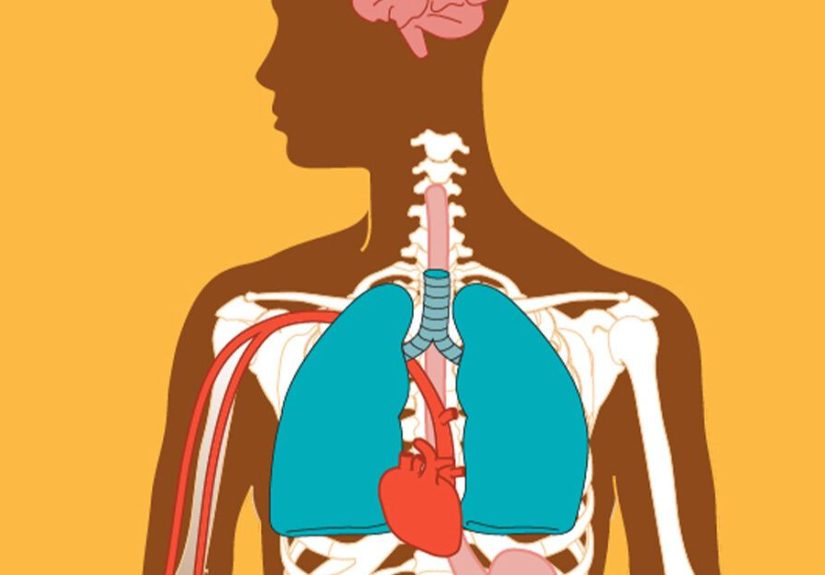
- How alcohol travels through your system
- Short-term effects of alcohol on the body
- The “next day” effect: what a hangover really is
- Long-term effects of drinking alcohol
- Liver: fatty liver, inflammation, scarring
- Heart and circulation: blood pressure, rhythm, and muscle strength
- Brain, mood, and cognition: not just “brain fog”
- Immune system: weaker defenses, slower recovery
- Gut health: inflammation and the “leaky gut” conversation
- Hormones and metabolism: weight, blood sugar, and more
- Alcohol and cancer risk: the part most people didn’t learn in health class
- Situations where “skip it” is the smartest option
- How much is “a drink,” anyway?
- When alcohol use becomes a health issue
- Frequently asked questions
- Real-world experiences: what people commonly notice (about 500+ words)
- Conclusion: the body keeps score
- SEO Tags
Alcohol is a tiny molecule with a huge personality. It doesn’t just “sit” in your stomach like a
polite dinner guestit goes on a full-body tour: brain, heart, liver, gut, immune system, sleep,
hormones… basically everywhere you have plans.
This article explains the short-term and long-term effects of alcohol on the body in plain (but
not boring) English. It’s educationalnot medical adviceand if you’re under 21, the safest
choice is not drinking at all. Your body is still under construction; alcohol is not a helpful
contractor.
Quick snapshot: what alcohol does (in real life terms)
- Right away: slows reaction time, dulls judgment, messes with coordination, and can irritate the stomach.
- Later tonight: disrupts sleep (even if you fall asleep faster), and can dehydrate you.
- Over time: raises risks for liver disease, heart problems, certain cancers, weakened immunity, and brain/mood issues.
- Big theme: dose and pattern matterfrequent heavy drinking hits harder than occasional light drinking.
How alcohol travels through your system
Step 1: Absorption (aka “this didn’t take long”)
Alcohol is absorbed through the stomach and small intestine into your bloodstream. Once it’s in
your blood, it can reach your brain quickly. That’s why “I feel fine” can turn into “Why am I
texting my ex’s dog-sitter?” faster than people expect.
The effects can vary a lot based on body size, sex, age, genetics, overall health, and how
often you drink. Two people can have the same number of drinks and feel very different things.
Biology is like thatunfair, unpredictable, and never impressed by bravado.
Step 2: Metabolism (your liver runs the cleanup crew)
Your liver breaks down alcohol so it can be removed from your body. During this process,
alcohol is converted into other chemicalssome of which are toxic and irritating to tissues.
This is one reason heavy or long-term drinking can be so damaging: the liver isn’t just tired;
it’s dealing with chemistry that can inflame and injure cells.
Short-term effects of alcohol on the body
Brain and nervous system: judgment, coordination, and memory take a hit
Alcohol is a depressant, meaning it slows brain activity. In the short term, it can reduce
inhibitions and make people feel more relaxed. But it also impairs coordination, reaction time,
balance, and decision-making. That’s why alcohol is linked to falls, injuries, risky choices,
and accidentseven when someone insists they’re “totally good.”
It can also affect memory. You might remember the highlights but lose the timeline, like your
brain recorded the night on a phone with 3% battery.
Heart and blood vessels: not just “warmth,” but real changes
Alcohol can affect heart rate and blood pressure in the short term. Some people notice
flushing or a “warm” feelingpartly due to changes in blood vessels. At higher amounts, alcohol
can contribute to irregular heart rhythms and strain the cardiovascular system.
Stomach and digestion: your gut has opinions
Alcohol can irritate the lining of the stomach and intestines. Short-term effects may include
nausea, reflux, vomiting, or diarrhea. The body is basically trying to protect itselfand it’s
not subtle about it.
Kidneys and hydration: why “thirsty” shows up later
Alcohol can increase urination and contribute to dehydration. Dehydration is one reason people
wake up with headaches, dry mouth, and the emotional vibe of a wilted houseplant.
The “next day” effect: what a hangover really is
A hangover isn’t one single thingit’s a mashup of dehydration, sleep disruption, stomach
irritation, inflammation, and the after-effects of alcohol being processed in the body. That
can look like headache, nausea, fatigue, sensitivity to light or sound, and feeling mentally
foggy.
If hangovers are frequent, it’s worth paying attention. Occasional discomfort is one thing.
A repeated pattern can be a sign your body is struggling with the amount or frequency.
Long-term effects of drinking alcohol
Long-term effects depend heavily on pattern: how much, how often, and for how many years.
Someone who drinks heavily most days isn’t just “living it up”they’re giving multiple organs a
recurring stress test.
Liver: fatty liver, inflammation, scarring
The liver is ground zero for alcohol metabolism, so it’s often one of the first organs to show
damage. Long-term heavy drinking can lead to fat buildup in the liver, inflammation, and
eventually scarring (cirrhosis). Once significant scarring occurs, the liver can’t do its job
wellfiltering toxins, helping digestion, managing nutrients, and supporting immunity.
The tricky part is that early liver damage can be silent. The body doesn’t always send a
dramatic warning text. Sometimes it just quietly updates your health settings in the
backgrounduntil it can’t.
Heart and circulation: blood pressure, rhythm, and muscle strength
Over time, heavy alcohol use is linked with high blood pressure and heart disease. It can also
weaken the heart muscle (cardiomyopathy) and contribute to arrhythmias (irregular heartbeat).
Even if someone feels “fine,” cardiovascular strain can build graduallylike debt with interest.
Brain, mood, and cognition: not just “brain fog”
Chronic heavy drinking is associated with problems in memory, learning, attention, and
decision-making. Mental health can also be affected. Alcohol may temporarily reduce anxiety in
the moment, but frequent heavy use is linked to higher risk of depression, anxiety, irritability,
and mood swings.
And because alcohol can disrupt sleep, it can worsen mental health in a feedback loop: poor
sleep increases stress, stress increases drinking urges, and the cycle keeps spinning.
Immune system: weaker defenses, slower recovery
Heavy drinking can weaken immune function, making it easier to get sick and harder to recover.
Even a single episode of heavy drinking can temporarily slow the body’s ability to fight off
infections. Long-term heavy use can interfere with immune responses and contribute to ongoing
inflammation.
Gut health: inflammation and the “leaky gut” conversation
Alcohol can damage the lining of the gastrointestinal tract and promote inflammation. Research
also connects alcohol with changes in the gut microbiome and increased gut permeability (often
called “leaky gut”). These changes may help explain why heavy drinking is tied to digestive
problems and increased colorectal cancer risk.
Hormones and metabolism: weight, blood sugar, and more
Alcohol contains calories but offers little nutrition. It can also affect appetite, cravings,
and food choicesbecause “I’ll just have a salad” becomes “Where did these nachos come from?”
Alcohol may also complicate blood sugar management, particularly for people with diabetes or
insulin resistance.
Alcohol and cancer risk: the part most people didn’t learn in health class
Alcohol is linked to increased risk of several cancers. Public health agencies emphasize that
cancer risk can rise even at lower levels of drinking, and risk generally increases as drinking
increases. In other words: it’s not only “heavy drinkers” who need to care about this topic.
Why does alcohol raise cancer risk? Scientists point to multiple mechanisms, including: the
conversion of ethanol into acetaldehyde (a toxic compound that can damage DNA), increased
oxidative stress, reduced absorption of protective nutrients (like folate), increased absorption
of other carcinogens in the mouth and throat, and hormonal changes (such as higher estrogen),
which can matter for breast cancer risk.
Bottom line: if your goal is lowering cancer risk, “less alcohol” is a surprisingly powerful
lever to pull.
Situations where “skip it” is the smartest option
Pregnancy (and trying to get pregnant)
Health authorities state there is no known safe amount of alcohol during pregnancy and no safe
time to drink during pregnancy. Alcohol can affect a developing baby throughout pregnancy,
including before someone knows they’re pregnant, and it can lead to fetal alcohol spectrum
disorders (FASDs).
Under 21 (your brain is still building important wiring)
Underage drinking is associated with increased risk-taking and negative consequences, and the
adolescent brain is more vulnerable to alcohol’s effects. When you’re still developing the brain
circuits that support judgment, learning, and emotional regulation, alcohol can interfere with
normal development.
Medication interactions and certain health conditions
Alcohol can interact with many over-the-counter and prescription medications (including some
sleep medicines, pain medicines, anxiety medicines, and others). For some medical conditions
(like uncontrolled high blood pressure, heart rhythm problems, or liver disease), cutting back
or avoiding alcohol can be an important part of managing health.
Older adults
As people age, alcohol can have stronger effects and may interact with more medications.
Alcohol misuse in older adults is also associated with faster cognitive decline and increased
risk of complications. “Same amount, same tolerance” often stops being true over time.
How much is “a drink,” anyway?
In the U.S., a standard drink contains about 14 grams of pure alcohol.
That’s important because many real-world drinks (especially strong beers, large wine pours, or
mixed drinks) can contain more than one standard drinkeven if it looks like “just one.”
Understanding standard drink sizes helps people make sense of research, health guidance, and
their own patterns. It’s less about counting for fun and more about avoiding accidental
“double-sizing” your intake.
When alcohol use becomes a health issue
Not everyone who drinks develops alcohol use disorder (AUD), but it can happenand it’s more
common than many people think. Signs that alcohol may be becoming a problem include:
- Needing more alcohol to get the same effect
- Drinking more or longer than you planned
- Trying to cut back but not being able to
- Missing school/work/responsibilities because of drinking or recovery
- Continuing to drink despite health, relationship, or mood problems
- Strong cravings or feeling preoccupied with drinking
If any of these feel familiarfor you or someone you care abouttalking to a healthcare
professional can be a smart next step. This isn’t about shame; it’s about health and support.
Frequently asked questions
Is wine “healthier” than other alcohol?
Wine, beer, and spirits all contain ethanol, and ethanol is the part tied to many health risks.
Some older headlines suggested benefits from “moderate” drinking, but more recent research and
public health guidance emphasize that alcohol carries real risks and that “less is better” for
many outcomesespecially cancer risk.
Does alcohol “kill brain cells”?
It’s more accurate to say alcohol can change how brain cells communicate and, with heavy or
long-term use, can damage brain structure and function. You may not feel it in the moment, but
memory, mood, and decision-making can be affected over time.
Real-world experiences: what people commonly notice (about 500+ words)
Research explains the biology, but everyday experiences make the effects of alcohol feel real.
Here are patterns many people describeshared as relatable examples, not as a “normal” or
“recommended” lifestyle.
1) “I fell asleep fast… then woke up at 3 a.m. for no reason.”
A lot of people assume alcohol helps sleep because it can make you drowsy. The surprise comes
later: sleep often becomes lighter and more fragmented. People report waking up in the middle
of the night, having restless dreams, or feeling unrefreshed even after “enough hours.” The
next day, that can look like irritability, low motivation, and brain fogespecially during
classes, meetings, or anything requiring focus. It’s not that alcohol “ruins” sleep for everyone
every time, but it can disrupt the kind of deep, restorative sleep that actually makes you feel
human.
2) “My mood was fine… until it wasn’t.”
People often describe alcohol as making them feel relaxed or social at first. But later, the
emotional tone can shift. Some report feeling more anxious the next day (“hangxiety”), more
irritable, or unusually down. It’s easy to mistake this for a personal flawwhen it can be a
chemical aftershock plus poor sleep plus dehydration. Over time, some people notice a pattern:
drinking doesn’t just “take the edge off,” it sometimes makes the edge sharper later.
3) “I didn’t realize how much my stomach hated this.”
For some, the gut effects are the first loud warning sign. Heartburn, nausea, bloating, and
unpredictable bathroom adventures can show up after drinkingespecially when it becomes frequent.
People sometimes shrug it off as “normal,” but the digestive tract is signaling irritation.
When someone cuts back, they often notice fewer reflux symptoms, steadier appetite, and less
stomach drama. Not glamorous, but extremely practical.
4) “My workouts felt differenteither harder, slower, or just… off.”
Many people report that exercise feels tougher after drinking. They might feel dehydrated,
sluggish, or unable to push intensity. Even if weight doesn’t change, the body can feel less
resilient. Over weeks, some notice that cutting back improves consistency: fewer skipped
workouts, better energy, and less “I’m tired for reasons I cannot explain.” It’s not magicjust
the body not spending extra effort recovering from alcohol’s effects.
5) “When I took a break, I learned something about my habits.”
A common experience during a “pause” (like a dry month) is realizing how often alcohol is tied
to routine rather than celebration: the automatic drink after work, the social default at
gatherings, the coping tool for stress. People describe discovering their triggersboredom,
awkwardness, anxiety, habitand experimenting with alternatives (non-alcoholic drinks, different
activities, or leaving earlier). Many also describe a mental shift: they start noticing how
often “everybody drinks” is more myth than truth. Some keep drinking afterward, some don’t, but
many feel more in control once they see the pattern clearly.
Conclusion: the body keeps score
The effects of alcohol on the body aren’t limited to a buzz or a hangover. Alcohol influences
brain function, sleep, digestion, immunity, hormones, and long-term risks for liver disease,
heart problems, and cancer. The impact depends on how much and how often someone drinks, and
health authorities increasingly emphasize a simple message: less alcohol generally means
lower risk.
If you drink, it’s worth knowing what “a drink” means, how alcohol affects different systems,
and what patterns might be pushing your health in the wrong direction. And if you’re under 21
or pregnant, the safest option is to avoid alcohol entirely.