Table of Contents >> Show >> Hide
- What Is the EMMA Combo Test, Exactly?
- Should You Test at All? The Moisture-First Rule
- How Mold Becomes an Indoor Problem (Spoiler: Water Wins)
- Health: What’s Well-Supported, and What’s Hotly Debated
- How to Collect a Sample That’s Actually Useful
- Understanding EMMA Combo Results Like a Calm, Rational Adult
- What to Do If Results Suggest a Bigger Mold Problem
- How EMMA Combo Fits Into the Bigger Testing Landscape (ERMI, Air Samples, and More)
- Prevention: The Anti-Mold Routine That Actually Works
- Quick FAQ
- Real-World Experiences With EMMA Combo–Style Mold & Mycotoxin Assessment (About )
Mold is the ultimate uninvited houseguest: it shows up after a leak, throws a party in your drywall, and leaves behind a smell that can be described as “wet gym bag with ambition.”
If you’re trying to figure out whether a building is dealing with a mold problem (and whether that problem includes mycotoxins), you’ve probably stumbled across the
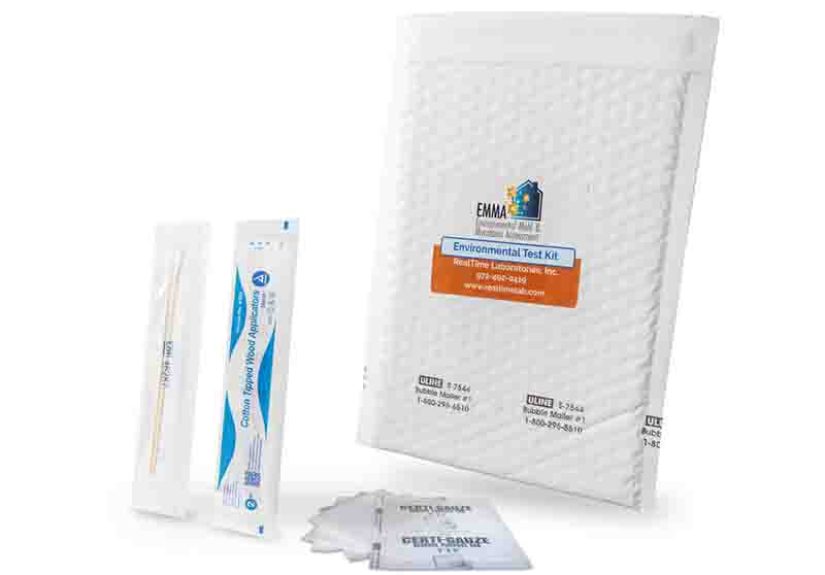
Emma Combo Environmental Mold And Mycotoxin Assessment, often shortened to EMMA Combo.
This guide breaks down what EMMA Combo is, what it can (and can’t) tell you, and how to use the results to make smart decisionswithout spiraling into doom-scrolling at 2 a.m.
We’ll keep it evidence-based, practical, and just funny enough to make “dust sampling” feel slightly less like a punishment.
What Is the EMMA Combo Test, Exactly?
The EMMA Combo is an environmental testing kit designed to analyze a dust or surface sample from a home, school, or workplace.
Its purpose is to look for selected molds (typically a panel of the more concerning water-damage–associated types) and selected mycotoxins
(toxic compounds that some molds can produce under certain conditions).
Mold vs. Mycotoxins: Same Neighborhood, Different Addresses
A mold test answers questions like: “Are certain mold species present in this dust?” A mycotoxin test asks: “Are mold-produced toxins present in this dust?”
Those are related questions, but they’re not interchangeable.
- Mold presence can indicate moisture issues, water damage, or ongoing dampnessespecially when certain species show up consistently.
- Mycotoxin presence suggests that toxin-producing molds (or contaminated materials/dust) are contributing measurable toxins to the environment.
What EMMA Combo Is Not
EMMA Combo is not a “medical diagnosis” test, and it’s not a substitute for a thorough building investigation. It won’t locate the exact leak behind your shower wall,
and it can’t tell you how your body will respond to what’s in the environment. Think of it as a data pointuseful, but not the whole story.
Should You Test at All? The Moisture-First Rule
Here’s the plot twist: in many situations, you don’t need a test to know what to do. Major public health and safety guidance emphasizes that if you have
visible mold growth or clear water damage, the priority is to fix the moisture problem and clean/remediate appropriately.
There are no federal “safe/unsafe” numerical limits for mold spores, which makes test numbers easy to misread if they aren’t paired with a real inspection.
When Testing Can Be Helpful
- Hidden mold suspicion: musty odors, recurring condensation, symptoms that flare in one building, or unexplained staining.
- After remediation: to help confirm whether cleaning was effectiveespecially when combined with visual inspection and moisture checks.
- Comparing spaces: if you’re trying to identify whether one area (bedroom vs. basement, home vs. office) seems to be a bigger contributor.
- Decision support: when you need a clearer picture before spending money on professional evaluation or repairs.
When Testing Can Waste Your Time (or Money)
- You already have obvious growth: If you can see it, the building needs moisture control and cleanuptesting doesn’t magically make it less moldy.
- The building is actively wet: A fresh leak or flood changes conditions rapidly; remediation planning should start immediately.
- You want a single “all-clear” number: Mold risk is about moisture, materials, and patternsnot one scoreboard stat.
How Mold Becomes an Indoor Problem (Spoiler: Water Wins)
Mold is everywhere outdoors. Indoors, it becomes a problem when conditions let it grow: moisture + time + something it can eat (wood, paper backing on drywall,
dust, fabric, adhesives). The most common drivers are boringbut powerful:
- Leaks: roofs, windows, plumbing, and slow drips that quietly soak building materials.
- Flooding or water intrusion: even “minor” water events can saturate porous materials.
- Humidity and condensation: especially in bathrooms, basements, poorly ventilated rooms, or around HVAC systems.
- Poor ventilation: moisture has nowhere to go, so it moves in and starts paying rent.
A practical target many building and public health resources cite is keeping indoor humidity controlledoften described as staying below roughly 60% relative humidity,
with an “ideal” comfort-and-control range commonly described as around 30–50% in many homes (exact targets vary by climate and season).
Health: What’s Well-Supported, and What’s Hotly Debated
Conversations about mold can get weird fast. One minute you’re talking about a damp basement; the next minute someone online is blaming mold for every human problem
since the invention of the shoelace. Let’s ground this in what major health organizations and scientific reviews consistently support.
Well-Supported Health Effects
- Allergic reactions (sneezing, congestion, itchy/watery eyes, skin irritation) in sensitive individuals.
- Asthma worsening or asthma attacks in people with asthma, especially if they’re allergic to mold.
- Upper and lower respiratory symptoms (coughing, wheezing, throat irritation), particularly in damp buildings.
- Infections in people with weakened immune systems or certain chronic lung conditions (less common, but important).
Large scientific reviews of damp indoor environments have found consistent associations between dampness/mold and respiratory symptoms, wheeze, and asthma effects.
Public health agencies also emphasize that preventing and correcting dampness is one of the most effective strategies for reducing risk.
About “Toxic Mold” and Mycotoxins: A Careful, Evidence-Based View
Some molds can produce mycotoxinsthis is real. The tricky part is interpreting what environmental mycotoxin findings mean for human health via typical indoor inhalation exposures.
Toxicology and allergy organizations have cautioned against overclaiming what indoor mycotoxin results prove about chronic illness, and they emphasize focusing on
moisture control, building remediation, and medically appropriate evaluation of symptoms.
The balanced takeaway: don’t ignore mold, and also don’t let a single test result become your entire healthcare plan.
If you’re dealing with persistent symptoms, it’s reasonable to talk with a qualified clinicianespecially an allergist or a physician experienced in environmental health
while also addressing the building conditions.
How to Collect a Sample That’s Actually Useful
An environmental test is only as good as the sample you send. Dust can be a helpful “history book” because it accumulates over time, but it’s also easy to accidentally
sample in a way that answers the wrong question.
Smart Sampling Principles (Without Overcomplicating It)
- Choose a representative spot: areas where dust collects and isn’t constantly wiped down can reflect longer-term conditions.
- Avoid “just cleaned” surfaces: fresh cleaning can artificially lower what’s in the dust right now.
- Be consistent: if comparing rooms, use the same approach in each space.
- Don’t “hunt” for the worst patch: unless your goal is confirming a specific visible suspect area (which should be handled carefully).
Most importantly: follow the kit’s instructions closely. Environmental sampling has a lot of small variables (how much dust, which surfaces, handling and packaging),
and those details can change how meaningful your results are.
Understanding EMMA Combo Results Like a Calm, Rational Adult
Results can feel intense because they often list unfamiliar mold species and chemical names that sound like rejected sci-fi villains.
The goal is to interpret findings in context:
1) Presence vs. Pattern
Mold is common in the environment. A more meaningful question is whether the results show a pattern consistent with water damage,
elevated levels across multiple indicators, or findings that align with building history (leaks, flooding, chronic humidity).
2) “Relative Abundance” Isn’t the Same as “Danger Level”
Many environmental mold panels report results as relative quantities or comparative signals. That can help you track changes over time (before vs. after repairs),
but it does not automatically translate into a medical risk score for every person.
3) Mycotoxins: Treat as a Signal to Investigate, Not a Verdict
If an environmental mycotoxin panel comes back elevated, the practical next step is to look for sources:
moisture issues, contaminated porous materials, HVAC problems, or dust reservoirs that need more thorough cleaning after fixing the water problem.
It may also be a reason to consult an indoor environmental professional for a deeper assessment.
4) Use Results to Build a Next-Steps List
The best outcome of EMMA Combo testing is a clear action plan:
- Identify and fix moisture sources (leaks, humidity, condensation).
- Decide whether cleanup is DIY or professional based on scope and safety.
- Target cleaning to dust reservoirs (especially after source control).
- Consider follow-up testing only when it will answer a specific question.
What to Do If Results Suggest a Bigger Mold Problem
If your building history and results point toward a significant issue, focus on what actually changes outcomes: source control and
appropriate remediation.
Step 1: Stop the Water, Stop the Growth
Fix leaks. Improve drainage. Address condensation. Control humidity. If water keeps entering the system, cleanup becomes an expensive treadmill.
Step 2: Decide DIY vs. Professional Help
Small areas of surface mold on non-porous materials may be manageable for some households with appropriate precautions, but professional remediation is often a better idea when:
- The affected area is large or widespread.
- There’s HVAC involvement (mold spreading via ducts or air handlers).
- Materials are heavily water-damaged or sewage-contaminated.
- Occupants have asthma, serious allergies, or immune compromise.
Professional standards for mold remediation emphasize containment, safe work practices, and correcting the underlying cause of contaminationnot just wiping things down and hoping.
Step 3: Clean Correctly (Not Just Aggressively)
Major public health guidance for mold cleanup stresses protecting yourself during cleanup (respiratory protection, gloves, eye protection), ensuring ventilation,
and avoiding dangerous chemical mixing (especially bleach with ammonia or acids). If you disinfect, cleaning first mattersbecause disinfectants can’t do their job through grime.
Step 4: Re-Test Only When It Answers a Real Question
Re-testing can make sense after remediation if you’re trying to confirm that conditions have improved, especially for people who want an extra layer of reassurance.
But don’t use testing as a substitute for moisture measurements, visual inspection, and ongoing maintenance.
How EMMA Combo Fits Into the Bigger Testing Landscape (ERMI, Air Samples, and More)
Environmental mold testing comes in multiple flavors, and each answers a slightly different question:
- Dust-based DNA methods (like ERMI-style approaches): can reflect longer-term accumulation, but major agencies describe ERMI as a research tool not recommended for routine public decision-making.
- Air sampling: captures a snapshot of airborne spores at one moment; it can be useful in specific professional investigations but is highly variable.
- Surface sampling: can help identify what’s growing on a material or check cleaning effectiveness in targeted situations.
- Mycotoxin environmental panels: attempt to measure toxin presence in the environment, but interpretation should be cautious and contextual.
EMMA Combo stands out in this mix because it combines a mold panel with an environmental mycotoxin panel in one workflow.
That can be appealing for people who want a broader snapshot from a single sample type, as long as they treat it as part of a bigger investigationnot the entire investigation.
Prevention: The Anti-Mold Routine That Actually Works
If mold loves anything more than moisture, it’s a home that ignores maintenance. Here are prevention strategies that don’t require a doctorate or a dramatic cape:
- Keep humidity controlled: use ventilation in bathrooms and kitchens; use dehumidification where needed.
- Fix leaks fast: the sooner materials dry, the less likely mold growth becomes.
- Watch condensation: recurring window or pipe condensation is a signal that humidity or insulation needs attention.
- Maintain HVAC: keep drip pans and drainage functioning; replace filters on schedule.
- Dry water events quickly: after spills or intrusions, dry within a short window and remove porous materials that stayed wet too long.
Quick FAQ
Is EMMA Combo “accurate”?
Accuracy depends on the lab methods used andjust as importantlyhow the sample is collected and handled. Environmental testing is most useful when paired with
building history, moisture assessment, and (when needed) professional inspection.
Does a positive result mean the building is unsafe?
Not automatically. Mold is common, and there are no federal numeric “safe limits” for indoor mold spores. Results should guide investigation and remediation planning,
not serve as a stand-alone safety verdict.
If I’m feeling sick, should I use EMMA Combo to diagnose myself?
NoEMMA Combo is an environmental test. If you have symptoms, the most practical approach is to address building dampness and consult a qualified clinician,
especially if you have asthma, allergies, or persistent respiratory issues.
Can I skip repairs if my results look “fine”?
If you have moisture problems, you shouldn’t skip repairs. Mold testing can miss hidden reservoirs, and conditions can change quickly. Moisture control is the foundation.
Real-World Experiences With EMMA Combo–Style Mold & Mycotoxin Assessment (About )
People often imagine mold investigations as dramaticlike a detective shining a flashlight into a vent while thunder rumbles in the distance.
In reality, most “mold journeys” are a series of practical moments, small discoveries, and a few sighs directed at whoever installed the bathroom fan in 1997.
Here are common experiences people report when using an Emma Combo Environmental Mold And Mycotoxin Assessment (or a similar dust-based mold/mycotoxin panel),
written as realistic scenarios to help you picture what the process feels like.
1) The Basement That Wouldn’t Behave. A homeowner notices a recurring musty smell every summer. Nothing looks obviously moldy, but cardboard boxes feel slightly damp.
EMMA Combo results show multiple water-damage–associated molds are more prominent than expected, and the mycotoxin panel flags a few compounds at elevated levels.
The “aha” moment isn’t panicit’s realizing the basement humidity is consistently high. They add a properly sized dehumidifier, improve drainage outside, seal a small foundation crack,
and clean dust reservoirs after the moisture issue is controlled. Follow-up sampling later becomes a way to confirm that their changes had an impact.
2) The Rental Mystery. A renter has intermittent congestion and itchy eyes that feel worse at home. The landlord insists, “It’s just old-house vibes.”
An environmental dust test doesn’t “prove” health causation, but it helps the renter document that there’s likely a dampness issue.
A professional inspection finds a slow plumbing leak behind a vanity and wet drywall. Once the leak is fixed and damaged material is removed, the space feels less “dungeon-adjacent,”
and symptoms improve for the renterthough they still see an allergist to rule out other triggers.
3) Post-Remediation Doubts. After a water heater failure, a family hires a remediation company. The work is completed, but everyone feels uneasy:
“Did they actually clean, or did they just rearrange the problem into a new zip code?” They use EMMA Combo afterward as one of several checks.
The results don’t replace inspection, but they provide reassurance when paired with a dry moisture reading and no visible growth.
The family also learns a useful lesson: cleaning dust after remediation matters, because lingering dust can keep the “old story” in the house even after repairs.
4) The Office HVAC Plot Twist. Employees complain that a conference room smells musty on rainy days.
Dust testing points toward an ongoing moisture issue rather than a one-time event. Facilities investigates and finds condensation at an HVAC component and a clogged drain line.
The fix is mechanical, not magical: clean the drain, adjust airflow and insulation, and monitor humidity. The biggest improvement comes from maintenance,
not from repeatedly testing every month like it’s a subscription service.
5) The “I Read Too Much Online” Phase. Many people describe an anxious moment after seeing a list of mold species or mycotoxin names.
The healthiest shift happens when they treat results as a project-management tool:
identify moisture sources, prioritize repairs, choose safe cleanup methods, and involve professionals when the scope is large.
In other words, the experience becomes empowering when it’s connected to actionbecause mold problems are solved with building science, not with vibes.