Table of Contents >> Show >> Hide
- What Is Emotional Eating?
- Emotional Hunger vs. Physical Hunger
- Why Emotional Eating Happens
- Common Triggers for Emotional Eating
- When Emotional Eating Becomes a Bigger Problem
- Tips to Manage Emotional Eating
- A Better Goal Than “Perfect Eating”
- What Emotional Eating Can Feel Like in Real Life
- Conclusion
Ever opened the pantry like it owed you emotional support? You are not alone. Emotional eating is one of those very human habits that can sneak in quietly. One minute you are answering emails, replaying an awkward conversation, or feeling lonely on a Tuesday night. The next minute you are elbow-deep in chips, cookies, or whatever salty-sweet miracle is within arm’s reach. Food can feel comforting, distracting, rewarding, or simply convenient when emotions get loud.
But emotional eating is not a character flaw, and it does not mean you “lack willpower.” In many cases, it is a coping strategy. The problem is that it usually works only for a short time. The stress, sadness, boredom, or frustration is still there after the snack, and sometimes it brings guilt along as an uninvited plus-one.
The good news is that emotional eating can be understood, managed, and reduced without turning your life into a joyless celery-based boot camp. With awareness, practical tools, and a little self-compassion, you can build a healthier relationship with food and with your feelings. Here is what emotional eating really is, why it happens, and what you can do when your emotions start driving your appetite.
What Is Emotional Eating?
Emotional eating is eating in response to feelings instead of physical hunger. It often shows up during stress, anxiety, boredom, loneliness, sadness, anger, or even celebration. Yes, happy emotions can trigger it too. Food is deeply tied to comfort, memory, reward, and routine, so it makes sense that emotions and eating often overlap.
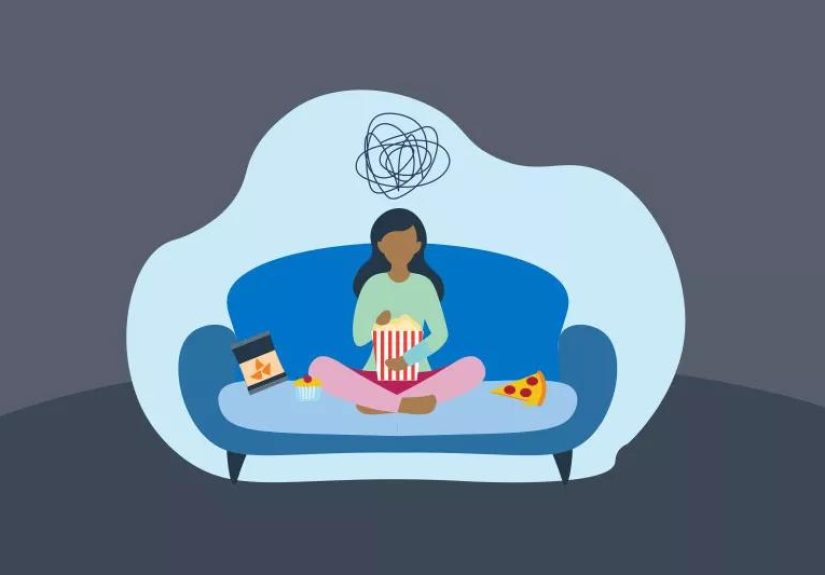
Sometimes emotional eating looks obvious, like polishing off half a pizza after a brutal day. Other times it is more subtle. It may look like grazing all evening, snacking while scrolling, always needing “a little treat” when you feel overwhelmed, or eating past fullness because stopping means sitting with difficult emotions.
That does not mean every craving is emotional. Wanting ice cream because it is delicious is called being alive. Emotional eating usually involves a disconnect from physical hunger cues. The urge tends to feel sudden, specific, and urgent. It is often less about nourishment and more about relief, numbing, distraction, or reward.
Emotional Hunger vs. Physical Hunger
Learning the difference between emotional hunger and physical hunger is one of the most helpful skills in managing this pattern.
Physical hunger usually:
- Builds gradually
- Can be satisfied with a variety of foods
- Comes with body cues like stomach growling, low energy, or lightheadedness
- Stops when you feel comfortably full
- Does not usually trigger guilt afterward
Emotional hunger often:
- Shows up suddenly
- Craves a very specific comfort food
- Feels urgent, like “I need this now”
- Continues even after fullness
- Leaves behind regret, shame, or frustration
Of course, real life is messy. Hunger can be both physical and emotional at the same time. Maybe you skipped lunch, then had a rough afternoon, then found yourself face-to-face with a vending machine. That is not failure. That is a clue. The more honestly you can notice what is driving you, the easier it becomes to respond differently.
Why Emotional Eating Happens
Emotional eating is not random. It usually grows out of a mix of biology, habits, environment, and emotion.
Stress changes the game
When you are under chronic stress, your body may release hormones that can increase cravings and make high-fat, high-sugar foods more appealing. Stress can also make decision-making harder. That is why a bag of pretzels can start looking like a wellness plan after a long day.
Food offers quick relief
Comfort foods can create a short-term sense of pleasure or calm. That temporary payoff teaches the brain, “When I feel bad, eating helps.” The brain loves shortcuts. Unfortunately, it does not always care whether the shortcut is actually solving the problem.
Restriction can backfire
If you are dieting aggressively, skipping meals, or labeling foods as “bad,” you may be setting yourself up for rebound cravings. Deprivation can intensify emotional eating because your body and brain both feel underfed. When stress enters the chat, the urge to overeat can get much louder.
Fatigue makes cravings louder
Poor sleep can increase hunger and make cravings for sweet, salty, and high-calorie foods more intense. It is much harder to pause and make a thoughtful choice when you are tired, overstimulated, and running on fumes.
Habits become automatic
If you always eat while watching TV, after arguments, during work deadlines, or late at night, your brain may start linking those moments with food. Over time, the cue alone can trigger the urge, even when you are not physically hungry.
Common Triggers for Emotional Eating
Emotional eating is not only about sadness. It can show up in all kinds of emotional and practical situations, including:
- Stress from work, caregiving, money, or school
- Boredom and understimulation
- Loneliness or isolation
- Anxiety and racing thoughts
- Anger, frustration, or disappointment
- Celebration and reward
- Fatigue and poor sleep
- Skipping meals or waiting too long to eat
- Being around tempting foods during vulnerable moments
- Scrolling, streaming, or eating while distracted
One useful exercise is to ask: What tends to happen right before I eat when I am not hungry? The answer might be a feeling, a place, a time of day, a person, or a thought. Once you know your triggers, you can stop treating emotional eating like a mystery plot twist.
When Emotional Eating Becomes a Bigger Problem
Occasional emotional eating is common. Many people do it from time to time. But if it becomes your main coping tool, it can start to affect your mood, energy, digestion, self-esteem, and overall health.
It may be time to look more closely if you often:
- Feel out of control around food
- Eat very quickly or until painfully full
- Eat in secret because you feel embarrassed
- Use food to numb emotions almost every day
- Cycle between strict dieting and overeating
- Feel intense shame, guilt, or hopelessness after eating
In some cases, these patterns may overlap with disordered eating or binge eating disorder, which is a real medical and mental health condition. If eating feels chaotic, distressing, or increasingly out of control, reaching out to a doctor, therapist, or registered dietitian can be a smart and supportive next step.
Tips to Manage Emotional Eating
You do not need a perfect routine or a refrigerator stocked like a wellness influencer’s fantasy. You need realistic tools that work on ordinary days.
1. Pause before you eat
When a craving hits, try a short pause. Even two minutes can help. Ask yourself: Am I physically hungry, emotionally hungry, or both? What happened right before this urge? What do I actually need right now?
The goal is not to talk yourself out of eating every time. The goal is to create a small gap between impulse and action.
2. Use the HALT check-in
HALT stands for Hungry, Angry, Lonely, and Tired. It is not fancy, but it is useful. Before eating, check whether one of those states is driving the urge. You may find that the answer is not “I need cookies,” but “I need a break, a snack with protein, a phone call, or a nap that lasts until next Thursday.”
3. Eat regular, balanced meals
Going too long without food can make emotional eating more likely. Try to eat consistently through the day, including meals and snacks that contain protein, fiber, and satisfying carbs or healthy fats. A body that feels fed is less likely to hit the panic button at 9 p.m.
4. Build a nonfood coping list
Make a short list of things that help when emotions spike. Keep it simple and visible. Good options might include:
- Take a 10-minute walk
- Text a friend
- Drink water or tea
- Write down what you are feeling
- Do a breathing exercise
- Stretch, shower, or step outside
- Listen to music that changes your mood
- Do one tiny task to reduce overwhelm
Food can still be part of life and comfort. The goal is to give yourself more than one way to cope.
5. Practice mindful eating
Mindful eating does not mean chewing one raisin for forty-five minutes while pondering the universe. It means paying attention. Sit down when you eat. Notice the taste, texture, and pace. Put your phone down when possible. Slowing down makes it easier to notice fullness and satisfaction before you pass the point of “pleasantly full” and arrive at “I regret this burrito diplomacy.”
6. Improve your sleep
If you are constantly tired, cravings may feel bigger and harder to resist. A more consistent sleep routine can support appetite regulation, mood, and decision-making. Even modest improvements in sleep can make emotional eating easier to manage.
7. Stop moralizing food
Calling foods “good” or “bad” can create a rebellion effect. The stricter the rules, the stronger the urge to break them. Try a more flexible mindset. A cookie is not a crime scene. Giving yourself permission to eat enjoyable foods in a balanced way often reduces the urgency around them.
8. Track patterns without judging yourself
A simple notes app or journal can help. Write down what you ate, how hungry you were, what you were feeling, and what was happening around you. This is not about policing yourself. It is about gathering clues. You are a detective, not a prosecutor.
9. Make your environment work for you
If you always snack mindlessly on the couch, try changing the routine. Keep more satisfying options available. Portion snacks into bowls instead of eating from large bags. Store trigger foods less visibly if that helps. Small environmental changes can reduce the number of decisions you have to win.
10. Get support if you need it
If emotional eating feels persistent, painful, or tied to anxiety, depression, trauma, or binge eating, support can make a huge difference. Therapy, especially approaches like cognitive behavioral therapy, can help you identify thought patterns, build coping skills, and reduce shame. A registered dietitian can help you create a more stable and satisfying eating routine.
A Better Goal Than “Perfect Eating”
Many people think the solution is becoming perfectly disciplined around food. In reality, that mindset often makes things worse. Emotional eating tends to shrink when your life includes enough nourishment, enough rest, enough coping tools, and enough compassion.
A better goal is not “I will never eat emotionally again.” That is probably unrealistic, and honestly, life is long. A better goal is: I will notice what is happening, respond more skillfully, and recover without shame.
That might mean sometimes you still eat the brownie after a hard day, but you do it consciously, enjoy it, and move on. No guilt spiral. No all-or-nothing drama. No vow to “start over Monday” as if your lunch choices have entered a formal relationship with the calendar.
What Emotional Eating Can Feel Like in Real Life
For many people, emotional eating does not look dramatic. It looks ordinary. It is the handful of crackers while making dinner because the day felt heavy. It is the late-night cereal after everyone else is asleep and the house is finally quiet. It is the drive-thru on the way home, not because you are truly hungry, but because you need the day to feel softer before you walk in the door.
Some people describe emotional eating as a kind of autopilot. They do not decide to eat. They realize halfway through that they already are. A stressful email comes in, and suddenly there is candy on the desk. An argument happens, and the freezer starts calling your name like a very persuasive opera singer. In these moments, food can feel grounding, comforting, or numbing. It creates a brief pause from whatever emotion feels too sharp.
Others experience emotional eating as a reward system. After a long day of work, parenting, studying, or caregiving, food becomes the prize at the finish line. “I deserve this” may be true, but if food becomes the only reward, it can carry too much emotional weight. The snack is no longer just a snack. It becomes relief, celebration, compensation, and companionship all at once.
There are also people who do not notice the emotional side until later. They might think they just “love snacks” or “have no self-control at night.” But when they look closely, patterns emerge. The overeating happens more after tense family interactions, lonely weekends, poor sleep, or days filled with pressure and no real breaks. The issue is not laziness. It is unmet need.
Many people also describe the aftermath in almost identical ways: temporary comfort, then discomfort. Relief, then guilt. Fullness, then frustration. They promise themselves they will do better tomorrow, only to repeat the cycle the next time stress spikes. That cycle can feel discouraging, but it is also important information. It shows that the food is helping with the emotion for a moment, but not for very long.
The most encouraging stories usually begin when people stop fighting themselves and start getting curious. They notice that eating is more intense when they skip lunch. They realize they are most vulnerable at night when they are exhausted. They see that a walk, a real dinner, a phone call, or simply naming the emotion out loud can lower the urge. Progress often starts small: one pause, one more balanced meal, one less guilt trip, one more honest check-in.
That is what makes emotional eating manageable. Not perfection. Awareness. Compassion. Repetition. The experience many people share is not that the urge disappears overnight. It is that the urge becomes less confusing, less controlling, and less powerful once they understand what it is trying to do.
Conclusion
Emotional eating is common, complicated, and deeply human. It is not simply about food. It is often about stress, comfort, fatigue, habit, and trying to feel better in the fastest way available. The goal is not to become robotic around cravings. The goal is to understand them.
When you learn the difference between physical hunger and emotional hunger, identify your triggers, eat more consistently, improve sleep, and build a few reliable coping tools, emotional eating starts to lose its grip. And if it feels bigger than you can manage alone, support is available. There is no gold medal for struggling in silence.
Food can be enjoyable, comforting, and meaningful. It just should not have to do every emotional job in your life. Give yourself more tools, more grace, and more chances to practice. That is where real progress begins.